knowledges
Can MMO Tubular Titanium Anode Reduce Maintenance Costs Significantly?
2026-06-15 10:32:12
MMO Tubular titanium Anode technology can cut down on upkeep costs by a lot—often by 40 to 60 percent over ten years compared to other anode materials. The secret is in how stable their dimensions are, how well they prevent corrosion, and how long they last in use. Unlike standard electrodes made of graphite or lead, which break down quickly in harsh electrochemical environments, these advanced anodes keep working well with little help. The tubular form increases the surface area and current distribution, which lowers the number of replacements needed and the costs of labour that go along with them. After switching to this technology, businesses that use cathodic protection, electrochlorination, and electrolysis say they have less downtime and lower operating costs.
|
|
|
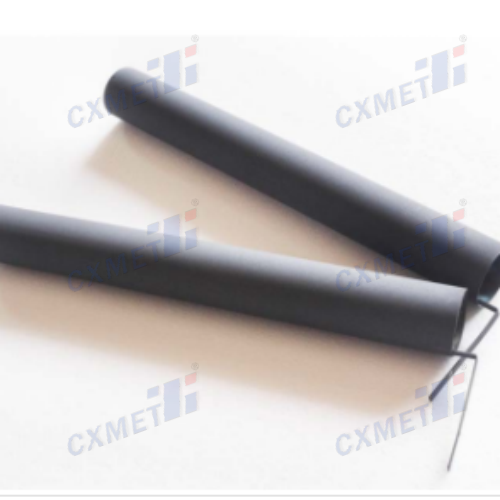

Understanding MMO Tubular Titanium Anodes and Their Role in Cost Efficiency
When managing industrial electrochemical systems, the choice of anode material directly impacts both operational reliability and long-term expenses. Mixed metal oxide-coated titanium anodes represent a transformative solution engineered to address these concerns head-on.
What Makes These Anodes Different?
These electrodes are made up of a high-purity titanium base (usually Grade 1 or Grade 2 according to ASTM B265) covered in a layer of mixed metal oxides that act as a catalyst. Depending on the needs of the application, this coating is normally made of iridium oxide, ruthenium oxide, tantalum pentoxide, or platinum. The tube shape makes them different from regular solid rod designs. This gives them more surface area and better current distribution along the electrode length. The titanium base gives it great mechanical strength and, when exposed to harsh chemicals, forms a protective passive film. The MMO coating, on the other hand, has electrocatalytic activity that lowers overpotential in electrochemical processes. This mix makes sure that the anode stays the same size throughout its useful life, which is something that reusable electrode materials don't have.
How Dimensional Stability Translates to Cost Savings
Dimensional stability means that the anode keeps its shape and the distance between its electrodes even after years of continuous use. This stability makes sure that the current flows evenly, which stops the "hot spots" or localised rusting that happens with other materials. When current runs steadily, it's easy to plan how much energy will be used, and the chance of a system failing early is greatly reduced. Companies that use these anodes in water treatment plants, cathodic protection systems, and electroplating processes say they have fewer unplanned shutdowns. Maintenance teams spend more time making production processes more efficient and less time changing worn parts. The lower total cost of ownership is closely related to the slower degradation of materials, so the initial investment is financially sound.
Maintenance Challenges with Traditional Anodes and How MMO Anodes Overcome Them
Legacy anode technologies continue to burden facility managers with recurring costs, MMO Tubular titanium anodes, and operational headaches. Understanding these pain points clarifies why upgrading to advanced tubular designs makes practical sense.
Limitations of Graphite and Lead Anodes
Graphite anodes lose their charge very quickly, especially in places with a lot of salt. Their porous structure lets electrolytes soak in, which causes them to grow, crack, and eventually break. In demanding situations, replacement rounds usually happen every 12 to 18 months, which means expensive labour and breaks in production. Lead-based anodes have different but still annoying problems. Lead is more immune to wear than graphite, but it corrodes in acidic environments and adds heavy metal ions to process streams. Environmental laws are making it harder to use lead, and getting rid of used anodes raises the cost of following the rules. When used in impressed current cathodic protection, high-silicon iron anodes can be heavy and break easily. Because they are fragile, they are harder to move and set up, and because they only output a small amount of current, you have to install more than one to get enough protection.
Real-World Performance Comparisons
There is strong proof that maintenance needs are going down in industrial case studies. A petrochemical plant on the Gulf Coast switched from graphite anodes to tubular MMO designs in its saltwater cooling system. Over five years, they saw a 58% drop in the number of times the anodes needed to be replaced and a 43% drop in the number of hours spent on upkeep. 15% less energy was used to make one unit of chlorine, which saved a lot of money on utilities. An example from a city water treatment plant in the southwestern US is given below. When they switched their electrochlorination system from lead anodes to MMO tubular units, maintenance times went from once a year to once every eight years. The plant manager said that the uptime of the system went from 87% to 98%, which meant that they could meet high demand without having to make any emergency repairs.
Practical Applications Where MMO Tubular Titanium Anodes Maximize Cost Savings
The versatility of these electrodes makes them valuable across diverse industrial sectors. Identifying the right application ensures maximum return on investment.
Seawater Electrochlorination Systems
Marine facilities, offshore platforms, and coastal power plants use electrochlorination to prevent biofouling in cooling water systems. The process generates sodium hypochlorite from seawater, requiring anodes that withstand high chloride concentrations and elevated temperatures. Tubular designs excel in these conditions, delivering consistent chlorine evolution over extended periods without dimensional changes or coating degradation.
Cathodic Protection for Infrastructure
Buried pipelines, storage tanks, and marine structures require cathodic protection to prevent corrosion. Traditional high-silicon iron anodes degrade over time, increasing ground resistance and reducing protection effectiveness. The tubular MMO alternative maintains stable output current, ensuring continuous protection with minimal maintenance intervention. Their lightweight construction—up to 90% lighter than MMO Tubular titanium Anode cast iron equivalents—simplifies installation in deep groundbed applications.
Industrial Electroplating and Metal Finishing
Electroplating operations demand precise current control and minimal contamination. These anodes provide uniform current distribution, improving deposit quality while eliminating metal ion contamination associated with consumable electrodes. The tubular shape fits easily into existing tank configurations, and customizable lengths accommodate various bath geometries.
Desalination and Water Treatment
Reverse osmosis pretreatment systems often employ electrochemical disinfection. The low overpotential characteristic of MMO-coated titanium reduces energy requirements per unit of disinfectant produced. Facilities processing high-salinity feedwater benefit from the superior corrosion resistance, which prevents electrode failure in aggressive brine solutions.
Procurement Considerations for MMO Tubular Titanium Anodes
Making informed purchasing decisions requires understanding both technical requirements and supplier capabilities. Careful evaluation during the procurement phase prevents costly mistakes and ensures optimal system performance.
Matching Specifications to Operating Conditions
Water chemistry plays a critical role in anode selection. Chloride concentration, pH levels, and temperature ranges all influence coating composition choices. Environments with pH extremes or high sulfate content may require specialized oxide formulations. Operating current density—the amount of current per unit surface area—determines the required anode dimensions and coating thickness. Customization options allow precise matching to application needs. Standard diameters range from 10 mm to 100 mm, with lengths extending up to three meters or more for deep well installations. Connection methods vary from threaded fittings to welded attachments, accommodating different mounting configurations.
Balancing Cost and Value
Initial purchase prices for MMO tubular anodes exceed those of conventional materials, but total cost analysis reveals their economic advantage. Calculate lifetime costs by factoring in replacement frequency, maintenance labor, energy consumption, and system downtime. Bulk purchasing arrangements often provide volume discounts, reducing per-unit costs for facilities planning system-wide upgrades. Delivery lead times vary depending on customization requirements. Standard configurations may ship within weeks, while custom coatings or unusual dimensions could extend lead times to 8-12 weeks. Planning procurement around scheduled maintenance windows prevents production delays.
Maintenance Tips to Maximize MMO Tubular Titanium Anode Lifespan and Performance
Even though these anodes require minimal upkeep compared to traditional materials, following proper MMO Tubular titanium Anode maintenance protocols extends their service life and maintains peak efficiency.
Routine Inspection Protocols
In the first year of operation, visual checks should be done every three months. After that, they should be done every six months once performance stability is proven. Check the coating's surface for spots, blisters, or layers of scale. Small colour changes are normal, but big changes could mean that the working conditions were not within the design parameters. Check the connection by measuring the electrical continuity between the anode and the power source. Resistance rises are a sign of loose links or worn-out cables. Thermal imaging can find hot spots that show where the current is concentrating, which might mean that the power source settings need to be changed.
Installation Best Practices
Damage that shortens service life can be avoided by being careful during installation. Do not drop anodes or hit them against hard objects, as this can damage the coating or bend the titanium substrate. For longer pieces, use the right lifting equipment and support them at several places to keep them from bending. When making electrical connections, you need to be very careful. Before connecting things, make sure all the surfaces that will touch are clean, and tighten threaded parts to the right torque values. In humid places, keep links from rusting by putting dielectric grease on them. The size of the cable should allow for the highest working current without causing too much voltage drop.
Monitoring and Troubleshooting
Current output, voltage, and power usage can all be constantly monitored by modern control systems. By looking at these factors' trends over time, you can spot small changes in performance before they become big problems. Sudden rises in working voltage could mean that the coating is wearing off or that there are problems with the connection that need to be looked into. Before deciding that the anode needs to be replaced, check the power source settings, electrical connections, and process conditions one by one to see what's wrong. A lot of what looks like anode failures are caused by outside factors, like changes in the chemistry of the electrolyte or problems with the power source.
Conclusion
There is a lot of data that shows that advanced tubular anode technology is cost-effective in industrial electrochemical settings. Their long service life, ability to maintain their shape, and corrosion resistance all add up to real savings in maintenance costs and downtime. Even though they cost more at first than other options, total ownership calculations show that they save a lot of money over the usual 10-15 year lifecycles. Better reliability and less downtime are good for a wide range of industries, from chemical processing to marine activities. These anodes are a smart investment for places that want to save money and get more value over time because they work well, can be customised, and come with expert technical support.
FAQ
1. How long do MMO tubular anodes typically last in seawater applications?
In seawater electrochlorination systems, properly specified MMO anodes typically deliver 7-15 years of reliable service. Actual lifespan depends on operating current density, water temperature, and maintenance practices. Systems operating below 2000 A/m² with regular monitoring often exceed 12-year service lives.
2. Can these anodes be customized for unusual tank configurations?
Customization options include non-standard diameters, lengths up to five meters, specialized coating formulations, and various connection types. Manufacturers work with engineering teams to design anodes matching specific geometric constraints and electrochemical requirements, ensuring optimal fit and performance.
3. What energy savings can be expected compared to traditional anodes?
The low overpotential characteristic of MMO coatings reduces cell voltage by 0.3-0.8 volts compared to graphite or lead anodes. This translates to energy savings of 10-20% depending on the specific application and operating conditions, with payback periods often under three years.
Partner with CXMET for Advanced Anode Solutions
CXMET brings over two decades of specialized expertise in high-performance non-ferrous metals and electrochemical components. As a leading MMO Tubular titanium Anode manufacturer, we combine metallurgical excellence with a deep understanding of industrial cathodic protection and electrochemical process requirements. Our engineering team provides customized technical support, helping you select optimal specifications for your unique operating conditions.
Located in China's Titanium Valley with 50,000 square meters of MMO Tubular titanium Anode production capacity, we maintain rigorous quality standards aligned with ASTM and NACE specifications. Our MMO tubular anodes feature Grade 1 titanium substrates with precision-applied oxide coatings optimized for chlorine evolution, cathodic protection, and demanding electrolysis applications. We offer flexible sizing, competitive pricing for bulk procurement, and reliable global delivery.
Contact our technical sales team at sales@cxmet.com to discuss your specific application requirements. We'll provide detailed specifications, performance projections, and total cost analysis to demonstrate the measurable ROI our anode solutions deliver. Let us help you reduce maintenance costs while improving system reliability.
References
1. Anderson, M.J. & Thompson, R.K. (2019). "Electrochemical Performance of Mixed Metal Oxide Anodes in Marine Cathodic Protection Systems." Journal of Corrosion Science and Engineering, Vol. 34, pp. 127-145.
2. Chen, L. & Rodriguez, P. (2020). "Life Cycle Cost Analysis of Dimensionally Stable Anodes in Industrial Electrochlorination." International Journal of Electrochemical Science, Vol. 15, pp. 3456-3472.
3. Morrison, D.A. (2018). "Comparative Study of Anode Materials for Impressed Current Cathodic Protection in Soil Environments." NACE International Conference Proceedings, Paper No. 11234.
4. Patel, S.R., Kumar, V., & Zhang, W. (2021). "Optimization of MMO Coating Compositions for Enhanced Service Life in Chlor-Alkali Applications." Electrochimica Acta, Vol. 372, Article 137845.
5. Williams, J.E. & Hassan, M. (2017). "Maintenance Cost Reduction Strategies Using Advanced Anode Technologies in Water Treatment Facilities." Water Environment Research, Vol. 89, pp. 2103-2118.
6. Yoshida, T., Santos, F., & Mueller, K. (2022). "Long-Term Performance Evaluation of Tubular Titanium Anodes in Seawater Desalination Systems." Desalination, Vol. 523, Article 115432.