knowledges
High-Performance MMO Ribbon Anode for Long-Term Corrosion Protection
2026-03-16 16:00:13
Advanced cathodic protection options, such as MMO Ribbon Anode, are always used by engineers and procurement professionals to keep important infrastructure from rusting. The MMO Ribbon Anode is a big step forward in technology for stopping corrosion. It has unmatched longevity and performance in the harshest environments. The advanced anodes combine the strength of titanium substrates with the electrical brilliance of mixed metal oxide coatings, providing long-lasting security for decades. Whether you need to protect marine installations, chemical processing equipment, or underground pipes, these anodes give your assets the strong defence they need against corrosive forces.
|
|
|
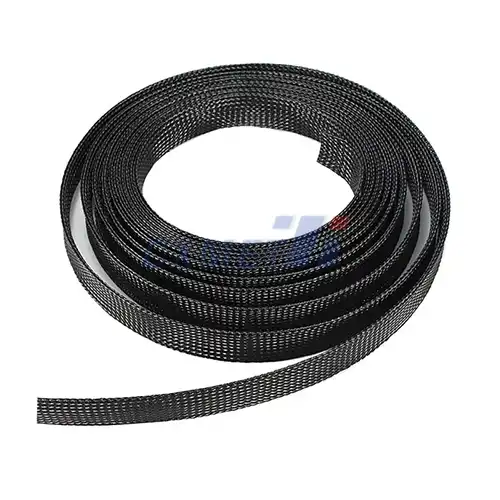

Understanding MMO Ribbon Anodes and Their Role in Corrosion Protection
Modern industrial infrastructure faces constant threats from corrosive environments, making effective protection systems essential for operational success. Mixed metal oxide ribbon anodes have emerged as the gold standard for cathodic protection applications, offering engineers a sophisticated solution that addresses the limitations of traditional corrosion prevention methods.
Material Composition and Advanced Engineering
The highly engineered construction of the MMO ribbon anode is what makes it work so well. The ASTM B265 Grade 1/2 titanium substrates used in these anodes give them the mechanical strength and corrosion resistance they need to work in harsh circumstances. Chemical etching processes are used to precisely treat the titanium base's surface. These processes make the surface rougher, which makes it ideal for coating bonding. The mixed metal oxide coating is made up of compounds IrO2/Ta2O5 that are put on in several coating processes. For each use, coatings are applied with a brush or a dip, and then they are heated in controlled atmosphere ovens to harden. This process makes a layer that is more than 2μm thick and even, so the electrochemical properties of the whole anode surface are the same. The structure that was made is very stable even when there is a lot of current flowing through it, and it wears down very slowly (1-6 mg/A.a).
Operating Principles and Electrochemical Performance
The cathodic protection system uses controlled electrochemical reactions to change the potential of the protected object and stop corrosion. When placed correctly with the right backfill materials, MMO ribbon anodes act as the main parts of the protection system that discharge current. The mixed metal oxide layer makes it easier for charges to move quickly and smoothly, and it keeps the electricity flowing steadily for long periods of time. The ribbon shape of the anode makes the most of the surface area that is in touch with the environment, which helps the current flow evenly throughout the protected structure. This design cuts down on possible gradients that could make the protection system less strong. The anode can control chlorine or oxygen evolution reactions that help the overall protection system. These reactions depend on the environment.
Critical Applications Across Industries
Marine settings are some of the hardest places for MMO Ribbon Anode for corrosion protection systems to work. MMO ribbon anode installations are very helpful for offshore platforms, port facilities, and marine pipelines. Because the anodes can handle chloride-rich environments, they work reliably in seawater situations where other materials tend to fail early. Chemical processing plants depend on these anodes to protect the bottoms of tanks and keep underground storage systems working properly. They are very useful for pharmaceutical and petrochemical processes because they can handle harsh chemical environments and keep their electrical properties stable. Power plants use these systems to protect the cooling water infrastructure, and when they work reliably, they have a direct effect on how efficiently the plants run.
Comparing MMO Ribbon Anodes with Alternative Anode Types
Procurement decisions require careful evaluation of available technologies to ensure optimal return on investment. Understanding the performance characteristics of different anode types enables informed selection based on specific application requirements and long-term operational goals.
Performance Analysis Against Traditional Materials
Zinc and magnesium sacrificial anodes have historically served as standard corrosion protection solutions, but their limitations become apparent in demanding applications. These materials consume themselves during operation, requiring regular replacement that increases maintenance costs and system downtime. The consumption rate varies significantly with environmental conditions, making service life prediction challenging for long-term planning.MMO ribbon anodes eliminate consumption-related limitations through their dimensionally stable design. The mixed metal oxide coating maintains its electrochemical properties without significant material loss, enabling service lives exceeding 20 years in typical applications. This stability translates to predictable maintenance schedules and reduced lifecycle costs compared to sacrificial anode systems.
Operational Advantages in Aggressive Environments
Seawater applications reveal the superior performance characteristics of MMO technology compared to conventional alternatives. Traditional anodes often suffer from coating degradation and accelerated wear in high-salinity conditions, leading to premature failure and protection system compromise. The IrO2/Ta2O5 coating maintains its integrity in chloride-rich environments, ensuring consistent protection throughout the design life.Rod and mesh anode configurations may offer adequate performance in specific applications but lack the flexibility and surface contact advantages of ribbon designs. The continuous ribbon structure adapts to irregular surfaces and provides more uniform current distribution compared to discrete anode installations. Installation complexity decreases significantly with ribbon anodes, as fewer connection points are required to achieve comprehensive protection coverage.
Cost-Effectiveness Over Extended Service Life
While initial investment costs for MMO ribbon anodes may exceed traditional alternatives, the total cost of ownership analysis strongly favors advanced technology. Reduced maintenance requirements, extended service life, and improved protection reliability combine to deliver substantial savings over the system lifecycle. Engineering teams report maintenance interval extensions of 5-10 years compared to conventional anode systems. The ability to customize anode specifications according to service life requirements enables optimized procurement strategies. Projects with 20-50 year design lives benefit from reduced replacement cycles that minimize operational disruptions and associated costs. This advantage becomes particularly significant in remote or difficult-to-access installations where maintenance activities involve substantial logistical challenges.
Procurement Guide: How to Choose, Order, and Install MMO Ribbon Anodes
Successful procurement requires understanding the technical specifications of the MMO Ribbon Anode and installation requirements that determine system performance. Careful attention to selection criteria ensures optimal anode performance while avoiding common procurement pitfalls that can compromise protection effectiveness.
Essential Selection Criteria and Specifications
Current density requirements form the foundation of proper anode sizing and configuration. Applications typically range from 10-100 A/m² depending on environmental conditions and protection requirements. The anode's high load capacity supports demanding applications where conventional materials would require excessive quantities to achieve adequate current output. Environmental compatibility assessment ensures reliable performance throughout the intended service life. Chloride concentration, pH levels, and temperature variations all influence anode selection and installation requirements. The IrO2/Ta2O5 coating formulation maintains stability across wide pH ranges, making it suitable for diverse industrial applications. Physical dimensions must accommodate installation constraints while providing adequate surface area for current distribution. Standard ribbon widths range from 12-25mm with customizable lengths up to several kilometers for pipeline applications. Connection intervals should not exceed 305 meters to prevent resistance buildup that could compromise system effectiveness.
Pricing Models and Procurement Strategies
Understanding pricing structures enables effective budget planning and vendor evaluation. Most suppliers offer price-per-meter quotations with volume discounts available for large projects. Minimum order quantities typically range from 100 to 500 meters, depending on customization requirements and manufacturing batch sizes. Bulk procurement strategies can yield significant cost savings for multi-phase projects or organizations with multiple facilities. Annual supply agreements provide price stability while ensuring product availability for planned maintenance activities. Custom specifications may impact pricing and delivery schedules, making early engagement with suppliers essential for project planning.
Installation Best Practices and Maintenance Requirements
Choosing the right backfill material has a huge effect on how well the anode works and how long it lasts. Mixtures of gypsum and sodium sulphate improve the efficiency of the current and help the anode surface rust evenly. When systems are buried directly without using the right backfill materials, their service life can be cut by 50% or more compared to systems that are placed correctly. The way connections are made must guarantee that electricity stays connected throughout the life of the system. High-precision spot welding of conductive titanium strips that are conductive makes links that last and keep their low resistance. Regular electricity MMO Ribbon Anode testing during installation makes sure the system works right before it is fully turned on. In places with a lot of resistance, pairing with magnesium or zinc sacrificial anodes can lower the total grounding resistance. This mixed method improves system speed while keeping the long-term benefits of MMO technology. When compared to complex multi-anode configurations, simpler methods make installation easier and save money on labour.
Trusted MMO Ribbon Anode Suppliers and Quality Assurance
Supplier selection significantly impacts project success through product quality, technical support, and long-term partnership value. Evaluating potential suppliers requires understanding quality control processes, certification requirements, and after-sales service capabilities.
Industry-Leading Quality Standards and Certifications
Reliable makers have strict quality control procedures that make sure their products always work well. ASTM compliance verification checks both the quality standards for the titanium base and the quality standards for the coating. Standard quality control procedures that trusted suppliers follow during production include measuring the conductivity, adhesion strength, and coating thickness.OEM capabilities allow for customised solutions that meet the needs of unique applications. Leading makers have the technical know-how and production flexibility to change standard designs to fit different situations. When used in specific ways, standard goods might not work as well, so this ability becomes very important.
Evaluating Supplier Credentials and Track Record
Analysing customer reviews can help you figure out how reliable a supplier is and how well a product works. References from similar applications can help you figure out how well something will work and last over time. Compliance records and industry qualifications show that a company is committed to meeting quality standards and government rules. Superior suppliers are different from commodity suppliers in that they can provide technical help. Having access to skilled engineers who understand the principles of cathodic protection ensures that the system is designed and installed correctly. Support that lasts the whole lifecycle of a product helps improve performance and solve any practical problems that may come up.
CXMET's Commitment to Excellence and Innovation
Shaanxi CXMET Technology Co., Ltd. is a great example of the quality and skill that buyers look for in MMO ribbon anode providers. We have been making non-ferrous metals for more than 20 years and have a team of more than 80 professional technicians. This has made us a reliable partner for tough industrial uses. Our factory is in China's "Titanium Valley," and it uses cutting-edge production technologies and strict quality control methods. The many steps used in the production process make sure that the coating is uniform and has an adhesion power that meets or beats international standards. Each batch goes through a lot of tests, such as checking the coating thickness, measuring the electrical conductivity, and checking the adhesive strength. We understand that each application has its own problems that need unique answers. Our engineering team works closely with clients to come up with standards that make the best use of performance for a given setting. This partnership-based method has led to successful projects in the power generation, petrochemical, MMO Ribbon Anode, and marine industries around the world.
Conclusion
High-performance MMO ribbon anodes represent the pinnacle of corrosion protection technology, offering engineers and procurement professionals a reliable solution for the most demanding applications. The combination of titanium substrate durability and mixed metal oxide coating performance delivers exceptional value through extended service life and reduced maintenance requirements. When properly selected and installed, these anodes provide decades of reliable protection that safeguards critical infrastructure investments while minimizing operational disruptions and lifecycle costs.
FAQ
1. What is the expected service life of MMO ribbon anodes?
Properly installed MMO ribbon anodes typically provide 20-50 years of reliable service in most industrial environments. Service life depends on current density, environmental conditions, and installation quality. The low wear rate of 1-6 mg/A. a ensures dimensional stability throughout the design life.
2. How often do MMO ribbon anodes require maintenance?
MMO ribbon anodes require minimal maintenance compared to sacrificial anode systems. Annual electrical testing verifies system performance, while visual inspections every 3-5 years monitor physical condition. The dimensionally stable design eliminates replacement requirements associated with consumable anodes.
3. Can MMO ribbon anodes be customized for specific applications?
Yes, MMO ribbon anodes can be customized for width, length, coating specifications, and connection configurations. Custom designs accommodate unique installation requirements and operating conditions. Lead times for customized products typically range from 4-8 weeks, depending on specification complexity.
4. What backfill materials work best with MMO ribbon anodes?
Gypsum and sodium sulfate mixtures provide optimal performance by enhancing current efficiency and promoting uniform anode surface reactions. The backfill composition should match environmental conditions and soil characteristics. Proper backfill installation is essential for achieving design service life.
Secure High-Performance Corrosion Protection with CXMET Today
CXMET stands ready to support your corrosion MMO Ribbon Anode protection requirements with industry-leading MMO Ribbon Anode solutions engineered for exceptional performance and longevity. Our technical team combines decades of materials expertise with a comprehensive understanding of cathodic protection principles to deliver customized solutions that meet your specific application needs. Whether you're protecting offshore platforms, chemical processing equipment, or underground infrastructure, our high-quality anodes provide the reliability your operations demand. As a trusted MMO Ribbon Anode manufacturer, we offer competitive pricing, flexible customization options, and responsive technical support throughout your project lifecycle. Contact our sales team at sales@cxmet.com to discuss your requirements and discover how CXMET's advanced corrosion protection solutions can safeguard your valuable assets for decades to come.
References
1. American Society for Testing and Materials. "Standard Specification for Titanium and Titanium Alloy Strip, Sheet, and Plate." ASTM B265-15. West Conshohocken, PA: ASTM International, 2015.
2. Jones, David A. "Principles and Prevention of Corrosion." 2nd Edition. Upper Saddle River, NJ: Prentice Hall, 1996.
3. Baeckmann, Walter von, Wilhelm Schwenk und Werner Prinz. "Handbook of Cathodic Corrosion Protection: Theory and Practice of Electrochemical Protection Processes." 3rd Edition. Houston, TX: Gulf Professional Publishing, 1997.
4. Peabody, Arthur W., and Robert L. Peabody. "Peabody's Control of Pipeline Corrosion." 3rd Edition. Houston, TX: NACE International, 2001.
5. National Association of Corrosion Engineers International. "Cathodic Protection Technician Course Manual." Houston, TX: NACE International, 2006.
6. Revie, R. Winston, and Herbert H. Uhlig. "Corrosion and Corrosion Control: An Introduction to Corrosion Science and Engineering." 4th Edition. Hoboken, NJ: John Wiley & Sons, 2008.