knowledges
How Are Aggressive Targets Handled in Hafnium Oxide HfO₂ Tablet Production?
2026-05-12 09:17:24
To meet strict goals when making hafnium oxide HfO2 tablet units, you need to use a variety of techniques, including improved material control, automation, and quality assurance. To keep purity levels above 99.9% and crystal structures accurate, producers use strict screening of raw materials, real-time process tracking, and controlled heat treatments. When used together, cleanrooms and AI-powered analytics can find differences early on, which reduces defects and raises output. These methods help companies regularly meet the strict requirements needed for use in semiconductors, optics, and aerospace, where dependability is a must.
|
|
|
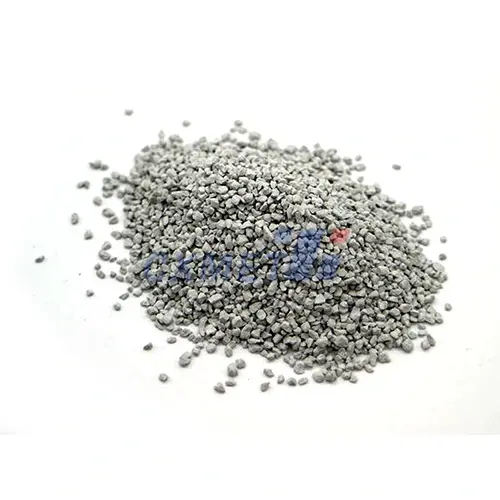
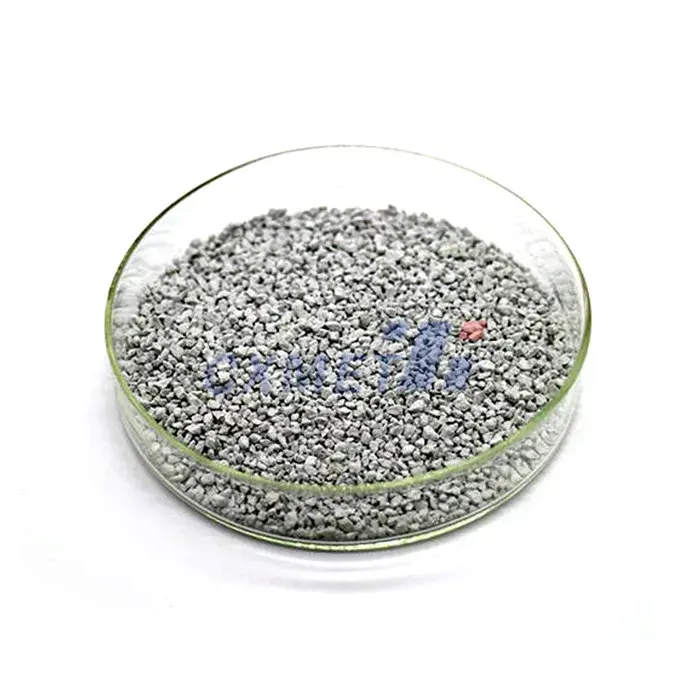
Defining Aggressive Targets in Hafnium Oxide HfO₂ Tablet Production
What Constitutes an Aggressive Production Target?
Making hafnium oxide HfO2 tablet batches is hard because there are a lot of technical requirements that need to be met at the same time. For semiconductor uses, purity levels higher than 99.9% are needed because even small amounts of contaminants can hurt device performance and cause it to fail early. To get reliable dielectric qualities and thermal behavior, the crystal structure needs to be carefully controlled. Cubic crystals are the most common type. A material density of 9.68 g/cm³ and a particle size distribution below 10 microns are two more features that affect how easy it is to process and how well it works in the end. Industry approvals, like ISO standards, make it possible to track products and make sure they are of good quality throughout the whole production process. These certifications help purchasing teams make sure that sellers follow regular procedures that can deliver materials that match technical data sheets and standards specific to the application.
Challenges Facing Producers
When manufacturers try to reach these lofty goals, they run into several problems. The first problem is that natural hafnium sources vary in how pure they are and what minor elements they contain. During the oxidation, hafnium oxide HfO2 tablet and sintering processes, the environment is very sensitive. This means that even small changes in temperature, atmosphere composition, or humidity can change the final qualities of the material. To stay profitable, you need to keep throughput high. But you also need to make sure that quality stays the same across big production batches. This creates practical tension that needs advanced process control. The way businesses buy things from each other is directly affected by these problems. Engineers and purchasing managers can figure out how capable and reliable a provider is by looking at how they handle these problems. This helps them choose materials for tough jobs in the electronics, oil and gas, chemical processing, and marine industries.
Core Causes Influencing the Ability to Reach Aggressive Targets
Raw Material Sourcing and Qualification
Choosing the right hafnium raw materials is the first step toward meeting ambitious output goals. Producers need to make sure that sellers meet strict requirements. These requirements should include checking not only the chemical purity of materials coming in, but also their physical properties and trace element profiles. Supplier dependability has a direct effect on how well a hafnium oxide HfO2 tablet works because inconsistent material leads to different final product specs. Leading producers test arriving materials in several steps, such as using spectroscopy to check the makeup, measuring the particle size distribution, and looking for possible contaminants. This earlier investment in material qualification stops problems during processing later on and lowers the risk of batch failures that can mess up supply lines.
Production Process Complexities
Several important steps are needed to turn raw hafnium into high-performance oxide pills. Metallic hafnium is changed into hafnium dioxide through an oxidation process that also controls the formation of certain crystal forms. During sintering, the powder is pressed together to make thick tablets with a uniform microstructure. This process needs precise temperature profiles and air control. The material is shaped to its final form while keeping its structural integrity during the forming process. At each stage, the working factors need to be carefully managed. Changes in temperature of just a few degrees during sintering can change how crystals grow and how insulating they are. During oxidation, the makeup of the air affects the amount of purity and the surface properties. Because these process factors depend on each other, setting high goals needs control systems that work together, not just optimizing one step at a time. The steps used for thermal treatment keep the qualities of the material stable and get rid of any leftover stresses that might affect how well it works in high-temperature situations. These steps after processing are especially important for tablets that will be used as thermal barrier coatings in airplane engines or in chemical processing areas where it is important for the tablets to keep their shape even when they are heated and cooled many times.
Quality Assurance Protocols
Production activities that run smoothly depend on quality control systems that cover a lot of areas. Real-time monitoring during production lets process deviations be found early, before they lead to material that doesn't meet standards. Statistical process control methods find patterns that could mean that equipment is moving or that raw materials are changing, which lets changes be made before they happen. The ability to analyze failures is just as important. When mistakes happen, a thorough study finds the reasons why and helps with fixing the problem. This pattern of ongoing improvement gradually tightens process control and lowers variability. This makes it easier for the maker to meet strict goals while hafnium oxide HfO2 tablet also improving yield for large-scale production.
Principles and Advanced Methods Employed to Meet Targets
Automation and Data-Driven Optimization
Modern producers depend more and more on technology to meet the strict output goals that require consistency. Automated material handling systems keep people from touching things too much and lower the risk of pollution during processing. Robotic systems move a hafnium oxide HfO2 tablet between steps of processing in controlled settings, keeping the uniformity that is needed for optical and semiconductor uses. Data analytics platforms use devices all along the production line to gather data that is then used to create complete process datasets. These systems keep track of changes in temperature, the make-up of the air, working times, and the flow of materials. This lets you do correlation analysis, which shows how process factors affect the quality of the final product. Over time, this information builds up and makes it possible to improve working recipes and control specifications more closely. Predictive models based on AI are the cutting edge of process improvement. Machine learning algorithms that have been taught on past production data can predict quality results based on how the process is running at the moment. This lets changes be made in real time that stop defects before they happen. Unusual patterns that could mean equipment problems or material differences are flagged by anomaly detection algorithms. This starts an investigation before the problems get worse.
Crystal Engineering Innovations
Hafnium oxide is useful for semiconductors because it has insulating qualities that depend on the crystal structure. Controlled doping methods make it possible to fine-tune the electrical properties to meet the needs of a particular device. Adding small amounts of carefully chosen elements changes the band gap and dielectric constant without changing how stable the material is at high temperatures or how well it resists chemicals. Controlling crystal growth during sintering affects the spread of grain sizes and the makeup of the phases. Not only do these microstructural traits affect electrical qualities, but they also affect how well heat moves through the material. To help crystals grow in the way that makers want them to, they use complex temperature profiles and atmospheric control techniques.
Environmental Controls and Safety Management
When high-purity materials are being processed, cleanrooms keep them safe from airborne contamination. Controlled atmosphere containers keep certain gas compositions during reacting steps, which stops reactions that aren't wanted from happening, like oxidation or reduction. Particulate filter systems and positive pressure differentials keep dust from getting in and introducing impurities. Tough control of safety data for dangerous chemicals used in processing makes sure that regulations are followed and protects worker safety. Chemical inventory, exposure tracking results, and trash disposal records can all be kept track of by documentation systems. This gives quality standards the traceability they need. These safety rules and limits for the surroundings protect both the integrity of the product and the long-term viability of the business.
Case Studies: Successful Handling of Aggressive Production Targets
Achieving Ultra-High Purity for Semiconductor Applications
A factory that makes semiconductors needed hafnium dioxide insulating layers with impurity levels below 10 ppm to keep devices from leaking and make sure they would work for a long time. The material provider put in place stricter rules for qualifying raw materials. As a result, feedstock that hafnium oxide HfO2 tablet met normal purity requirements but still had trace elements that were known to lower semiconductor performance was rejected. To improve the process, higher-purity refractories were added to sintering ovens, and inline spectroscopic tracking was put in place to check the makeup at different stages of production. The result was constant delivery of a hafnium oxide HfO2 tablet that was more than 99.9% pure and had trace element profiles that could be checked. The semiconductor company was able to meet their goal device yields and lower their field failure rates thanks to their careful source selection. This shows that the quality of the materials directly affects the performance of the final product.
Enhancing Dielectric Performance Through Process Optimization
To meet their energy density goals, an electronics company making the next generation of capacitors needed hafnium oxide with carefully controlled dielectric constants. The tablet provider worked closely with the customer's engineering team to fully understand the needs of the application and made planned changes to the process to improve the crystal structure and grain size distribution. Changes made included better temperature ramp rates during sintering and annealing processes after treatment that were meant to encourage certain crystal phases. Through capacitance testing and temperature coefficient analysis, iterative testing proved that the dielectric performance got better. The electronics company met product development goals thanks to the optimized material and gained a competitive edge through better component specs.
Reducing Lead Times Through Supply Chain Optimization
A company that makes materials for the optical coatings business had to cut project timelines without lowering the quality of the materials. The tablet seller solved this problem by making changes to the production schedule and managing their goods in a smart way. We found the best process batch sizes by balancing how quickly they could be set up with how easily they could be changed to fit different orders. To avoid delays in buying, important raw materials were kept in approved inventory. When production schedule software was put in place, it made it easier for all the steps of production to work together and gave customers a better idea of where their orders were at all times. Lead times went down by about 30% while quality standards stayed the same. This shows that operational excellence includes more than just the quality of the materials; it also includes timeliness and supply chain stability, which are important to B2B clients.
Summary of Strategies for Managing Aggressive Targets in HfO₂ Tablet Production
Managing production goals that are too high requires combining several strategic factors, which buying and engineering teams should look at when choosing providers. Consistent quality starts with building relationships with certified providers of raw materials. Making sure that all of the suppliers' certifications and auditing skills are checked helps keep the supply chain honest all the way through the material production chain. Quality problems can't happen when there are strict process rules and thorough testing methods in place. Specifications for buying things should make it clear that process controls, testing methods, and statistical quality data must be written down. It is possible to check that the materials provided meet both technical and legal requirements by looking at certificates of analysis, material safety data sheets, and RoHS compliance documents. With this unified method, purchasing teams can safely choose tablets that meet high performance standards and keep the supply chain strong. Knowing how sellers deal with tough deadlines changes material selection from a one-time purchase of a commodity to strategic sourcing that helps with product development and operating reliability.
Conclusion
To meet strict production goals for hafnium oxide HfO2 tablet batches, you need to be very good at finding raw materials, controlling the production process, and managing quality. The methods talked about, such as advanced robotics, data analytics, crystal engineering, and sterile manufacturing, are the most up-to-date and effective ways to meet strict requirements. Engineers and purchasing managers in the electronics, marine, oil and gas, chemical processing, power production, and oil and gas industries can get reliable, high-performance materials that are needed for important projects by working with makers who can show they can do these things. The technical difficulty of making these tablets shows how important it is to evaluate suppliers in a way that goes beyond just comparing prices. This means looking at how advanced their manufacturing systems are, how committed they are to quality control, and how committed they are to meeting bold growth goals.
FAQ
1. What purity levels are achievable in commercial hafnium oxide HfO2 tablet grades?
It is common for commercial hafnium oxide tablets to have purity values above 99.9%, and the best grades can hit 99.99% for use in semiconductors. The level of clarity that can be reached relies on the choice of raw materials, process controls during oxidation and sintering, and steps taken to avoid contamination. For each production batch, suppliers should give reports of analysis that show the real amounts of purity and trace element composition.
2. How do HfO2 tablets compare to zirconium oxide alternatives?
When used in certain ways, hafnium dioxide is clearly better than zirconium oxide. Because HfO2 has higher dielectric constants, it is better for semiconductor gate dielectrics and DRAM capacitors, where choosing the right material is based on how small they need to be. Hafnium oxide's higher density is also good for optical coatings that need to have certain refractive index properties. There are times when zirconium oxide might be a better value for money than hafnium when its special qualities are not needed. Material choice should be based on application needs, not personal tastes.
3. What are typical lead times and minimum order quantities for a hafnium oxide HfO2 tablet?
Lead times depend on the type of material, the size of the order, and the supplier's availability, but for standard grades, they are usually between four and eight weeks. Custom specs that need process improvement or extra testing may make deadlines longer. Minimum order amounts depend on the economics of the production batch, but for standard materials, they are usually around 10 kilograms. Early on in the procurement planning process, talking to sellers about specific needs helps set reasonable deadlines and find possible supply constraints.
Partner with CXMET for Superior Hafnium Oxide HfO2 Tablets
For more than 20 years, Shaanxi CXMET Technology Co., Ltd. has been hafnium oxide HfO2 tablet making high-performance non-ferrous materials, such as hafnium oxide HfO2 tablet units that always meet the strict requirements needed for tough industrial uses. Our fully integrated factory in China's Titanium Valley uses cutting-edge automation, continuous quality checks, and strict environmental controls to make tablets that are more than 99.9% pure, have particles that are all the same size (less than 10 microns), and are proven to meet international standards. As a reliable provider of hafnium oxide HfO2 tablets, we know the technical difficulties engineers face in making semiconductors, optical coating systems, heat barriers in space, and chemical processing settings. Our team of more than eighty professional experts offers personalized technical support based on the needs of your application, making sure that the properties of the materials meet your performance goals. CXMET provides the dependability, knowledge, and quick service that procurement managers value, whether you need standard specifications or custom alloy options for harsh circumstances. You can email our technical sales team at sales@cxmet.com to talk about your hafnium oxide needs, get full material specs, or get quotes from other companies for your next project. See what a difference it makes to get the high-performance materials your users need when the manufacturing is done well, and the service is focused on the customer.
References
1. Wilk, G.D., Wallace, R.M., and Anthony, J.M. (2001). "High-κ Gate Dielectrics: Current Status and Materials Properties Considerations," Journal of Applied Physics, Vol. 89, No. 10, pp. 5243-5275.
2. Robertson, J. (2006). "High Dielectric Constant Oxides," The European Physical Journal Applied Physics, Vol. 28, No. 3, pp. 265-291.
3. Zhao, X. and Vanderbilt, D. (2002). "First-Principles Study of Structural, Vibrational, and Lattice Dielectric Properties of Hafnium Oxide," Physical Review B, Vol. 65, No. 23, Article 233106.
4. Handbook of Refractory Compounds (2019). "Hafnium Oxide: Production, Properties and Applications," Materials Science Monographs, Vol. 42, Cambridge International Science Publishing.
5. International Technology Roadmap for Semiconductors (2015). "Process Integration, Devices, and Structures," Semiconductor Industry Association Technical Report.
6. Patil, S.K. and Khairnar, R.S. (2013). "Hafnium Oxide Thin Films: A Review of Deposition Techniques and Applications," Materials Science in Semiconductor Processing, Vol. 16, No. 6, pp. 2082-2090.