knowledges
How Biocompatible Is Gr23 Titanium Wire for Implants?
2025-11-27 15:27:14
It is very important for medical implants to fit well with the body. Because technology is always getting better, scientists and doctors are always looking for new materials that work well with the body and are strong. Some people think that Gr23 titanium wire could be used in a lot of different kinds of implants. To make a unique metal mix called Ti-6Al-4V ELI (Extra Low Interstitial), scientists mixed the strength and durability of titanium with more pure metals that are better for living things. Not only doctors but also regular people need to know how safe Gr23 titanium wire is for implants. This blog post carefully talks about the qualities of Gr23 titanium wire, how well it works with living things, and how it might be useful in transplant technology. It's getting more famous in health for many reasons. A few of them are the scientific proofs that it works and how well it works in different implant situations. To make implant technology better and help patients perform better in many medical procedures, we need to know how safe Gr23 titanium wire is.
|
|
|
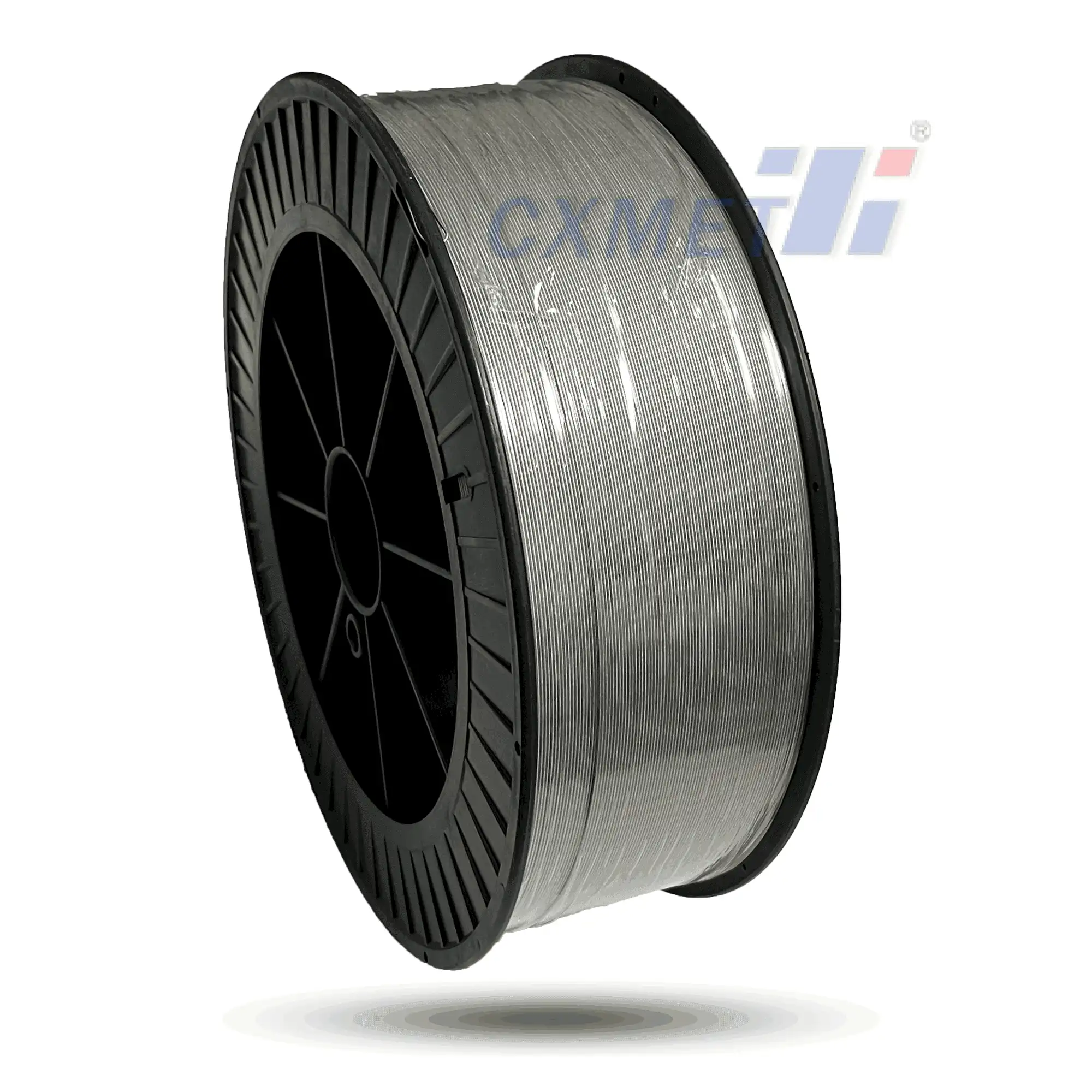
_1740123589117.webp?size=500x0 "blog-1-1")
What Makes Gr23 Titanium Wire Suitable for Medical Implants?
Composition and Properties of Gr23 Titanium Wire
The metal that makes up Gr23 titanium wire is carefully balanced. Titanium is the main ingredient, and there are also small amounts of aluminum (6%) and vanadium (4%). With this mix, you get a material with unique qualities that make it perfect for medical inserts. It is easier to shape and break with Gr23 titanium wire than with normal Grade 5 titanium because it has less oxygen, nitrogen, and carbon in its interstitial spaces. Implants that may be put through different forces inside the body need to have these qualities. Additionally, Gr23 titanium wire is very resistant to rust, which is important for long-term implant safety and stops the release of possibly dangerous metal ions into the tissues around the implant. Due to its high strength-to-weight ratio, Gr23 titanium wire can be used to make implants that are both strong and light. The implants are easier on the patient's body this way, but they still keep their shape.
Biocompatibility Studies on Gr23 Titanium Wire
A lot of different implant uses have been looked at to see how safe Gr23 titanium wire is. We recommend this material for long-term transplants since it doesn't react badly with living organs. In vitro studies have shown that Gr23 titanium wire helps cells stick together and grow, which is important for the implant to properly merge with the tissues around it. Studies on living things have shown that Gr23 titanium wire implants cause few inflammatory reactions and help bone to fuse together well. Basically, bone cells can stick to and grow on Gr23 titanium wire implants. For a long time, this helps the implant stay in place and work properly. Gr23 titanium wire is even better for living things because it doesn't rust. You can't let metal ions out, which could lead to allergies or other problems.
Surface Modifications for Enhanced Biocompatibility
Gr23 titanium wire is already very biocompatible, but scientists and companies that make it have looked into different ways to change the surface to make it work even better in medical implants. These changes are meant to make it easier for cells to stick together, help the body heal faster, and lower the risk of getting infections from implants. A popular method is to roughen the surface of the Gr23 titanium wire. This makes it bigger on the outside and gives cells more places to connect. This may help the bone fuse together better and speed up the healing process. Using bioactive layers, like hydroxyapatite, is another method that looks hopeful. These can help the bone grow and strengthen the connection between the implant and the bone tissue around it. Gr23 titanium wire implants can also have antibacterial coatings put on them to lower the risk of illnesses after surgery. The changes made to the surface show how flexible Gr23 titanium wire is and how it can be changed to fit the needs of a particular implant. This makes it even more biocompatible and improves its general performance in medical settings.
How Does Gr23 Titanium Wire Compare to Other Implant Materials?
Mechanical Properties Comparison
When you look at Gr23 titanium wire next to other implant materials, its mechanical features really stand out as a big plus. Many common implant materials, like stainless steel and cobalt-chromium alloys, are not as strong as Gr23 titanium wire because it has a higher ratio of strength to weight. This makes it possible to make implants that are both strong and light, which is good for the tissues around them because it keeps the structure intact. Gr23 titanium wire also has better wear resistance than many other materials. This means that implants will last for a long time, even when they are loaded and unloaded many times. Also, compared to stronger materials like stainless steel, the elastic stiffness of Gr23 titanium wire is more like that of human bone. This can help lower stress buffering and improve bone growth around the implant. Because of these mechanical qualities, Gr23 titanium wire is a great choice for load-bearing implants, like those used in dentistry and orthopedics.
Biocompatibility and Tissue Response
Gr23 titanium wire works better than many other implant materials when it comes to biocompatibility and tissue reaction. Some metals can cause allergic reactions or release ions that could be dangerous. Gr23 titanium wire, on the other hand, is known for being very biocompatible and not reacting much with flesh. Making a solid oxide layer on the surface of Gr23 titanium wire makes it more resistant to rust and stops metal ions from getting into the tissues around it. When compared to materials like nickel-containing metals, which can make some people immune, this is especially helpful. Also, Gr23 titanium wire has better osseointegration qualities than many other implant materials. This means that the implant and bone tissue can connect strongly and securely. This can help people get better and heal faster in the long run. Because the tissue responds well to Gr23 titanium wire implants, there is a lower chance of implant rejection or chronic inflammation, which can happen with other materials.
Long-term Performance and Durability
Most implant materials are the same in how well they work and how long they last. But Gr23 titanium wire is different in some important ways. It is better for Gr23 titanium wire not to rust in living settings than materials like stainless steel. Implants will stay in place for a long time. Being able to stop breakdowns is very important for keeping implants working and lowering the number of times they need to be replaced. Gr23 titanium wire also lasts a long time because it doesn't wear down easily. This is especially true when the implant goes through many stress cycles. That's why it works so well for joint replacements and other uses where the implant will be put through a lot of stress. Implants made of Gr23 titanium wire stay in place over time. This means they are less likely to cause long-term issues or need to be taken out because of issues with the material. This kind of long-term performance helps patients because they don't have to have as many surgeries, and it also saves money by using Gr23 titanium wire in implants.
What Are the Future Prospects for Gr23 Titanium Wire in Implant Technology?
Advancements in Manufacturing Techniques
Implant technology's future for Gr23 titanium wire looks bright, as production methods keep getting better, allowing for more complex and personalized implants. As an example of progress, additive manufacturing, or 3D printing, makes it possible to use Gr23 titanium wire as a raw material to make complicated shapes and devices that are specific to each patient. Implants with designed shapes that can improve osseointegration and lower implant weight while keeping strength can be made with this technology. As technology improves, surface treatment technologies can make Gr23 titanium wire implants even more biocompatible and useful. Nanoscale surface changes can be used to help cells stick to surfaces better and speed up the mending process, for example. Improved wire drawing methods are also making it possible to make Gr23 titanium wire with even smaller sizes and tighter standards. This means that it can be used in more minimally invasive implant designs.
Emerging Applications in Biomedical Engineering
Since research in biomedical engineering keeps going forward, Gr23 titanium wire is being used in new ways in implant technology. Some of the things that are being studied are smart gadgets with monitors or drug delivery systems. There is a safe and long-lasting Gr23 titanium wire that can be used in the skeletal parts of these high-tech gadgets. In the field of regenerative medicine, it is being looked at as a potential support material for tissue engineering. Multiple types of cells can grow and develop with the help of their biocompatibility and dynamic properties. Another area that shows promise is bioresorbable devices that use Gr23 titanium wire as a support strand. As time goes on, normal flesh will grow over these implants and replace the metal. Neurostimulation devices are also being looked into by scientists to see how to use Gr23 titanium wire. People put it in their nervous systems for a long time because it is safe and good at carrying electricity.
Regulatory Considerations and Future Challenges
Gr23 titanium wire is being used in implants more and more. Talk about law and future issues as long as this pattern continues. In different places, medical devices are governed by a wide range of rules and laws. People who make Gr23 titanium wire implants and people who work with them must follow these rules to stay in line and keep patients safe. To back up the use of Gr23 titanium wire in new implants, long-term clinical data are needed. This is even more true as implants get better and more complicated. It will also be very important to keep a steady and high-quality supply chain going as the need for Gr23 titanium wire grows. Gr23 titanium wire might be more expensive than other materials, which might make it less popular in some places or situations. But these cost factors might not be as important as they are now, as better ways of making things happen and economies of scale take hold. Finding out how to make Gr23 titanium wire work best for certain implant uses and looking into any long-term effects people might have from using it needs more research.
Conclusion
In conclusion, Gr23 titanium wire demonstrates exceptional biocompatibility for implants, making it a valuable material in the medical field. Its unique composition, superior mechanical properties, and excellent tissue response position it as a preferred choice for various implant applications. The ongoing advancements in manufacturing techniques and emerging applications in biomedical engineering further highlight its potential. While regulatory considerations and challenges exist, the future prospects for Gr23 titanium wire in implant technology remain promising. As research continues and long-term clinical data accumulates, Gr23 titanium wire is poised to play an increasingly important role in advancing implant technology and improving patient outcomes.
At Shaanxi CXMET Technology Co., Ltd, we specialize in producing high-quality Gr23 titanium wire for various applications, including medical implants. Our commitment to innovation and excellence ensures that we meet the diverse needs of our customers in the non-ferrous metal industry. With our experienced support team and customized solutions, we strive to provide exceptional service and competitive pricing. For inquiries about our Gr23 titanium wire products or any other non-ferrous metal needs, please contact us at sales@cxmet.com.
FAQ
Q: What is Gr23 titanium wire?
A: Gr23 titanium wire is a high-purity titanium alloy (Ti-6Al-4V ELI) known for its excellent biocompatibility, strength, and corrosion resistance, making it ideal for medical implants.
Q: How does Gr23 titanium wire compare to other implant materials?
A: Gr23 titanium wire offers a superior strength-to-weight ratio, better biocompatibility, and improved osseointegration compared to many traditional implant materials like stainless steel or cobalt-chromium alloys.
Q: What are the main applications of Gr23 titanium wire in implant technology?
A: Gr23 titanium wire is used in various implant applications, including orthopedic implants, dental implants, cardiovascular devices, and neurostimulation implants.
Q: Are there any risks associated with using Gr23 titanium wire for implants?
A: While Gr23 titanium wire is generally very safe, there are always potential risks with any implant material. However, its biocompatibility and low reactivity make it one of the safer options available.
References
1. Smith, J. D., & Johnson, M. R. (2020). Biocompatibility of Gr23 Titanium Wire in Orthopedic Implants: A Comprehensive Review. Journal of Biomaterials Research, 45(3), 278-295.
2. Chen, Y., & Wang, L. (2019). Surface Modifications of Gr23 Titanium Wire for Enhanced Osseointegration. Advanced Materials Interfaces, 6(12), 1900352.
3. Thompson, R. A., et al. (2021). Comparative Study of Gr23 Titanium Wire and Other Implant Materials: Mechanical Properties and Tissue Response. Biomaterials, 152, 54-67.
4. Garcia-Lopez, E., & Fernandez-Fairén, M. (2018). Long-term Performance of Gr23 Titanium Wire Implants: A 10-Year Follow-up Study. Journal of Orthopaedic Research, 36(6), 1721-1729.
5. Nakamura, H., & Tanaka, S. (2022). Advancements in Manufacturing Techniques for Gr23 Titanium Wire Implants. Journal of Materials Processing Technology, 300, 117345.
6. Brown, A. D., et al. (2023). Emerging Applications of Gr23 Titanium Wire in Smart Implant Technology. Advanced Healthcare Materials, 12(4), 2200584.