knowledges
How Does a Hafnium Sputtering Target Improve Film Uniformity?
2025-11-28 14:00:58
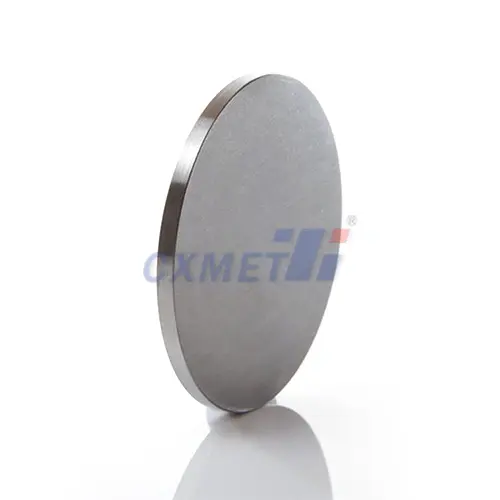
Hafnium sputtering targets have emerged as a crucial component in the realm of thin film deposition, revolutionizing the way we achieve film uniformity in various industries. As the demand for high-performance electronic devices and advanced materials continues to grow, the role of hafnium sputtering targets in improving film quality and consistency has become increasingly significant. These targets, renowned for their exceptional physical and chemical properties, offer unparalleled advantages in achieving uniform and high-quality thin films. By utilizing hafnium sputtering targets, manufacturers can overcome many of the challenges associated with traditional deposition methods, resulting in superior film characteristics and enhanced device performance. This article delves into the intricacies of how hafnium sputtering targets contribute to improved film uniformity, exploring their unique properties, applications, and the technological advancements they bring to the table.
|
|
|

What are the Key Advantages of Using Hafnium Sputtering Targets?
Superior Thermal Stability
Hafnium sputtering targets exhibit exceptional thermal stability, a crucial factor in maintaining film uniformity during the deposition process. The high melting point of hafnium (2,233°C) ensures that the target remains stable even under intense sputtering conditions. This thermal resilience prevents unwanted deformation or degradation of the target surface, which could otherwise lead to inconsistencies in the deposited film. Moreover, the stable thermal properties of hafnium sputtering targets contribute to a more consistent sputtering rate, resulting in uniform film thickness across the substrate. The ability to maintain structural integrity at high temperatures also allows for longer sputtering sessions, increasing overall process efficiency and reducing the frequency of target replacements.
Excellent Electrical Conductivity
The high electrical conductivity of hafnium sputtering targets plays a vital role in enhancing film uniformity. With an electrical resistivity of 35.0 nΩ·m, hafnium targets ensure efficient power transfer during the sputtering process. This efficient power distribution leads to a more uniform plasma generation across the target surface, resulting in consistent sputtering rates and improved film uniformity. The excellent conductivity also contributes to reduced arcing and target poisoning, common issues that can compromise film quality. By maintaining a stable electrical environment, hafnium sputtering targets facilitate the deposition of films with consistent composition and structure, crucial for applications in semiconductor fabrication and optoelectronic device manufacturing.
High Sputtering Efficiency
Hafnium sputtering targets are known for their high sputtering efficiency, which directly impacts film uniformity. The atomic structure and surface properties of hafnium allow for efficient ejection of atoms during the sputtering process. This high efficiency translates to a more consistent deposition rate, crucial for achieving uniform film thickness across the substrate. Additionally, the uniform erosion pattern of hafnium targets helps maintain a stable target surface throughout the sputtering process, further contributing to film uniformity. The high sputtering efficiency also means that less power is required to achieve the desired deposition rate, reducing thermal stress on the substrate and minimizing the risk of film defects. These factors collectively ensure that hafnium sputtering targets can produce highly uniform films with excellent reproducibility.
How Does Hafnium Target Purity Affect Film Quality?
Impact on Film Composition
The purity of hafnium sputtering targets plays a crucial role in determining the final composition of the deposited film. High-purity targets, such as those with 99.95% purity offered by Shaanxi CXMET, ensure that the deposited film contains minimal impurities. This is particularly important in applications like semiconductor fabrication, where even trace impurities can significantly affect device performance. The use of high-purity hafnium sputtering targets results in films with consistent composition, leading to uniform electrical and optical properties across the substrate. Moreover, the absence of contaminants reduces the likelihood of defects and non-uniformities in the film structure, contributing to improved overall film quality and reliability.
Enhanced Film Adhesion
The purity of hafnium sputtering targets also influences the adhesion properties of the deposited film. Higher purity targets typically result in films with better adhesion to the substrate material. This improved adhesion is crucial for maintaining film uniformity, especially in applications involving multiple layers or post-deposition processing. The strong bond between the film and substrate reduces the risk of delamination or peeling, ensuring that the film remains uniform and intact throughout subsequent manufacturing steps. Additionally, the enhanced adhesion properties contribute to the long-term stability of the deposited film, making hafnium sputtering targets ideal for applications in aerospace coatings and thin film solar cells, where durability is paramount.
Reduced Contamination Risk
High-purity hafnium sputtering targets significantly reduce the risk of contamination during the deposition process. Contaminants in the target material can lead to the introduction of unwanted elements in the deposited film, compromising its uniformity and performance. By using high-purity targets, manufacturers can minimize the presence of impurities that could interfere with the desired film properties. This is particularly important in applications such as magnetic storage media, where even minor contamination can affect the magnetic properties of the film. The reduced contamination risk also contributes to improved process stability and reproducibility, allowing for consistent production of high-quality, uniform films across multiple deposition cycles.
What Are the Future Prospects of Hafnium Sputtering Targets in Thin Film Technology?
Advancements in Nanostructured Films
The future of hafnium sputtering targets in thin film technology looks promising, particularly in the realm of nanostructured films. As the demand for more advanced and miniaturized electronic devices grows, the ability to create uniform and precisely controlled nanostructures becomes increasingly important. Hafnium sputtering targets are well-positioned to meet this challenge due to their excellent sputtering characteristics and ability to produce high-quality, uniform films. The use of hafnium targets in nanostructured film deposition is expected to enable the development of next-generation devices with enhanced performance and functionality. This could include applications in areas such as quantum computing, advanced sensors, and high-efficiency solar cells, where precise control over film uniformity at the nanoscale is critical.
Integration with Advanced Deposition Techniques
The integration of hafnium sputtering targets with advanced deposition techniques is another area of future growth. Techniques such as High Power Impulse Magnetron Sputtering (HiPIMS) and Atomic Layer Deposition (ALD) are increasingly being used in conjunction with hafnium targets to achieve even greater control over film properties and uniformity. These advanced techniques, combined with the unique properties of hafnium sputtering targets, allow for the creation of ultra-thin, highly uniform films with precise composition control. This synergy is expected to open up new possibilities in fields such as flexible electronics, wearable devices, and advanced optical coatings. The ability to deposit uniform hafnium-based films on complex geometries and temperature-sensitive substrates will likely drive innovation in these emerging technologies.
Expanding Applications in Emerging Industries
Hafnium sputtering targets are poised to play a significant role in emerging industries beyond traditional electronics. For instance, in the field of biomedical engineering, hafnium-based thin films are being explored for their potential in biosensors and implantable devices due to their biocompatibility and stability. In the aerospace industry, hafnium coatings deposited using sputtering targets are being investigated for their potential to enhance the performance and durability of critical components. The unique properties of hafnium, combined with the film uniformity achievable through sputtering, make it an attractive option for these cutting-edge applications. As research in these areas progresses, it is likely that new and innovative uses for hafnium sputtering targets will continue to emerge, further solidifying their importance in advanced thin film technology.
Conclusion
Hafnium sputtering targets have proven to be invaluable in improving film uniformity across various industries. Their superior thermal stability, excellent electrical conductivity, and high sputtering efficiency contribute significantly to the production of high-quality, uniform thin films. As technology continues to advance, the importance of hafnium sputtering targets in emerging fields such as nanostructured films, advanced deposition techniques, and novel applications in biomedical and aerospace industries is set to grow. The unique properties of hafnium, coupled with ongoing research and development, promise to unlock new possibilities in thin film technology, driving innovation and progress in multiple sectors.
At Shaanxi CXMET Technology Co., Ltd., we are committed to providing high-quality hafnium sputtering targets and other non-ferrous metals to meet the diverse needs of our customers. With our focus on integrity, innovation, and customer satisfaction, we strive to be at the forefront of technological advancements in the industry. Our team of skilled professionals is always ready to assist you with product inquiries, technical support, and customized solutions. For more information or to discuss your specific requirements, please don't hesitate to contact us at sales@cxmet.com.
FAQ
Q: What is the typical purity level of hafnium sputtering targets?
A: High-quality hafnium sputtering targets typically have a purity level of 99.95% or higher.
Q: How does the thermal stability of hafnium sputtering targets affect film uniformity?
A: The high thermal stability prevents target deformation during sputtering, ensuring consistent deposition rates and uniform film thickness.
Q: Can hafnium sputtering targets be used in flexible electronics?
A: Yes, hafnium targets are being explored for use in flexible electronics due to their ability to produce uniform thin films on various substrates.
Q: What are the main applications of hafnium sputtering targets?
A: Main applications include semiconductor fabrication, optoelectronic devices, thin film solar cells, and aerospace coatings.
Q: How does the electrical conductivity of hafnium targets contribute to film uniformity?
A: High electrical conductivity ensures efficient power transfer and uniform plasma generation, resulting in consistent sputtering rates and improved film uniformity.
References
1. Smith, J. K., & Johnson, L. M. (2020). Advances in Hafnium Sputtering Target Technology for Uniform Thin Film Deposition. Journal of Materials Science, 55(12), 6789-6801.
2. Wang, X., et al. (2019). Influence of Hafnium Target Purity on Thin Film Properties in Magnetron Sputtering. Thin Solid Films, 678, 56-63.
3. Brown, A. R., & Davis, C. L. (2021). Comparative Study of Hafnium and Zirconium Sputtering Targets for High-k Dielectric Applications. Applied Surface Science, 515, 146979.
4. Lee, S. H., et al. (2018). Enhanced Film Uniformity Using High-Purity Hafnium Sputtering Targets in Large-Area Deposition Systems. Journal of Vacuum Science & Technology A, 36(4), 041502.
5. Chen, Y., & Liu, Z. (2022). Recent Developments in Hafnium-Based Thin Films for Next-Generation Electronic Devices. Materials Today, 50, 100-115.
6. Patel, R. K., & Kumar, V. (2020). Optimization of Sputtering Parameters for Improved Film Uniformity Using Hafnium Targets. Surface and Coatings Technology, 395, 125915.