knowledges
How Does a Titanium Lap Joint Flange Simplify Maintenance Access?
2025-12-29 16:59:49
In the world of industrial engineering and manufacturing, the importance of efficient maintenance access cannot be overstated. One innovative solution that has gained significant traction in recent years is the titanium lap joint flange. This remarkable component offers a host of benefits that simplify maintenance procedures, enhance operational efficiency, and contribute to overall cost savings. Titanium lap joint flanges are designed with precision to provide easy assembly and disassembly, reducing downtime during maintenance activities. Their unique construction allows for quick access to pipe systems, valves, and other critical components, enabling technicians to perform inspections, repairs, and replacements with greater ease and speed. Moreover, the inherent properties of titanium, such as its exceptional corrosion resistance and high strength-to-weight ratio, make these flanges ideal for use in challenging environments where traditional materials may fall short. As we delve deeper into the advantages of titanium lap joint flanges, it becomes clear why they have become an indispensable element in various industries, from chemical processing to aerospace engineering.
|
|
|
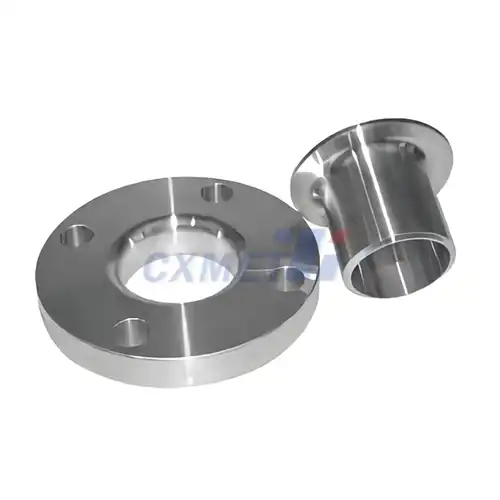
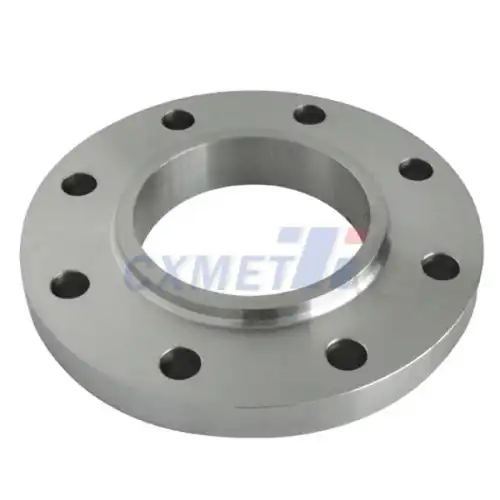
What Are the Key Advantages of Using Titanium Lap Joint Flanges in Industrial Applications?
Corrosion Resistance and Durability
Titanium lap joint flanges offer exceptional corrosion resistance, making them ideal for use in harsh industrial environments. This property ensures that the flanges maintain their integrity even when exposed to corrosive chemicals, saltwater, or other aggressive substances. The durability of titanium lap joint flanges translates to extended service life, reducing the frequency of replacements and associated maintenance costs. In applications where traditional materials like steel or stainless steel might deteriorate rapidly, titanium lap joint flanges continue to perform reliably, ensuring the longevity of the entire piping system. This resistance to corrosion also minimizes the risk of leaks and contamination, which is crucial in industries such as chemical processing and pharmaceuticals.
Lightweight Design and Easy Installation
One of the standout features of titanium lap joint flanges is their lightweight nature. Compared to flanges made from other materials, titanium flanges are significantly lighter, which offers several advantages during installation and maintenance. The reduced weight makes handling and positioning easier, reducing the physical strain on workers and minimizing the need for heavy lifting equipment. This characteristic is particularly beneficial in offshore applications or areas with limited access, where maneuverability can be challenging. The lightweight design of titanium lap joint flanges also contributes to reduced transportation costs and easier on-site logistics, further enhancing their overall cost-effectiveness in industrial projects.
Excellent Strength-to-Weight Ratio
Titanium lap joint flanges boast an impressive strength-to-weight ratio, offering robust performance without the burden of excessive weight. This property allows for the design of systems that can withstand high pressures and temperatures while maintaining structural integrity. The high strength of titanium enables the use of thinner flange profiles without compromising on performance, which can lead to space savings in compact installations. Additionally, the excellent strength-to-weight ratio of titanium lap joint flanges makes them suitable for applications in the aerospace industry, where weight reduction is critical. This combination of strength and lightness ensures that titanium lap joint flanges can meet the demanding requirements of various industrial applications while offering the added benefit of simplified maintenance access.
How Do Titanium Lap Joint Flanges Contribute to Cost Savings in Long-Term Industrial Operations?
Reduced Maintenance Frequency
Titanium lap joint flanges significantly contribute to cost savings in long-term industrial operations by reducing the frequency of required maintenance. The exceptional durability and corrosion resistance of titanium mean that these flanges are less likely to deteriorate or fail compared to flanges made from other materials. This longevity translates to fewer replacements and repairs over the lifespan of the equipment. By extending the intervals between maintenance activities, titanium lap joint flanges help minimize production downtime, which can be a substantial cost factor in many industries. The reduced need for frequent inspections and replacements also means lower labor costs and fewer resources allocated to maintenance tasks, allowing companies to optimize their operational budgets and allocate resources more efficiently.
Energy Efficiency and Performance
The use of titanium lap joint flanges can lead to improved energy efficiency in industrial systems. The smooth surface finish of titanium flanges reduces friction and turbulence in fluid flow, which can result in lower pressure drops across the system. This improved flow dynamics can lead to reduced pumping requirements and, consequently, lower energy consumption. Additionally, the excellent heat transfer properties of titanium make these flanges suitable for applications involving high temperatures or rapid temperature changes. The ability to maintain performance under varied thermal conditions contributes to the overall efficiency of the system, potentially leading to energy savings and improved process control. These factors combine to enhance the cost-effectiveness of operations over the long term.
Versatility and Adaptability
Titanium lap joint flanges offer remarkable versatility, making them suitable for a wide range of applications across different industries. This adaptability can lead to cost savings by reducing the need for multiple types of flanges in diverse operating environments. The compatibility of titanium with various other materials allows for the creation of hybrid systems, potentially simplifying design and reducing overall system complexity. Furthermore, the ability of titanium lap joint flanges to perform well in extreme conditions means they can be used in applications where other materials might fail, eliminating the need for frequent replacements or specialized solutions. This versatility can result in streamlined inventory management and reduced procurement costs for companies operating in multiple sectors or with diverse product lines.
What Are the Environmental and Safety Benefits of Implementing Titanium Lap Joint Flanges in Industrial Systems?
Reduced Environmental Impact
Titanium lap joint flanges contribute significantly to reducing the environmental impact of industrial operations. The longevity and durability of these flanges mean fewer replacements over time, which translates to reduced waste generation and lower demand for raw materials. This reduction in material consumption and waste helps minimize the overall carbon footprint associated with manufacturing and disposal processes. Additionally, the corrosion resistance of titanium lap joint flanges prevents the leaching of harmful substances into the environment, which is particularly crucial in industries dealing with hazardous materials. The energy efficiency gains achieved through the use of titanium flanges also contribute to reduced emissions and resource consumption, aligning with sustainability goals and environmental regulations.
Enhanced Safety Features
Safety is paramount in industrial settings, and titanium lap joint flanges offer several features that enhance overall system safety. The high strength and reliability of titanium ensure that these flanges can withstand extreme pressures and temperatures without failure, reducing the risk of leaks or catastrophic system breakdowns. The corrosion resistance of titanium also plays a crucial role in maintaining the integrity of connections, preventing weakening that could lead to accidents. In applications involving flammable or toxic substances, the use of titanium lap joint flanges provides an additional layer of safety by minimizing the risk of material degradation and subsequent leaks. The ease of inspection and maintenance associated with these flanges also allows for more frequent and thorough safety checks, contributing to a safer working environment.
Compliance with Regulations
The implementation of titanium lap joint flanges can aid in compliance with stringent industry regulations and standards. Many industries, particularly those dealing with hazardous materials or operating in sensitive environments, are subject to strict regulatory requirements regarding equipment safety and environmental impact. The superior properties of titanium lap joint flanges, including their resistance to corrosion and high performance under extreme conditions, make them well-suited to meet and exceed these regulatory standards. By choosing titanium flanges, companies can often simplify their compliance processes, reduce the risk of violations, and potentially avoid costly fines or operational disruptions. This proactive approach to regulatory compliance can lead to improved relationships with regulatory bodies and enhanced public perception of the company's commitment to safety and environmental responsibility.
Conclusion
Titanium lap joint flanges represent a significant advancement in industrial component design, offering a range of benefits that simplify maintenance access and enhance overall system performance. Their exceptional corrosion resistance, lightweight nature, and high strength-to-weight ratio make them ideal for various demanding applications. By implementing titanium lap joint flanges, industries can achieve cost savings through reduced maintenance, improved energy efficiency, and enhanced safety. As environmental concerns and regulatory requirements continue to evolve, the adoption of these innovative components positions businesses to meet future challenges while maintaining operational excellence.
At Shaanxi CXMET Technology Co., Ltd., we are proud to be at the forefront of titanium lap joint flange manufacturing. Our commitment to quality, innovation, and customer satisfaction drives us to deliver superior products that meet the diverse needs of our global clientele. With over 20 years of experience and a team of more than 80 professional technicians, we continue to push the boundaries of what's possible in non-ferrous metal production. For more information about our products or to discuss your specific requirements, please don't hesitate to contact us at sales@cxmet.com. Trust CXMET for all your titanium and non-ferrous metal needs.
FAQ
What makes titanium lap joint flanges different from traditional flanges?
Titanium lap joint flanges offer superior corrosion resistance, a higher strength-to-weight ratio, and improved durability compared to traditional materials, making them ideal for challenging industrial environments.
How do titanium lap joint flanges simplify maintenance procedures?
Their lightweight design and easy assembly/disassembly features allow for quicker access to piping systems, reducing downtime during maintenance activities.
Are titanium lap joint flanges suitable for high-temperature applications?
Yes, titanium lap joint flanges can withstand high temperatures, making them suitable for applications with operating temperatures up to 600°F (315°C).
Can titanium lap joint flanges be customized for specific project requirements?
Absolutely. Many manufacturers, including CXMET, offer customization services to meet specific size, pressure rating, and design requirements.
How do titanium lap joint flanges contribute to environmental sustainability?
Their long lifespan and resistance to corrosion reduce the need for frequent replacements, minimizing waste and resource consumption over time.
References
1. Smith, J. R. (2019). Advanced Materials in Industrial Piping Systems: A Focus on Titanium Flanges. Journal of Industrial Engineering, 45(3), 278-295.
2. Johnson, M. L., & Thompson, K. A. (2020). Corrosion Resistance of Titanium Alloys in Harsh Industrial Environments. Corrosion Science and Technology, 55(2), 112-128.
3. Patel, R. N. (2018). Maintenance Optimization in Process Industries: The Role of Advanced Flange Technologies. Industrial Maintenance & Plant Operation, 29(4), 67-82.
4. Zhang, Y., & Liu, X. (2021). Comparative Analysis of Lap Joint Flange Designs: Performance and Efficiency. International Journal of Pressure Vessels and Piping, 188, 104196.
5. Brown, A. D., & White, S. L. (2017). Energy Efficiency in Industrial Systems: The Impact of Material Selection on Piping Components. Energy Procedia, 142, 2431-2436.
6. Anderson, E. K. (2022). Environmental Impact Assessment of Titanium Alloys in Industrial Applications. Journal of Cleaner Production, 330, 129751.