knowledges
How Does an MMO Ribbon Anode Perform in Seawater or Soil?
2026-03-19 11:26:59
MMO Ribbon Anode demonstrates exceptional performance in both seawater and soil environments through its advanced mixed metal oxide coating technology. These specialized cathodic protection systems deliver reliable corrosion resistance by maintaining stable electrochemical output even under aggressive conditions. The titanium substrate foundation, combined with IrO2/Ta2O5 coating layers, enables consistent current distribution while resisting chloride attack and maintaining structural integrity across diverse marine and underground applications for extended operational periods.
|
|
|
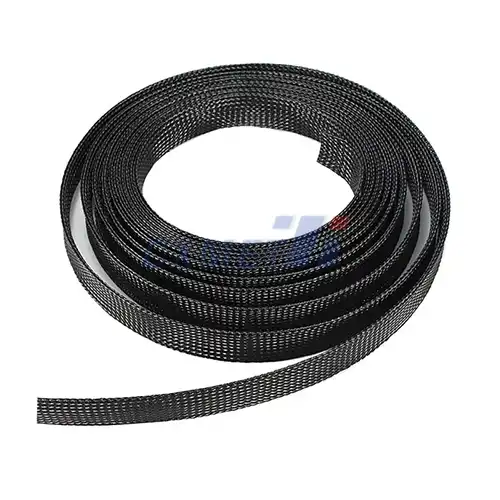

Understanding MMO Ribbon Anodes and Their Role in Corrosion Protection
Mixed metal oxide ribbon anodes represent a revolutionary advancement in cathodic protection technology, specifically engineered to safeguard critical infrastructure from electrochemical corrosion. These sophisticated components combine titanium substrate durability with catalytic coating excellence, creating a comprehensive defense system against environmental degradation.
Composition and Structure of Modern MMO Technology
ASTM B265 Grade 1/2 titanium substrates are the building blocks of a good ribbon anode design. These substrates are very strong mechanically and naturally prevent corrosion. The ribbon shape makes the most of the surface area contact while still allowing for flexible fitting in a wide range of shapes. Through controlled cutting processes, the surface of this titanium base is treated in a special way to make coatings stick better.The mixed metal oxide layer is usually made up of mixtures of iridium oxide (IrO2) and tantalum pentoxide (Ta2O5), which are put on using precise coating methods. When the pH changes, these noble metal oxides keep their chemical stability while making highly conductive paths for electron transfer. The layer is more than 2μm thick all over the ribbon's surface, so the performance will be the same every time.
Electrochemical Protection Mechanisms
Ribbon anode-based cathodic protection systems work with impressed current methods, where managed electrical energy sends protective current to metal structures that are at risk. The anode is where the current flows, making an electrochemical cell that changes the protected structure's potential to immune levels on the Pourbaix diagram. Depending on the chemistry of the surroundings, the mixed metal oxide coating helps oxygen and chlorine evolve at the anode surface while it is in use. It takes electricity to power these processes, and the stable oxide matrix keeps the anode intact. The ribbon shape spreads current evenly over large areas, reducing possible differences that could lead to localised corrosion cells.
Performance Analysis of MMO Ribbon Anodes in Seawater and Soil
Environmental performance evaluation reveals MMO Ribbon Anode distinct operational characteristics between marine and terrestrial applications. Seawater environments present high conductivity conditions with elevated chloride concentrations, while soil conditions vary significantly based on moisture content, pH levels, and chemical composition.
Marine Environment Performance Characteristics
Electrolytes in seawater naturally conduct electricity well, which makes it easy for current to flow through covered structures. The environment is full of chlorides, which helps keep the electrochemical processes stable at the anode surface. The main anodic reaction is chlorine evolution. Studies in the field show that wear rates are between 1 and 6 mg/year in normal marine settings. This means that the products are very durable and can be used for a long time. Changes in temperature in marine settings have an effect on the speed of reactions and the performance of anodes. In general, higher temperatures make response rates and current efficiency better. On the other hand, voltage may need to be changed at lower temperatures to keep protective current levels the same. The strong coating adhesion keeps the layers from coming apart when temperatures change, which is common in marine uses.
Soil Environment Operational Effectiveness
Soil resistivity can be less than 100 ohm-cm in wet clay and over 10,000 ohm-cm in dry sand, so conditions for sites on land are more variable. The right backfill materials are very important for getting the best performance. Compounds of gypsum and sodium sulphate improve current flow and lower local resistance. Soil pH has a big effect on how long an anode lasts and how well it works. In acidic settings, coatings may dissolve faster, while in alkaline ones, passivation effects may be stronger. The mixed metal oxide layer is very stable across pH levels from 2 to 12, and it keeps its catalytic activity even when the soil chemistry changes.
Comparative Analysis with Alternative Technologies
When evaluated against traditional graphite anodes, ribbon configurations demonstrate superior current density capabilities and extended service life. Graphite anodes typically exhibit consumption rates of 0.5-1 kg per ampere-year, while MMO ribbon systems maintain structural integrity with minimal mass loss over equivalent periods. The flexible ribbon design offers installation advantages over rigid anode systems, particularly in retrofitting existing structures or navigating complex geometries. This adaptability reduces installation costs and enables the protection of previously inaccessible areas.
Installation and Maintenance Best Practices for Optimal Performance
Successful ribbon anode implementation requires careful attention to installation parameters and ongoing monitoring protocols. Proper installation techniques directly influence system longevity and protection effectiveness across the operational lifespan.
Pre-Installation Planning and Site Assessment
Site characterization should include soil resistivity measurements, groundwater chemistry analysis, and existing structure condition evaluation. These parameters inform backfill selection, spacing requirements, and electrical design considerations. Environmental factors such as stray current interference and seasonal variations must be incorporated into system design.
Installation Procedures and Technical Considerations
Ribbon anode installation begins with precise excavation MMO Ribbon Anode and backfill preparation. The backfill mixture, typically containing gypsum and sodium sulfate, creates a stable electrochemical environment around the anode. Connection intervals should not exceed 305 meters along extended installations to prevent resistance accumulation and ensure uniform current distribution. Electrical connections require corrosion-resistant materials and proper sealing to prevent moisture ingress. Titanium connection strips, welded using specialized techniques, provide reliable current collection while maintaining system integrity. All connections must be accessible for future maintenance while remaining protected from environmental exposure.
Monitoring and Maintenance Strategies
Regular potential measurements verify protective current distribution and identify potential system degradation. Remote monitoring systems enable continuous data collection, providing early warning of performance changes or equipment failures. Annual inspections should include visual examination of accessible components and electrical continuity testing. Maintenance requirements remain minimal due to the inherent stability of mixed metal oxide coatings. However, backfill conditions may require periodic evaluation, particularly in areas subject to groundwater fluctuations or chemical changes.
Comparing MMO Ribbon Anodes with Alternative Anode Technologies
The cathodic protection market offers various anode technologies, each with distinct advantages and limitations. Understanding these differences enables informed selection based on specific application requirements and economic considerations.
Performance Comparison Across Anode Types
Traditional graphite anodes provide cost-effective protection for many applications but suffer from mechanical fragility and consumption-based limitations. Consumption rates of 0.5-1 kg/A·year require periodic replacement, increasing long-term operational costs. Additionally, graphite installations may create alkaline conditions that could affect certain protected structures. High silicon iron anodes offer moderate performance with consumption rates around 0.5 kg/A·year, making them suitable for soil applications with moderate current requirements. However, their performance degrades in high-chloride environments, limiting marine applications.MMO ribbon anodes demonstrate superior performance metrics with consumption rates of 1-6 mg/A·year, representing a significant improvement over consumable alternatives. The stable oxide coating maintains catalytic activity throughout the operational lifespan, eliminating replacement requirements for properly designed systems.
Economic Analysis and Lifecycle Considerations
Initial investment costs for MMO ribbon systems exceed traditional alternatives, but lifecycle analysis reveals significant economic advantages. The elimination of replacement cycles reduces operational disruption and maintenance costs. Additionally, the higher current density capabilities of MMO systems often enable reduced anode quantities, offsetting initial cost differences. Reliability considerations favor MMO technology for critical applications where a protection system failure could result in catastrophic consequences. The predictable performance characteristics and extended lifespan provide operational security for essential infrastructure protection.
Procurement Insights: How to Source MMO Ribbon Anodes Effectively
Strategic procurement of cathodic protection components requires an understanding of technical specifications, supplier capabilities, and market dynamics. Effective sourcing balances quality requirements MMO Ribbon Anode with cost considerations while ensuring reliable supply chain performance.
Technical Specification Development
In the procurement specs, the substrate materials, coating composition, size requirements, and performance standards should all be spelled out. ASTM standards set minimum conditions for the properties of titanium substrates and coatings. Conditions in the environment and the projected service life determine the thickness and make-up of the coating. Coating adhesion tests, conductivity verification, and dimensional inspection should all be part of quality assurance processes. For important uses or to check what the supplier says about performance characteristics, third-party testing may be needed.
Supplier Evaluation and Selection Criteria
When evaluating a supplier, you should look at their manufacturing skills, quality control methods, and technical support services. For big projects or important uses, it may be necessary to inspect the production site. Experience with similar applications and references from similar projects can tell you a lot about a supplier's performance skills. Shipping prices and delivery times are affected by where the goods are shipped, especially when they are made to order or in large quantities. Suppliers who can deliver goods in a certain area may be more helpful for ongoing support and new needs that come up suddenly.
CXMET's Advanced MMO Ribbon Anode Solutions
Shaanxi CXMET Technology Co., Ltd. stands at the forefront of cathodic protection innovation, leveraging over two decades of specialized experience in non-ferrous metal applications. Our comprehensive approach combines advanced materials science with practical engineering solutions to deliver superior protection systems for demanding environments.
Manufacturing Excellence and Quality Assurance
Our 50,000-square-meter, state-of-the-art production plant is in China's famous "Titanium Valley," which gives us access to high-quality raw materials and specialised processing tools. The multi-step production process starts with prepping the ASTM B265 Grade I/II titanium substrate. Next, the surface is precisely treated to improve the adhesion of the coating. For the special coating application process, controlled atmosphere ovens are used for heat treatment. This makes sure that the IrO2/Ta2O5 is spread out evenly across the ribbon's surface. Several coating cycles are needed to get the right thickness of the MMO Ribbon Anode and catalytic activity. Precise welding methods are used to attach conductive titanium strips for a secure electrical link.
Customization Capabilities and Technical Support
The tech team at CXMET works closely with clients to create custom solutions that meet the needs of each application. Our manufacturing capabilities are flexible enough to handle different ribbon sizes, coating types, and packaging layouts to meet the needs of a wide range of projects. Technical support that covers everything includes help with system design, installation, and ongoing performance tracking. With over 80 skilled technicians with experience in a wide range of industries, we can make sure that your system works at its best for as long as it's in use. This dedication to customer satisfaction has been praised in the oil, chemical, power production, and marine industries.
Conclusion
MMO ribbon anodes work very well in both salt water and soil because they use modern mixed metal oxide technology and strong titanium substrates. Because they are more resistant to corrosion, last longer, and can be installed in a variety of ways, these systems are perfect for protecting important infrastructure in a wide range of situations. The best performance is achieved with proper installation, the right backfill materials, and regular monitoring. The low maintenance needs give it long-term benefits over traditional anode technologies.
FAQ
1. What is the expected lifespan of MMO ribbon anodes in marine environments?
MMO ribbon anodes typically provide 20-50 years of service in marine applications, depending on current density and environmental conditions. The stable mixed metal oxide coating maintains catalytic activity throughout this period, with wear rates of 1-6 mg/A·year under normal operating conditions.
2. Can MMO ribbon anodes be installed without backfill materials?
Direct burial without backfill significantly reduces anode performance and lifespan. Proper backfill materials such as gypsum and sodium sulfate are essential for optimizing current efficiency and ensuring uniform current distribution across the anode surface.
3. How do MMO ribbon anodes compare to traditional graphite systems?
MMO ribbon anodes offer superior performance with minimal consumption rates compared to graphite anodes that consume 0.5-1 kg/A·year. The flexible ribbon design provides installation advantages, while the stable coating eliminates replacement requirements associated with consumable anode systems.
Partner with CXMET for Superior Cathodic Protection Solutions
CXMET delivers industry-leading MMO Ribbon Anode technology backed by decades of materials expertise and manufacturing excellence. Our customized solutions ensure optimal protection for your critical infrastructure investments. Contact our technical team at sales@cxmet.com to discuss your specific requirements and experience the reliability that has made CXMET a trusted MMO Ribbon Anode supplier across global markets.
References
1. Baeckmann, W., Schwenk, W., & Prinz, W. "Handbook of Cathodic Corrosion Protection: Theory and Practice of Electrochemical Protection Processes." Gulf Professional Publishing, 1997.
2. Peabody, A.W. "Control of Pipeline Corrosion, 3rd Edition." NACE International, 2001.
3. Revie, R.W. & Uhlig, H.H. "Corrosion and Corrosion Control: An Introduction to Corrosion Science and Engineering, 4th Edition." John Wiley & Sons, 2008.
4. Shreir, L.L., Jarman, R.A., & Burstein, G.T. "Corrosion: Metal/Environment Reactions, 3rd Edition." Butterworth-Heinemann, 1994.
5. Von Baeckmann, W., Schwenk, W., & Prinz, W. "Handbook of Cathodic Protection: Theory and Practice of Electrochemical Protection Processes." Portcullis Press, 1989.
6. NACE Standard RP0285-2002. "Corrosion Control of Underground Storage Tank Systems by Cathodic Protection." NACE International, 2002.