knowledges
How Does gr2 titanium seamless tube Advance Marine Engineering Systems?
2026-08-06 09:55:06
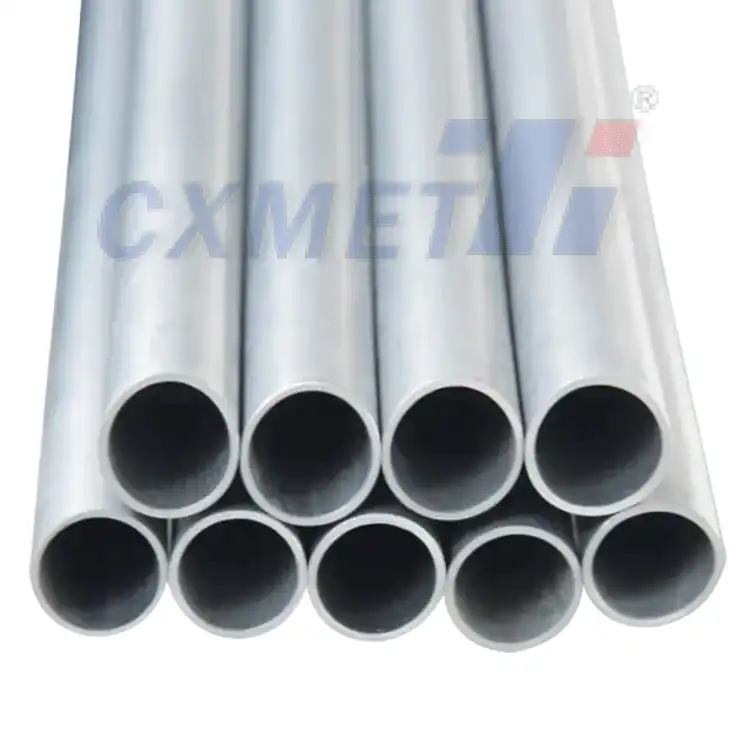
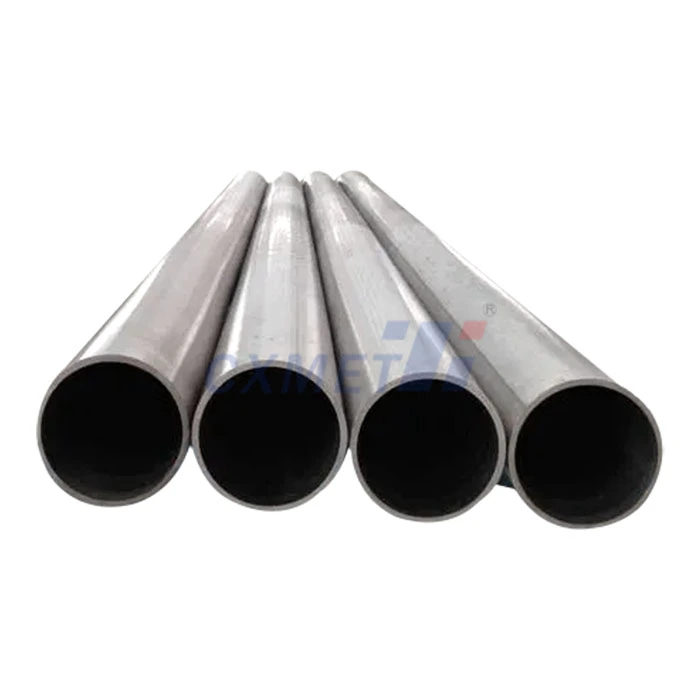
Marine and offshore equipment works in some of the most corrosive conditions any material has ever been exposed to, and GR2 titanium seamless tube has become a go-to choice for engineers designing systems that are designed to withstand decades in saltwater. This material is commercially pure and highly resistant to chlorides, and addresses difficulties that will ultimately defeat stainless steel and copper alloys. In this article, we will take a look at the corrosion resistance of GR2 titanium seamless tube, why it is so good for heat transfer applications, and why it is a reliable option for demanding offshore and shipboard systems.
|
|
|
Why Is GR2 Titanium Seamless Tube Ideal for Seawater and Chloride Environments?
How Does GR2 Titanium Seamless Tube Resist Corrosion in Seawater?
GR2 titanium seamless tube performs remarkably consistently in seawater, which is usually harsh to metals, especially owing to the high chloride content. The material exhibits almost no deterioration even at saltwater flow rates in excess of 40 meters per second -- a speed that would swiftly destroy many conventional alloys. Unlike stainless steel, which may be susceptible to pitting and crevices when exposed to water containing chlorides, GR2 titanium seamless tube can withstand a wide variety of temperature and flow conditions without losing structural integrity. The tube can dependably operate in saltwater intake systems, cooling circuits, and other infrastructure exposed to chlorides without the inspection and replacement cycles needed by less resistant materials because of the inherent passivation behaviour of titanium, which causes this resistance.
Why Does GR2 Titanium Seamless Tube Perform Well Against Biofouling and Microbial Corrosion?
Marine systems are also subject to microbiologically induced corrosion, in which bacteria and biological deposits accelerate internal metal breakdown. GR2 titanium seamless tube has good resistance to this form of failure since titanium is not a good substrate for the corrosive byproducts many bacteria create. Tube surfaces may still have biofouling from marine growth, although this does not attack the underlying material like more reactive metals and is normally controlled by ordinary chlorination or increased flow velocity. This property makes GR2 titanium seamless tube very desirable for use in saltwater cooling systems where biological accumulation might otherwise jeopardise performance and material life throughout lengthy periods of operation.
What Role Does Oxide Film Formation Play in GR2 Titanium Seamless Tube Durability?
The corrosion resistance of the GR2 titanium seamless tube is derived from the thin and stable oxide layer that the metal naturally generates when exposed to oxygen. This is the film that provides the tube with its definitive protective property and, crucially, it self-heals immediately if scratched or otherwise damaged during installation or operation. This self-healing feature sets GR2 titanium seamless tube apart from coated or plated products where damage to the protective layer might lead to an accelerated assault of the base metal. The capacity to continually rebuild a protective barrier is a crucial contributor to the tube’s consistent long-term performance in maritime conditions subject to abrasive particles, sand or mechanical damage.
How Does GR2 Titanium Seamless Tube Improve Heat Exchanger and Desalination Performance?
How Is GR2 Titanium Seamless Tube Used in Heat Exchangers and Condensers?
One of the most typical uses of GR2 titanium seamless tube is in heat exchangers and condensers that come in contact with saltwater or chlorinated cooling water. Corrosion resistance and strong thermal conductivity enable engineers to create thinner tube walls than would be safe with less resistant metals, allowing for improved heat transfer efficiency without losing safety margins. GR2 titanium seamless tube is regularly required in refineries, chemical plants, and power generating facilities for condenser tubing where carbon steel or even many grades of stainless steel would be swiftly degraded by chlorides, sulphides, and organic acids. This dependability immediately results in fewer unexpected shutdowns and reduced lifetime maintenance costs for plant owners.
Why Is GR2 Titanium Seamless Tube Preferred for Desalination Piping Systems?
Desalination facilities handle high-salinity brine continuously at scale, which places significant demands on pipe materials. GR2 Titanium seamless tube has become something of an industry standard for this application since it is resistant to the corrosive brine itself and the extreme temperatures commonly found in thermal desalination procedures. GR2 titanium seamless tube delivers vastly prolonged equipment life in hostile brine, typically lasting decades without substantial deterioration, as opposed to copper-nickel alloys, which used to be the go-to but often had shorter service lifetimes. This means that plant operators will get a better long-term return on investment despite the higher upfront material cost of titanium.
How Does GR2 Titanium Seamless Tube Improve Thermal Efficiency in Marine Cooling Systems?
Reliability of the engine and equipment relies on proper thermal management, and marine cooling systems need to be capable of transferring heat in an efficient manner. GR2 titanium seamless tube helps to achieve this aim not only via its good thermal conductivity but also because its corrosion resistance minimises the scale formation and surface deterioration that slowly deteriorate heat transfer efficiency in less resistant tube materials. The thermal performance of GR2 titanium seamless tube is generally steady throughout its working life, but tubes constructed from less robust alloys may need chemical cleaning or replacement over time to maintain performance. This consistency is especially important in shipboard cooling circuits where downtime for maintenance may result in considerable operational and financial losses.
What Makes GR2 Titanium Seamless Tube a Reliable Choice for Offshore and Marine Equipment?
How Does GR2 Titanium Seamless Tube Perform in Offshore Oil and Gas Applications?
Offshore platforms combine harsh seawater exposure with demanding mechanical requirements, making material selection critical. GR2 titanium seamless tube is widely used in umbilical hydraulic lines, process fluid tubing, and seawater handling systems on oil and gas platforms because it delivers dependable corrosion resistance without the added weight of thicker-walled alternatives. Titanium's roughly 45 percent lower density compared to steel also contributes to overall structural weight savings, an important consideration in offshore installations where weight directly affects platform design and installation costs. These combined properties make GR2 titanium seamless tube a practical choice for operators seeking long-term reliability in some of the most corrosive offshore environments.
What Advantages Does GR2 Titanium Seamless Tube Offer for Shipboard Piping Systems?
Shipboard systems require materials that can withstand constant seawater exposure while minimizing weight, since every kilogram added to a vessel affects fuel efficiency and cargo capacity. GR2 titanium seamless tube addresses both concerns simultaneously, offering a favorable strength-to-weight ratio alongside outstanding resistance to the chloride-rich conditions found throughout marine piping systems. Its good weldability and formability also simplify fabrication and installation aboard vessels, where complex routing and space constraints are common challenges. As shipbuilders continue to prioritize both performance and long-term maintenance costs, GR2 titanium seamless tube is increasingly specified for critical seawater and process piping runs throughout new vessel construction.
How Does GR2 Titanium Seamless Tube Support Long-Term Reliability in Marine Engineering?
Ultimately, the appeal of GR2 titanium seamless tube to maritime engineering is its expected long-term durability. However, many metals exhibit a reduced fatigue performance in saltwater, where the material is progressively weakened by combined mechanical and corrosive loads. This is not the case with titanium. This implies that components made from GR2 titanium seamless tube may be designed with much better confidence in their service life and reduced the safety margins that would normally be required to compensate for material deterioration over time. That constant, reliable performance is why GR2 titanium seamless tube continues to see increased use throughout the industry, especially for maritime engineers building systems intended to work consistently for decades with no intervention.
Conclusion
From seawater corrosion resistance to reliable heat transfer performance, GR2 titanium seamless tube consistently proves its value in demanding marine engineering systems. Shaanxi CXMET Technology Co., Ltd, founded in 2005 in China's Titanium Valley with over 80 technical staff, manufactures tubing to strict ISO and ASTM standards. For technical support or custom specifications, contact sales@cxmet.com — we look forward to supporting your project.
References
1. Alleima, Ti Grade 2 Tube and Pipe, Seamless — Technical Datasheet.
2. ASTM International, ASTM B338 Standard Specification for Seamless and Welded Titanium and Titanium Alloy Tubes for Condensers and Heat Exchangers.
3. ASTM International, ASTM B861 Standard Specification for Titanium and Titanium Alloy Seamless Pipe.
4. Schutz, R.W., "Titanium in Marine and Offshore Applications," NACE International Corrosion Technology Reference.
5. ASM International, ASM Handbook, Volume 2: Properties and Selection of Nonferrous Alloys and Special-Purpose Materials.
6. ISO 9001:2015, Quality Management Systems — Requirements, International Organization for Standardization.