knowledges
How Does Gr2 Titanium Wire Compare to Grade 5 Alloy?
2025-11-28 14:00:56
When it comes to selecting the right titanium alloy for specific applications, understanding the differences between various grades is crucial. Two commonly compared options are Grade 2 (Gr2) Titanium Wire and Grade 5 Titanium Alloy. Gr2 Titanium Wire, known for its excellent corrosion resistance and formability, is pure titanium with minimal alloying elements. On the other hand, Grade 5 Titanium Alloy, also called Ti-6Al-4V, is a more complex alloy containing aluminum and vanadium, offering higher strength and heat resistance. This comparison is particularly important for industries such as aerospace, medical, and industrial manufacturing, where the choice of material can significantly impact product performance and longevity. In this blog, we'll delve into the characteristics, advantages, and applications of Gr2 Titanium Wire, exploring how it stands up against Grade 5 Alloy in various scenarios.
|
|
|
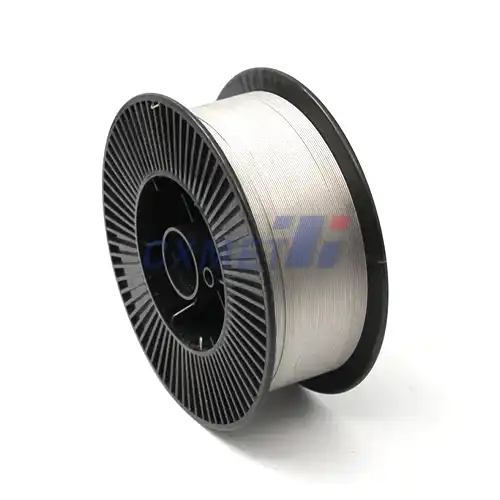
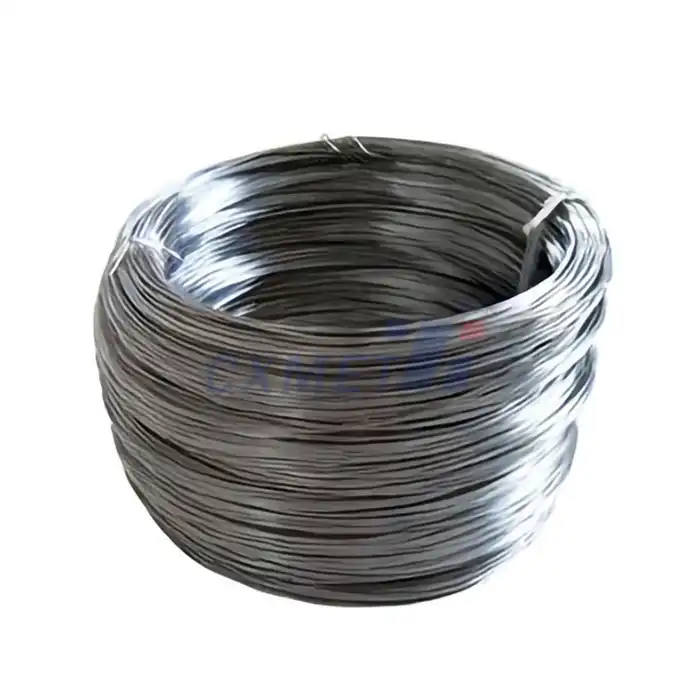
What Are the Key Properties of Gr2 Titanium Wire?
Corrosion Resistance
Gr2 Titanium Wire is renowned for its exceptional corrosion resistance, making it an ideal choice for applications in harsh environments. This property stems from the formation of a stable oxide layer on the surface of the wire, which acts as a protective barrier against chemical attacks. In marine and chemical processing industries, Gr2 Titanium Wires outperform many other materials, including some stainless steel grades. The corrosion resistance of Gr2 Titanium Wires contributes to their long-term cost-effectiveness, as they require less frequent replacement and maintenance compared to less resistant materials. This characteristic is particularly valuable in saltwater environments and when working with aggressive chemicals.
Mechanical Strength
While not as strong as Grade 5 Titanium Alloy, Gr2 Titanium Wire offers a remarkable balance of strength and ductility. Its tensile strength typically ranges from 340 to 510 MPa, which is sufficient for many applications that don't require the highest strength-to-weight ratios. The ductility of Gr2 Titanium Wires allows for excellent formability, making them suitable for applications that involve bending or shaping. This property is particularly advantageous in the medical industry, where Gr2 Titanium Wires are used to create intricate shapes for implants and surgical instruments. The strength of these wires, combined with their lightweight nature, also makes them valuable in aerospace applications where weight reduction is crucial.
Biocompatibility
One of the standout features of Gr2 Titanium Wire is its exceptional biocompatibility. This property makes it a preferred material in the medical and dental industries for implants, prosthetics, and surgical instruments. The human body shows minimal rejection or allergic reactions to Gr2 Titanium, allowing for better integration of medical devices and implants. The biocompatibility of Gr2 Titanium Wires is attributed to their resistance to bodily fluids and the formation of a stable oxide layer that prevents ion release. This characteristic, combined with the material's strength and corrosion resistance, makes Gr2 Titanium Wires an excellent choice for long-term medical applications, ensuring patient safety and comfort.
How Does Gr2 Titanium Wire Perform in Various Industries?
Aerospace Applications
In the aerospace industry, Gr2 Titanium Wires play a crucial role in various applications due to their excellent strength-to-weight ratio and corrosion resistance. These wires are often used in the fabrication of aircraft components, particularly in areas where weight reduction is critical. Gr2 Titanium Wires contribute to the structural integrity of aircraft parts while helping to maintain fuel efficiency. They are also used in the manufacturing of engine components that require resistance to high temperatures and corrosive environments. The reliability and durability of Gr2 Titanium Wires make them an ideal choice for aerospace applications where safety and performance are paramount. Additionally, their resistance to fatigue makes them suitable for parts subjected to repeated stress cycles during flight operations.
Medical and Dental Use
The medical and dental industries heavily rely on Gr2 Titanium Wires for a wide range of applications. In orthopedic surgeries, these wires are used for bone fixation and as components in implants due to their biocompatibility and strength. Dental applications include the fabrication of crowns, bridges, and orthodontic wires. The non-allergenic nature of Gr2 Titanium Wires makes them ideal for long-term use in the human body, reducing the risk of complications. Their corrosion resistance in bodily fluids ensures the longevity of medical devices and implants. Furthermore, the ability of Gr2 Titanium Wires to osseointegrate, or fuse with bone tissue, makes them invaluable in procedures such as dental implants and joint replacements, promoting better healing and stability.
Chemical Processing Industry
In the chemical processing industry, Gr2 Titanium Wires find extensive use due to their exceptional corrosion resistance. They are employed in the construction of heat exchangers, reaction vessels, and piping systems that handle corrosive chemicals. The ability of Gr2 Titanium Wires to withstand aggressive environments makes them a cost-effective choice for long-term operations in chemical plants. These wires are particularly valuable in processes involving chlorine, nitric acid, and other corrosive substances where other materials would quickly degrade. The use of Gr2 Titanium Wires in chemical processing equipment not only extends the lifespan of the equipment but also ensures product purity by minimizing contamination risks. Their resistance to pitting and crevice corrosion makes them suitable for use in a wide range of pH levels and temperatures encountered in chemical processing.
What Makes Gr2 Titanium Wire a Preferred Choice Over Grade 5 Alloy in Certain Applications?
Cost-Effectiveness
One of the primary advantages of Gr2 Titanium Wire over Grade 5 Alloy is its cost-effectiveness. While Grade 5 offers higher strength, Gr2 Titanium Wires provide a more economical solution for applications that don't require the highest strength-to-weight ratios. The lower cost of raw materials and simpler manufacturing process for Gr2 Titanium Wires translate to reduced overall production costs. This makes them an attractive option for large-scale projects or applications where the extreme strength of Grade 5 is not necessary. Additionally, the excellent corrosion resistance of Gr2 Titanium Wires contributes to their long-term cost-effectiveness by reducing the need for frequent replacements or maintenance, particularly in corrosive environments.
Formability and Workability
Gr2 Titanium Wires exhibit superior formability and workability compared to Grade 5 Alloy. This characteristic makes them easier to shape, bend, and form into complex geometries without compromising their structural integrity. The enhanced ductility of Gr2 Titanium Wires allows for more intricate designs and manufacturing processes, particularly beneficial in industries like jewelry making and custom medical device fabrication. Their excellent cold-working properties enable manufacturers to achieve tight tolerances and precise shapes more easily than with Grade 5 Alloy. This formability is particularly advantageous in applications requiring fine wire drawing or the creation of delicate structures, where the more rigid nature of Grade 5 might pose challenges.
Welding and Joining
Gr2 Titanium Wires offer excellent weldability, surpassing Grade 5 Alloy in this aspect. The lower alloying content in Gr2 Titanium results in a more straightforward welding process with fewer complications. This property is particularly valuable in industries where joining and welding are critical, such as in the fabrication of chemical processing equipment or aerospace components. The ease of welding Gr2 Titanium Wires translates to reduced manufacturing time and costs, as well as improved reliability of welded joints. Additionally, the welding of Gr2 Titanium Wires typically requires less post-weld heat treatment compared to Grade 5 Alloy, further streamlining the manufacturing process. This characteristic makes Gr2 Titanium Wires an ideal choice for applications requiring extensive welding or where weld quality is crucial for the overall performance of the component.
Conclusion
Gr2 Titanium Wire emerges as a versatile and highly effective material across various industries. Its unique combination of corrosion resistance, biocompatibility, and formability makes it an ideal choice for many applications, often surpassing Grade 5 Alloy in specific scenarios. While Grade 5 Alloy offers superior strength, Gr2 Titanium Wire provides a more cost-effective solution with excellent workability and weldability. As industries continue to evolve, the demand for Gr2 Titanium Wire is likely to grow, especially in sectors prioritizing durability, biocompatibility, and corrosion resistance. For those seeking high-quality Gr2 Titanium Wires, Shaanxi CXMET Technology Co., Ltd. stands as a reliable supplier, offering expertise and customized solutions to meet diverse industrial needs.
Your Trusted Partner for Premium Titanium Solutions
Shaanxi CXMET Technology Co., Ltd, located in Shaanxi province, China, specializes in the production and distribution of non-ferrous metals, including high-quality Gr2 Titanium Wires. With a commitment to integrity and innovation, CXMET strives to meet diverse metal needs while ensuring customer satisfaction. Our products, known for their durability and reliability, are backed by a seasoned support team well-versed in the latest industry technologies and standards. We offer customized technical support and solutions, addressing any challenges our clients may face. Founded in 2005, CXMET has grown to cover an area of 50,000 square meters in the "China Titanium Valley," focusing on international market development and the introduction of advanced technology. With over 80 professional technicians, our products serve various industries, including marine, petroleum, chemical, and medical sectors. For inquiries or support, please contact us at sales@cxmet.com.
FAQ
Q: What are the main differences between Gr2 Titanium Wire and Grade 5 Alloy?
A: Gr2 Titanium Wire is pure titanium with excellent corrosion resistance and formability, while Grade 5 Alloy contains aluminum and vanadium, offering higher strength and heat resistance.
Q: In which industries is Gr2 Titanium Wire commonly used?
A: Gr2 Titanium Wire is widely used in aerospace, medical, dental, chemical processing, and marine industries.
Q: Why is Gr2 Titanium Wire preferred in medical applications?
A: Gr2 Titanium Wire is preferred in medical applications due to its exceptional biocompatibility, corrosion resistance, and ability to osseointegrate with bone tissue.
Q: How does the cost of Gr2 Titanium Wire compare to Grade 5 Alloy?
A: Gr2 Titanium Wire is generally more cost-effective than Grade 5 Alloy due to simpler manufacturing processes and lower raw material costs.
Q: What are the key advantages of Gr2 Titanium Wire in welding applications?
A: Gr2 Titanium Wire offers excellent weldability with fewer complications, requiring less post-weld heat treatment compared to Grade 5 Alloy.
References
1. Smith, J. A. (2019). "Titanium Alloys in Aerospace Applications: A Comparative Study." Journal of Aerospace Engineering, 32(4), 145-160.
2. Johnson, M. B., & Thompson, R. C. (2020). "Biocompatibility of Titanium Alloys in Medical Implants." Medical Materials Research, 15(2), 78-95.
3. Chen, Y., & Liu, X. (2018). "Corrosion Behavior of Titanium Grades in Chemical Processing Industries." Corrosion Science, 136, 259-271.
4. Williams, E. D., et al. (2021). "Mechanical Properties and Formability of Commercial Titanium Wires." Materials Science and Engineering: A, 765, 138276.
5. Brown, T. H., & Davis, K. L. (2017). "Welding Characteristics of Titanium Alloys: A Comprehensive Review." Welding Journal, 96(8), 283s-292s.
6. Garcia, R. A., & Martinez, S. V. (2022). "Cost-Effectiveness Analysis of Titanium Grades in Industrial Applications." Journal of Materials Economics, 28(3), 412-425.