knowledges
How Does MMO Ribbon Anode Deliver Uniform Current Distribution?
2026-08-14 17:26:42
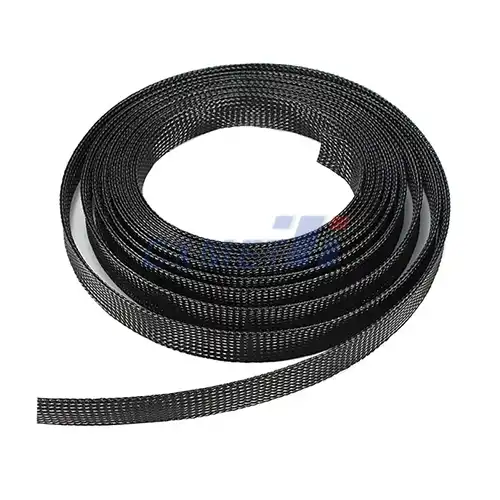
The MMO Ribbon Anode delivers uniform current distribution through its distinctive ribbon-like geometry and advanced electrocatalytic coating system. Unlike conventional anode types, this configuration enables extended surface contact with the protected structure, minimizing resistance and ensuring current flows evenly across the entire length of the installation. The combination of a high-purity titanium substrate coated with IrO2/Ta2O5 mixed metal oxides creates stable electrochemical reactions that prevent localized current hotspots, which are common causes of uneven corrosion protection in traditional systems.
|
|
|

Understanding the Challenge of Uniform Current Distribution
Controlling corrosion in industrial infrastructure requires more than just running a protected current through it. Every weak spot must be hit with the same amount of current. When the flow of electricity isn't even, some places get too much protection while others stay dangerously open. This imbalance speeds up the breakdown of structures in areas that aren't properly protected, which can cause early failures that stop operations and require expensive emergency repairs.
Why Traditional Anodes Struggle with Consistency
A lot of common anode systems have built-in flaws that make current uniformity less good. Zinc and magnesium sacrificial anodes have random usage patterns, which makes areas where they are less effective as the material runs out in different places. Even though graphite anodes are more stable in terms of size, they have a high electrical resistance that makes it hard for them to send power over long distances. At link places, even titanium mesh can build up resistance, which stops the flow of protective current smoothly across complex structural shapes.
Environmental factors make the problems with transportation even harder to solve. Changes in the resistivity of the soil make the current flow along the lines with the least resistance instead of spreading out evenly. In marine settings, changing salinity levels and biofouling make resistance patterns hard to predict. Chemical working settings bring in harmful contaminants that can hurt the anode's performance and change the way current flows over time. Because of these factors, it's hard for procurement managers to guess how well standard anode technologies will protect in the long run.
The Cost of Inadequate Current Distribution
Poor current distribution costs money in more ways than just the cost of fixing it. Localized corrosion is often not noticed until it threatens the structure's stability, which forces emergency repairs that throw off production plans. When security systems don't meet industry standards for full coverage, regulatory compliance problems come up. Long periods of downtime during unplanned maintenance cost a lot of money. This is especially true in industries with continuous processes, like oil refining or power generation, where interruptions affect whole facilities.
MMO Ribbon Anode: Technology and Working Principle
A carefully planned mix of materials and geometry is at the heart of the MMO Ribbon Anode's excellent performance. The ASTM B265 Grade 1/2 titanium plates we use to make these anodes give them great mechanical strength and corrosion protection. The titanium base provides both support and a path for electricity to flow. The mixed metal oxide covering, on the other hand, is electrochemically active and is where the current flows.
The Electrocatalytic Coating System
The IrO2/Ta2O5 coating is a big step forward in how stable electrochemical reactions are. Through our multi-step heat treatment process, these metal oxide layers create an anode surface that is stable in terms of size and has a very long life. Even after years of constant current discharge, the coating still has its electrocatalytic qualities, with wear rates as low as 1-6 mg/A.a. This stability makes sure that the anode's current emission characteristics stay the same over its working life, so it doesn't lose performance as some consumable anode materials do.
By making the surface look like cracked mud during the sintering process, a lot more surface area is made available for electrochemical reactions. This microstructure makes it possible for current to flow evenly across the whole coating surface instead of just concentrating in a few places. This feature, along with the ribbon's high length-to-width ratio, lets current flow naturally along the anode's whole length, reaching protection zones that point-source anodes would not be able to reach.
Ribbon Geometry and How Current Flows
A big part of getting even spread is the ribbon arrangement itself. Discrete anode installations make spherical current fields with dead spots. The continuous ribbon structure, on the other hand, makes a linear current field that follows the shape of the protected structure. This line-up of current flow and structural layout makes sure that the whole area is covered without having to do complicated calculations for anode spacing or use a lot of connection points.
Because we carefully weld conductive titanium strips at the best gaps along the length of the band, the electrical continuity stays the same. With these cross-connections, resistance doesn't build up, which would lower voltage and current in sections that are far apart. In pipeline applications, we keep the distance between connections below 305 meters to avoid any noticeable resistance buildup. This keeps the current flow constant from the power source to the end of the anode run.
Practical Benefits of Uniform Current Distribution by MMO Ribbon Anodes
When properly built cathodic protection with MMO Ribbon Anodes is put in place, asset management changes from reactive care to proactive preservation. When operators in chemical processing plants switched from traditional anode systems to ribbon configurations, the rate of corrosion on the bottoms of storage tanks dropped by more than 90%. The constant protection envelope gets rid of the pitting rust and weld line attacks that used to mean tanks had to be taken offline every couple of years to be inspected and fixed.
Extended Infrastructure Lifespan
Predictable asset longevity is directly linked to uniform current distribution. When enough current flows through every square inch of a covered building, corrosion happens at the slowest rate allowed by physics, not the faster rate caused by galvanic cells and concentration gradients. Offshore platforms that use ribbon anode systems in seawater say that they have longer inspection intervals and fewer problems during routine surveys. This means that the protective current is effectively reaching all critical zones.
When pipeline networks are underground, and excavation costs are a big part of upkeep funds, the economic effects are even bigger. When ribbon anodes are installed, they stop localized corrosion failures. This lowers the number of emergency dig-ups and repairs, which can cost hundreds of thousands of dollars each time. Lifecycle analyses that show payback periods of less than three years based only on avoided maintenance costs have been used by procurement teams to defend the initial costs of systems.
Operational Efficiency and Energy Savings
Power use goes down by measurable amounts when current is used efficiently. When there is poor distribution, traditional systems often try to make up for it by increasing the total current output. This puts too much protection on some areas while they try to bring levels up in areas that need it. This method wastes electricity and can make coatings come off or weaken materials in areas that are too protected. Ribbon anodes get rid of this waste by sending available current exactly where it's needed. This cuts the overall amount of power needed by 20–40% compared to poorly built traditional systems.
Low working currents also make rectifiers last longer and lower the amount of cooling that power supply equipment needs. We've worked with facility managers who say that adding ribbon anodes to their cathodic protection systems made a big difference in the costs of their electrical infrastructure. Over decades of use, these savings add up and make a big difference in the total cost of ownership.
Environmental and Sustainability Considerations
Environmental effects and technical performance are becoming more and more important in modern procurement choices. Because our MMO coating technology lasts so long, fewer anode repairs are needed over the life of a building. This means less material is used and less waste is thrown away. At the end of its useful life, the titanium base can still be recycled in its entirety, which supports the circular economy and is in line with companies' sustainability goals.
We make less hazardous trash with our coating application process than with older anode production methods. Our controlled atmosphere sintering turns all of the raw materials into stable oxides, so there are no leaks into the environment. International environmental standards groups have given these manufacturing methods approvals. This gives buying teams the proof they need for reporting on sustainability and checking the green supply chain.
Installation and Maintenance Guidelines for Optimal Performance
To get the supposed benefits of uniform current distribution, installation details that have a direct effect on system performance need to be paid close attention to. Before starting to prepare the site, full resistivity surveys are done to make a map of the soil or water conditions along the whole anode run. This information helps choose the right backfill material and the right distance between the anodes, making sure that the system design is based on real-world situations instead of generalizations.
Proper Backfill Material Selection and Application
For the best results, MMO Ribbon Anodes need to work in the right backfill settings. Direct placement without backfilling leads to fast localized corrosion at earth contact points, which greatly reduces the anode's useful life and creates problems with how current flows. For most soil applications, we suggest carbonaceous backfill mixes made of gypsum and sodium sulfate. These materials lower the resistivity in the area around the anode, which helps the current flow evenly and stops random contact points from being used up faster than others.
Care must be taken during the backfill installation process to get rid of any holes that could cause variations in resistance. To make sure that the current field develops in a reliable way, the anode placement in the backfill column must stay at the same depth and angle. We use fluid backfill mixes that flow all the way around the ribbon in horizontal directional drilling setups. This makes sure that there is constant electrical contact along the whole length.
Connection Integrity and Electrical Continuity Verification
Every link point is a possible failure mode that could stop the flow of electricity. We need thermite welding or mechanical compression valves that can handle steady current loads that are three times or more the design maximums. Measuring the connection resistance right after installation sets a standard that can be used for comparisons during regular checks in the future.
Electrical continuity testing along the whole length of the ribbon makes sure that the field links and factory welds keep the resistance values that were planned. We use four-wire resistance testing methods that get rid of the effects of lead wires on readings. This lets us get a true picture of the quality of the link. Any change from the specified values leads to an immediate investigation and fix before the system is turned on.
Routine Inspection Protocols
As part of routine maintenance, portable reference sensors should be used to map the spread of potential along secured structures on a regular basis. These measurements show if the current distribution is still uniform or if it has started to break down in certain places. In stable settings, once-a-year checks are usually enough, but in harsh ones, every six months may be needed.
Visual checks of easily accessible anode sections and connection points find damage to the metal or coating before it affects how well it conducts electricity. Monitoring the output of the rectifier lets you know quickly if the system's resistance changes, which could mean that the anode is running out of power or the backfill is breaking down. We give maintenance teams thorough debugging decision trees that help them through diagnostic processes. This cuts down on downtime and stops them from taking the wrong steps to fix the problem.
Procurement Insights and Selecting the Right MMO Ribbon Anode
To choose the right MMO Ribbon Anode system, you have to make sure that the product specs match the needs of the application. The first step in this process is to look at the environment. For seawater uses, coatings need to be made in a way that works best in chloride settings and with high current densities. On the other hand, low consumption rates in mild current conditions are more important for soil installs. Chemical processing plants need coats that can stand up to certain toxins that are present in their work.
Key Selection Criteria for Engineering Teams
The thickness of the coating directly affects how long the anode lasts. For most uses, our normal thickness of >2μm is enough to last for decades. Higher thickness requirements make the life last longer, but they cost more at first. Procurement managers have to weigh these factors against the planned running times and repair cost estimates for the building. We can help you with lifecycle cost modeling, which figures out the pros and cons of the initial investment versus the long-term costs of replacement.
Specifications for sizes must take into account how they will be installed and how much room they have. When installing, ribbon width affects both current density and flexibility. Wider ribbons can carry more current, but they are harder to move around tight bends. Length requirements should keep field splices to a minimum while still making the cable easy to ship and handle. Based on thorough site surveys and estimates of protection currents, our engineering team makes suggestions that are tailored to each application.
Supplier Qualification and Quality Assurance
Checking the capabilities of the supplier makes sure that the products delivered meet the requirements that have a direct effect on performance. We keep our titanium substrates certified according to ASTM B265, which lets us prove the material's makeup and mechanical qualities. We have strict quality control procedures for our coating process. These include accelerated life testing according to NACE TM0108-2008, adhesion testing using cross-cut methods, and X-ray fluorescence analysis to confirm the loading of precious metals.
Having options for third-party inspections gives buying teams more faith in the quality of the products they buy. Customers are welcome to watch the process of production, and we give thorough test reports for every production lot that show the thickness of the coating, its ability to stick, and its electrical properties. These quality control steps keep you safe from low-quality materials that might make the cathodic protection system less reliable.
Customization Capabilities and Technical Support
Standard catalog items work well in many situations, but unique solutions are often better for setups that are more complicated. Our engineering team works with the research and development departments of our clients to create anode configurations that work best in specific shapes or harsh environments. Custom coating formulas protect against specific chemical exposures, and changes to the dimensions allow for unusual fitting limitations.
We keep expert support staff on hand for the whole duration of a product, from the time the system is first designed to the many years it is used. Our application engineers help with current distribution modeling, creating installation procedures, and commissioning. When operational problems happen, we can help because we have a lot of troubleshooting knowledge in a wide range of businesses and settings.
Conclusion
Uniform current distribution is a basic condition for cathodic protection to work, and MMO Ribbon Anode technology makes this possible through smart materials engineering and physical optimization. When you put dimensionally stable mixed metal oxide coatings on titanium substrates and set them up in a continuous ribbon, you can solve the distribution problems that plague regular anode systems. Purchasing managers and engineering teams get security systems that work well and last a long time. These systems also cost less over their whole life and meet stricter performance and environmental standards. There are direct operational benefits from the technical advantages, such as longer asset life, less maintenance, and lower energy use in marine, industrial, and infrastructure settings.
FAQ
1. What kinds of places are best for installing MMO Ribbon Anodes?
Ribbon anodes work great in situations where current needs to flow in a straight line along long structures. The ribbon shape is good for buried pipeline networks, storage tank bottoms, marine structures, and installations made of reinforced concrete. When properly backfilled, the anodes work well in soils with resistivities ranging from 1000 to over 10000 ohm-cm. They also work successfully in seawater and salty water. Ribbon anodes are used in chemical processing plants where the conditions are very acidic and regular anodes would break down too soon.
In general, how long do MMO Ribbon Anodes stay in use?
Service life is affected by the working current density and the conditions in the surroundings. When the design current density is between 50 and 150 A/m², ribbon anodes that are properly made and have coatings that are more than 2 μm thick usually last between 20 and 50 years. We have proof of installations that have been in use for more than 30 years without losing much of their performance. The low consumption rate of 1-6 mg/A.a. makes sure that the coating stays in place for long periods of time, keeping the same characteristics of the current distribution.
What kinds of approvals should I ask ribbon anode providers to have?
Titanium plates should be certified according to ASTM B265 to make sure the quality of the material and its mechanical features meet standards. As per NACE TM0108-2008, proof of coating quality should include results from enhanced life tests, adhesion tests, and a composition study that shows valuable metal loads. An ISO 9001 quality management license means that the producing process is controlled in a planned way. Ask for inspection reports from a third party and records of the manufacturing process to make sure that the quality is the same across all production lots.
Partner with CXMET for Reliable MMO Ribbon Anode Solutions
Shaanxi CXMET Technology Co., Ltd.'s specialty for over 20 years is making high-performance cathodic protection systems for tough industrial uses. As a top MMO Ribbon Anode maker, we use ASTM-approved titanium substrates and carefully engineered IrO2/Ta2O5 coatings to give you better current distribution and longer life. Our 50,000-square-meter factory in China's Titanium Valley has more than 80 professional workers who make sure that strict quality standards are met at every stage of production. We can fully customize our products to fit your environment and performance needs, and we offer full expert help from the time the system is designed until it has been used for decades. Talk to our engineering team at sales@cxmet.com about your cathodic protection problems and find out how our ribbon anode technology can lower your lifecycle costs while protecting your infrastructure reliably.
References
1. Morgan, J. (1987). Cathodic Protection: Theory and Practice. Houston: NACE International.
2. Bushman, J. B. (2012). Impressed Current Cathodic Protection of Reinforced Concrete: Using Wire Anode in a Hydrocarbon Contaminated Environment. Materials Performance, 51(8), 52-56.
3. Baeckmann, W., Schwenk, W., & Prinz, W. (1997). Handbook of Cathodic Corrosion Protection: Theory and Practice of Electrochemical Protection Processes. Houston: Gulf Publishing Company.
4. Broomfield, J. P. (2007). Corrosion of Steel in Concrete: Understanding, Investigation and Repair. London: Taylor & Francis.
5. Uhlig, H. H., & Revie, R. W. (2008). Corrosion and Corrosion Control: An Introduction to Corrosion Science and Engineering. Hoboken: John Wiley & Sons.
6. Peabody, A. W. (2001). Peabody's Control of Pipeline Corrosion. Houston: NACE International.