knowledges
How Does MMO Tubular Titanium Anode Resist Corrosion in Harsh Conditions?
2026-08-07 16:28:11
A complex mix of materials science and electrical engineering keeps MMO Tubular titanium Anodes from corroding. When exposed to air, the titanium substrate naturally forms a protective oxide layer, making the base very stable. A mixed metal oxide layer with rare metals like ruthenium and iridium is then added to this base material to make it better. These oxides of valuable metals make a surface that is both conductive and chemically neutral. This surface keeps the titanium below from breaking down, even when it is exposed to harsh electrolytes, high current densities, and high pH levels that are common in marine, chemical processing, and industrial settings.
|
|
|

Understanding Corrosion Challenges in Harsh Conditions
Corrosion is a constant problem in industrial settings that makes machinery less reliable and raises the cost of running the business. Anodes used in seawater are exposed to chloride levels higher than 35,000 parts per million. On the other hand, sulfuric acid, caustic solutions, and changing temperatures in industrial wastewater often speed up the breakdown of materials. Electroplating baths add to the complexity by using heavy metal ions and chemical substances that interact with anode surfaces in unpredictable ways. In these tough situations, traditional anode materials don't work very well. Even though graphite anodes are cheap at first, they are mechanically weak and wear out quickly when the current density is high. Lead-based options are bad for the earth and don't keep their shape well. Even early titanium anodes with simpler coatings don't last long when they are exposed to the electrical stress and chemical aggressiveness that are common in modern industrial settings.
There are three main problems with traditional anode methods. Because the material is porous, electrolytes can get inside and eat away at the base from the inside. When thermal expansion mismatches cause stress cracks during temperature cycles, coatings fail to stick together. When the coating and substrate don't work well together electrochemically, the breakdown happens faster at the contact, where security is needed the most. Because of these weaknesses, upkeep needs to be done every few months instead of every few years, and the cost of replacement is higher because of system downtime and labor costs. The effect on the economy goes beyond the direct costs of replacement. Unplanned maintenance can throw off output plans, especially in industries that use continuous processing, where system shutdowns can affect many systems at once. It's hard for procurement teams to find the right mix between initial capital spending and total cost of ownership. This is why they need to make the case for advanced anode technologies that improve reliability and service life in a measured way.
Core Technology Behind MMO Tubular Titanium Anode Corrosion Resistance
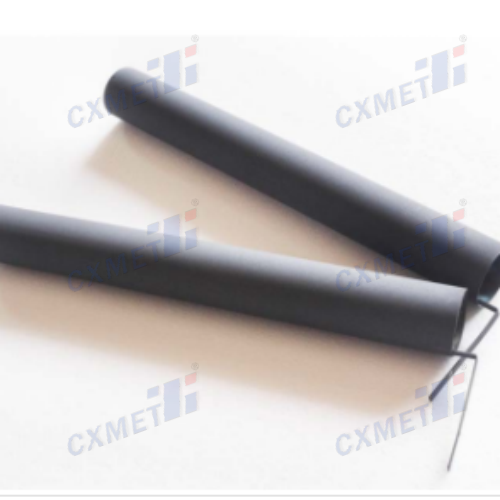
The amazing rust resistance of mixed metal oxide anodes comes from being able to precisely control the materials' make-up and the manufacturing processes. The structure is based on a Grade 1 or Grade 2 MMO Tubular titanium Anode core, which was chosen because it is very pure and flexible, which stops microcracking during heat processing. The tubular shape makes the useful surface area bigger while keeping the structure rigid. This spreads the mechanical stress equally along the length of the anode.
The MMO Coating Architecture
The process of making something starts with carefully cleaning and roughening the surface so that the layer can stick to it. The mixed metal oxide layer is put on by applying a solution and hardening it at high temperatures over and over again. With each turn, the layer gets a little thicker until it's a total depth of 8 to 15 micrometers. Using layers in this way makes an oxide surface that is thick and even, without the flaws that show up in thinner coatings. The makeup of the coating changes depending on the needs of the product. Iridium-tantalum mixtures work really well in places where oxygen is released, like earth and lake cathodic protection systems. Ruthenium-titanium mixes work best in chlorine evolution uses, like electrolyzing seawater and brine. This chemical specialization makes sure that the anode works well within the electrochemical window it was designed for, which increases both the efficiency of the current and the durability of the coating.
Electrochemical Protection Mechanisms
During use, the MMO layer makes it easier for electrons to move between the anode and the liquid without changing chemically. The metallic oxide keeps the voltage fixed over a wide range of current densities. This stops the voltage changes that damage materials that aren't as strong. This electrical stability comes from the coating's ability to reach different oxidation states. This protects against changes in operation that would normally speed up degradation. Through silent film creation, the titanium substrate adds its own layer of protection. When there are flaws in the MMO covering, like when it was manufactured incorrectly or from normal use, the exposed titanium forms a titanium dioxide layer right away when it comes in touch with air or water. This ability to fix itself is an important backup defense that keeps things from going badly even if the main layer gets damaged in some places.
Comparative Analysis: MMO Tubular Titanium Anode vs Alternative Anode Types
When making a purchase choice, it helps to know how the performance of different anode methods compares. Our MMO Tubular titanium Anodes are clearly better than other options when compared to common ones in a number of ways that are important to industry users.
Performance Metrics That Matter
Comparing life spans shows big differences. Graphite anodes need to be replaced every 6 to 18 months in harsh settings, but lead anodes can last for 2 to 4 years in good ones. Platinized titanium increases the useful life to 5 to 8 years, but it is too expensive for large-scale applications. When the current density stays within the stated limits, mixed metal oxide technology can usually run nonstop for 20 to 30 years. This completely changes how lifetime costs are calculated. The maintenance needs are also very different. Graphite systems need to be checked and adjusted often to account for changes in size as the anode wears down. Lead anodes make dangerous slime that needs to be thrown away in a certain way. MMO tubular designs only need to be visually checked, and the electrical connection checked every so often. This cuts down on both labor costs and operating complexity.
Real-World Validation
Offshore platform owners say that after 15 years of use, tubular MMO anodes placed in seawater cathodic protection systems are still giving the required current flow, and measurements of the coating thickness show that there has been very little wear. Because MMO coatings have a lower working voltage, chemical processing plants that use the technology in electrochlorination systems report saving 12 to 18% more energy than they did with graphite installations. Deep well cathodic protection projects show that the technology works well in places that are hard to get to. When anode strings are placed more than 1,000 meters deep, they keep the protective current spread across wellbore lengths of 50 meters or more. Center-connection setups get rid of the end-effect current concentration that limits the performance of normally connected anodes. These results from the field give us faith that what we do in the lab will help us in the real world.
Maintaining and Optimizing MMO Tubular Titanium Anode Performance
To get the best return on investment, you need to pay attention to how the installation is done and how the system works. Low-resistance current routes that stop localized heating and voltage drops are made possible by proper electrical connections. Our MMO Tubular titanium Anode can be connected in several ways, such as threaded, welded, or unique designs. This means they can be easily added to existing infrastructure without having to make expensive changes.
The single most important thing that affects the life of an anode is how the current level is managed. Continuous operation at or below 100 amperes per square meter in soil and freshwater settings, or 600 amperes per square meter in seawater settings, keeps coating usage rates within the guidelines set by the designer. When these limits are crossed, the oxide layer is put under more electrical stress, which speeds up wear.
Bath chemistry tracking stops performance from dropping without warning. Extreme changes in pH, especially long-term contact with pH levels below 2 or above 12, can weaken coatings over time. Controlling the temperature is also important, since working at temperatures regularly above 80 degrees Celsius might need special coatings made to stay stable at high temperatures.
Routine review methods find new problems before they affect how well the system works. A visual inspection can find mechanical damage caused by collisions or wear from the outside. Measurements of the electrical resistance between the anode and its connection point show that the joint is becoming less stable. Coating thickness gauges give numbers that show how fast things wear down, which lets you plan maintenance based on how things really are instead of just picking random times.
When coating damage gets to a certain point, there are ways to fix some setups. Anodes can be sent back to the factories to be recoated, which extends their useful life for a lot less money than buying new ones. This circular method cuts down on costs and damage to the environment, which is in line with companies' sustainability goals and keeps the cathodic protection system working well.
Procurement Considerations for MMO Tubular Titanium Anodes
To choose the right provider, you need to look at more than just the unit price. The technical ability of the provider is very important because the quality of the manufacturing directly affects performance and life of the MMO Tubular titanium Anodes. We keep certificates that show we follow ASTM B338 and B861 guidelines for making titanium tubes. This makes sure that the substrate material meets the requirements for purity, mechanical qualities, and the ability to be welded.
Customization and Technical Support
With widths from 19 to 32 millimeters and lengths from 500 to 3,000 millimeters, standard products meet most needs. Custom sizes can be made to fit specific placement limitations or current distribution needs, and our engineering team can help with design to find the best anode setup for each application. Choosing the right coating formulation makes sure that it will work with the environment, whether that environment is ocean where chlorine is released or dirt where oxygen is released.
Minimum order quantities are a good way to match the needs of customers with the needs of manufacturers. We work with buying teams to set up orders that meet the needs of the project without costing too much to keep in stock. Lead times depend on how customized the product needs to be. Standard configurations ship on time, but unique designs need more time for molding and quality certification.
Quality Assurance and After-Sales Service
Mill test papers show what the base material is made of and how strong it is, which lets you find out where the raw materials came from. Before shipping, measures of coating thickness and adhesion tests make sure the quality of the production. Electrical performance tests show that the anode meets the required voltage and current limits.
Warranty coverage and expert help show that the source cares about the long-term success of the customer. During the anode's service life, our team is ready to answer questions about installation, analyze performance data, and suggest practical changes that make the system work better. Customers can get the most out of their investments in cathodic protection with this ongoing relationship method.
Conclusion
The ability of MMO Tubular titanium Anodes to prevent corrosion is the result of advanced materials science and electrical engineering working together. The titanium base keeps the structure strong and lets it fix itself by forming a passive film. The noble metal oxide layer provides electrochemical action without using chemicals, so it will keep working well for decades. These two materials work together to fix the main problems with regular anode materials. They also save money because they last longer and need less upkeep. Cathodic protection used to be an ongoing cost for businesses, but new technology has turned it into a reliable asset that protects important equipment with little to no work from them.
FAQ
What determines how long an MMO Tubular titanium Anode will last?
Service life is mostly controlled by coating thickness and working current density. Lower current levels slow down the rate of wear, while thicker layers give you more material to slowly use up during operation. If you take the right steps for installation and care, applications that use 100 amperes per square meter or less can get design lives of more than 20 years. Temperature, water balance, and other environmental factors can also affect how long an MMO Tubular titanium Anode lives.
Why is center connection preferred over end connections for tubular anodes?
By putting the center link in the middle of the tube, the cable-to-anode contact point is in the middle of the tube. This makes the current flow even along the length of the anode. This arrangement gets rid of end-effect concentration, which happens when the current density peaks at the end points and speeds up wear in that area. The link is also mounted inside the tube, which keeps it safe from mechanical damage and electrolyte leaks that can break the electrical continuity over time.
Can these anodes be used in both land and sea?
Yes, but the coating's recipe needs to be right for the job. Iridium-tantalum systems work best for releasing oxygen in dirt and protecting waters from corrosion. Ruthenium-titanium mixtures work really well in places where chlorine is released, like saltwater and brine. If you use the wrong covering chemistry, it will fail quickly because the oxide will be working outside of its safe electrochemical window.
Partner with CXMET for Superior Cathodic Protection Solutions
Shaanxi CXMET Technology Co., Ltd. has 20 years of experience working with non-ferrous metals and can help you with your toughest rust control problems. As a producer of MMO Tubular titanium Anodes, we use cutting-edge materials science and real-world application knowledge to create solutions that work better than other options. Our engineering team gives you personalized technical help at all stages of your project, from the initial design advice to long-term performance optimization. We have strict quality standards that are backed up by thorough testing and certification. This makes sure that every anode meets the needs of your unique working area. Get in touch with us at sales@cxmet.com to talk about your cathodic protection needs and find out how our MMO Tubular titanium Anodes for sale can lower your total cost of ownership while making your system more reliable.
References
1. Chandler, K.A. "Marine and Offshore Corrosion." Butterworth-Heinemann, Oxford, 1985.
2. Baeckmann, W., Schwenk, W., and Prinz, W. "Handbook of Cathodic Corrosion Protection: Theory and Practice of Electrochemical Protection Processes." Gulf Professional Publishing, Houston, 1997.
3. Chen, G. "Electrochemical Technologies in Wastewater Treatment." Separation and Purification Technology, Vol. 38, No. 1, 2004, pp. 11-41.
4. Trasatti, S. "Electrocatalysis: Understanding the Success of DSA." Electrochimica Acta, Vol. 45, No. 15-16, 2000, pp. 2377-2385.
5. Morgan, J. "Cathodic Protection: Second Edition." National Association of Corrosion Engineers, Houston, 1993.
6. Comninellis, C. and Vercesi, G.P. "Characterization of DSA-Type Oxygen Evolving Electrodes: Choice of a Coating." Journal of Applied Electrochemistry, Vol. 21, No. 4, 1991, pp. 335-345.