knowledges
How Is a gr2 titanium seamless tube Bent or Machined Safely?
2026-04-23 15:13:15
To safely bend or machine a Gr2 titanium seamless tube, you need to use controlled methods that take into account the unique metallurgical qualities of the material. To keep tubes from breaking, bending must use the right radius-to-diameter ratios (usually at least 3D for thin-walled tubes) and stress-relief annealing. To keep the work from getting too hard and damaging the surface, machining needs sharp carbide or coated tools, slow cutting speeds, and a steady flow of water. The right method makes sure that the tube keeps its great resistance to corrosion, structural integrity, and mechanical qualities while it is being made, so it can be relied on to work well in harsh industrial settings.
|
|
|
_1740124678719.webp?size=500x0 "blog-1-1")
Understanding GR2 Titanium Seamless Tubes: Properties and Challenges
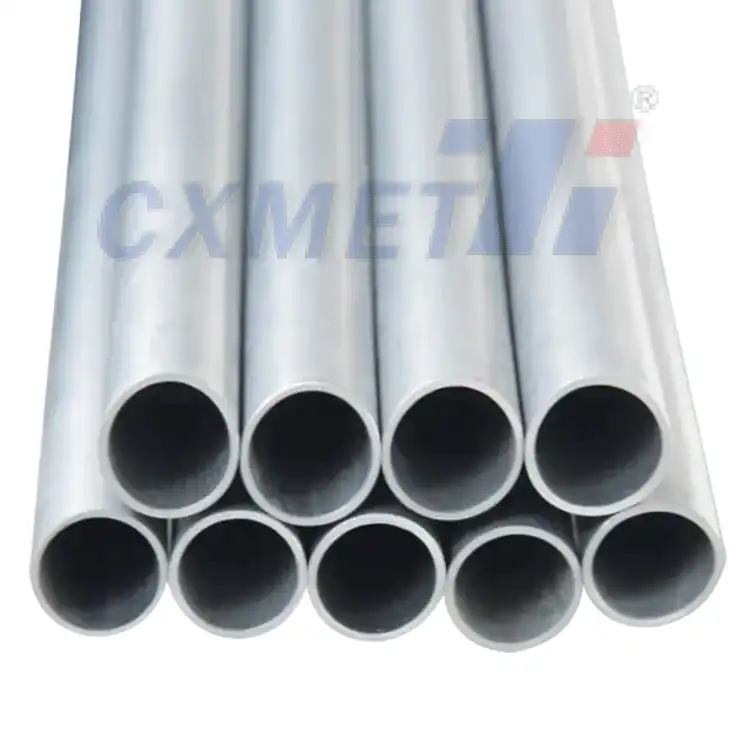
Grade 2 titanium straight tubes are the most useful form of commercially pure titanium. Because they are made without longitudinal weld lines through rotary piercing and cold rolling, these tubes don't have the metallurgical breaks that often happen with welded options. The uniform construction makes sure that the cross-section is made of the same material, which is very important when tubes are exposed to high internal pressures or media that are corrosive.
Mechanical Properties That Define Performance
The mechanical profile of Grade 2 titanium balances moderate strength with excellent ductility. With a minimum tensile strength of 345 MPa and yield strength of 275 MPa, combined with elongation exceeding 20%, this material offers formability that surpasses higher-grade titanium alloys. The density of 4.51 g/cm³ provides approximately 56% of steel's weight, translating to significant weight savings in aerospace and marine applications where every kilogram matters.
Corrosion Resistance in Harsh Environments
What sets Grade 2 apart is its self-healing titanium dioxide passive layer. This protective film forms instantaneously upon exposure to oxygen, rendering the material immune to pitting and crevice corrosion in seawater, wet chlorine, and brackish water environments where stainless steel rapidly deteriorates. Chemical processing plants handling hypochlorites, acetic acid, and organic chlorides rely on this corrosion immunity to prevent catastrophic equipment failure.
Processing Challenges Engineers Must Address
Despite its advantages, Grade 2 titanium presents distinct fabrication challenges. The material exhibits high chemical reactivity at elevated temperatures, where it readily absorbs oxygen, nitrogen, and hydrogen—elements that embrittle the surface layer. This tendency toward work hardening during machining accelerates tool wear and demands specialised cutting parameters. The relatively low thermal conductivity of 16.4 W/m·K causes heat concentration at cutting zones, making coolant management essential. Bending operations risk cracking if minimum radius specifications are violated, while excessive forming pressure causes wall thinning that compromises pressure ratings. These material characteristics mean procurement managers and engineering Gr2 titanium seamless tube teams must partner with fabricators who possess deep technical knowledge. Improper processing doesn't simply reduce efficiency—it fundamentally compromises the material properties that justified titanium's selection over lower-cost alternatives.
Safe Bending of GR2 Titanium Seamless Tubes: Principles and Best Practices
Bending titanium tubing without introducing defects requires understanding how the material responds to plastic deformation. Unlike steel or aluminium, titanium's hexagonal close-packed crystal structure limits slip plane availability during cold working, making the material less forgiving of improper technique.
Minimum Bend Radius Requirements
The bend radius-to-diameter ratio determines whether forming succeeds or produces cracks. Conservative engineering practice recommends minimum bend radii of 3D to 5D (three to five times the outside diameter) for thin-walled tubes, depending on wall thickness. Tubes with thicker walls may require even larger radii to prevent excessive stress concentration on the inner bend surface. Violating these minimums causes tensile failure on the outer surface and compressive wrinkling on the inner surface.
Tooling and Mandrel Selection
Proper mandrel support prevents collapse and wrinkling on the inner bend radius. Ball mandrels with multiple articulating spheres provide flexibility while supporting the tube wall during compression. The mandrel diameter must match the tube's internal diameter within tight tolerances—excessive clearance permits wrinkling, while interference causes galling and surface damage to the tube's interior.
Temperature Control During Forming
To keep the mechanical qualities of Grade 2 tubes and stop them from oxidising, cold bending is still the best way to go. Even though hot bending lowers the forming forces, it comes with problems like the formation of an oxygen-hardened layer on the surface called alpha case and twisting when the part cools down. When complex shapes call for hot forming, controlled atmosphere furnaces keep the material from getting contaminated and becoming weak. After cold bending, stress-relief annealing gets rid of any remaining stresses that are locked into the bent section. Heating tubes to 540–650°C in a vacuum or a neutral atmosphere for 30–60 minutes reduces internal stresses without changing the structure of the grains. This thermal process makes it much less likely that the material will crack later on while it is being used.
Aerospace Industry Case Applications
A lot of the fluid transfer lines in commercial aeroplane hydraulic systems are made of bent titanium tubing. Best practices can be seen in these uses: CNC-controlled rotary draw bending tools keep the radius under tight control, and automated mandrel insertion makes sure that support is always the same. Using coordinate measuring tools to check the dimensions after the bend makes sure they meet engineering standards. The result is tubing that can handle over 3,000 cycles of high hydraulic pressure over the life of the aircraft without breaking.
Precision Machining of GR2 Titanium Seamless Tubes: Techniques and Precautions
Machining commercially pure titanium demands fundamentally different approaches than steel or aluminium. The material's tendency toward work hardening, chemical reactivity with cutting tools, Gr2 titanium seamless tube and low thermal conductivity create a challenging combination that rapidly destroys improperly selected tooling.
Cutting Tool Selection and Geometry
Among the available options, carbide cutting is the least bad. Coated carbide or polycrystalline diamond (PCD) tools work better. To keep cutting forces and heat production as low as possible, tool design must have positive rake angles and sharp cutting edges. When tools are dull, they cause too much friction, which hardens the surface through work-hardening. This makes a hard layer that speeds up tool wear in a harmful feedback loop.
Cutting Parameters for Optimal Results
Titanium needs to be machined at modest speeds—usually 30 to 60 meters per minute for turning—which is much slower than aluminium but about the same speed as stainless steels. Feed rates should stay the same and be reasonable to keep chip thickness and stop rubbing. Cutting must remove material all the time; breaks in the action or living let work hardening begin. Light finishing passes with a depth of less than 0.5 mm don't work very well because they rub instead of cutting, making heat without taking off enough material.
Coolant Management Strategies
Using a flood of coolant is important for successfully machining titanium. High-pressure coolant (70+ bar) aimed right at the cutting edge gets rid of chips and pulls heat out of the cut area. Straight cutting oils or water-soluble synthetic coolants both work well, but oil-based fluids are better for threading and tapping because they keep the metal from sticking. Too little coolant flow lets titanium heat up in one place above 500°C, where it forms a hard, oxidised layer that harms cutting edges right away.
Quality Control and Inspection Protocols
To make sure they meet the requirements, machined tubes need to be carefully inspected. Using micrometres and bore gauges to check the dimensions proves the tolerances for diameter, wall thickness, and concentricity. Surface roughness readings show how good the finish is. For heat exchangers, Ra values should be kept below 0.8 micrometres. Tensile testing on sample tubes makes sure that the mechanical properties haven't been lowered below the required levels by the machining process. These quality control steps protect processes that come after. If the surface of a heat exchanger tube is damaged, rust can start there, and if the dimensions are off, the tube won't fit together properly. The inspection cost keeps many more expensive problems from happening in the field.
Comparing GR2 Titanium Seamless Tubes with Other Materials in Machining and Bending
Material selection decisions hinge on understanding performance trade-offs across multiple criteria. While initial material cost favours alternatives like stainless steel, lifecycle analysis often reveals the economic advantages of gr2 titanium seamless tube.
Performance Versus Stainless Steel Alternatives
Austenitic stainless steels, like those in the 304 and 316 types, are much cheaper than titanium and are easier to machine. Chloride-rich surroundings, on the other hand, cause stress corrosion cracking and pitting in stainless grades, which shortens their useful life. Titanium tubes in ocean heat exchangers usually last 30 years or more, while stainless steel tubes need to be replaced every 5 to 10 years. Titanium's lower density means that boats and platforms in the ocean don't need as much structural support, which makes the weight benefit even bigger.
Comparison with High-Nickel Alloys
When heated to very high temperatures, Inconel and other nickel-based superalloys are much stronger than titanium. At temperatures where titanium would break down quickly, these metals don't oxidise. However, nickel metals are much harder to machine than even titanium because they produce higher cutting forces and more severe work hardening. Most of the time, expensive hot-forming tools are needed to bend nickel metals. Where temperatures are less than 425°C, Grade 2 titanium works well enough and costs less to buy and make.
Advantages Over Aluminum Tubing
Aluminium metals are easy to machine and can be shaped well, with little springback when they are bent. The material is strong and doesn't rust, but it's not good enough for many industry settings. Aluminium rusts quickly in alkaline liquids and water systems with high temperatures. When aerospace-grade aluminium alloys (7075, 2024) are compared to Grade 2 titanium, titanium's strength-to-weight advantage over aluminium decreases significantly. However, titanium's resistance to corrosion remains much higher. Knowing these differences between materials helps procurement professionals make choices that are based on application needs and total cost of ownership calculations rather than just purchase price.
Procuring Quality GR2 Titanium Seamless Tubes: Supplier Selection and Logistics
Sourcing decisions directly impact project success. Low-quality Gr2 titanium seamless tube material or unreliable delivery schedules cascade through fabrication and installation, creating costly delays and potential safety hazards.
Critical Supplier Qualifications
Reliable suppliers keep certifications that show they follow the quality method. If you have ISO 9001 certification, it means that you have established quality management processes. If you have AS9100 certification, it means that you can meet the needs of the aerospace business. Every shipment should come with material certifications that meet ASTM B338 or ASTM B861 standards. These should include certified mill test reports that list the materials' chemical makeup and mechanical properties. Production capability assessment checks to see if suppliers can meet project needs. Modern factories use vacuum annealing ovens to keep things clean during heat treatment, and precision cold-drawing equipment keeps the sizes of things within very small ranges. Suppliers with their own testing labs can get things done faster and with better quality control than businesses that use outside testing services.
Customisation Capabilities and Technical Support
Standard tube sizes don't always match application requirements. Suppliers offering custom dimensions—whether non-standard diameters, wall thicknesses, or lengths—provide significant value by eliminating secondary processing. Technical support teams that understand fabrication challenges can recommend optimal specifications, preventing costly material selection errors. This consultation capability proves particularly valuable when transitioning from alternative materials to titanium.
Understanding Pricing and Lead Times
Titanium prices are affected by changes in the global supply chain, with costs being affected by the abundance of titanium sponge and the demand cycles in the aerospace industry. Transparent sellers make their pricing structures clear and explain the factors that affect quotes. Lead times are very different depending on whether the material is in stock or being made to order. Stock sizes ship within days, but special orders may take 8–12 weeks to make and check for quality. Project schedule changes can be avoided by planning procurement timelines around these facts. Shanxi CXMET Technology Co., Ltd. is a good example of a qualified titanium supplier because they have a complete manufacturing infrastructure. They run a 50,000-square-meter factory with more than 80 expert staff and control the whole production process, from the high-purity titanium sponge to precision rolling, vacuum annealing, and seamless cold drawing. As required by ISO 9001 and ASTM, their quality assurance methods check each batch for chemical composition, mechanical properties, and accurate measurements. Third-party inspection is also an option. International purchasing is made easier by being able to ship goods all over the world and getting full documentation help.
Conclusion
To bend and machine the Gr2 titanium seamless tube correctly, you need technical know-how that takes into account the material's unique properties. Choosing the right bend radius, using a mandrel, and annealing to relieve stress can prevent defects. On the other hand, using sharp carbide tools, slow cutting speeds, and sufficient coolant flow can ensure smooth machining without damaging the surface. Titanium offers clear performance advantages in corrosive environments compared to stainless steel, nickel alloys, and aluminium, especially when lifecycle costs are considered. Working with certified suppliers who follow strict quality standards and provide expert guidance is the best way to ensure project success, from material selection to installation. By investing in high-quality materials and proper processing methods, gr2 titanium seamless tube can perform reliably in demanding industrial environments over the long term.
FAQ
1. What is the minimum bend radius recommended for GR2 titanium seamless tubes?
The recommended minimum bend radius is typically 3D to 5D (three to five times the outside diameter) for thin-walled tubes. Thicker-walled tubes may require even larger radii to prevent cracking and excessive wall thinning. Violating these minimums risks tensile failure on the outer bend surface and compressive wrinkling on the inner surface, compromising structural integrity.
2. Do I need specialised tools for machining titanium tubes?
Yes, machining titanium requires carbide or coated carbide cutting tools with sharp edges and positive rake angles. Standard high-speed steel tooling wears rapidly and proves uneconomical. High-pressure flood coolant delivery (70+ bar) is essential to manage heat and prevent work hardening. Moderate cutting speeds (30-60 m/min for turning) and consistent feed rates optimise tool life and surface finish.
3. How does corrosion resistance affect machining processes?
Titanium's corrosion resistance stems from its passive oxide layer, which reforms immediately after machining. Proper cutting parameters and coolant management preserve this protective characteristic. Excessive heat during machining (above 500°C) creates alpha case—an oxygen-hardened surface layer that reduces corrosion resistance and ductility. Controlled machining conditions maintain the material's inherent corrosion immunity throughout fabrication.
Partner with CXMET for Superior Titanium Tube Solutions
CXMET stands as your trusted Gr2 titanium seamless tube supplier, combining decades of metallurgical expertise with state-of-the-art manufacturing capabilities. Our facility in China's Titanium Valley produces tubes meeting ASTM B338 and B861 specifications through controlled seamless cold-drawing processes and vacuum annealing. Each batch undergoes comprehensive testing for chemical composition, mechanical properties, and dimensional accuracy, backed by ISO 9001 certification. We provide customised dimensions, competitive pricing, and worldwide shipping with complete documentation support. Our technical team offers expert guidance on bending parameters and machining strategies tailored to your specific application requirements. Contact us at sales@cxmet.com to discuss your project specifications and receive a detailed quotation that addresses your performance, budget, and timeline objectives.
References
1. American Society for Testing and Materials. (2021). "ASTM B338: Standard Specification for Seamless and Welded Titanium and Titanium Alloy Tubes for Condensers and Heat Exchangers." ASTM International, West Conshohocken, PA.
2. Boyer, R., Welsch, G., and Collings, E.W. (1994). "Materials Properties Handbook: Titanium Alloys." ASM International, Materials Park, Ohio.
3. Donachie, M.J. (2000). "Titanium: A Technical Guide, 2nd Edition." ASM International, Materials Park, Ohio.
4. Lütjering, G. and Williams, J.C. (2007). "Titanium: Engineering Materials and Processes, 2nd Edition." Springer-Verlag, Berlin Heidelberg.
5. Machining Data Handbook, 3rd Edition. (1980). "Titanium and Titanium Alloys." Machinability Data Centre, Metcut Research Associates Inc., Cincinnati, Ohio.
6. Schutz, R.W. and Thomas, D.E. (1987). "Corrosion of Titanium and Titanium Alloys." ASM Handbook Volume 13: Corrosion, ASM International, Materials Park, Ohio, pp. 669-706.