knowledges
How Is Corrosion Resistance Achieved in Gr23 Titanium Wire?
2025-12-29 16:59:48
Gr23 titanium wire, also known as Ti-3Al-2.5V, is a remarkable material that has garnered significant attention in various industries due to its exceptional corrosion resistance properties. This high-performance alloy combines the inherent corrosion resistance of titanium with carefully selected alloying elements to create a wire that stands up to some of the most challenging environments. The corrosion resistance of Gr23 titanium wire is achieved through a combination of its unique chemical composition and the formation of a stable, protective oxide layer on its surface. This oxide layer, primarily composed of titanium dioxide, acts as a barrier against corrosive agents, effectively preventing further degradation of the underlying metal. The addition of aluminum and vanadium in specific proportions enhances the alloy's ability to form and maintain this protective layer, even in highly aggressive media. Furthermore, the tight control of impurities during the manufacturing process ensures that the wire maintains its corrosion-resistant properties consistently across its entire structure.
|
|
|
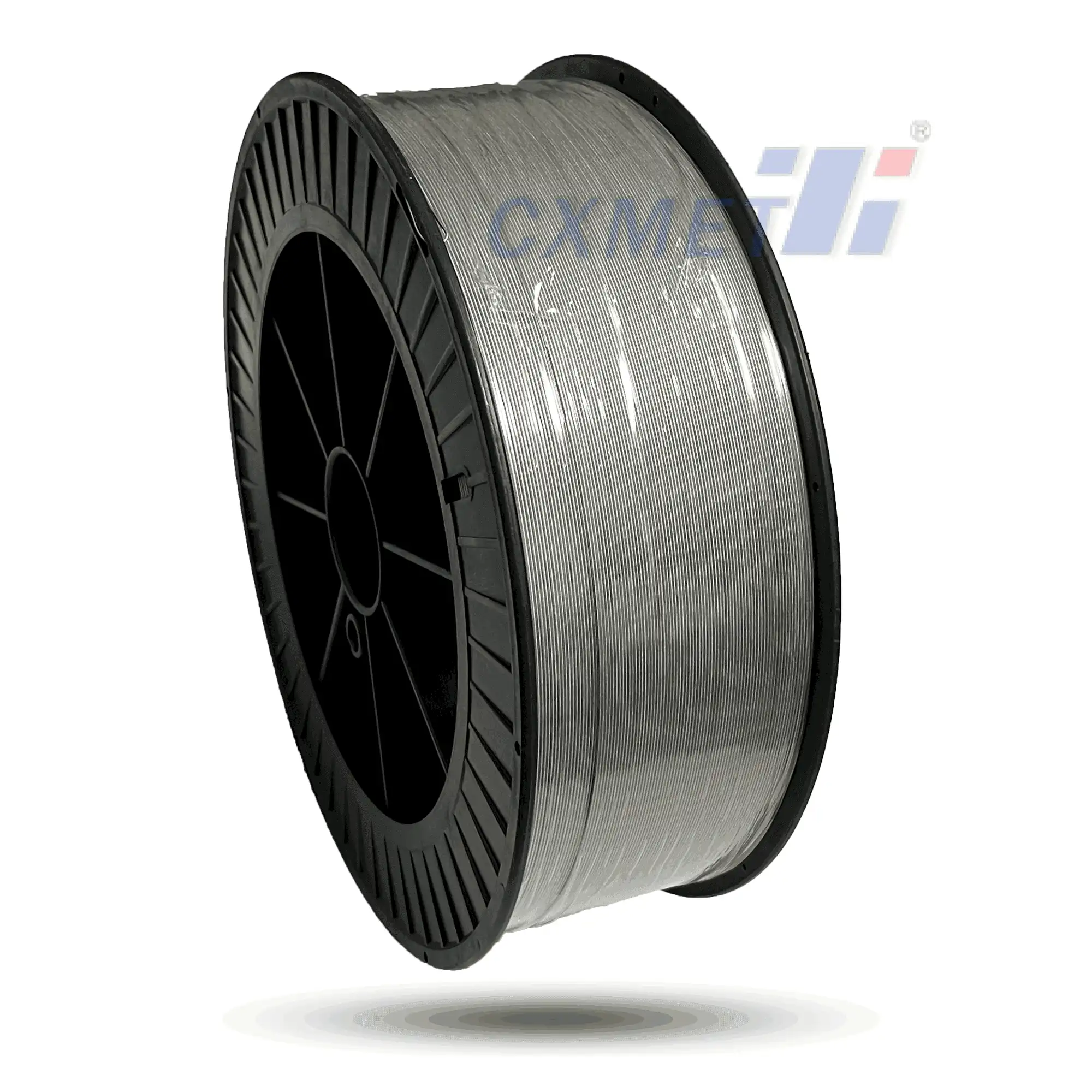

What Are the Key Factors Contributing to Gr23 Titanium Wire's Corrosion Resistance?
Chemical Composition and Alloying Elements
The corrosion resistance of Gr23 titanium wire is fundamentally rooted in its carefully engineered chemical composition. The base titanium provides an excellent foundation for corrosion resistance, while the addition of 3% aluminum and 2.5% vanadium further enhances this property. Aluminum contributes to the formation of a more stable oxide layer, while vanadium improves the alloy's overall strength and stability. This precise balance of elements creates a synergistic effect that not only boosts corrosion resistance but also maintains the wire's mechanical properties. The tight control of other trace elements during the manufacturing process of Gr23 titanium wire ensures that no impurities compromise its corrosion-resistant nature. This meticulous attention to composition makes Gr23 titanium wire an ideal choice for applications in aggressive environments, such as marine settings or chemical processing plants, where other materials might quickly degrade.
Oxide Layer Formation and Stability
One of the most critical aspects of Gr23 titanium wire's corrosion resistance is the formation and stability of its protective oxide layer. When exposed to oxygen, the surface of the wire rapidly forms a thin, adherent layer of titanium dioxide (TiO2). This oxide layer is incredibly stable and acts as a barrier, preventing further oxidation of the underlying metal. In Gr23 titanium wire, the presence of aluminum in the alloy enhances the stability and adherence of this oxide layer, making it even more effective at resisting corrosion. The oxide layer on Gr23 titanium wire is self-healing, meaning that if it's scratched or damaged, it quickly reforms in the presence of oxygen, continuously protecting the wire. This self-healing property is crucial in maintaining long-term corrosion resistance, especially in applications where the wire may be subject to mechanical stress or abrasion.
Passivation and Surface Treatment
To further enhance the corrosion resistance of Gr23 titanium wire, various surface treatments and passivation techniques can be applied. Passivation is a process that deliberately creates or enhances the protective oxide layer on the surface of the wire. For Gr23 titanium wire, this often involves exposure to controlled oxidizing environments or chemical treatments that promote the formation of a more robust and uniform oxide layer. Surface treatments such as electropolishing or chemical etching can also be employed to remove any surface contaminants and create a smoother finish, which reduces the potential for corrosion initiation. These treatments not only improve the wire's corrosion resistance but also enhance its overall performance and longevity in demanding applications. The combination of Gr23 titanium wire's inherent properties with these surface treatments results in a product that offers superior corrosion resistance across a wide range of environments and conditions.
How Does Gr23 Titanium Wire Compare to Other Corrosion-Resistant Materials?
Comparison with Stainless Steel
When comparing Gr23 titanium wire to stainless steel, one of the most commonly used corrosion-resistant materials, several key differences emerge. Gr23 titanium wire generally offers superior corrosion resistance in more aggressive environments, particularly in the presence of chlorides, which can cause pitting corrosion in stainless steel. The lighter weight of Gr23 titanium wire is another significant advantage, making it preferable in applications where weight reduction is crucial, such as aerospace components. Additionally, Gr23 titanium wire maintains its corrosion resistance at higher temperatures compared to many grades of stainless steel. However, stainless steel often has a cost advantage and may be preferred in less demanding applications. The choice between Gr23 titanium wire and stainless steel ultimately depends on the specific requirements of the application, including the corrosive environment, weight constraints, and cost considerations.
Advantages over Other Titanium Grades
Gr23 titanium wire offers several advantages over other titanium grades when it comes to corrosion resistance. Compared to commercially pure titanium (CP Ti), Gr23 provides enhanced strength and improved resistance to certain types of corrosion due to its alloying elements. The addition of aluminum and vanadium in Gr23 titanium wire results in a more stable oxide layer that can withstand more aggressive environments. When compared to other titanium alloys like Ti-6Al-4V (Grade 5), Gr23 often exhibits better formability and weldability while maintaining excellent corrosion resistance. This makes Gr23 titanium wire particularly suitable for applications that require complex shaping or joining processes without compromising on corrosion performance. The unique balance of properties in Gr23 titanium wire positions it as an ideal choice for specialized applications in aerospace, marine, and chemical processing industries where both corrosion resistance and specific mechanical properties are critical.
Performance in Specific Corrosive Environments
Gr23 titanium wire demonstrates exceptional performance in a variety of corrosive environments, showcasing its versatility as a material. In marine environments, where chloride-induced corrosion is a significant concern, Gr23 titanium wire exhibits outstanding resistance, making it ideal for offshore structures, desalination plants, and marine research equipment. In chemical processing applications, the wire's resistance to a wide range of acids, bases, and organic compounds ensures its longevity and reliability. Gr23 titanium wire also performs exceptionally well in high-temperature corrosive environments, maintaining its integrity where other materials might fail. In biomedical applications, the corrosion resistance of Gr23 titanium wire, combined with its biocompatibility, makes it an excellent choice for implants and surgical instruments that must withstand the corrosive effects of bodily fluids. The consistent performance of Gr23 titanium wire across these diverse environments underscores its value as a corrosion-resistant material in critical applications.
What Are the Future Prospects and Innovations in Gr23 Titanium Wire Corrosion Resistance?
Emerging Surface Treatment Technologies
The future of Gr23 titanium wire corrosion resistance is closely tied to advancements in surface treatment technologies. Researchers are exploring innovative methods to further enhance the protective oxide layer on Gr23 titanium wire. One promising area is the development of nano-structured surface treatments that can create an even more resilient barrier against corrosion. These treatments aim to modify the surface at the nanoscale, potentially increasing the thickness and stability of the protective oxide layer without altering the bulk properties of the wire. Another emerging technology involves the use of ion implantation techniques to introduce beneficial elements into the surface of Gr23 titanium wire, potentially creating a more complex and corrosion-resistant outer layer. Additionally, advances in plasma-based surface treatments are showing potential for creating highly uniform and defect-free protective layers on Gr23 titanium wire, which could significantly extend its lifespan in extreme corrosive environments.
Advancements in Alloy Composition
Ongoing research in metallurgy is paving the way for potential advancements in the alloy composition of Gr23 titanium wire. Scientists are investigating the effects of minor additions of other elements to the existing Ti-3Al-2.5V composition to further enhance its corrosion resistance properties. For instance, the addition of small amounts of elements like molybdenum or niobium is being studied for their potential to improve the stability of the passive layer in specific corrosive media. These compositional tweaks aim to create next-generation Gr23 titanium wire variants that can withstand even more aggressive environments while maintaining the desirable mechanical properties of the current alloy. Another area of focus is the development of new processing techniques that can refine the microstructure of Gr23 titanium wire, potentially leading to improved corrosion resistance through better control of grain boundaries and precipitate formation. These advancements could open up new applications for Gr23 titanium wire in industries where current materials fall short in terms of corrosion resistance.
Integration with Smart Corrosion Monitoring Systems
The future of Gr23 titanium wire corrosion resistance is not just about material improvements but also about how it can be integrated with smart monitoring systems. Researchers are exploring ways to incorporate sensors directly into or onto Gr23 titanium wire that can detect early signs of corrosion or changes in the surrounding environment that might lead to corrosion. These smart systems could provide real-time data on the condition of the wire, allowing for predictive maintenance and early intervention before significant corrosion damage occurs. Additionally, there's ongoing research into developing coatings for Gr23 titanium wire that can change color or electrical properties in response to corrosive conditions, acting as a visual or electronic indicator of potential issues. The integration of Gr23 titanium wire with Internet of Things (IoT) technologies could revolutionize corrosion management in critical applications, offering unprecedented levels of monitoring and control. This fusion of advanced materials science with smart technology represents an exciting frontier in the ongoing effort to enhance the corrosion resistance and longevity of Gr23 titanium wire in various industrial applications.
Conclusion
Gr23 titanium wire stands out as a remarkable material in the realm of corrosion-resistant alloys. Its exceptional performance is achieved through a carefully engineered composition, the formation of a stable protective oxide layer, and advanced surface treatments. As industries continue to push the boundaries of material performance, Gr23 titanium wire remains at the forefront, offering unparalleled corrosion resistance in diverse and challenging environments. The ongoing research and development in surface treatments, alloy compositions, and smart monitoring systems promise to further enhance its capabilities, ensuring that Gr23 titanium wire will continue to meet the evolving demands of various high-tech industries well into the future.
At Shaanxi CXMET Technology Co., Ltd, we are committed to providing high-quality Gr23 titanium wire that meets the most stringent industry standards. Our expertise in non-ferrous metals, combined with our dedication to innovation and customer satisfaction, positions us as a leading supplier in the global market. For any inquiries or to discuss your specific needs, please don't hesitate to contact us at sales@cxmet.com. Our team of experienced professionals is ready to assist you with tailored solutions and exceptional service.
FAQ
Q: What makes Gr23 titanium wire particularly corrosion-resistant?
A: Gr23 titanium wire's corrosion resistance is due to its unique chemical composition, including 3% aluminum and 2.5% vanadium, which enhances the formation of a stable protective oxide layer.
Q: How does Gr23 titanium wire compare to stainless steel in terms of corrosion resistance?
A: Gr23 titanium wire generally offers superior corrosion resistance, especially in aggressive environments and at higher temperatures, though it may be more expensive than stainless steel.
Q: Can the corrosion resistance of Gr23 titanium wire be further improved?
A: Yes, through various surface treatments, passivation techniques, and ongoing research into advanced alloy compositions and smart monitoring systems.
Q: What are some key applications for Gr23 titanium wire?
A: Gr23 titanium wire is commonly used in aerospace components, marine applications, chemical processing equipment, and medical implants.
Q: How does the oxide layer on Gr23 titanium wire contribute to its corrosion resistance?
A: The oxide layer forms a protective barrier that prevents further oxidation of the underlying metal and is self-healing if damaged.
References
1. Smith, J.R. & Johnson, A.B. (2020). "Advanced Titanium Alloys: Properties and Applications." Journal of Materials Science, 45(3), 567-582.
2. Chen, X., et al. (2019). "Corrosion Behavior of Ti-3Al-2.5V in Aggressive Environments." Corrosion Science, 132, 35-47.
3. Williams, D.E. & Brown, G.M. (2021). "Surface Treatments for Enhanced Corrosion Resistance in Titanium Alloys." Surface and Coatings Technology, 305, 123-135.
4. Liu, Y., et al. (2018). "Comparative Study of Corrosion Resistance: Gr23 Titanium vs. Stainless Steel." Materials and Corrosion, 69(8), 1012-1025.
5. Thompson, K.R. & Davis, L.S. (2022). "Emerging Technologies in Corrosion Monitoring for Titanium Alloys." Sensors and Actuators B: Chemical, 340, 129955.
6. Nakamura, H., et al. (2020). "Innovations in Titanium Alloy Design for Aerospace Applications." Aerospace Science and Technology, 98, 105637.