knowledges
How Is Gr23 Titanium Wire Packaged and Coiled for Use?
2026-04-22 14:55:59
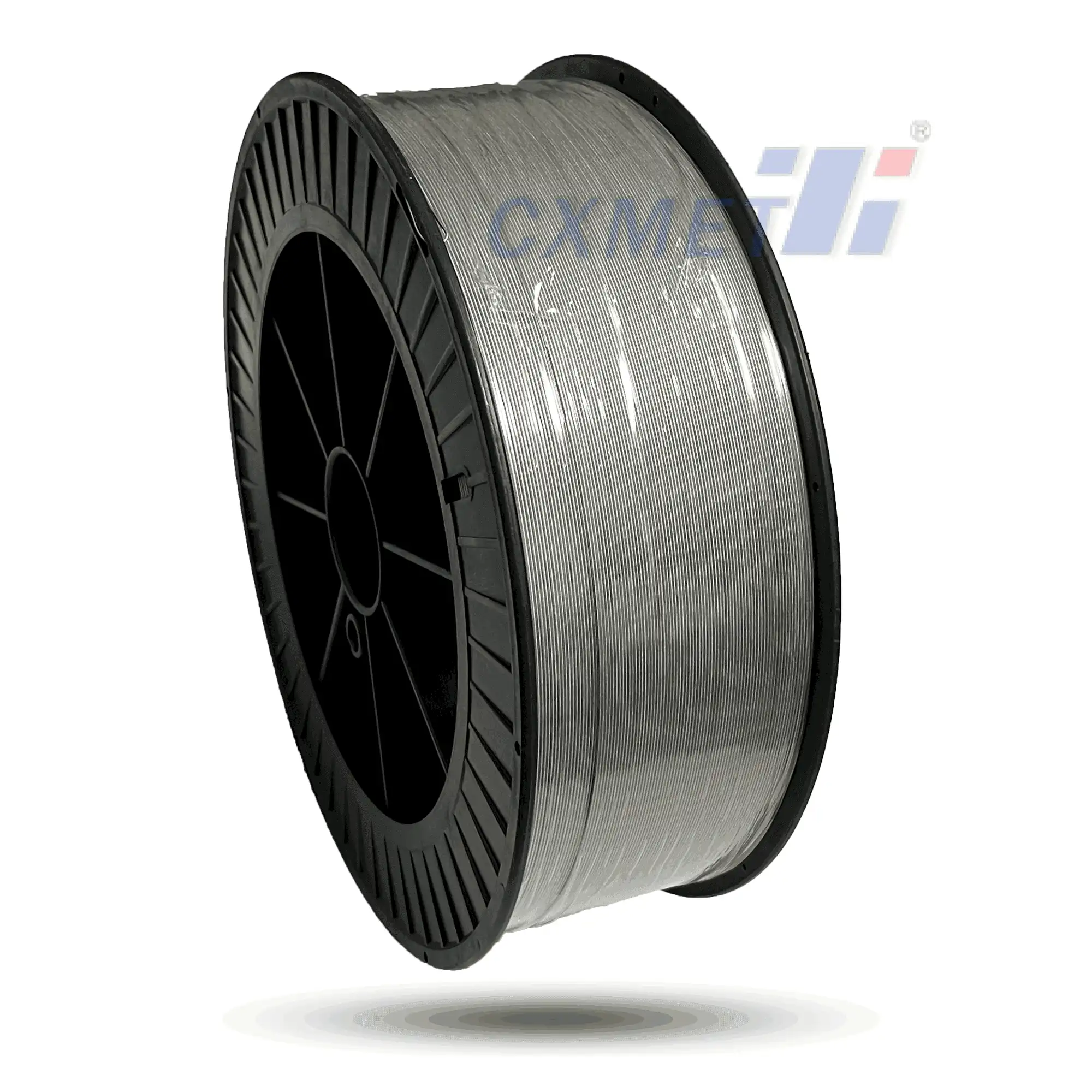
Specialised methods are used to package Gr23 titanium wire so that it keeps its important mechanical qualities and biocompatibility while it is being shipped and stored. To keep things from oxidising and getting dirty, manufacturers use spools, reels, and protective coils along with moisture barriers, vacuum closing, or inert gas purging. To keep the wire from getting kinked or stressed out during the coiling process, precise tension control and automated machines are needed. The Ti-6Al-4V ELI alloy will be ready for high-precision uses in medical devices, aerospace parts, and chemical processing equipment when it gets to your site, thanks to this careful packaging.
|
|
|

Understanding Gr23 Titanium Wire Packaging Requirements
The unique composition of this titanium alloy variant creates distinct packaging challenges that directly affect material performance. At SHAANXI CXMET TECHNOLOGY CO., LTD, we recognize that the exceptional biocompatibility, high tensile strength, and corrosion resistance inherent in this alloy wire can only be preserved through meticulous packaging protocols.
Protection Against Environmental Hazards
Titanium metal wire is at great risk when it is being moved or stored because it is exposed to the environment. When oxygen interacts with high temperatures, it can create an alpha case layer on the wire's surface. This makes the wire less flexible and resistant to wear. Infiltration of moisture leads to rust and contaminates the clean surface needed for making medical implants. Multiple barriers in our packaging methods protect against these weaknesses. The first layer of each coil is neutral pH paper. This is followed by a layer of moisture-resistant polyethylene film, and finally, the coils are sealed inside rigid corrugated cases. Using layers in this way makes good protection against changes in humidity, temperature, and particulate contamination.
Compliance with International Standards
Following the rules sets trustworthy suppliers apart from less-than-stellar rivals in the titanium wire market. Not only do the ASTM F136 and ISO 5832-3 standards say what the metal is made of, but they also say how it should be handled and packed. Our building keeps its ISO 9001:2015 certification, which makes sure that the packaging processes are regularly checked and are getting better. Each shipment comes with paperwork that includes test reports on the materials, records of inspections of the packaging, and traceability numbers that connect the wire batch to specific production parameters. This openness makes buyers more confident and makes the quality assurance process easier for getting inspections.
Mechanical Property Preservation
The method of packing has a direct effect on whether the wire keeps its mechanical properties after delivery. Ultimate tensile strength of more than 860 MPa and yield strength of about 795 MPa can be lost if the coiling tension is wrong or there isn't enough support during shipping. We use calibrated coiling equipment that provides consistent, low tension—just enough to keep the integrity of the coil without creating extra stress. Protective end caps on the spool flanges keep the edges from deforming, and internal supports keep the shape of the coil stable while it is being handled. These steps make sure that engineers get the wire that Gr23 titanium wire has all the mechanical qualities they need for difficult fabrication processes.
Common Packaging and Coiling Methods for Gr23 Titanium Wire
Traditional and innovative packaging strategies coexist in the current market, each offering distinct advantages depending on application requirements and logistical considerations.
Traditional Spool and Reel Systems
Wooden and plastic spools remain widespread for wire diameters ranging from 0.5 mm to 6.0 mm. These reels provide structural support and facilitate handling with standard material transport equipment. The wire undergoes precision winding onto spools with traverse mechanisms that distribute layers evenly, preventing overlap and tangling. Protective wrapping materials—typically acid-free paper combined with polyethylene barriers—shield the wire from environmental exposure. While cost-effective and compatible with existing manufacturing infrastructure, traditional packaging requires careful execution to avoid pitfalls. Inadequate tension during spooling creates loose coils prone to tangling, while excessive tension induces mechanical stress affecting fatigue performance.
Advanced Vacuum Sealing Technology
Modern suppliers increasingly adopt vacuum packaging methods that significantly extend shelf life and eliminate oxidation risks during extended storage periods. Our vacuum sealing process begins with coil preparation in controlled atmosphere environments, where humidity levels remain below 40% relative humidity. The wire coil receives placement within heavy-duty, multi-layer barrier films featuring aluminum laminate construction. Industrial vacuum chambers evacuate atmospheric gases before heat-sealing the package perimeter. This approach creates an oxygen-depleted environment where surface oxidation becomes thermodynamically unfavorable. Procurement managers ordering bulk quantities for phased production schedules benefit enormously from vacuum-packaged wire that maintains pristine surface conditions for twelve months or longer.
Inert Gas Purging Systems
Specialized applications requiring absolute contamination control benefit from argon or nitrogen purging during packaging. The wire coil is positioned within hermetically sealed containers, which then undergo multiple purge cycles, replacing atmospheric gases with ultra-high purity inert gases. This methodology proves particularly valuable for wire destined for medical implant manufacturing, where even trace surface contamination can trigger rejection during final inspection. Leading manufacturers document gas purity levels and provide certificates of conformance verifying the inert atmosphere composition, supporting regulatory compliance for medical device production.
Optimizing Coiling Techniques for Efficient Usage and Handling
Coiling methodology exerts a profound influence on wire usability throughout subsequent manufacturing operations. Improper techniques introduce defects that manifest during fabrication, causing production delays and material waste.
Critical Coiling Parameters
Coil diameter selection balances compactness for shipping Gr23 titanium wire efficiency against mechanical stress minimization. Smaller diameter coils occupy less space but impose tighter bending radii that can approach the material's minimum bend radius. Our engineering team calculates optimal coil diameters based on wire gauge, with typical ratios maintaining coil diameter at a minimum of twenty times the wire diameter. This proportion ensures that residual curvature remains within acceptable limits for straightening operations. Tension control during winding represents another critical parameter. Automated coiling machinery at our facility employs closed-loop tension feedback systems, maintaining consistency within ±5% across the entire coil length. This precision prevents the alternating tight and loose sections that cause bird-nesting during unwinding.
Layering and Traverse Techniques
Multi-layer coil construction requires sophisticated traverse mechanisms that distribute wire evenly across the spool width. Random winding patterns create uneven coil surfaces where protruding wire segments risk damage during handling. Our precision coiling equipment employs programmable traverse systems that create uniform, level-wound layers with controlled pitch. Each layer receives a protective interleaf separator—typically thin polyethylene film—preventing layer-to-layer abrasion during transport vibration. The resulting coil structure unwinds smoothly in automated production environments, feeding wire straightening equipment and fabrication machinery without interruption.
Automated Coiling Equipment Advantages
High-volume procurement benefits significantly from wire processed through automated coiling lines. These systems integrate tension monitoring, traverse control, and real-time diameter measurement into unified quality control frameworks. Statistical process control algorithms detect deviations from target parameters, triggering immediate corrections before defective coiling progresses. The consistency achieved through automation translates directly into reduced setup time and higher first-pass yield rates when your manufacturing team integrates the wire into production processes. Buyers specifying large-volume orders should inquire whether prospective suppliers employ automated coiling technology, as this capability serves as a reliable indicator of process maturity and quality commitment.
Procurement and Logistics Considerations in Packaging of Gr23 Titanium Wire
Packaging functionality extends beyond material protection to encompass logistics efficiency and regulatory compliance throughout complex international supply chains.
Environmental Resilience During Transit
International shipping exposes packaged wire to temperature extremes, humidity variations, and mechanical shock from handling equipment. Marine transport through tropical regions subjects containers to sustained high humidity and elevated temperatures exceeding 40°C. Our packaging designs incorporate desiccant packets positioned strategically within sealed containers, maintaining internal relative humidity below 30% even when external conditions reach saturation levels. Shock-absorbing corner protectors and internal bracing systems distribute impact forces, preventing coil deformation during handling incidents. These protective measures proved essential during recent shipments to Gulf Coast chemical processing facilities, where summer heat and humidity pose significant material degradation risks.
Regulatory Compliance and Documentation
Cross-border shipments require comprehensive documentation of Gr23 titanium wire satisfying customs regulations, industry standards, and client specifications. Each shipment from SHAANXI CXMET TECHNOLOGY CO., LTD includes material certifications tracing the wire to specific heat lots, packaging inspection reports confirming protective measures, and handling instructions in multiple languages. Our export documentation complies with International Air Transport Association regulations for air freight and International Maritime Dangerous Goods codes for ocean transport, expediting customs clearance and reducing shipment delays. Procurement professionals appreciate the completeness of our documentation packages, which streamline receiving inspections and support internal traceability requirements.
Customized Packaging for Specific Applications
Standard packaging configurations suit general industrial applications, but specialized requirements benefit from tailored solutions. Medical device manufacturers often require smaller spool quantities with enhanced contamination barriers and individual serial number tracking. Aerospace component fabricators may specify custom coil diameters matching their automated wire feeding equipment. We collaborate closely with procurement teams to design packaging solutions addressing unique operational requirements. Recent engagements included developing split-core spools for ergonomic handling in manual fabrication environments and designing stackable container systems, optimizing warehouse space utilization for distributors maintaining substantial inventory levels.
Best Practices and Recommendations for Buyers of Gr23 Titanium Wire
Procurement professionals can implement straightforward protocols, ensuring consistent wire quality and optimizing supply chain performance.
Receiving Inspection Protocols
Incoming material inspection represents the critical control point where packaging effectiveness receives verification, and wire quality undergoes confirmation. Inspection procedures should encompass visual examination of external packaging for transit damage, verification that moisture indicator cards remain within acceptable color ranges, and assessment of coil condition upon package opening. Wire surface examination under adequate lighting reveals oxidation discoloration or contamination requiring supplier notification. Dimensional verification through micrometer measurements at multiple coil locations confirms diameter consistency within specified tolerances. We recommend documenting inspection findings photographically and maintaining records supporting supplier performance evaluation.
Specification Communication
Ambiguous procurement specifications generate misunderstandings that result in unsuitable packaging configurations. Effective purchase orders clearly state wire diameter with tolerances, spool type preferences, coil weight limitations, and any special packaging requirements. Providing CAD models of your wire handling equipment assists suppliers in optimizing coil dimensions for seamless integration. Specifying surface finish requirements—whether pickled, ground, or as-drawn—ensures appropriate protective measures during packaging. Our technical sales team appreciates detailed specifications, as they enable us to configure packaging solutions precisely matching your operational workflows.
Storage Environment Management
If you don't control the surroundings, wire properties can change after being stored for a long time. Temperatures and humidity levels between 15 and 25°C and 30 to 50 percent relative humidity are maintained in climate-controlled warehouses so that wire properties are kept forever. Vacuum-packaged wire can handle less severe conditions, but it benefits from being stored higher, which keeps ground moisture out. Using first-in, first-out inventory movement cuts down on the time items are stored, which lowers the already low risk of damage to the property. Checking stored wire on a regular basis, especially packages that have been kept for more than six months, lets you know right away if any packaging barrier fails and needs fixing.
Conclusion
How the Gr23 titanium wire is packed and wound is the main factor that determines whether it arrives at your building in perfect condition for tough jobs. Due to its unique properties, this alloy has specific needs that require extra safety steps beyond standard metal wire packaging. Best practices in the industry, like vacuum sealing, inert gas purging, and precision coiling tools, set quality-focused suppliers apart from commodity vendors. If procurement professionals know about these technical aspects, they can clearly state what they need, accurately assess a supplier's abilities, and set up receiving procedures that guarantee consistent material quality. Putting money into the right packaging pays off in the form of less waste, fewer interruptions in production, and the ability to confidently meet strict application requirements in the chemical processing, medical, and aircraft industries.
FAQ
1. Why does Gr23 titanium wire require specialized packaging compared to other titanium grades?
The Extra Low Interstitial designation defining this alloy creates specific vulnerabilities requiring enhanced protection. Lower oxygen content, while beneficial for ductility and fracture toughness, makes the surface more reactive to atmospheric oxygen during extended exposure. The biocompatibility requirements for medical applications demand contamination-free surfaces that conventional packaging cannot reliably maintain. Specialized packaging prevents oxidation, contamination, and mechanical damage that would compromise the precise properties distinguishing this premium alloy variant.
2. How do coiling methods affect the mechanical strength and usability of the wire?
Improper coiling induces residual stress concentrations and microscopic deformation affecting fatigue performance. Excessive tension during winding introduces cold work that alters mechanical properties unpredictably. Inadequate tension creates loose coils prone to tangling, causing bird-nesting during unwinding that damages the wire and disrupts production. Optimal coiling employs calibrated tension, maintaining wire integrity while producing compact, stable coils that unwind smoothly in automated manufacturing environments, preserving the full mechanical property envelope required for reliable component fabrication.
3. Can I request custom packaging configurations for my specific application needs?
Custom packaging solutions represent a core capability distinguishing responsive suppliers from rigid commodity vendors. We routinely collaborate with clients, developing specialized packaging addressing unique operational requirements. Medical device manufacturers receive enhanced contamination barriers with individual traceability. Aerospace fabricators obtain custom coil geometries matching proprietary feeding equipment. The key involves clear communication of your requirements during procurement discussions, enabling our engineering team to design packaging solutions optimizing your manufacturing workflows.
Partner with CXMET for Superior Gr23 Titanium Wire Quality
SHAANXI CXMET TECHNOLOGY CO., LTD stands ready to support your titanium Gr23 titanium wire alloy requirements with ISO-certified manufacturing excellence and specialized packaging expertise. Our Gr23 titanium wire arrives precisely packaged for your application needs, whether you require medical-grade surface finishes for implant fabrication or aerospace specifications for critical components. As an established supplier with over 20 years of experience serving the marine, chemical processing, and power generation industries, we combine metallurgical expertise with logistics proficiency, ensuring on-time delivery of premium materials. Contact our technical team at sales@cxmet.com to discuss your specific requirements and request detailed quotations for bulk orders with customized packaging configurations.
References
1. American Society for Testing and Materials. "ASTM F136-13: Standard Specification for Wrought Titanium-6Aluminum-4Vanadium ELI Alloy for Surgical Implant Applications." West Conshohocken, PA: ASTM International, 2013.
2. International Organization for Standardization. "ISO 5832-3:2016: Implants for Surgery — Metallic Materials — Part 3: Wrought Titanium 6-Aluminum 4-Vanadium Alloy." Geneva: ISO, 2016.
3. Donachie, Matthew J. "Titanium: A Technical Guide, 2nd Edition." Materials Park, OH: ASM International, 2000.
4. Lütjering, Gerd and James C. Williams. "Titanium, 2nd Edition: Engineering Materials and Processes." Berlin: Springer-Verlag, 2007.
5. Peters, Manfred et al. "Structure and Properties of Titanium and Titanium Alloys." In "Titanium and Titanium Alloys: Fundamentals and Applications," edited by Christoph Leyens and Manfred Peters. Weinheim: Wiley-VCH, 2003.
6. Boyer, Rodney et al. "Materials Properties Handbook: Titanium Alloys." Materials Park, OH: ASM International, 1994.