knowledges
How Is Thermal Stability Managed in Hafnium Oxide HfO₂ Tablet Use?
2026-04-21 14:26:16
To keep Hafnium oxide HfO2 tablets thermally stable, you need to pay close attention to the properties of the material, the controls for the environment, and the processing factors. In the methods of making semiconductors and optical coatings, thermal stability has a direct effect on the dielectric performance, structural integrity, and long-term dependability. To be a good manager, you need to be able to control crystalline phase changes, keep impurities from getting into the product, follow the right storage rules, and choose the right synthesis method. To get the best thermal performance, engineers need to know how the crystal structure, especially the cubic phase, affects temperature resistance. They also need to keep the purity levels above 99.9% and the particle size distribution below 10 microns. Managing the temperature budget correctly during deposition and annealing ensures that Hafnium oxide HfO2 tablet material always works well in tough industrial settings.
|
|
|
Understanding Thermal Stability Challenges in Hafnium Oxide HfO₂ Tablets
When we work with high-performance dielectric materials in semiconductor manufacturing, thermal stability becomes one of the most pressing concerns. The hafnium oxide material must withstand repeated exposure to elevated temperatures during deposition, annealing, and device operation without degrading its essential properties.
Phase Transition Concerns During Thermal Cycling
Hafnium oxide comes in a number of different solid forms, and heat stress can make phase changes that aren't wanted. The single-phase state stays the same at room temperature. When heated to 1700°C, it changes to tetragonal, and when heated even more, it finally turns into cubic. These changes can affect the dielectric constant and mechanical qualities, which could make the device less effective. During industrial processes that heat and cool things down and back again, uncontrolled phase changes make thin-film structures less stable and more stressed. When engineers plan the process temperatures, they need to think about these changes. This is especially important when the material is heated and cooled several times while the device is being put together.
Impurity-Driven Degradation Mechanisms
When things are being made or handled, adding contaminants speeds up the breakdown process at high temperatures. A little sodium, potassium, or another alkali metal can lower the freezing point and make it crystallise at lower temperatures, which you don't want. Zirconium is chemically similar to hafnium, but it often shows up as a residue because it is hard to separate these two elements. Sometimes small amounts of zirconium are fine, but if the amount changes, the optical and heat properties can also change. To cut down on these impurity-related failure modes as much as possible, we make sure that our production keeps purity levels above 99.9%. This makes sure that the thermal reaction is predictable across the whole working temperature range.
Environmental Exposure and Storage Challenges
The secret threat to temperature stability is that it can soak up water while being stored. You can lose even small amounts of water during vacuum formation. This can damage the film and make the thermal properties uneven. Adding hydroxyl groups to the surfaces of particles lowers the temperature at which they break down, which makes high-temperature processes less reliable. To stop this decline, materials should be properly packed in vacuum-sealed or inert gas environments. This makes sure that the materials stay good from the time they are made until they are used.
Core Factors and Properties Influencing Thermal Stability of Hafnium Oxide Tablets
The intrinsic properties of hafnium oxide determine its thermal endurance in demanding applications. Understanding these fundamental characteristics allows procurement teams and R&D engineers to specify materials that meet their precise thermal requirements.
Crystal Structure and Phase Stability
The cubic crystal structure is more stable at high temperatures than the monoclinic or tetragonal phases. Our tablets have a cubic shape that keeps them from changing phases up to temperatures close to 2758°C, Hafnium oxide HfO2 tablet, which is the melting point. Because it is so resistant to heat, the material can be used as a thermal barrier in aerospace engines and in high-temperature optical uses. The cubic phase also has isotropic qualities, which means that there are no directional changes in thermal expansion that could cause stress when the temperature changes. The way a material reacts to thermal stress depends on the shape and size of its particles and crystals. Particles smaller than 10 microns should be spread out evenly so that they sinter consistently and have predictable thermal properties in the end application. Smaller crystallites usually stay stable better against grain growth at high temperatures, keeping their mechanical strength and dielectric performance over the length of the device.
Dielectric Performance Under Thermal Stress
Hafnium oxide is very useful in semiconductor capacitors and gate dielectrics because it has a high-k dielectric constant of about 25. This dielectric constant changes with temperature, and controlling this link is very important for making sure the device works well. The dielectric constant may change slightly as the temperature rises, and the leaking current can grow very quickly if thermal stability is lost. The purity and quality of the crystals directly affect how these properties change with temperature. Processing conditions must be carefully chosen to achieve a balance between high dielectric performance and thermal stability. Films made from tablets that are very pure keep their dielectric properties fixed over a wider range of temperatures than films made from sources that are not as pure. The density of 9.68 g/cm³ helps to make the film more compact by lowering the number of defects that could act as starting points for heat degradation.
Synthesis Methods and Their Thermal Implications
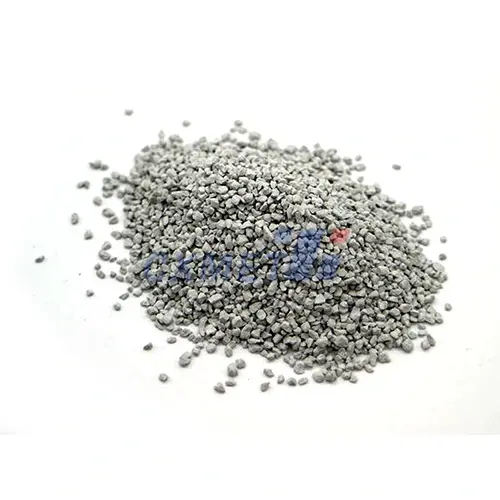
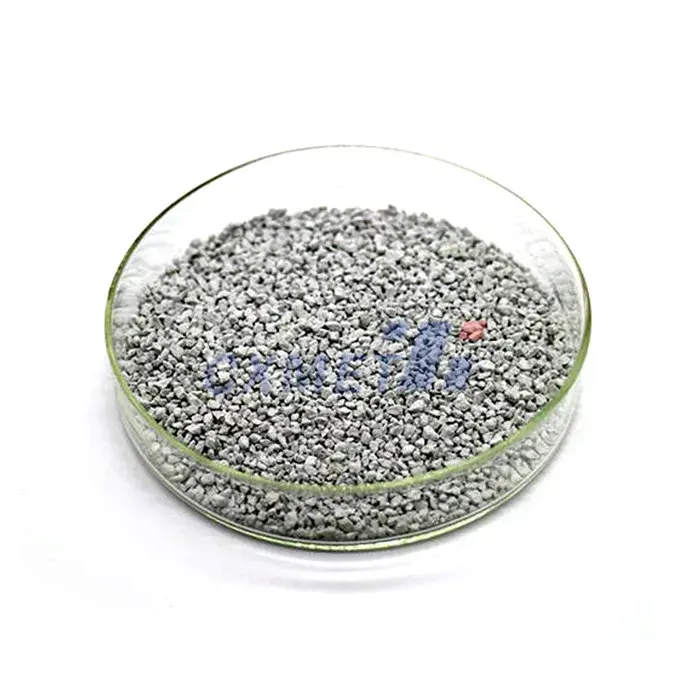
Chemical vapour deposition and electron beam evaporation are the main ways that hafnium oxide tablets are used in manufacturing processes. E-beam evaporation works with materials that have a high melting point, but it needs tablets that are very good at transferring heat so that areas don't get too hot and start to spatter. Sub-stoichiometric tablets, which look grey or black because they don't have enough oxygen, make heating easier and lower the charging effects during evaporation. They then oxidise to a stoichiometric composition during deposition in oxygen-rich environments. Sol-gel synthesis, which is used in some coating applications, makes materials with different microstructures than vapor-deposited films. The temperature history during synthesis changes how residual stress and densification behave, which in turn changes how thermally stable the material is during later processing. The exact thermal needs of the end application determine which synthesis route is best.
Comparative Insights: Thermal Stability of Hafnium Oxide vs Alternative Materials
Making informed material selection decisions requires understanding how hafnium oxide performs relative to competing options. Each material brings distinct thermal characteristics that suit different application environments.
Zirconium Oxide: Chemical Similarities with Key Differences
Many of the chemical qualities of zirconium oxide and hafnium oxide are the same, such as having a high melting point and great thermal stability. But zirconia has a different phase transition temperature. Around 1170°C, it changes from a monoclinic shape to a tetragonal shape. This lower transition temperature can be a problem in situations where the dimensions need to stay stable above this point. Hafnium oxide stays stable in its cubic phase at much higher temperatures, which makes it more useful for use in harsh environments. Zirconia's refractive index is slightly different from hafnium oxide's, which makes it less useful for optical coating uses. When it comes to UV laser optics, engineers usually choose hafnium oxide because it absorbs less ultraviolet light and can handle more laser damage.
Titanium Oxide and Tantalum Pentoxide Alternatives
Titanium dioxide and tantalum pentoxide are both used as high-refractive-index materials in optical films, but they are not as stable at high temperatures as hafnium oxide. Titanium oxide absorbs UV light more strongly and is more sensitive to changes in temperature, which makes it less useful for high-power laser uses. Tantalum pentoxide has good optical properties, but hafnium oxide is better at withstanding high temperatures. This is important for aerospace thermal barrier coatings or semiconductor processes that go above 1000°C. Sometimes, cheaper alternatives are better, especially when extreme thermal stability is not important. Titanium oxide is much cheaper than hafnium oxide, which makes it a good choice for normal optical filters and consumer electronics. But hafnium oxide's better thermal performance makes it worth the money for oil and gas monitors, aerospace parts, and advanced semiconductor devices where dependability is very important.
Performance-Cost Analysis for Procurement Decisions
Material prices must be weighed against the need for long-term dependability, hafnium oxide HfO2 tablet, and performance by procurement managers. Because it is hard to get hafnium out of rocks and make it pure, hafnium oxide tablets are very expensive. But when devices fail because of materials that are thermally unstable, it costs a lot more in warranty claims, damage to the company's reputation, and production delays. Hafnium oxide's thermal resilience is very useful for uses that need to handle thermal cycling, high power, or long service life. The fact that the material doesn't dissolve in water and can't be damaged by chemicals makes it even more reliable in harsh environments like chemical processing and marine uses. Hafnium oxide is often the most cost-effective choice for harsh thermal environments when you look at the total cost of ownership, which includes processing yield, device lifetime, and upkeep needs.
Practical Strategies for Managing Thermal Stability in Industrial Use
Translating material properties into successful industrial outcomes requires systematic attention to selection, handling, and process control. These practical strategies help manufacturing teams maximize thermal stability throughout the production cycle.
Material Selection and Specification Standards
Establishing minimum quality standards represents the foundation of thermal stability management. Purity levels above 99.9% ensure minimal contamination that could compromise thermal performance. Particle size specifications below 10 microns promote uniform evaporation or sintering behavior, reducing the risk of localized overheating or incomplete densification. When procuring materials, requesting certificates of analysis that document purity, particle size distribution, and crystalline phase composition allows verification that materials meet thermal stability requirements. Crystal structure specification deserves particular attention. Confirming that tablets possess the cubic phase ensures predictable thermal behavior throughout processing. Some suppliers offer tablets in different crystalline forms for specific applications, so explicitly specifying the cubic structure prevents misunderstandings that could lead to thermal instability issues during device fabrication.
Storage and Handling Best Practices
Protecting the quality of materials from the time they are received until they are used stops degradation that threatens thermal stability. Our packaging uses moisture-proof aluminium foil bags that are vacuum-sealed or filled with inert gases to create atmospheres that keep out air and humidity. Once goods are received, they should be sealed up until they are used, so they don't have to be exposed to the environment for too long. When storing them, they should be kept in a place with low humidity (ideally below 20% relative humidity) and no extreme temperatures. Cleanroom-grade containers keep the surface clean, stopping particles from getting on it and making mistakes during layering or sintering. Anti-static packaging stops electrostatic discharge that could damage tablet surfaces or attract contaminant particles. Letting tablets acclimatise to chamber temperature before putting them into vacuum systems lowers the risk of thermal shock and outgassing. Pre-heating crucibles or evaporation sources gradually makes sure that the temperature is spread out evenly. This stops the spitting effect that happens when trapped water or gases quickly expand when the temperature rises quickly.
Process Control During Fabrication
Managing the thermal budget while making a device is what determines whether the material's natural thermal stability leads to stable device performance. Setting upper temperature limits and increasing rates for each step of the process stops phase changes or thermal stress buildup that wasn't meant to happen. To relieve stress without causing unwanted crystallisation or grain growth, annealing procedures should be fine-tuned. In electron beam evaporation, controlling beam power and sweep patterns makes sure that the material is heated evenly and the rate of evaporation stays steady. Ion-assisted deposition methods can make films denser and more stable at high temperatures, which makes coatings that last longer in harsh environments. Monitoring the pressure in the deposition room and the partial pressure of oxygen lets you make changes in real time to keep the stoichiometric composition, which has a direct effect on thermal stability. The compatibility of the substrate also has an effect on thermal stability management. When the temperature changes, stress is caused when the hafnium oxide films and the materials below them don't have the same coefficient of thermal expansion. This problem can be fixed by using compatible substrate materials or adding buffer layers, which also makes the total thermal reliability better. Because they all have similar thermal expansion properties, silicon, sapphire, and some ceramic surfaces work well with hafnium oxide.
Partnering with Trusted Suppliers to Ensure Consistent Thermal Stability
Material consistency determines whether the thermal stability of the Hafnium oxide HfO2 tablet remains predictable across production batches. Strategic supplier relationships provide access to quality materials and technical support that enhance manufacturing success.
Evaluating Manufacturer Quality Standards
Reliable providers of hafnium oxide tablets keep a close eye on quality by having clear certification and written testing methods. You should look for companies that give you a lot of information about how stable they are. For example, thermal gravimetric analysis (TGA) studies can show you how the material breaks down and how much weight it loses. Differential scanning calorimetry (DSC) data show the temperatures at which phases change. This lets you check that the materials will stay stable during the time you have to handle them. If you want to show that you are committed to consistent production methods, get ISO approval and follow foreign standards. Customers can be sure that the specs are met from one batch to the next when makers keep track of where their raw materials come from and when they send out the finished product. A third party does regular quality checks and tests to make sure that the performance traits that were said to be true are true.
Supply Chain Reliability and Lead Time Management
Materials need to be available at the right time for production plans to work. When providers have enough stock and a number of shipping options, production stops are less likely to happen. It's easier to plan and keep track of inventory when you know the difference between normal product lead times and lead times for special specifications. Having certain materials on hand can be useful in some situations, especially when the quality of a device rests on how well the materials keep their quality over time. You can save money and make sure you always have things on hand by buying in bulk. When you order a certain amount of a product, you can often get better deals and more time to have it made. This makes sure that there will be enough of the product when it's needed the most. Your sellers can guess what you'll need and change how much they make to meet that need with collaborative forecasts.
Customization and OEM Collaboration Opportunities
For more complicated uses, the material might need to have qualities that aren't listed in the normal specs. With custom tablet formulas from providers, you can get the most out of certain temperatures or ways of processing. For some uses, the material can be made more thermally stable by changing the particle size distribution, the oxygen stoichiometry, or by adding supporting elements. Working on a product together technically during development speeds up coming up with new ideas and fixing problems. You can get new ideas for how to do things, how to process things, or how to change the qualities of products from suppliers who know a lot about applications engineering. When buyers work together in this way, they are no longer just suppliers; they are strategic partners who help the product succeed. Shaanxi CXMET Technology Co., Ltd. is a great example of this way of working together because it has been working with non-ferrous metals for over 20 years and has expert support teams that are just for that. Our hafnium oxide pills have a cubic crystal structure that doesn't change, and they are more than 99.9% pure. They were made for things that need to be very stable at high temperatures.
Conclusion
Keeping hafnium oxide tablets stable at high temperatures requires careful attention to the qualities of the material, the right way to handle it, and the controls that govern the process. Quality pills are thermally reliable because they have a cubic crystal structure, are very pure, and keep the particle size under control. Engineers can use successful thermal management strategies if they understand how phase transitions work, how impurities affect them, and how the environment affects them. Comparative analysis of different materials helps buyers make choices that are both cost-effective and meet performance standards. Careful selection, proper storage, and optimised processing are the keys to turning material powers into reliable device performance. Strategic relationships with suppliers ensure consistent quality and allow customisation for specialised applications. This supports innovation in the semiconductor, optical, aerospace, and industrial sectors where thermal stability is key to success.
FAQ
1. What temperature range can hafnium oxide tablets withstand?
Hafnium oxide tablets exhibit exceptional thermal stability with a melting point of 2758°C. The cubic crystal structure remains stable from room temperature to temperatures approaching this melting point, making the material suitable for extreme thermal environments. Processing temperatures typically range from 400°C to 1800°C, depending on the application, with the material maintaining its dielectric and mechanical properties throughout this range when properly managed.
2. How does moisture affect thermal stability?
Moisture contamination significantly compromises thermal stability by introducing hydroxyl groups that lower decomposition temperature and cause outgassing during heating. Even small amounts of adsorbed water create defects during film deposition and unpredictable thermal behavior. Vacuum-sealed or inert gas packaging prevents moisture absorption during storage, preserving the material's inherent thermal properties. Cleanroom handling and low-humidity storage environments further protect against moisture-related degradation.
3. Why do some tablets appear black instead of white?
Black or gray hafnium oxide tablets contain intentional oxygen deficiency, creating a sub-stoichiometric HfOₓ composition. This modification increases electrical and thermal conductivity, facilitating easier heating during electron beam evaporation and reducing dielectric breakdown risk. The material oxidizes to stoichiometric HfO₂ during deposition in oxygen-rich environments, producing the desired white, transparent films. This approach enhances processing reliability while maintaining final film thermal stability.
Partner with CXMET for Superior Hafnium Oxide HfO₂ Tablet Solutions
Shaanxi CXMET Technology Co., Ltd. brings over 20 years of specialized experience in producing high-performance hafnium oxide HfO2 tablets engineered for exceptional thermal stability. Located in China's "Titanium Valley," our 50,000-square-meter facility houses over 80 professional technicians dedicated to advancing non-ferrous metal technology. Our tablets maintain a cubic crystal structure with purity exceeding 99.9%, particle size controlled below 10 microns, Hafnium oxide HfO2 tablet, and a density of 9.68 g/cm³—specifications optimized for demanding thermal environments in semiconductor, optical, aerospace, and industrial applications. We offer customized technical support tailored to your specific thermal management challenges, backed by rigorous quality certifications and transparent testing data. As a trusted hafnium oxide HfO2 tablet supplier, we provide flexible packaging options, reliable supply chain management, and OEM collaboration opportunities that transform material challenges into competitive advantages. Contact our team at sales@cxmet.com to discuss how our thermal stability solutions can enhance your product reliability and manufacturing efficiency.
References
1. Robertson, J. (2006). "High Dielectric Constant Gate Oxides for Metal Oxide Semiconductor Transistors." Reports on Progress in Physics, Vol. 69, pp. 327-396.
2. Zhao, X. and Vanderbilt, D. (2002). "First-Principles Study of Structural, Vibrational, and Lattice Dielectric Properties of Hafnium Oxide." Physical Review B, Vol. 65, Article 233106.
3 Wilk, G.D., Wallace, R.M., and Anthony, J.M. (2001). "High-κ Gate Dielectrics: Current Status and Materials Properties Considerations." Journal of Applied Physics, Vol. 89, No. 10, pp. 5243-5275.
4. Neumayer, D.A. and Cartier, E. (2001). "Materials Characterization of ZrO₂-SiO₂ and HfO₂-SiO₂ Binary Oxides Deposited by Chemical Solution Deposition." Journal of Applied Physics, Vol. 90, No. 4, pp. 1801-1808.
5. Wang, J., Li, H.P., and Stevens, R. (1992). "Hafnia and Hafnia-Toughened Ceramics." Journal of Materials Science, Vol. 27, pp. 5397-5430.
6. Luo, W., Yuan, G., Liu, Y., and Huang, Z. (2015). "Thermal Stability and Phase Transformation of Hafnium Oxide Films on Silicon Substrate." Applied Surface Science, Vol. 351, pp. 558-564.