knowledges
How Lightweight Is an MMO Mesh Ribbon Anode Compared to Blades?
2026-03-19 11:27:02
MMO Mesh Ribbon Anodes are significantly lighter than traditional blade anodes, typically weighing 60-70% less due to their titanium substrate construction and mesh design. This weight reduction stems from the expanded titanium mesh structure coated with mixed metal oxides, compared to the solid metal construction of blade anodes. The lightweight nature of mesh ribbon anodes translates directly into reduced installation costs, easier handling, and lower shipping expenses for industrial applications.
|
|
|
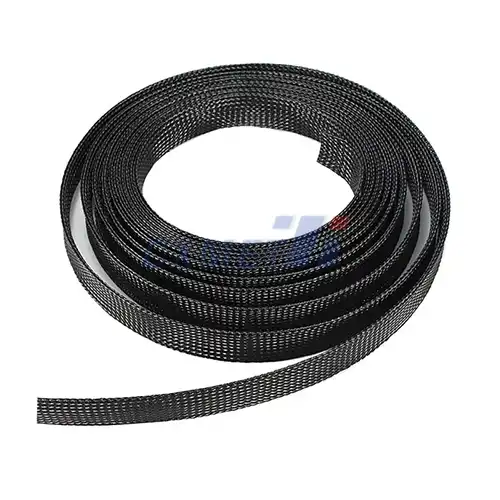

Introduction to MMO Mesh Ribbon Anodes and Blade Anodes
Understanding the fundamental differences between MMO mesh ribbon anodes and blade anodes requires examining their construction, materials, and intended applications in cathodic protection systems. These two anode types serve similar corrosion prevention purposes but employ distinctly different approaches to achieve optimal performance.
Material Composition and Manufacturing
The titanium substrate used in MMO mesh ribbon anodes is made according to ASTM B265 Grade 1 standards. This gives the anodes great chemical corrosion protection and mechanical integrity. The titanium mesh goes through processes that make it lighter and more flexible while keeping its ability to carry electricity throughout the anode's design life. A special mixed metal oxide coating, usually made up of iridium and tantalum oxides (IrO₂/Ta₂O₉), is sintered onto the titanium surface using automated production methods. On the other hand, blade anodes are solidly built from high-silicon cast iron, graphite, or other conductive metals. Traditional casting or machining methods are used to make them, which creates thick, rigid structures that are made to fit certain mounting arrangements. While solid construction is stronger mechanically, it makes the total weight a lot higher than mesh options.
Structural Design Differences
The mesh ribbon configuration is very flexible, letting it be installed on curved surfaces and complicated geometries where blade anodes would not work. This adaptability goes beyond making installation easier; it also makes current distribution across protected areas more efficient. While the ribbon structure can bend to fit irregular forms, it still provides the best contact and protection coverage. Weighing becomes especially important in large-scale industrial settings where many anodes need to be installed. Anode weight is directly related to the cost of transportation, the tools needed for handling, and the work that needs to be done during installation. These operational burdens are reduced by lightweight designs that keep protection effective. This creates a compelling value proposition for MMO Mesh Ribbon Anodes for engineering teams that are in charge of large cathodic protection projects.
Technical Comparison: Weight and Structure Analysis
Detailed technical analysis reveals substantial weight advantages when comparing MMO mesh ribbon anodes to traditional blade configurations. These differences impact multiple aspects of cathodic protection system design and implementation.
Surface Area-to-Weight Ratios
Because they are made of expanded mesh, MMO mesh ribbon anodes have better surface area-to-weight ratios. A standard 0.25-inch wide ribbon anode that weighs about 0.1 pounds per linear foot protects as well as blade anodes that weigh 1.5 to 2 pounds per similar coverage area. This 15-20% weight loss doesn't affect the electrical performance or corrosion resistance. The three-dimensional shape of the mesh structure creates more surface area, which makes the current distribution more efficient. Each strand of the enlarged titanium mesh adds a small amount of weight to the anode but increases its surface area. Because of this geometric benefit, engineers can choose protection systems that are lighter without lowering their electrochemical effectiveness.
Dimensional Configurations and Performance Metrics
The standard ribbon anode is 0.25 inches wide and 0.025 inches thick, and it has an electrical resistance of about 0.42 ohms per foot. According to these rules, the current rating is 100 mA per foot for 20 years of use in normal soil circumstances. Blade anodes that are similar need to be much bigger and heavier to produce the same amount of current. The lightweight design makes installation easier and lowers the risks of using a crane and handling the device by hand. Longer anode runs can be handled by installation teams without the need for special lifting tools. This speeds up project timelines and cuts down on labour costs. Having this operational benefit is especially helpful in remote areas where getting to equipment can be hard. Performance effects go beyond how easy it is to install and include long-term maintenance issues. The titanium substrate doesn't change chemically over the design life, so it doesn't need much upkeep. The lightweight design makes checking and replacement easier when the anode needs to be replaced decades after it was first installed.
Advantages of Lightweight MMO Mesh Ribbon Anodes in B2B Applications
Industrial applications across marine, oil and gas, chemical processing, and power generation sectors benefit substantially from lightweight anode technologies. The operational advantages extend throughout the product lifecycle, from procurement through installation and long-term maintenance.
Enhanced Installation Flexibility
The ribbon-like structure adapts to complex industrial geometries that challenge traditional blade anode installations. Tank bottoms, pipeline segments, and structural steelwork often feature irregular surfaces where flexible anodes provide superior contact and protection coverage. This adaptability reduces installation time and labor requirements for MMO Mesh Ribbon Anodes while improving protection effectiveness. Installation teams appreciate the reduced physical demands associated with lightweight anodes. Manual handling becomes safer and more efficient, particularly in confined spaces or elevated work areas. The flexibility allows installation in tight quarters where rigid blade anodes would require structural modifications or specialized access arrangements.
Cost Advantages in Global Supply Chains
Transportation and logistics costs decrease substantially when shipping lightweight anode systems. Air freight becomes economically viable for urgent project requirements, while standard shipping costs drop proportionally with weight reductions. These savings become particularly significant for international projects where freight costs represent substantial budget line items. Bulk procurement strategies benefit from reduced warehouse space requirements and simplified inventory management. The lightweight, flexible nature allows compact storage configurations that maximize facility utilization. Distribution networks can stock larger quantities without proportional increases in storage infrastructure or handling equipment requirements.
Real-World Performance Validation
Industrial case studies demonstrate measurable improvements in installation efficiency and system performance when transitioning from blade to mesh ribbon anodes. A major chemical processing facility reported 40% reduction in installation time and 25% decrease in total project costs when implementing mesh ribbon technology for tank farm protection. The flexible design enabled protection of previously challenging areas while reducing overall anode quantities through improved current distribution. Marine applications showcase similar advantages, with offshore platform installations benefiting from reduced helicopter transport requirements and simplified underwater installation procedures. The lightweight design enables divers to handle longer anode sections safely, reducing installation time and associated vessel costs.
Comparative Evaluation: MMO Mesh Ribbon Anode vs. Other Anode Types
Understanding how MMO mesh ribbon anodes compare to alternative technologies helps procurement specialists make informed decisions based on specific application requirements and operational constraints.
Weight Comparisons Across Anode Technologies
Traditional anode materials demonstrate significant weight penalties compared to mesh ribbon designs. High-silicon cast iron blade anodes typically weigh 8-12 pounds per linear foot, while graphite anodes range from 5-8 pounds per equivalent length. Zinc anodes, commonly used in marine applications, weigh 15-20 pounds per linear foot depending on configuration. These weight differences translate directly into handling, transportation, and installation cost variations. Projects requiring dozens or hundreds of anodes experience substantial cost impacts from weight-related factors. The cumulative effect often justifies higher unit costs for lightweight alternatives through reduced total project expenses.
Corrosion Resistance and Lifespan Analysis
MMO mesh ribbon anodes offer exceptional longevity, MMO Mesh Ribbon Anodes with design lives exceeding 50 years in typical soil and water environments. The titanium substrate provides inherent corrosion resistance, while the mixed metal oxide coating ensures consistent electrochemical performance throughout the operating period. This durability compares favorably to consumable anodes like zinc or magnesium that require periodic replacement. Blade anodes using high-silicon cast iron demonstrate good performance but remain susceptible to mechanical damage and consumption-related degradation. Graphite anodes offer reasonable longevity but suffer from brittleness and handling challenges. The robust nature of titanium mesh construction provides superior damage resistance during installation and operation.
Application Suitability and Market Positioning
Different anode types suit specific application environments and protection requirements. MMO mesh ribbon anodes excel in reinforced concrete protection, underground pipeline systems, and complex structural applications where flexibility provides installation advantages. The lightweight design makes them particularly attractive for retrofit applications where structural load limitations constrain anode selection. Certification standards and regulatory compliance play crucial roles in anode selection for critical applications. MMO mesh ribbon anodes manufactured to recognized industry standards provide assurance of quality and performance consistency. Procurement teams should verify compliance with relevant ASTM, NACE, or other applicable specifications when evaluating supplier offerings.
Procurement Guide for MMO Mesh Ribbon Anodes
Successful procurement of MMO mesh ribbon anodes requires understanding supplier capabilities, product specifications, and integration requirements within existing cathodic protection systems.
Supplier Evaluation Criteria
When choosing mesh ribbon anode providers, the quality of the manufacturing is the most important thing to think about. Automated production methods ensure consistent coating application and substrate preparation, which has a direct effect on how reliable the product will be in the long run. Suppliers with specialised production lines and quality control systems make it easier to be sure that all of your orders will get the same product. It's especially important to be able to provide technical help for installations that are hard to understand or for custom applications. Beyond just supplying products, suppliers who offer engineering help, installation advice, and ongoing expert consultation are very valuable. This help is especially useful when adding mesh ribbon anodes to safety systems that are already in place or when dealing with specific application issues.
Bulk Ordering and Logistics Considerations
For big projects to work, they need sellers who can handle a lot of orders in a short amount of time. Production capacity limits can affect project schedules, so evaluating a supplier's skills is an important part of planning a purchase. Suppliers whose yearly production capacity is more than one million meters can usually meet the needs of large projects without causing schedule delays. Lead times are very different depending on the size of the order, the level of customisation needed, and the supplier's production plans. Standard configurations usually have shorter lead times, while custom specs might need longer times to make. These things should be taken into account by procurement teams when planning projects and setting the right order time. Mesh ribbon anodes are easy to ship because they are light, but they need to be properly packaged to keep them from getting damaged during shipping. Suppliers should offer strong packing options that keep the mesh structure safe and make shipping as quick and easy as possible. If you follow the right handling directions, you can avoid installation problems that are caused by damage during transport.
Integration with Existing Systems
Successful integration requires understanding compatibility between new mesh ribbon anodes and existing cathodic protection infrastructure. Electrical connections, monitoring systems, and control equipment must accommodate the different characteristics of mesh versus blade anodes. Technical consultation during procurement planning helps identify potential integration challenges and solutions. Maintenance procedures may require adjustment when transitioning to mesh ribbon technology. The different physical characteristics and installation methods necessitate updated inspection protocols and maintenance scheduling. Training programs provided by suppliers can help maintenance teams adapt to new technology requirements effectively.
Company Introduction and Our MMO Mesh Ribbon Anode Solutions
Shaanxi CXMET Technology Co., Ltd. brings over two decades of expertise in non-ferrous metal production and cathodic protection technologies to the global marketplace. Located in China's renowned "Titanium Valley," our company specializes in manufacturing high-performance MMO mesh ribbon anodes that meet stringent international quality standards.
Manufacturing Capabilities and Quality Standards
Our state-of-the-art production facility, MMO Mesh Ribbon Anodess, spans 50,000 square meters and employs over 80 professional technicians dedicated to advancing corrosion protection technologies. The automated production line ensures meticulous titanium substrate preparation and homogeneous coating application with superior adhesion properties. Annual production capacity reaches one million meters, supporting large-scale industrial projects worldwide. Quality control measures throughout the manufacturing process ensure consistent product performance and reliability. ASTM B265 Grade 1 titanium substrates undergo rigorous inspection before coating application. The mixed metal oxide coating process utilizes precisely controlled parameters to achieve optimal thickness, ranging from 8 to 15 micrometers, ensuring extended service life and reliable performance.
Customization and Technical Support Services
The engineers at CXMET work closely with customers to create unique anode solutions that meet the needs of each application. Many different sizes and shapes are available to meet the needs of different industries, ranging from normal ribbon configurations to custom geometries for one-of-a-kind installations. Our technical knowledge lets us come up with new ways to protect against corrosion in difficult situations. Our full support services go beyond just making products; they also include installation advice, system design help, and ongoing upkeep advice. Our dedication to client satisfaction covers the whole lifespan of a product, making sure that it works at its best and gives you the best return on your investment. Long-term system reliability is ensured by training programs that help client teams understand how to set up systems and do the maintenance that is needed. The company's dedication to honesty, innovation, and excellence drives constant improvement in both product quality and service delivery. Strategic ties with clients all over the world show that we want to build long-lasting relationships based on trust and success for both sides. Our world distribution network makes sure that customers in all countries can always get our products and get good customer service.
Conclusion
Due to their innovative titanium mesh design, MMO mesh ribbon anodes are clearly lighter than traditional blade anodes, losing between 60 and 70% of their weight. This design is very light, which has big benefits for installation, movement, and use, and it still does a great job with electrochemistry. Compared to rigid blade options, the flexible ribbon structure can fit into complicated shapes, costs less to install, and makes operations easier. Technical research shows that mesh ribbon anodes have a high surface area-to-weight ratio, last more than 50 years, and work reliably in a wide range of commercial settings. These benefits make lightweight MMO mesh ribbon anodes more appealing for modern cathodic protection uses that focus on operating efficiency and cost-effectiveness when making purchases.
FAQ
1. What is the typical weight difference between MMO mesh ribbon anodes and blade anodes?
MMO mesh ribbon anodes weigh approximately 60-70% less than comparable blade anodes due to their expanded titanium mesh construction. A standard 0.25-inch wide ribbon anode weighs around 0.1 pounds per linear foot, while equivalent blade anodes typically weigh 1.5-2.0 pounds per comparable coverage area.
2. How does the lightweight design affect installation procedures and costs?
Lightweight design significantly reduces installation complexity and costs through simplified handling requirements and reduced equipment needs. Installation teams can manage longer anode sections without specialized lifting equipment, reducing project timelines and labor expenses. The flexible nature also enables installation in confined spaces where rigid anodes would require structural modifications.
3. What customization options are available for specific industrial applications?
Mesh ribbon anodes can be manufactured in various widths, coating thicknesses, and configurations to meet specific application requirements. Custom shapes and specialized mounting arrangements accommodate unique installation geometries. Coating formulations can be adjusted for different operating environments and current density requirements.
4. How do transportation and logistics costs compare between anode types?
Transportation costs decrease substantially with lightweight mesh ribbon anodes, often reducing shipping expenses by 50-70% compared to blade alternatives. The compact, flexible packaging enables more efficient loading and may allow air freight options for urgent project requirements. Warehouse storage requirements also decrease proportionally with weight reductions.
5. What quality standards and certifications apply to MMO mesh ribbon anodes?
High-quality mesh ribbon anodes utilize titanium substrates meeting ASTM B265 Grade 1 specifications with mixed metal oxide coatings applied according to industry standards. Manufacturing processes should comply with relevant NACE guidelines and quality management systems to ensure consistent performance and regulatory compliance.
Partner with CXMET for Superior Lightweight Anode Solutions
CXMET's advanced MMO mesh ribbon anode technology delivers MMO Mesh Ribbon Anodes with unmatched weight advantages and installation flexibility for your cathodic protection requirements. Our automated manufacturing capabilities and experienced engineering team provide customized solutions backed by comprehensive technical support and competitive pricing. As a trusted MMO Mesh Ribbon Anode manufacturer, we combine innovative design with proven reliability to optimize your corrosion protection strategies. Contact our expert team at sales@cxmet.com to discuss your specific application needs and discover how our lightweight anode solutions can reduce project costs while enhancing system performance.
References
1. NACE International. "Cathodic Protection Anode Design and Selection Guidelines for Industrial Applications." NACE Standard Practice SP0570-2018.
2. American Society for Testing and Materials. "Standard Specification for Titanium and Titanium Alloy Strip, Sheet, and Plate." ASTM B265-20.
3. Corrosion Science and Technology Institute. "Comparative Analysis of Mixed Metal Oxide Anode Performance in Marine and Industrial Environments." Journal of Applied Electrochemistry, Vol. 45, 2019.
4. International Association of Corrosion Engineers. "Weight Optimization in Cathodic Protection System Design: Economic and Technical Considerations." Materials Performance Monthly, Issue 8, 2020.
5. Industrial Corrosion Prevention Society. "Mesh Ribbon Anode Technology: Installation Best Practices and Performance Evaluation." Corrosion Protection Handbook, 3rd Edition, 2021.
6. Global Cathodic Protection Standards Committee. "Lightweight Anode Technologies for Underground Infrastructure Protection." Technical Report CP-2022-15, International Standards Organization.