Planning and comprehending trade restrictions are needed to import Chinese Customized CNC Titanium Parts to the UK. From sourcing to delivery, this handbook covers it all. Knowing how to import quality titanium aircraft parts or medical components enables easy transactions and UK compliance. UK enterprises in many industries are increasingly obtaining high-quality titanium CNC components from China because to its sophisticated manufacturing skills and cost-effective solutions.
|
|
|
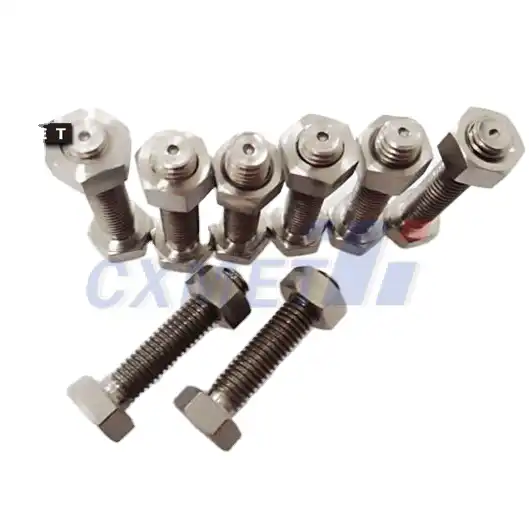
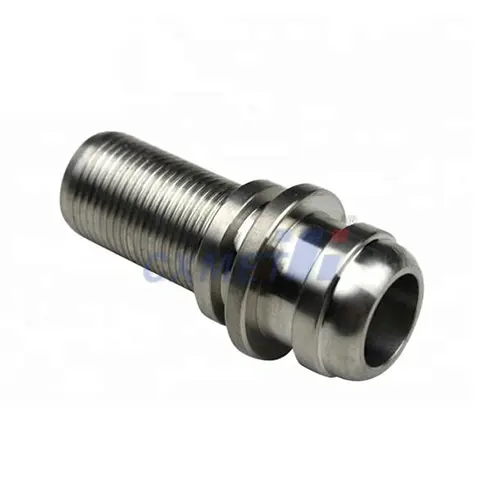
Why Source Customized CNC Titanium Parts from China?
Manufacturing Excellence and Technology Leadership
CNC machining titanium manufacture in China is a global leader due to superior equipment and trained workers. The country's investment in cutting-edge machinery and automation makes it a trustworthy titanium machining supply. Chinese manufacturers use cutting-edge 5-axis CNC machines to accurately and precisely complete complicated designs.Shaanxi province, nicknamed as "China Titanium Valley," has a unique titanium production ecosystem. This location offers nearby raw materials, technical competence, and supporting industries.
Cost Advantages Without Compromising Quality
Chinese manufacturing costs are competitive while meeting international quality requirements. Large production numbers allow manufacturers to offer competitive prices for prototypes and high-volume purchases. Cost efficiency is affected by labor, facility, and raw material costs.With ISO 9001:2015 certification and strict inspection methods, many Chinese manufacturers have improved quality control. Titanium CNC components are precisely measured and tested using advanced technology.
Understanding Technical Specifications and Quality Standards
Critical Material Grades and Properties
Customized CNC Titanium Parts fabrication projects typically use Titanium Grade 5 (Ti-6Al-4V). Excellent strength-to-weight ratio, corrosion resistance, and biocompatibility characterize this alpha-beta alloy. The material has 1170 MPa tensile strength and good fatigue resistance.Applications requiring greatest corrosion resistance and formability use grade 2 commercially pure titanium. Its lower strength than Grade 5 makes it appropriate for chemical processing and maritime applications that prioritize corrosion resistance over mechanical qualities.
Precision Tolerances and Surface Finish Requirements
Advanced CNC machining technologies produce ±0.01mm tolerances for high-precision titanium products. Depending on application, surface polish standards range from Ra 0.8 to Ra 3.2. Critical aeronautical and medical components require tighter tolerances and better surface quality.CMMs, surface roughness testers, and optical measuring devices measure and examine. These tools maintain surface quality and dimensional precision during production.
Industry Standards and Certification Requirements
ASTM F67 addresses medical usage, while ASTM B348 governs titanium bars. Quality systems for aerospace and medical device manufacture are AS9100 and ISO 13485 certified. Understanding these criteria ensures industry-specific supplier selection.
Navigating UK Import Regulations and Compliance
Customs Classification and Documentation
Titanium CNC machining components have several HS codes based on their purpose and composition. Duty rates and import limitations depend on categorization. Customs brokers skilled with non-ferrous metal imports speed clearance.Commercial invoices, packing lists, bills of lading, and origin certificates are essential. Many end users need material test certificates (MTC) and inspection reports for quality assurance.
Safety and Environmental Compliance
REACH may apply to titanium alloys with banned chemicals. Component applications and uses determine CE marking criteria. UK environmental protection standards are met by environmental compliance documents.Supplier quality agreements and precise requirements are needed for product responsibility. Traceability documentation aids quality management and supply chain transparency.
Complete Import Process: Step-by-Step Guide
Initial Inquiry and Technical Evaluation
Use precise technical drawings, material specs, and quantity needs. Please provide 3D models for accurate quotes and feasibility assessments. Include tolerances, surface finishes, and special processing needs.Potential suppliers should provide material certificates, inspection reports, and production capability documentation. Assess their CNC titanium production expertise, equipment, and quality management.
Quotation Analysis and Supplier Selection
Price, lead time, quality, and service capabilities should be compared. Payment arrangements, minimum order quantities, and design flexibility should be considered. Include shipping, duties, and quality issues in total cost of ownership.Request essential application samples to verify quality and dimensions. Sample testing ensures supplier capabilities before large orders.
Contract Negotiation and Purchase Order Placement
Explain specs, delivery, quality, and payment. Penalize late delivery and quality non-conformance. Define inspection and acceptance standards.Orders require detailed drawings, material specs, packaging, and shipping instructions. Clear communication simplifies productivity and avoids misunderstandings.
Understanding International Trade Terms
After products are loaded at the origin port, FOB buyers are responsible for shipping and insurance. The buyer handles maritime freight and import, while the seller handles exports.Supplier quotes include ocean freight and insurance under CIF. Shipping to the destination port is handled by the seller, although risk passes at origin.Ex Works (Ex Works) has the lowest supplier pricing but requires the buyer to handle all logistics from the production gate. This phrase provides greatest control but demands logistical management expertise.
Production Monitoring and Quality Assurance
Track progress with manufacturing milestones and communication timelines. Request progress photos and inspection reports regularly. Early detection lets problems be fixed before completion.Critical apps receive independent quality assurance from third parties. Before export, dimensional correctness, surface polish, and material qualities are checked.
Shipping and Logistics Management
Utilize urgency, cost, and cargo characteristics to choose transportation methods. Ocean freight is cost-effective for huge volumes, but air freight is speedier for urgent needs.Packaging safeguards precision titanium CNC components in shipment. Protective materials, moisture control, and safe packaging avoid shipment damage and corrosion.
Import Clearance and Customs Procedures
Consult titanium import and technical paperwork customs brokers. Classification and valuation provide hassle-free clearance and tariff assessment.Commercial invoices, packing lists, bills of lading, and certificates should be prepared beforehand. Electronic submission systems speed clearance.
Payment Methods and Risk Management
T/T lets banks pay each other directly with reasonable security. Standard conditions are 30% advance payment and rest due before or upon delivery.Bank guarantees provide additional security, although Letters of Credit are more expensive and complicated. Documentary collections offer secure middle ground at cheaper cost than letters of credit.
Why CXMET is Your Ideal Import Partner
Two Decades of Titanium Excellence
Non-ferrous metal manufacturing and distribution specialist Shaanxi CXMET Technology Co., Ltd. has 20 years of experience. In China's titanium production hub, the company specializes in custom titanium CNC services for aerospace, medical, marine, and chemical processing.Users across sectors appreciate the company's ethics and inventiveness. CXMET consistently meets demanding applications with over 80 trained technicians and robust quality management procedures.
Advanced Manufacturing Capabilities
CXMET uses cutting-edge CNC machining technology to produce components with ±0.01mm tolerances and Ra 0.8 surface finishes. ISO 9001:2015 accreditation ensures systematic quality control in the 50,000-square-meter plant.Titanium grades 1, 2, 5, and specialty alloys are available. Heat treatment, surface processing, and bespoke finishing offer complete manufacturing solutions.
Flexible Production and Customer Service
Single-piece orders facilitate prototype development and small-batch production. OEM/ODM services enable custom design and collaborative product development.Technical support staff answer questions quickly and solve problems. Customized solutions solve application problems for best performance and customer satisfaction.
Cost Structure Analysis and Value Proposition
Transparent Pricing Components
Material costs account for 40-50% of titanium CNC machining costs. Competitive base costs come from raw material sourcing and effective processing. Processing costs depend on machining complexity, tolerances, and surface finishes.Project economics are affected by setup, tooling, and inspection. Cost optimization for recurring requirements is possible with volume discounts and long-term relationships.
Total Cost Considerations
Shipping charges depend on volume, weight, and urgency. Ocean freight is affordable for huge volumes, but air freight is time-sensitive. Packaging and insurance increase logistics costs.UK import tariffs and VAT depend on product value and categorization. Landed cost includes customs broker costs, port fees, and interior transportation.
Supply Chain Reliability and Communication Excellence
Production Lead Times and Scheduling
Standard Customized CNC Titanium Parts components take 2-4 weeks to produce, depending on intricacy and quantity. When feasible, rush orders are prioritized and processed faster. Transparent delivery criteria enable accurate planning and scheduling.Production capacity planning and inventory management ensure delivery reliability. Capacity updates and advanced scheduling control seasonal demand.
Quality Assurance and Traceability
Comprehensive inspections include dimensions verification, material testing, and surface quality assessment. Certification packages contain material test certifications, inspection reports, and traceability.Digital measurement data and photos demonstrate quality. Customers' inspection demands are tailored to their applications.
Common Pitfalls and Best Practices for Import Success
Specification Clarity and Communication
Uncertain specs cause production delays and quality difficulties. Start with precise designs, material needs, and inspection standards. Avoid misconceptions by using standard language and international symbols.Early problem-solving is achieved by regular production communication. Supplier communication and response times should be explicit.
Documentation and Compliance Management
Customs delays and fees result from missing or faulty documents. Work with titanium import-savvy freight forwarders and customs brokers. Prepare all shipping documents in advance.Stay current on import restrictions and compliance. Trade policies, tariffs, and technical standards affect import costs and procedures.
Quality Control and Risk Mitigation
Poor quality control increases the danger of non-conforming items. Supplier quality agreements and inspection methods should be transparent. Critical applications may benefit from third-party inspection.Insurance covers transportation cargo loss or damage. Based on cargo value and risk exposure, choose coverage levels.
Conclusion
Planning, supplier selection, and process management are needed to import Chinese Customized CNC Titanium Parts to the UK. Knowing technical specs, regulatory regulations, and trade procedures guarantees easy transactions and quality results. China's superior manufacturing, economic advantages, and technical skills offer UK businesses strong value propositions. Working with experienced suppliers like CXMET, who understand technical requirements and international trade complications, boosts project success. Successful long-term collaborations require proper documentation, quality assurance, and communication.
FAQ
Q: What are the typical lead times for importing customized CNC titanium parts from China?
A: Standard lead times range from 2-4 weeks for production, plus 1-2 weeks for shipping depending on the method chosen. Complex geometries or special material requirements may extend production times. Rush orders can often be accommodated with expedited processing and air freight delivery.
Q: What certifications should I look for when selecting a Chinese titanium parts supplier?
A: Essential certifications include ISO 9001:2015 for quality management, AS9100 for aerospace applications, and ISO 13485 for medical devices. Material certifications should comply with ASTM standards, and suppliers should provide complete traceability documentation including material test certificates.
Q: How can I ensure quality control when importing titanium parts from China?
A: Establish clear specifications and inspection criteria in your purchase agreement. Request regular progress updates and inspection reports during production. Consider third-party inspection services for critical applications, and always request material test certificates and dimensional inspection reports before shipment.
Partner with CXMET for Premium Titanium CNC Components
Want high-quality titanium CNC parts for your next project? CXMET guarantees precision-engineered Customized CNC Titanium Parts for aerospace, medical, marine, and industrial applications. Our ISO 9001:2015-certified business makes high-quality components using cutting-edge CNC technology and 20+ years of experience.
With one-piece minimum orders and tolerances up to ±0.01mm, we cater to both prototype and high-volume manufacturing needs. Our OEM/ODM services bring your unique designs to life with quality and reliability.
Experience the CXMET advantage through our responsive technical support team, transparent communication, and commitment to delivery excellence. Join industry leaders who trust us for their most critical titanium component needs. Start your next project today by reaching out to our technical specialists who understand your challenges and deliver solutions that exceed expectations. Contact us at sales@cxmet.com to discuss your requirements and receive detailed quotations for your titanium CNC machining needs.
References
1. British Standards Institution. (2019). "Specification for wrought titanium and titanium alloys for surgical applications." BS ISO 5832-2:2018.
2. Department for International Trade. (2021). "UK Global Tariff: Rates for importing goods into the UK." HM Revenue and Customs.
3. European Chemicals Agency. (2020). "Guidance on requirements for substances in articles under REACH." ECHA Publications.
4. International Chamber of Commerce. (2020). "Incoterms 2020: ICC Rules for the use of domestic and international trade terms." ICC Publication No. 723E.
5. Society of Automotive Engineers. (2018). "Quality Management Systems - Requirements for Aviation, Space and Defense Organizations." AS9100D Standard.
6. American Society for Testing and Materials. (2019). "Standard Specification for Titanium and Titanium Alloy Bars and Billets." ASTM B348-19.