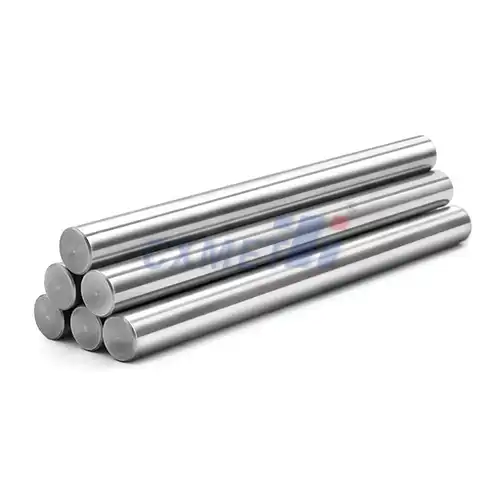
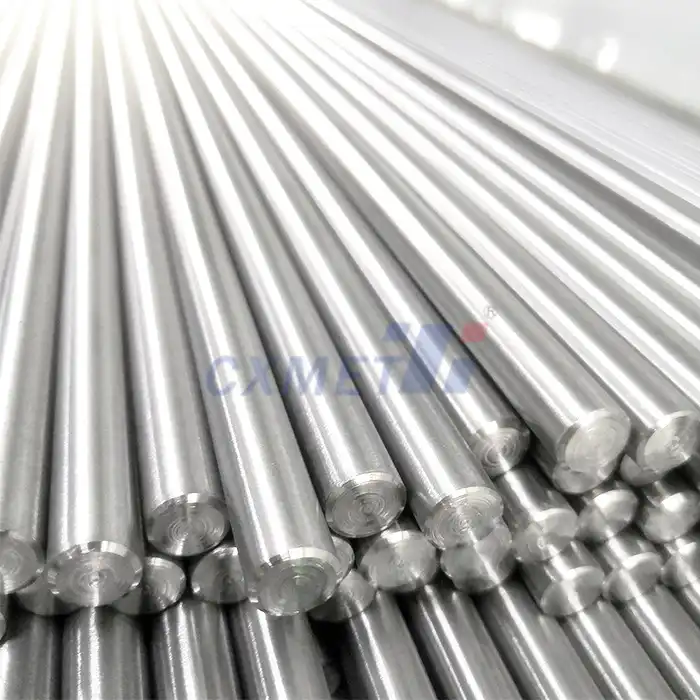
When examining the global market for High Quality Gr1 Pure Titanium Bar pricing, China maintains a significant cost advantage over India, with Chinese manufacturers typically offering 15-25% lower prices due to established supply chains and advanced processing capabilities. Chinese Grade 1 titanium rod prices range from $25-35 per kilogram FOB, while Indian suppliers generally quote $30-45 per kilogram for comparable specifications. This price differential stems from China's mature titanium industry infrastructure, particularly concentrated in Shaanxi Province's "China Titanium Valley," where companies like CXMET leverage decades of metallurgical expertise to deliver competitive pricing without compromising quality standards.
|
|
|
Global Market Overview for Commercial Pure Titanium Materials
The need for highly pure titanium has grown a lot around the world and in many different industries. Marine engineering, chemical processing, and the pharmaceutical industries are relying more and more on CP Grade 1 titanium for important tasks that need to be highly resistant to rust and biocompatible.
Industrial Demand Patterns
A lot of people want titanium metal bars from places that handle chemicals, especially in harsh environments where other materials don't work. As makers look for lighter solutions, the use of titanium materials in aerospace keeps growing. Another quickly growing market is medical-grade titanium used in surgical implants and dental prosthetics. Biocompatibility standards drive specification demands.
Regional Manufacturing Capabilities
China's titanium industry benefits from supply lines that are fully integrated, from processing raw materials to making finished titanium round bars. Modern melting technologies and cold rolling methods allow for uniform quality while keeping prices low. India's titanium industry is growing quickly, but it's hard for them to reach the same economies of scale.
Comprehensive Price Breakdown Analysis
To fully understand how much it costs to buy titanium bar stock, you need to look at more than just the cost of the materials themselves. When manufacturers figure out the total landed costs, they have to look at a number of things.
Factory Gate Pricing Structure
Prices for ASTM Grade 1 titanium bars from Chinese suppliers are usually between $25 and $35 per kilogram FOB Shanghai or Tianjin ports. Prices can go up to $40 to $50 per kilogram for premium types with better surface finishes. Indian makers usually charge between $30 and $45 per kilogram for titanium flat bars that are the same size, high-quality Gr1 Pure Titanium Bar, and shape. If you want premium processing, it costs an extra $10 to $15 per kilogram.
Minimum Order Quantities and Volume Discounts
To get a standard-size titanium extrusion bar, most Chinese suppliers set the MOQ at 500 to 1000 kilograms. Most of the time, orders over 5000 kilos get a 5-8% discount because of the way volume rates work. Most Indian suppliers have smaller MOQs of 200 to 500 kilograms, but they do offer small price breaks for buying in bulk.
Additional Cost Considerations
Logistics costs change a lot depending on the ports of destination and the types of transportation used. Shipping by sea from China costs between $800 and $1200 per container, while shipping from India costs between $600 and $1000 per container. Depending on the trade deal, import duties can be anywhere from 5 to 15 per cent. Fees for customs processing and paperwork add $200 to $500 to each shipment.
Critical Factors Influencing Titanium Pricing
The prices of high-strength titanium change all the time because of many economic and business factors. When procurement managers understand these factors, they can make better decisions about where to source goods.
Raw Material Cost Fluctuations
The price of titanium sponge has a direct effect on the price of finished titanium cutting bars. Chinese producers don't have to rely as much on foreign feedstock because they can process rutile in their own country. 20 to 25 per cent of the total cost of making titanium sheet stock goes to energy costs, and Chinese factories often have access to more stable power prices.
Currency Exchange Rate Impacts
Changes in the Yuan-Dollar exchange rate cause Chinese sellers' prices to be unstable. Prices in dollars have gone up by 3–5% a year since the yuan got stronger. Price competitiveness is also affected by changes in the Indian Rupee, though not as much because of higher starting costs.
Government Policy Influences
China's environmental laws force smaller makers to join together, which could lower the supply but make the quality more consistent. Export incentives for titanium products with extra value help companies that invest in more advanced processing. Costs may eventually become more competitive if the Indian government's programs encourage local manufacturing.
Regional Market Comparison and Competitive Analysis
When you compare the Asian titanium markets, you can see that each buying strategy for High Quality Gr1 Pure Titanium Bar has its own unique pros and cons. When choosing providers, procurement teams have to look at more than just the price.
China's Market Position
It is mostly Chinese companies that make lightweight titanium bars, which make up about 60% of the world's capacity. Well-known companies like CXMET show they can do everything from processing raw materials to delivering finished titanium that doesn't rust. Quality certifications, such as those that meet ASTM B348 and ISO standards, give users trust in important applications.
India's Emerging Capabilities
Indian companies that make titanium are focusing more and more on high-value uses, especially in the medical and aircraft industries. Growing domestic demand helps to expand capacity, but higher production costs are still making it hard to set prices. Long-term competitiveness may be improved by government help for the growth of the manufacturing sector.
Alternative Regional Sources
Japanese and European sellers sell high-quality industrial titanium bars for a lot more money, usually 50–80% more than Chinese suppliers. These sources are better because they offer technical help and faster delivery for urgent needs. Russian titanium has problems with its supply chain that make it harder to get and change the price of.
Strategic Procurement Optimisation
To successfully source titanium, you need to find a balance between cost, quality, and the dependability of the supply chain. Expert buyers come up with complete plans that cover a lot of different aspects of buying.
Supplier Evaluation Criteria
When comparing suppliers, you should look at more than just price. You should also look at their quality certifications, production ability, and technical support. With 20 years of experience in the field and a wide range of testing facilities, CXMET has the technical depth needed for mission-critical uses. Having the ability to make things in unique sizes and finishes adds a lot of value.
Contract Negotiation Strategies
Long-term contracts often get better prices and make sure that supplies don't run out. Price escalation agreements that are tied to the cost of raw materials protect both parties from changes in the market. Payment terms have a big effect on total costs, and sellers offer discounts of 2% to 3% for early payments.
Quality Assurance Programs
Implementing comprehensive inspection protocols reduces risks associated with material non-conformance. Third-party testing verification provides additional confidence for critical applications. Establishing clear quality agreements upfront prevents costly delays and rejections.
Market Forecast and Future Trends
Implementing thorough inspection procedures lowers the risks that come with material non-conformance. Verification testing by a third party gives more trust for important applications. Setting clear quality standards up front keeps delays and rejects from costing a lot of money.
Price Trajectory Predictions
The titanium market is always changing because of new technologies, more production space, and shifting demand trends. Long-term sourcing methods can be better if you know what the trends will be in the future.
Technology Impact on Pricing
Analysts think that prices will go up slightly, High Quality Gr1 Pure Titanium Bar, over the next two to three years, because of rising demand and a lack of raw materials. Environmental compliance costs may put pressure on Chinese providers to raise prices. Indian makers might be able to be more competitive by investing in technology and increasing their production capacity.
Supply Chain Resilience Considerations
Recent global disruptions emphasise the importance of supply chain diversification. Companies increasingly value supplier geographic distribution and backup capacity availability. This trend may benefit Indian suppliers despite higher costs.
Conclusion
The global market for High Quality Gr1 Pure Titanium Bars offers great chances to improve strategic buying. Chinese manufacturers have clear cost benefits thanks to their well-established infrastructure and economies of scale. Companies like CXMET offer great value by using advanced processing technologies and offering full technical support. Indian suppliers offer other ways to get goods, and their skills are getting better, but their prices are still not as competitive. For procurement plans to work, they need to find a good balance between cost, quality, technical help, and goals for supply chain resilience. The titanium market is still growing in aerospace, medicine, and industry. This means that there is a strong demand base, and new technologies are opening up new ways to make goods and services more valuable.
FAQ
Q1: What quality certifications should I require when sourcing Grade 1 titanium bars?
A: Essential certifications include ASTM B348 compliance, EN10204 3.1 material certificates, and ISO quality management standards. For medical applications, ensure ASTM F67 biocompatibility certification. Reputable suppliers like CXMET provide comprehensive documentation, including chemical composition analysis, mechanical property testing, and dimensional verification reports.
Q2: How do I evaluate the true cost difference between Chinese and Indian titanium suppliers?
A: Calculate total landed costs, including base material pricing, logistics expenses, import duties, and quality assurance costs. Consider lead times, minimum order quantities, and payment terms' impact on working capital requirements. Factor in technical support availability and supplier responsiveness for ongoing project needs.
Q3: What are the key technical differences between suppliers that affect pricing?
A: Manufacturing processes, quality control systems, and testing capabilities significantly impact both pricing and performance. Advanced cold rolling techniques, vacuum melting capabilities, and comprehensive testing facilities justify premium pricing. Customisation capabilities for non-standard dimensions or surface finishes add value but increase costs.
Partner with CXMET for Premium Titanium Solutions
CXMET stands as your trusted High Quality Gr1 Pure Titanium Bar manufacturer, combining two decades of metallurgical expertise with competitive pricing and exceptional technical support. Our state-of-the-art facilities in Shaanxi Province's "China Titanium Valley" enable us to deliver consistently superior products meeting the most demanding specifications across marine, chemical processing, medical, and aerospace applications.
Our comprehensive quality management systems, High Quality Gr1 Pure Titanium Bar, ensure every titanium alloy bar meets or exceeds international standards, including ASTM B348 and ASTM F67. With flexible production capabilities supporting custom dimensions from 2mm to 300mm diameter and lengths up to 6000mm, we accommodate diverse project requirements while maintaining competitive lead times.
Whether you need standard commercially pure titanium or specialised solutions for challenging environments, our experienced engineering team provides personalised technical consultation throughout your project lifecycle. Ready to optimise your titanium procurement strategy? Contact us at sales@cxmet.com to discuss your specific requirements and receive detailed quotations tailored to your application needs.
References
1. International Titanium Association Annual Market Report 2023: Global Production and Consumption Trends
2. American Society for Testing and Materials ASTM B348 Standard Specification for Titanium and Titanium Alloy Bars and Billets
3. Chinese Nonferrous Metals Industry Association Titanium Market Analysis Report 2023
4. Indian Ministry of Steel Strategic Plan for Titanium Industry Development 2023-2028
5. Journal of Materials Processing Technology: Comparative Analysis of Titanium Manufacturing Processes in Asia
6. Metal Market Magazine Quarterly Review: Titanium Price Dynamics and Supply Chain Analysis