knowledges
Is MMO Tubular titanium Anode Right for Your Deep Well CP?
2026-08-24 17:30:46
When we evaluate cathodic protection strategies for deep well infrastructure, choosing the correct anode technology becomes a decision that influences both operational longevity and cost-effectiveness. MMO tubular titanium anodes represent a sophisticated solution that combines exceptional corrosion resistance with reliable electrochemical performance, making them particularly suitable for challenging subsurface environments. These anodes deliver protective currents efficiently, extending infrastructure service life while minimizing maintenance interventions. Whether your deep well operates in aggressive soil conditions, encounters variable water chemistry, or demands decades of reliable service, understanding the technical merits and practical considerations of tubular titanium anode technology will inform smarter procurement decisions.
|
|
|
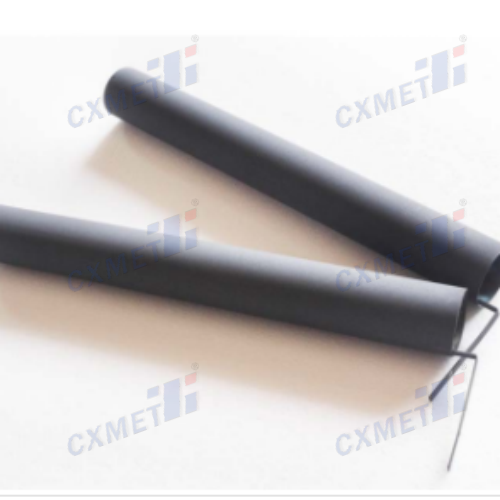

What Is an MMO Tubular Titanium Anode and How Does It Work?
At its core, this technology combines a titanium base that doesn't rust with a carefully designed Mixed Metal Oxide coating. The titanium base, which meets ASTM B338 Grade 1 or 2 standards, gives the structure strength and makes it very resistant to damage from the surroundings. When used in soil and freshwater, the MMO coating is made up of sintered noble metal oxides like iridium oxide and tantalum oxide. When used in chlorinated environments, it is made up of ruthenium oxide and titanium oxide.
The Electrochemical Protection Mechanism
In an impressed current cathodic protection system, the anode creates a controlled electrical current that flows through the environment and toward the metal structure that is being protected. This current goes against the structure's natural corrosion processes, turning it into a cathode where rusting can't happen. The MMO coating makes this electrochemical reaction happen very quickly and effectively, working well at temperatures up to 80°C and pH levels ranging from 0 to 14.
Design Advantages of Tubular Configuration
The tubular geometry is better than standard solid rod forms in many ways. This arrangement makes the effective surface area bigger compared to its weight, which makes the current distribution more even across the protected zone. Standard sizes range from 19mm to 32mm, and lengths from 500mm to 3000mm, so they can be tailored to different wellbore shapes. The better surface contact maximizes current flow while lowering stress on the coating in specific areas, which helps the device last longer.
Center Connection Technology
Putting the wire link in the middle of the tube instead of at one end is an important part of the design. This center-crimped arrangement evenly distributes current along the entire length of the anode. This stops the "end-effect" phenomenon, which happens when too much wear builds up at the ends. The tight link keeps out water and damage from mechanical forces, keeping the anode's low electrical resistance below 0.001 Ohm for its whole useful life.
Key Technical Considerations When Choosing MMO Tubular Titanium Anodes
To choose the right anode system, you need to look at a number of technical factors that affect both long-term performance and the total cost of ownership.
Lifespan and Coating Performance
The layer thickness and working current density have the most impact on the service life. The MMO layer is usually 8 to 15 micrometers thick, but it can be changed to fit the needs of specific operations. These anodes usually last between 20 and 50 years if they are used at their rated capacity, which is usually 100 A/m² in soil and coke breeze environments or up to 600 A/m² in seawater applications. The consumption rate stays very low, usually less than 1 to 2 mg per ampere-year. This makes sure that the coating stays in good shape even after decades of continuous use.
Environmental Compatibility
The nature of the water has a big effect on the choice of anode. The mixture of the layer must be right for the working conditions. Iridium-tantalum systems work best in soil and freshwater for oxygen evolution reactions, while ruthenium-titanium systems work best in places like seawater for chlorine evolution reactions. When the coating chemistry doesn't meet the climate, it breaks down faster, which could lead to failure before it's supposed to. Compatibility problems can be avoided by doing a full site water study before purchasing.
Comparative Performance Against Alternatives
Graphite anodes are compared to MMO Tubular titanium Anodes, which show better physical stability and much lower consumption rates. Graphite needs to be replaced often because it loses material while it's working, which raises upkeep costs and causes systems to go down. When compared to alternatives based on platinum, MMO anodes offer similar performance at a much lower cost, which makes them a good choice for large-scale installations. These anodes are the best choice for demanding deep well uses because they last a long time, keep the current steady, and require little upkeep.
Maintenance Requirements
Another benefit is that it is easy to operate. Unlike consumable anodes that need to be replaced often, MMO tubular titanium anodes only need to be inspected and cleaned every so often to get rid of mineral deposits that could get in the way of current flow. Setting maintenance times based on monitoring water chemistry keeps things running efficiently and stops them from losing their performance. This low-maintenance profile lowers operational costs and limits the need for intervention in wells that are far away or hard to get to.
Applications and Industry Use Cases for MMO Tubular Titanium Anodes
MMO Tubular titanium Anode technology can be used in a lot of different industries where rust control is important for keeping things running safely and reliably.
Deep Well Cathodic Protection Systems
Anodes can be linked in series to protect long lengths of cover in deep well setups. Individual tubular anodes are usually spaced 1000 mm apart, and the length of the tail sections can be anywhere from 20 to 50 meters, depending on the depth of the wellbore and the need for protection. This setup makes sure that the protective current is spread evenly throughout the protected zone. This stops corrosion caused by harsh water chemistry, bacterial activity, and dirt contact. The tubular form fits perfectly into wellbore settings, making the best use of limited space while still being electrochemically effective.
Marine and Offshore Infrastructure
When exposed to seawater, offshore platforms, subsea pipelines, and port structures are constantly corroded. Steel reinforcement and structural parts are reliably protected by tubular titanium anodes buried in concrete jackets or spread out on seabed arrays. Their coatings are resistant to chloride and keep working well in salty places. This keeps structures from breaking down in expensive ways that threaten safety and operations.
Industrial Process Applications
In addition to deep wells, these anodes play important roles in chemical processing plants, wastewater treatment plants, and storage tank farms. In above-ground storage tanks with chemicals that corrode, tubular anodes work as extra safety features, sending current to areas that aren't being protected but could still experience localized corrosion. This stops leaks, makes assets last longer, and keeps them in line with environmental regulations. Because the anodes can work continuously or intermittently, they can meet the needs of a wide range of processes in the chemical processing, pharmaceutical, and power generation industries.
Regulatory Compliance and Environmental Standards
Using MMO Tubular titanium anodes for effective cathodic protection helps facilities follow environmental rules that protect structures and stop leaks. The technology's proven dependability and long service life are in line with sustainability goals because they reduce the amount of materials used and waste generated compared to alternatives that need to be replaced more often.
Procurement Guide — How to Select and Buy MMO Tubular Titanium Anodes
For strategic sourcing to work, you need to look at more than just the original price to make sure the job goes well and you get long-term value.
Supplier Qualification and Certification
Start by looking at the qualifications and quality control systems of the manufacturer. Ask for Mill Test Certificates that show the substrate meets the requirements of ASTM B338 Grade 1 or 2. Grade 1 titanium is purer and more flexible, which makes it easier for an oxide layer to form during the sintering process without cracks. Check to see if your suppliers still have ISO certifications and strictly follow quality control protocols while they are making your products. Companies that have a history of working with non-ferrous metals and specific coating technologies usually make products that work better every time.
Customization Capabilities
The geometry and chemistry of deep wells are different from those of other places. Check with potential providers to see if they allow you to change the sizes, coatings, and connection styles. Different fitting needs can be met by threaded, welded, or special connections. Suppliers who can change the coating's thickness and composition to fit the conditions of a specific site offer solutions that are best for getting the most out of the money and the service life.
Technical Support and Documentation
Transactional vendors are different from reliable suppliers because they don't offer full technical support. Look for partners who can give you full datasheets, help with installation, and ongoing advice for the whole duration of the anode. Having access to skilled experts who know about cathodic protection systems makes it possible to fix problems and improve performance. This professional relationship is very helpful when dealing with tricky operational problems or creating safety systems for unusual uses.
Pricing Structure and Volume Considerations
Pricing models that are clear and take into account coating requirements, dimensions, and customization needs make budgeting easier. Ask about volume discounts for big projects or deployments that happen in more than one place. Understanding wait times, which are usually affected by the level of customization and the number of orders, helps with planning and building plans. Make sure that shipping methods are clear so that products are handled and packed in a way that keeps their identity while they're being shipped.
Warranty and Performance Guarantees
Manufacturers with a good reputation back up their products with full warranties that show they trust the anode to last. Examine the guarantee terms that cover the quality of the substrate, the stability of the coating, and its electrical performance. These guarantees lower the risk and show that the maker is dedicated to making great products.
Why Trust CXMET's MMO Tubular Titanium Anodes for Your Deep Well CP Needs?
Shaanxi CXMET Technology Co., Ltd has been making non-ferrous metals for more than 20 years and is especially good at making titanium and advanced alloy solutions. Our 50,000-square-meter facility, which opened in 2005 and is in China's "Titanium Valley," is home to more than 80 professional technicians whose sole job is to provide high-performance materials for demanding industrial uses.
We use Grade 1 and 2 titanium substrates and carefully engineered MMO coatings in our manufacturing processes to meet strict quality standards. Before it is shipped, every anode goes through a lot of tests to make sure the coating is thick enough, there is no electrical resistance, and the dimensions are correct. This quality assurance shows that we are dedicated to dependability and makes our goods reliable in the pharmaceutical, marine, oil and gas, chemical, and power industries.
We know that providing good anodes is only one part of effective cathodic protection. Our technical support team works with clients from the beginning of system design to the end of operational optimization. They make suggestions based on the specifics of each site. This consultative method makes sure that the right anode is chosen, that it is installed correctly, and that it is maintained in a way that makes the safety work better and last longer.
Building relationships with clients over many years shows that we are committed to their happiness and ongoing growth. Case studies from oil and gas companies, chemical makers, and infrastructure managers show that our anodes work well and last a long time in tough real-world settings. Logistics that work well and prices that are competitive make buying things easy for projects of all sizes.
Conclusion
For deep well cathodic protection systems that require dependability over decades of use, MMO Tubular titanium Anodes are a tried-and-true, cost-effective option. Their mix of titanium surfaces that don't rust, MMO coatings that work well with electricity, and improved tube shape makes them perform better than other anode technologies. When choosing these anodes, pay close attention to the coating formulation, dimensional requirements, and supplier capabilities to make sure the system works well and lasts a long time. For industries that work in environments with a lot of corrosion, this technology's long life, low maintenance needs, and stable electrochemical performance make it the smart choice for protecting infrastructure investments.
FAQ
1. What determines the operational lifespan of these anodes in deep well environments?
Lifespan is directly related to the thickness of the layer and the working current density. Service lives of 20 to 50 years are possible if the coating loads stay between 8 and 15 micrometers and the current densities stay within the rated capacity. The rate of consumption stays very low, usually between 1 and 2 mg per ampere-year, so the layer stays intact for long periods of time. For systems to last as long as possible, they need to be properly designed so that they don't exceed their allowed current flow.
2. Why does center connection configuration provide advantages over end-mounted designs?
Putting the cable link in the middle of the tube evens out the current flow along the whole length of the anode. This stops wear from concentrating at the endpoints. This design stops the "end-effect" that happens when there is too much current intensity and the coating breaks down faster at link zones. The sealed center connection also keeps out mechanical damage and electrolyte leaks that would lower electrical performance. This way, the anode will always have low resistance.
3. Can the same anode formulation function effectively in both soil and seawater applications?
The formula of the coating needs to be right for the job. Iridium-tantalum oxide systems work best for releasing oxygen in dirt and rainwater, while ruthenium-titanium oxide systems work best for releasing chlorine in places like seawater. Using coating mixtures that don't work well together speeds up decline and leads to failure before it should happen. For the best performance and durability, make sure you do a thorough site analysis and specify the right coating chemistry when you go shopping.
Partner with CXMET for Superior Cathodic Protection Solutions
CXMET is an expert at making high-performance MMO Tubular titanium Anodes that are designed to work in deep wells with tough conditions. We offer custom solutions that are made to fit the specific needs of your project because we are an experienced seller with a wide range of technical skills. Our team can help you choose the right anode, design the best system, and install it correctly so that the protection works as well as possible. You can talk to our sales team about your cathodic protection needs, get competitive quotes, or ask for full technical specs by emailing sales@cxmet.com. We're happy to send you samples of our products to show how well they work and how well they are made.
References
1. Morgan, J. (1987). Cathodic Protection: Principles and Applications in Infrastructure. Corrosion Engineering Publications.
2. Baeckmann, W., Schwenk, W., & Prinz, W. (1997). Handbook of Cathodic Corrosion Protection: Theory and Practice of Electrochemical Protection Processes. Gulf Professional Publishing.
3. NACE International. (2013). Impressed Current Cathodic Protection of Underground or Submerged Metallic Piping Systems. NACE Standard Practice SP0169.
4. Chen, G. (2004). Electrochemical Technologies in Wastewater Treatment. Separation and Purification Technology, 38(1), 11-41.
5. Trasatti, S. (2000). Electrocatalysis: Understanding the Success of DSA. Electrochimica Acta, 45(15-16), 2377-2385.
6. Uhlig, H. H., & Revie, R. W. (2008). Corrosion and Corrosion Control: An Introduction to Corrosion Science and Engineering. John Wiley & Sons.