knowledges
MMO Ribbon Anode: 50-Year Life for Storage Tank Protection
2026-08-19 15:44:03
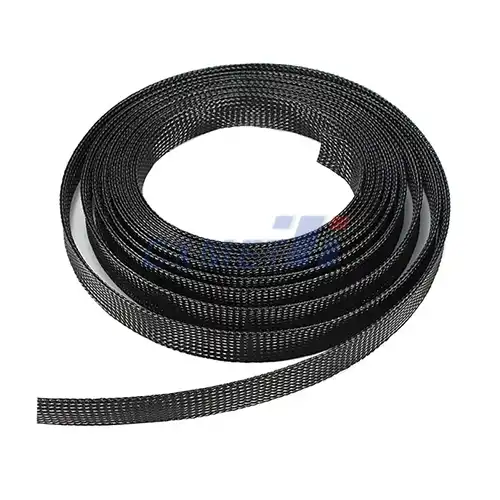
When storage tanks fail, the consequences extend far beyond repair costs—operational shutdowns, environmental contamination, and safety hazards can cripple industrial operations. MMO Ribbon Anodes represent a transformative solution to this challenge, offering up to 50 years of reliable cathodic protection. Built on a titanium substrate and coated with electrocatalytic mixed metal oxides such as IrO2/Ta2O5, these ribbon-style anodes deliver uniform current distribution and exceptional durability in aggressive environments. For engineers and procurement managers overseeing critical infrastructure in marine, oil and gas, chemical processing, and power generation sectors, understanding how these advanced anode systems safeguard storage tank bottoms is essential to achieving long-term asset integrity.
|
|
|

Comparing MMO Ribbon Anode to Other Anode Types for Informed Decision-Making
To choose the right anode technology, you need to look at more than just the original buy price. Total cost of ownership is affected by costs over the product's life, how hard it is to install, how often it needs to be maintained, and how well it works.
Performance Benchmarking Against Alternative Technologies
Mesh anodes successfully spread current, but they are fragile and need special care when they are being installed. Their bigger surface area helps apps that need a lot of output, but there is still a risk of damage during deployment. While rod anodes are simple and strong, they don't always cover the whole bottom of a tank evenly, which could leave sensitive areas not well protected.
Titanium-based choices that don't have MMO coats are more likely to passivate, which means they form insulating oxide layers that stop current flow. The electrocatalytic MMO layer gets around this problem by making it easier for oxygen or chlorine to evolve, which keeps the anode surfaces active. Tests done according to NACE TM0108-2008 guidelines confirm shortened life predictions. Good anodes can last between 20 and 100 years, depending on how they are used.
Installation and Maintenance Considerations
MMO Ribbon Anodes make it easier to place them under existing tank infrastructure, and mesh systems usually require a lot of digging. Because they are flexible, they can get through tight areas, which cuts down on work hours and costs. When protecting long pipeline runs, connection intervals should stay within 305 meters to keep resistance from building up too much.
When compared to disposable systems that need to be replaced every 5 to 15 years, maintenance needs drop by a huge amount. Most ICCP setups only need to be checked once a year to make sure the electricity stays on and the current flows. Facility managers have to divide limited care resources among many assets, and consider how easy this system is to use.
Supplier Evaluation Framework
Purchasing teams have to judge makers based on licenses that prove the quality of the materials and how well the coatings work. ASTM B265 compliance for titanium substrates makes sure that the mechanical properties can handle the stresses of installation and soil pressures. Cross-cut adhesion testing and scanning electron microscopy (SEM) analysis show that the coating is intact, which is one of the most important factors that determine how long it will last.
A warranty that lasts 20 to 50 years shows that the company that made the product is confident in its durability. Technical support skills are also important; sellers who offer personalized system design help, installation training, and fixing advice are much more valuable than those who just sell parts. This all-around support approach is shown by CXMET's team of more than 80 specialized techs, who help clients get the most out of their safety systems throughout their entire operating lifecycles.
Installation, Maintenance, and Maximizing the Lifespan of MMO Ribbon Anode
To get the full 50-year lifespan, installation procedures and ongoing monitoring protocols must be carefully followed. Shortcuts taken during rollout or maintenance that aren't done can make defense less effective and speed up system degradation.
Preparation and Site Assessment Best Practices
Soil resistivity testing before installation helps choose the backfill material and the distance between the anodes. Soils with a high resistance need conductive backfill materials, which are usually mixes of gypsum and sodium sulfate. These materials lower grounding resistance and improve current flow. Direct burying without proper backfill leads to early failure of the anode and high costs that cancel out the technology's benefits for life.
Chemical etching is used to make the surface of the titanium strip rougher, which helps the coating stick better. As part of CXMET's multi-stage manufacturing process, this step sets the stage for long-lasting MMO layer bonding. Controlled atmosphere sintering at high temperatures changes the starting materials into the solid oxide covering that can do electrical work for decades.
Installation Procedures for Optimal Performance
By putting MMO Ribbon Anodes under tank floors in continuous runs, you can be sure that there are no holes that could let rusting happen. Conductive titanium strips that are welded horizontally at regular intervals keep the electricity flowing through the anode array. For connections to rectifier systems, you need connectors that won't rust and can handle being outside and power changes.
Before backfilling, electrical testing is done right after installation to make sure the system works properly. It is proven that the current is distributed evenly by measuring it at set points along the length of the band. Deviations mean that mistakes were made during installation and need to be fixed right away. Fixing problems now saves a lot of money later on when drilling is needed.
Structured Monitoring and Troubleshooting
Setting baseline performance measures during commissioning gives future reviews something to compare against. During yearly checks, the current flow, rectifier voltage, and structure-to-electrolyte potential should all be measured to find any changes that could mean problems arensures to form. Gradual rises in current may mean that the coating is wearing off, and voltage spikes may mean that there are problems with the connection resistance.
The environment affects how long an anode lasts; changes in chloride levels, soil moisture levels, and stray current interference all have an effect on performance. Industries near the coast are often attacked by chloride, which makes coating quality very important. Even in these harsh conditions, CXMET's formulation stays stable, as shown by fast testing methods that mimic decades of exposure.
Procurement Guide: How to Buy MMO Ribbon Anodes with Confidence
When looking for cathodic protection components, it's important to understand how prices work, what customizable options are available, and how reliable a provider is. Making choices based on good information keeps project costs safe and makes sure that technical needs are met.
Understanding Cost Factors and Pricing Models
Prices depend on a number of factors, such as the ribbon's width, length, finishing requirements, and the number of items ordered. Price-per-meter estimates make it easier to figure out how much something will cost, but there are extra costs for MMO Ribbon Anodes with custom coatings or sizes that aren't standard. Volume discounts are given for bigger orders, which helps owners cover more than one tank or the equipment of the whole building.
The purchase price is only one part of the total cost of ownership. Other costs include labor for installation, rectifier systems, monitoring equipment, and repairs over the life of the protection system. The starting cost of ICCP systems is higher than that of sacrificial anode installations, but the annualized costs are much lower because the systems last 50 years. Avoiding tank failures and longer asset life are two more reasons why the initial cost was worth it.
Identifying Reputable Manufacturers
Certifications are the best way to tell that something is of good quality. For example, ASTM B265 compliance for substrates and NACE test method adherence for coating performance show that the manufacturing process is strict. Companies with ISO-certified facilities keep production standards consistent, which lowers differences between batches.
When it comes to project schedules, delivery options are important. Manufacturers that keep standard configurations in stock can fill orders quickly, but custom orders need time to be coated and tested for quality. The fact that CXMET is in China's "Titanium Valley" gives them access to high-quality raw materials and specialized production tools that can meet both standard and custom needs.
Evaluating Warranty Terms and Support Services
Manufacturers are confident when they offer promises that cover both the stability of the substrate and the performance of the coating for 20 to 50 years. The terms of the warranty should list the things that make it invalid—for example, installing something incorrectly or running it outside of its intended limits will usually not be covered. Having clear written records of these limitations stops disagreements.
Support after the sale is what sets exceptional suppliers apart from average ones. Access to application engineers who help with system design, troubleshooting advice during commissioning, and quick technical support during the system's operational life add value that justifies the higher price. Because CXMET is committed to unique technical solutions, clients get advice that is specific to their business problems. This helps build partnerships that go beyond transactional relationships.
Why Choose MMO Ribbon Anodes: Future-Proofing Your Storage Tank Protection
More and more, regulations stress the importance of protecting the environment and making sure infrastructure is safe. This means that solid rust protection is a must. These changing goals are in line with technologies that offer a clear return on investment (ROI) through lower maintenance costs and higher operating reliability.
Regulatory Compliance and Sustainability Drivers
Environmental laws that punish pollution from leaking storage tanks encourage people to make strategic investments in protection. The EPA's Spill Prevention, Control, and Countermeasure (SPCC) rules and related foreign standards require facilities that handle dangerous chemicals to take steps to stop corrosion. Strong cathodic protection systems keep records of compliance, which helps keep operations from being shut down or fined.
Sustainability efforts favor technologies that produce as little waste as possible. The 50-year lifespan greatly lowers the number of replacements needed compared to systems that produce spent anode disposal streams. The titanium base can be recycled at the end of its useful life, which makes it more environmentally friendly and appealing to businesses that follow the ideals of the circular economy.
Demonstrated ROI Through Case Studies
When ICCP systems are used instead of traditional sacrificial anode programs, petroleum ports report upkeep costs being cut by more than 60%. Longer inspection intervals and fewer emergency repairs mean that operating costs are more predictable and budget forecasting is better. Chemical processing plants report similar benefits, with more reliable assets helping to meet production goals all the time.
Reliability improvements make assets last longer than their original design parameters. For example, tanks that are properly protected can last 40 to 60 years, compared to the 20 to 30 years that unprotected or inadequately protected structures usually last. This longer use puts off spending money on new tanks, which improves the project's economics and helps with long-term planning for the building.
Integration and Scalability Considerations
Modern ICCP systems connect to SCADA platforms, which let them be monitored from afar and send automatic alerts when performance changes. This connection helps with forecast maintenance plans, which plan repairs based on signs of damage instead of set times. Scalability allows for facility growth; to protect new tanks, existing MMO Ribbon Anode networks need to be extended, and rectifier capacity needs to be increased without redesigning whole systems.
The technology is mature and widely used in many different industries, which gives people trust in its ability to predict success. When compared to new technologies that don't have a history of being used, established best practices and a lot of field data that confiadds design calculations lower project risk for operators.
Conclusion
Corrosion of storage tanks is a constant danger for all fields that deal with dangerous or valuable materials. MMO Ribbon Anodes are a tried-and-true solution that combines cutting-edge materials science with easy installation to provide protection that lasts for decades. The technology is the best choice for forward-thinking companies that care about keeping their assets safe because it is reliable, costs less over the lifetime of an operation, and follows legal trends. If procurement teams know about performance benchmarks, installation requirements, and criteria for evaluating suppliers, they can confidently specify these systems. This makes sure that infrastructure investments deliver maximum value over longer service lives.
FAQ
1. What makes MMO ribbon anodes suitable for 50-year service?
What about MMO Ribbon Anodes makes them good for 50 years of use? When dimensionally stable titanium surfaces are combined with electrocatalytic mixed metal oxide films, wear rates are very low, ranging from 1 to 6 mg/A.a. The MMO layer allows controlled electrochemical reactions to happen without losing a lot of size, unlike sacrificial anodes that degrade on purpose. Multiple coating cycles and high-temperature sintering are examples of good production processes that make sure coating adhesion can survive mechanical stresses and thermal cycling for decades of use. Installing systems correctly with the right backfill materials and checking on them on a daily basis makes sure they last as long as they were designed to.
2. How do environmental conditions affect anode lifespan?
The chemistry of the soil has a big effect on performance; high chloride levels, low pH levels, and high temps all speed up the coating's breakdown. Premium MMO Ribbon Anode formulations, on the other hand, stay stable even in harsh environments because they use the right amounts of iridium and tantalum oxide. Changes in moisture that cause wet-dry switching put mechanical stresses on coatings that test how well they stick. If you don't control it, stray current interference from nearby electrical systems or cathodic protection installations can cause unpredictable current demands that cut the lifespan of the device. Finding these factors on the site allows designers to make changes to the design, like increasing the thickness of the coating, limiting the current density, or using special backfill formulas, that keep goal lifespans even when conditions are tough.
Partner with CXMET for Reliable MMO Ribbon Anode Solutions
Engineers and purchasing experts looking for a reliable MMO Ribbon Anode source can get all the help they need at Shaanxi CXMET Technology Co., Ltd. Because we've been making high-performance titanium parts for 20 years, you can be sure that your cathodic protection systems will last the stated 50 years. We make ribbon anodes with ASTM B265 Grade 1/2 titanium substrates and carefully controlled IrO2/Ta2O5 coatings that are more than 2 micrometers thick. These coatings have been proven to stick well through thorough adhesion testing and accelerated life routines. Our 80-person technical team provides application engineering support from system design to commissioning, and we can customize our products to fit the needs of each project. Get in touch with our experts at sales@cxmet.com to talk about your storage tank security needs and get personalized advice based on years of experience.
References
1. National Association of Corrosion Engineers. (2008). NACE TM0108-2008: Test Method for Accelerated Life Testing of Anodes for Impressed Current Cathodic Protection. Houston: NACE International.
2. ASTM International. (2015). ASTM B265-15: Standard Specification for Titanium and Titanium Alloy Strip, Sheet, and Plate. West Conshohocken: ASTM International.
3. Cramer, S.D. & Covino, B.S. (2003). Corrosion: Fundamentals, Testing, and Protection, Volume 13A, ASM Handbook. Materials Park: ASM International.
4. Baeckmann, W.V., Schwenk, W. & Prinz, W. (1997). Handbook of Cathodic Corrosion Protection: Theory and Practice of Electrochemical Protection Processes. Houston: Gulf Publishing Company.
5. Morgan, J. (1987). Cathodic Protection: Its Theory and Practice in the Prevention of Corrosion, Second Edition. Houston: NACE International.
6. Uhlig, H.H. & Revie, R.W. (2008). Corrosion and Corrosion Control: An Introduction to Corrosion Science and Engineering, Fourth Edition. Hoboken: John Wiley & Sons.