knowledges
MMO Tubular titanium Anode: Lighter, Stronger, Longer Lasting
2026-09-15 17:05:07
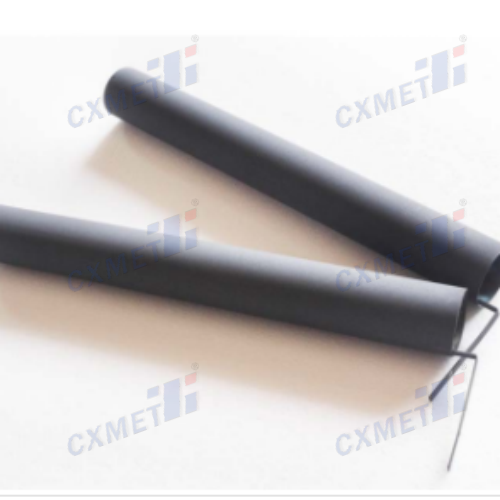
When we talk about electrochemical protection in demanding industrial settings, the conversation inevitably turns to anode technology. MMO tubular titanium anodes represent a breakthrough that addresses three critical challenges engineers face: excessive weight, structural vulnerability, and premature component failure. These anodes combine a robust titanium substrate with a specialized mixed metal oxide coating, delivering an electrochemical solution that outlasts traditional alternatives while reducing operational burdens. The tubular geometry maximizes surface area without adding bulk, creating a component that performs reliably across marine, chemical processing, and infrastructure protection applications for decades.
|
|
|

Understanding MMO Tubular Titanium Anodes
What Makes the Core Construction Unique
This kind of MMO Tubular titanium Anodes is built on a Grade 1 or 2 titanium substrate that meets ASTM B338 and B861 standards. Grade 1 titanium is more pure and flexible, which is important during the production process when the oxide layer is made by high-temperature sintering. In corrosive settings, this substrate offers mechanical stability that options made of metal or steel just can't match.
Noble metal oxides are carefully weighed in the mixed metal oxide layer that is put on top of the titanium base. Combinations of iridium oxide and tantalum pentoxide work well in soil and freshwater where oxygen evolution happens. On the other hand, combinations of ruthenium oxide and titanium dioxide work well in chlorinated seawater where chlorine evolution resistance is needed. This coating's thickness is usually between 8 and 15 micrometers, but it can be made to fit specific operational needs.
How Electrochemical Principles Drive Performance
Using a controlled direct current to change the electrical potential of metal structures into a range that doesn't corrode is how impressed current cathodic protection works. When electrons move from the anode surface to the MMO coating, the coating works as a catalyst and keeps its shape. This steadiness sets MMO technology apart from anodes that are used up and then slowly break down during operation.
The very low usage rate—usually less than 1-2 milligrams per ampere-year—ensures that the protective coating stays in place for long amounts of time. The coating's ability to conduct current thru surface reactions instead of bulk material loss makes it very durable. This feature allows design lives of more than 20 to 30 years in properly specified installations.
Weight and Strength Advantages in Real Applications
When compared to solid rod designs, tubular anodes have better strength-to-weight ratios. A 25-millimeter-diameter tube with a 2-millimeter-thick wall makes the structure rigid while weighing a lot less than solid anodes of the same size. This decrease in weight directly leads to easier installation processes, especially for retrofitting offshore platforms or deploying deep wells where the capacity of handling equipment limits the choice of components.
The tubular shape also makes the current distribution more even. Current flows radially across the whole cylinder's surface instead of gathering at the ends of the parts. This is called the end-effect, and it speeds up the breakdown of coatings in solid anodes. Center connection designs improve this spread even more by putting the electrical connection point in the middle of the tube. This makes the flow of current equal in both ways.
MMO Tubular Titanium Anode vs Traditional Anodes: Making the Smart Choice
Durability Comparison Across Anode Technologies
Graphite anodes have been used in industrial electrochemical systems for many years, but they have some major flaws. Graphite usually uses up 0.5 to 1 kilogram per ampere-year, so it needs to be replaced often, which slows things down and raises the cost over its lifetime. The dimensional stability of MMO Tubular titanium Anode coatings, on the other hand, means that the anode's physical dimensions don't change much over its service life. This means that it doesn't need to be replaced on a regular basis because the material wears out.
Titanium anodes that have been platinum-plated work very well, but they cost a lot more to make. Because they need to be loaded with valuable metals to last a long time, platinized choices are hard to use on a large scale because they are expensive. MMO coatings have similar electrochemical performance because they use catalytic efficiency instead of precious metal mass. This is a cheaper option that doesn't lower reliability.
Lead-silver alloy anodes are popular in some cathodic protection uses. They are bad for the environment because lead dissolves in the electrolytes around them. Lead-based materials are becoming harder to use because of regulations, especially in areas with drinking water and marine areas that are important for the environment. MMO technology completely gets rid of these compliance issues, giving us a long-term solution that fits with changing industry standards.
Total Cost of Ownership Analysis
Buying choices involve more than just the initial price of the item. They also include the costs of installation, upkeep, and replacement over the product's useful life. A thorough cost analysis shows that MMO Tubular titanium Anodes are a great value for money. For example, a normal marine cathodic protection system needs 50 anodes. Graphite technology might mean that the anodes need to be replaced every 3–5 years, which would mean extra costs for preparation, diving, and production stops. MMO anodes have a long service life—often 20 years or more—which means they don't need to be replaced as often. This saves a lot of money in the long run, even tho they cost more up front.
Using less energy also helps you save money. Because MMO coatings have low overpotential, rectifiers need to work at lower voltages to reach their protective current goals. When the voltage goes down, the amount of electricity used goes down too. This saves money for places that use continuous cathodic protection systems. These energy saves alone can cover the difference in cost between MMO and regular anodes over many decades of use.
Industry Validation Through Field Performance
Marine infrastructure owners are very happy with how well MMO anodes work in seawater uses. A petrochemical plant on the Gulf Coast reported that anodes had worked well for more than 22 years in a splash zone, which is an area with both mechanical wave action and harsh chloride exposure. During this time, the anodes kept putting out protective current without losing their coating or structure, which proved that the technology was reliable.
Pipeline companies that use deep well groundbed installations have also confirmed longer service. One downstream operator's groundbed system, which was set up in 2003 using tube anodes with center connections, is still delivering the design current flow, and measurements of the coating thickness show that it isn't breaking down much. These validations in the real world give buyers more trust by showing that performance specs made in the lab are accurate in the field.
Applications and Environmental Impact of MMO Tubular Titanium Anodes
Seawater Desalination Systems
Feedwater that is very salty and water that is very hot can cause corrosion problems in desalination plants. MMO Tubular titanium Anodes protect intake structures, heat exchangers, and pipe systems from cathodic damage when normal coats don't work. Operating at current levels of up to 600 amperes per square meter in seawater makes it possible for small anode arrays to fit into pump rooms and intake tanks with limited space.
The ability of properly formulated MMO coatings to resist chlorine evolution makes them compatible with desalination chemistry. A lot of sites use chlorination to get rid of biofouling, which makes a setting where chlorine-sensitive anode materials break down quickly. Ruthenium-titanium oxide coatings work very well in these conditions because they keep their catalytic activity without breaking down faster.
Infrastructure Cathodic Protection
Offshore platforms, port facilities, and marine pipes are all big expenses that need to be protected from corrosion by seawater. Tubular anodes are built into structures as either separate sources of impressed current or as parts of mixed cathodic protection systems that use both impressed current and galvanic ways. Because they are tube, they can be used in a lot of different ways, like installing them in protected cases or bundling them up for deep-water use.
Putting in integrated anodes during the initial building of wharf steel piles and reinforced concrete structures is especially helpful. Anodes placed inside concrete send a protection current straight to the buried rebar. This stops chloride-induced corrosion that weakens the structure. The low size and long service life of the anode are used in this application to make sure that the cathodic protection system works for the whole structure's design life without the need for invasive retrofits.
Chemical Processing and Cleaning the Water
Tubular anodes are used as extra protection for tank floors and weak spots where coating damage reveals bare steel in storage tank farms that hold acids, caustic solutions, and organic solvents. MMO coatings can handle a wide range of pH levels, from 0 to 14. This means they can be used to store chemicals like concentrated sulfuric acid and sodium hydroxide solutions.
To keep the clarifiers, aeration basins, and digester structures safe, municipal water treatment plants use impressed current systems. The anodes can work continuously or intermittently, which works well with the treatment process cycles and keeps the system safe during stop times without the need for system changes. Most water treatment situations can work at temperatures up to 80 degrees Celsius, and there are special coats for uses at higher temps.
Environmental Sustainability Benefits
One of the main environmental benefits of MMO technology is that it uses less energy. Lower working voltages mean that less electricity is used, which means that cathodic protection devices leave less of a carbon footprint. Graphite anode alternatives might use 15-20% more electricity than a typical offshore platform protection system. This is a savings that adds up over thousands of protected structures around the world.
The environmental impact of replacing anodes often is reduced by materials that last a long time. Getting rid of graphite anodes creates solid trash streams, while using lead-silver replacements raises the risk of heavy metal contamination. MMO anodes have a service life of decades, which means they use less material and make less waste. This helps companies meet their sustainability goals and supports environmental management certifications.
Procurement Guide: How to Buy the Right MMO Tubular Titanium Anode
Evaluating Supplier Credentials and Quality Assurance
To find a trusted MMO Tubular titanium Anode provider, you need to check their technical skills and quality control methods. Suppliers should give Mill Test Certificates that follow ASTM B338 guidelines and list the chemical make-up and mechanical qualities of the titanium base. These certificates show that the titanium comes from reputable producers and meets certain grade requirements.
Controls in the manufacturing process have a big effect on the quality and accuracy of the finish. Reliable providers keep written instructions for how to prepare the surface, apply the covering, and heat process it. For the sintering process to work, the temperature and air pressure must be carefully controlled so that noble metal precursors can change into conductive oxide layers. Suppliers should show that they can handle the process by giving statistical process control data and being able to talk about their quality management systems.
Customization and Technical Specification Alignment
Standard MMO Tubular titanium Anode options usually have diameters between 19 and 32 millimeters and lengths between 500 and 3000 millimeters. However, customized measurements that make the best use of surface area for installation room are useful in many situations. To make sure that seller quotes are based on real project needs and not just standard list items, procurement specs should clearly state the diameter, length, wall thickness, and connection requirements.
The operating environment affects the choice of coating formulation. For soil and watery uses, iridium-tantalum oxide systems that are good at releasing oxygen are needed. On the other hand, ruthenium-titanium systems are needed for seawater and polluted environments. If you choose the wrong coating chemistry, it will fail quickly. This is why it is very important to accurately describe the surroundings during the buying process. If a supplier offers application engineering support, they can help you choose the right covering by looking at the chloride content, pH, temperature, and predicted current density.
Lead Times, Warranty Terms, and After-Sales Support
Custom tubular anodes usually take between 6 and 12 weeks to make, but this depends on how complicated the coating is and how many are ordered. Projects that need to get things done quickly should start working with sources early, so they have enough time to make the goods without having to pay extra for speed. Some sellers keep popular standard configurations in stock, which could cut down on shipping times for applications that need to meet catalog requirements.
Warranty coverage is an important way to protect against problems with the way the product was made. Standard contracts usually cover coating bonding and electrical performance for a certain amount of time, usually between one and two years after installation. However, they don't cover damage caused by misuse, using the product at higher than recommended current levels, or bad installation. Knowing the limits and exclusions of a guarantee keeps arguments from happening if there are problems with the performance.
Maintenance Tips and Maximizing the Lifespan of MMO Tubular Titanium Anodes
Routine Inspection Protocols
Visual check dates should match facility maintenance plans. For easy-to-reach installations, this means once a year, and for underground or submerged anodes, it means during planned breaks. Inspectors should look at the surfaces of exposed MMO Tubular titanium Anodes for damage, coating discoloration, or strange deposits that could mean something is wrong with the way the system is working. MMO coatings keep their catalytic properties even after a long time of use, but mechanical impacts can damage the coating and reveal the titanium substrate below.
To make sure that wire connections stay strong, electrical continuity checking is done. Check the resistance between the anode terminal and the rectifier output. The numbers should stay the same over time, and they should be less than 0.001 ohms if the center connections are properly placed. Increasing resistance means that the connection is getting weaker, possibly because of water getting in or damaged cables. This needs to be fixed before the security is interrupted by a total loss of connection.
Troubleshooting Common Operational Issues
When protected buildings show signs of rust even tho their cathodic protection systems are working, it's usually not the anodes that are broken. Most of the time, exposed areas are caused by poor current distribution, not enough anodes, or electrical breaks in the secured structure. Potential studies that map out the spread of protective current can find these flaws and help with fixing them.
Early coating failure is usually caused by using coating formulations that don't work well together or operating above the rated current density. Check that the actual operating current density stays within the limits that have been set. In soil and freshwater, this is usually 100 amperes per square meter, and in seawater, it can be up to 600 amperes per square meter. When these limits are crossed, the coating wears off faster, which shortens its useful life. Also, make sure that the coating mixture is right for the climate it will be used in. For example, using oxygen evolution coatings in chlorinated seawater will cause them to fail quickly.
Installation Best Practices for Extended Service Life
Installation that is done right sets the stage for long-term performance. When using a backfilled groundbed, you should cover the anodes with conductive coke breeze backfill and keep the density of the backfill constant to make sure the current flows evenly. Stay away from air holes that make high-resistance zones that force current to concentrate in small contact areas. Backfill should go out at least 150 mm beyond the anode surfaces in all directions to make sure there are enough paths for electricity to flow.
When installing cables, you need to pay close attention to the links. Use heat-shrink tube, epoxy encapsulation, or mechanical plugs that are right for the area to keep water out of connection points. When moisture gets into contacts, it corrodes them, raising the resistance and possibly stopping the circuit completely. Center connection designs naturally protect connection points by placing them inside the covered tube, making them more reliable than end connections that are exposed directly to the electrolyte.
Conclusion
MMO Tubular titanium Anodes are the best choice for demanding cathodic protection applications across all industrial sectors because they are strong, don't weigh much, and last a very long time. They are better than traditional graphite, lead-alloy, and platinized options because they stay the same size, don't use much energy, and are safe for a wide range of environments. People who work in procurement who look at the total cost of ownership instead of just the original price see how these anodes are a great deal because they don't need to be replaced as often, they require less upkeep, and they use less energy. The technology's benefits for the environment make it even more appealing, making practical choices that are in line with the company's sustainability goals and meeting ever-tougher regulatory standards.
FAQ
What determines the lifespan of an MMO tubular anode?
The layer thickness and working current density have the most impact on the service life. Loadings between 8 and 15 micrometers support 20–50 year design lives when run within rated current levels. Thicker coatings have longer lives. Going over the rated current speeds up the coating's breakdown, which shortens its life in a proportional way. It's also important that the coating formulation matches the operating environment; coatings that don't match fail early, no matter how thick they are. An MMO Tubular titanium Anode needs to be properly specified for its intended environment to reach its full design life.
Why do center connections outperform end connections?
The center links put the electrical attachment in the middle of the tube, which makes the current flow evenly in both ways. This gets rid of the end-effect that gathers current at the ends of the anode in end-connected designs, speeding up wear in that area. Center connections also let you seal the attachment point inside the tube, which keeps it safe from electrolytes and mechanical damage that can damage end connections.
Can these anodes function in both soil and seawater?
The titanium base works well in both places, but the coating mixture needs to be right for the job. Iridium-tantalum oxide systems work best in soil and freshwater for oxygen evolution reactions, while ruthenium-titanium oxides work best in places like seawater for chlorine evolution reactions. Using the wrong coating formula leads to quick failure, so it's important to get the right specifications when you're buying.
Partner with CXMET for Advanced Anode Solutions
It has been over twenty years since CXMET has been making high-performance MMO Tubular titanium Anodes that are exactly what you need. In order to come up with custom coatings, dimensional configurations, and connection designs that solve your specific practical problems, our engineering team works directly with buying professionals and research and development groups. Our wide range of products and flexible OEM options make sure that you get the best solutions, whether you need anodes for offshore platforms, chemical processing plants, or the safety of public assets.
As a top provider of MMO Tubular titanium Anodes, we stick to strict quality standards throughout the entire production process. With every shipment, we include full Mill Test Certificates and paperwork on the performance of the coating. Our low prices come from using efficient production methods instead of lowering the quality of our products, so you get great value throughout the whole ownership lifecycle. Email our technical sales team at sales@cxmet.com to talk about your application needs and get detailed specifications that are perfect for your project. Visit www.cxmet-tech.com to learn more about all of our non-ferrous metal services and how CXMET's integrity-driven method can help your mission-critical security systems.
References
1. Morgan, J.T. (2019). "Advanced Electrode Materials for Industrial Electrochemistry." Journal of Applied Electrochemistry, Vol. 49, pp. 873-892.
2. Chen, G. & Lasia, A. (2021). "Dimensionally Stable Anodes: Development and Industrial Applications." Electrochimica Acta, Vol. 368, Article 137627.
3. National Association of Corrosion Engineers (2020). "Cathodic Protection Design Guidelines for Marine Structures." NACE International Publication 01105.
4. Trasatti, S. (2018). "Electrocatalysis: Understanding the Success of DSA Electrodes." Electrochemistry Communications, Vol. 12, Issue 7, pp. 1542-1546.
5. Comninellis, C. & Vercesi, G.P. (2017). "Characterization of DSA-Type Oxygen Evolving Electrodes: Choice of Base Metal." Journal of The Electrochemical Society, Vol. 138, pp. 887-891.
6. American Society for Testing and Materials (2022). "Standard Specification for Seamless and Welded Titanium Alloy Tubes for Condensers and Heat Exchangers." ASTM B338-21, West Conshohocken, PA.