knowledges
MMO Tubular Titanium Anode OEM Guide for Custom Projects
2026-09-14 14:13:05
When engineers and buying teams have to deal with rust in harsh industrial settings, it's important to choose the right electrical safety system. The MMO Tubular Titanium Anodes have become a reliable option. They have a titanium base and a mixed metal oxide coating that makes them very durable and good at conducting electricity. These anodes are used in places like chemical processing plants and offshore platforms where failure of the material is not an option. This book explains the basic ideas, things you should think about when designing, how to get them, and how to use custom MMO tube anodes for OEM projects in the real world.
|
|
|

How MMO Tubular Titanium Anodes Work and Design Principles for OEM Projects
Electrochemical Mechanisms and Current Distribution
The way these anodes work depends on the catalytic properties of the MMO coating. The layer helps oxidation processes happen at low overpotentials when an electrical current flows through the anode in a solution. This means that less energy is wasted. The thickness of the titanium base stays the same, so it doesn't break down like other anodes do. Ruthenium-iridium layers are great at releasing chlorine from chloride-rich liquids. This makes them perfect for making sodium hypochlorite and using them in seawater. Iridium-tantalum mixtures, on the other hand, work better in oxygen evolution situations like those found in sulfuric acid and copper electrowinning.
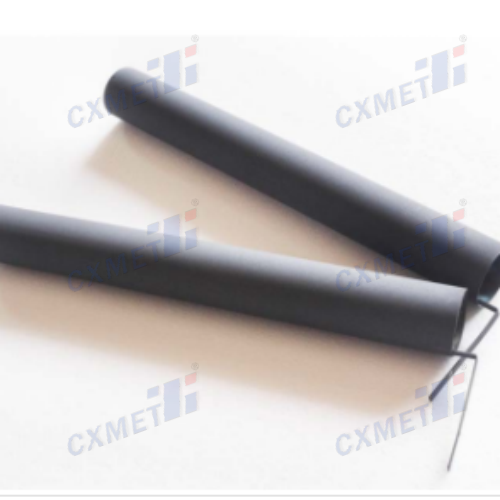
The tubular shape of MMO Tubular titanium anodes makes the current distribution more even, which is very important for cathodic protection installations that go for hundreds of meters. When anodes are linked together in strings for deep well applications, keeping the protective current the same along the whole length stops weak spots where corrosion could start. Our basic tube shapes come in diameters from 10mm to 100mm and lengths of up to 3 meters. For unique projects, we can also make them to your exact measurements. There are different types of connections, such as threaded ends for modular assembly, welded attachments for permanent installations, and custom fittings that are made to fit specific mounting hardware.
Design Customization for OEM Requirements
Standard requirements are rarely met by OEM projects. Chemical processing companies may need anodes that can't be contaminated by fluoride. This means that safety layers must be put on top of the MMO coating. Anodes that work with plating bath chemicals that contain organic additives are needed by places that make electronics. Installations that make electricity that work at high temperatures need special coatings that keep working at temperatures above normal. To deal with these differences, we offer in-depth technical consultations that help us figure out the most important operating parameters, such as the current density, electrolyte composition, temperature extremes, and expected service intervals.
Customizing dimensions is more than just changing the length and diameter. Mounting arrangements need to work well with current infrastructure, whether they are adding anodes to old electroplating lines or creating brand-new cathodic protection systems for marine structures. During the planning part, our engineering team looks at material stress factors, the stability of electrical connections, and how easy it is to do upkeep. This proactive method stops common installation problems like bad links between cables and anodes, which can lead to weak spots that let whole security systems down. To make sure these important joints will work for a long time, we suggest enclosed crimp connectors with dual-wall heat shrink or epoxy covering.
Maintenance Protocols and Operational Monitoring
To get the most out of their service life, even the most durable anode systems need to be checked on a regular basis. When you check the voltage of a cell, you can tell right away when the coating is wearing away because a slow rise in voltage means that the catalyst layer is becoming less active. By taking measurements of the baseline voltage during commissioning, operators can keep an eye on performance trends and plan for recoating before the system fails completely. A physical inspection should look for mechanical damage, make sure the connections are solid, and check the quality of the electrolyte, especially the amount of fluoride (above 50 ppm) that can damage titanium substrates.
Cleaning methods depend on the specifics of the job. In wastewater treatment, anodes can get bacterial fouling that stops current flow and needs to be cleaned mechanically or chemically on a regular basis. Scale that needs to be washed off with acid can form during electroplating. Compared to changing worn-out graphite anodes or fixing rusted lead sections, these upkeep tasks are still easy to do, which helps lower the total cost of ownership.
Comparing MMO Tubular Titanium Anodes with Alternative Solutions
Performance and Economic Analysis
When looking at different anode technologies, people who make decisions have to weigh the initial investment against the dependability and long-term costs of operation. Graphite anodes have low starting costs, but they need to be replaced often—sometimes once a year in difficult conditions—which means ongoing costs for sourcing and production breaks. Lead anodes last about as long as other materials, but they are hard to get rid of and don't work as efficiently, so they use more energy. The performance of platinum-coated anodes is great, but the high cost of the materials means they can only be used in small, high-value projects.
In this range, MMO tube titanium anodes are in the best place. The initial investment is higher than alternatives like graphite and lead, but much lower than platinum systems. In difficult situations, operational lifespan usually lasts between 5 and 15 years. In normal conditions, some systems last longer than 20 years. Because it has low overpotential, it is more energy efficient than standard materials. This means that over the anode's working life, it will cost less to power. When purchasing managers look at the total cost of ownership, which includes how often something needs to be replaced, how much energy it uses, and how much upkeep it needs, MMO-coated titanium always shows that it is the better option.
Tubular Versus Sheet and Ribbon Configurations
When it comes to MMO titanium, the choice of form factor affects speed and usefulness for use. Ribbon anodes are commonly used to protect steel in marine infrastructure like bridge piers and dock pilings because they can be embedded in concrete buildings in a variety of ways. Sheet anodes have a lot of surface area that can be used for tank liner. Tubular designs work great for deep well installations, submerged offshore structures, and industrial electrolytic cells that need to distribute current in three dimensions.
The tubular shape has built-in mechanical strength that ribbon shapes don't have, making it less likely that it will get damaged during installation and use. The benefits of surface area become clear in cylinder-shaped or small areas where sheet anodes can't cover well. Our tubular products can handle current densities of up to 10 kA/m², which is enough for high-demand uses while keeping an even distribution that stops spots from overheating or coating failure before they should.
Procuring Custom MMO Tubular Titanium Anodes: OEM Guide and Best Practices
Defining Project Specifications Clearly
Full technical requirements for MMO Tubular titanium anodes are the first step in a successful OEM purchase. We suggest writing down the operating current density, the pH and composition of the electrolyte (including the levels of fluoride and organic content), the operating temperature range, and the available space. Finding out early on what positioning needs to be done saves a lot of money on redesigns. Be clear about the link types, support systems, and mobility needs for future upkeep. Coating choices and thickness requirements are based on expected service life goals. This makes sure that the supplied anodes fit with building upkeep schedules and capital planning timelines.
Knowing the lead time is important for planning a job. Standard setups usually ship in 4 to 6 weeks, but unique designs that need special finishes or changes to the dimensions may take 8 to 12 weeks. Order minimums depend on the amount of customization. For example, normal tube anodes may have lower minimum numbers, while custom designs with special coating formulas require higher minimum orders to ensure efficient production runs. Talking about these factors during the first meetings keeps schedule problems and budget shocks at bay.
Evaluating Supplier Capabilities and Credentials
Full technical requirements are the first step in a successful OEM purchase. We suggest writing down the operating current density, the pH and composition of the electrolyte (including the levels of fluoride and organic content), the operating temperature range, and the available space. Finding out early on what positioning needs to be done saves a lot of money on redesigns. Be clear about the link types, support systems, and mobility needs for future upkeep. Coating choices and thickness requirements are based on expected service life goals. This makes sure that the supplied anodes fit with building upkeep schedules and capital planning timelines.
Knowing the lead time is important for planning a job. Standard setups usually ship in 4 to 6 weeks, but unique designs that need special finishes or changes to the dimensions may take 8 to 12 weeks. Order minimums depend on the amount of customization. For example, normal tube anodes may have lower minimum numbers, while custom designs with special coating formulas require higher minimum orders to ensure efficient production runs. Talking about these factors during the first meetings keeps schedule problems and budget shocks at bay.
Pricing Structures and Commercial Considerations
Anode prices are affected by a number of cost factors. The price of titanium on the market changes based on changes in the world supply chain, but the prices of Grade 1 and 2 titanium stay mostly the same. The makeup of the coating has a big effect on the price. Coatings with more valuable metals (like iridium and ruthenium) cost more. The more complicated the customization, the more engineering and tooling costs are spread out over the order amounts. This means that bigger purchases are cheaper per unit.
The warranty terms should be carefully read. Standard warranties usually cover problems with the way the product was made for 12 to 24 months after delivery. Performance guaranties based on operational lifespan need clear definitions of how the product will be used. Failures caused by fluoride exposure, too much current density, or bad installation may not be covered by warranties. This shows how important it is to communicate specifications clearly. Shipping logistics and import issues have an effect on landed costs. To get around customs rules and reduce transit risks for titanium-based products, work with suppliers who have experience with international freight.
Case Studies and Practical Insights for B2B OEM Clients
Electroplating Line Modernization Success
A specialty metal finisher in the Midwest faced frequent anode replacement costs and increasing energy expenses from their legacy lead anode system. The electroplating process demanded consistent current distribution across 2-meter plating tanks operating at pH 3 in sulfuric acid. After evaluating alternatives, they specified custom MMO Tubular titanium anodes with iridium-tantalum coating optimized for oxygen evolution in acidic conditions.
Installation proved straightforward, utilizing existing mounting hardware with modified end fittings. Within the first operating year, energy consumption decreased by 18% due to lower overpotential compared to lead anodes. Five years into operation, the anodes continue performing without measurable degradation, eliminating the annual replacement cycle that previously caused production interruptions. The total cost savings exceeded initial projections, validating the investment decision and prompting expansion to additional plating lines.
Offshore Platform Cathodic Protection Enhancement
A Gulf Coast oil platform required cathodic protection upgrades for steel jacket structures exposed to aggressive seawater. The existing sacrificial anode system demanded frequent diving operations for replacement, creating safety concerns and operational expenses. Engineering specifications called for impressed current cathodic protection using anodes resistant to chloride-induced corrosion with minimal maintenance requirements.
We designed tubular anodes with ruthenium-iridium coating specifically formulated for seawater chlorine evolution. The tubular profile integrated into existing structural members, distributing protective current evenly across the 50-meter depth range. Installation occurred during scheduled maintenance, avoiding dedicated diving operations. Monitoring over three years shows stable protection potential measurements and no visual coating deterioration. The platform operator projects extending service intervals from 3 to 10 years, substantially reducing lifecycle costs and improving safety by minimizing underwater work requirements.
Common Pitfalls and Optimization Strategies
OEM projects occasionally encounter avoidable issues. Underspecifying coating thickness to reduce initial costs leads to premature failure and higher total expenses. Insufficient attention to connection design creates electrical resistance that generates heat, accelerating local corrosion. Neglecting electrolyte chemistry analysis, particularly fluoride content, results in substrate attack that compromises structural integrity. These problems reinforce the value of thorough upfront engineering and transparent communication with experienced suppliers.
Optimization opportunities exist throughout the anode lifecycle. Operating at the lower end of the specified current density range extends service life without sacrificing protection effectiveness. Implementing voltage monitoring systems enables predictive maintenance that schedules recoating during planned downtime rather than responding to failures. Establishing relationships with suppliers capable of recoating services captures 30 to 50% cost savings compared to complete anode replacement, since the titanium substrate remains reusable after surface preparation.
Conclusion
MMO tubular titanium anodes represent a mature, proven technology that addresses critical corrosion protection and electrochemical process needs across diverse industrial sectors. Their combination of dimensional stability, catalytic efficiency, and design flexibility makes them ideal for custom OEM projects where standard solutions fall short. Successful implementation requires clear specification development, careful supplier selection, and attention to installation details. The long-term value proposition—measured in extended service life, reduced energy consumption, and minimized maintenance burdens—consistently outweighs higher initial investment compared to legacy anode technologies.
FAQ
What determines the lifespan of an MMO tubular anode in my specific application?
Service life depends primarily on operating current density, electrolyte composition, and temperature. Higher current densities accelerate coating consumption, while fluoride concentrations above 50 ppm attack the titanium substrate. Organic compounds and specific pH levels also influence degradation rates. Typical lifespans range from 5 to 25 years, with proper specification matching your conditions to appropriate coating thickness and composition.
Can these anodes be recoated after the coating depletes?
Yes, recoating offers significant cost savings. Once the MMO layer is exhausted, the titanium substrate undergoes chemical cleaning and sandblasting to prepare the surface, then receives a fresh coating. This process costs approximately 30 to 50% less than purchasing new anodes, making it an economical option for budget-conscious operations with planned maintenance windows.
How do I know when my anode needs replacement or maintenance?
Monitor cell voltage regularly—gradual increases indicate coating passivation as the catalytic layer thins. Sudden voltage jumps suggest connection failures or non-conductive deposits. Establishing baseline measurements during commissioning allows you to track trends and schedule maintenance proactively. Visual inspections during shutdowns can identify mechanical damage or unusual deposits requiring attention.
What coating type should I choose for my application?
Ruthenium-iridium coatings excel in chlorine evolution environments like seawater applications and sodium hypochlorite generation. Iridium-tantalum formulations perform better for oxygen evolution in acidic conditions such as electrowinning and acid electroplating. Discussing your specific electrolyte chemistry and process goals with experienced suppliers ensures optimal coating selection.
Partner with CXMET for Your Custom Anode Solutions
Shaanxi CXMET Technology Co., Ltd stands ready to support your next cathodic protection or electrolytic project with custom-engineered tubular titanium anode solutions. As a leading MMO Tubular Titanium Anode manufacturer with over two decades of non-ferrous metal expertise, we deliver the technical knowledge and manufacturing capabilities that demanding applications require. Our engineering team collaborates directly with your project stakeholders to translate operational requirements into optimized anode designs that maximize performance and value. Reach out to our specialists at sales@cxmet.com to discuss your specific needs and discover how our customized approach creates reliable solutions for marine infrastructure, chemical processing, electroplating, and industrial electrolysis applications.
References
1. Chen, Y., & Morrison, R. (2019). "Mixed Metal Oxide Coated Titanium Anodes: Fundamentals and Industrial Applications." Journal of Electrochemical Engineering, 45(3), 234-258.
2. National Association of Corrosion Engineers. (2020). "Standard Practice for Impressed Current Cathodic Protection Using Mixed Metal Oxide Anodes." NACE SP0190-2020.
3. Trasatti, S. (2021). "Electrocatalysis: Understanding the Success of DSA Anodes." Electrochimica Acta, 356, 112-129.
4. Industrial Corrosion Prevention Institute. (2018). "Comparative Life Cycle Analysis of Electrochemical Anode Technologies in Marine Environments." Technical Report ICPI-2018-07.
5. Zhang, W., & Kumar, A. (2022). "Design Optimization of Tubular MMO Anodes for Deep Well Cathodic Protection Systems." Corrosion Science and Technology, 18(2), 88-103.
6. American Society for Testing and Materials. (2021). "Standard Specification for Titanium and Titanium Alloy Strip, Sheet, and Plate." ASTM B265-21.