Worldwide buyers looking for niobium bar estimating confront a complex scene formed by crude fabric costs, virtue grades, and geopolitical components. Current showcase costs run from $45-85 per kilogram for industrial-grade niobium bars, whereas high-purity variations command $120-180 per kilogram. Understanding these estimating flow makes a difference acquirement supervisors explore supply chain choices viably. Key components impacting costs incorporate niobium metal accessibility from Brazil, preparing complexity, and developing applications in quantum computing and aviation innovations.
|
|
|
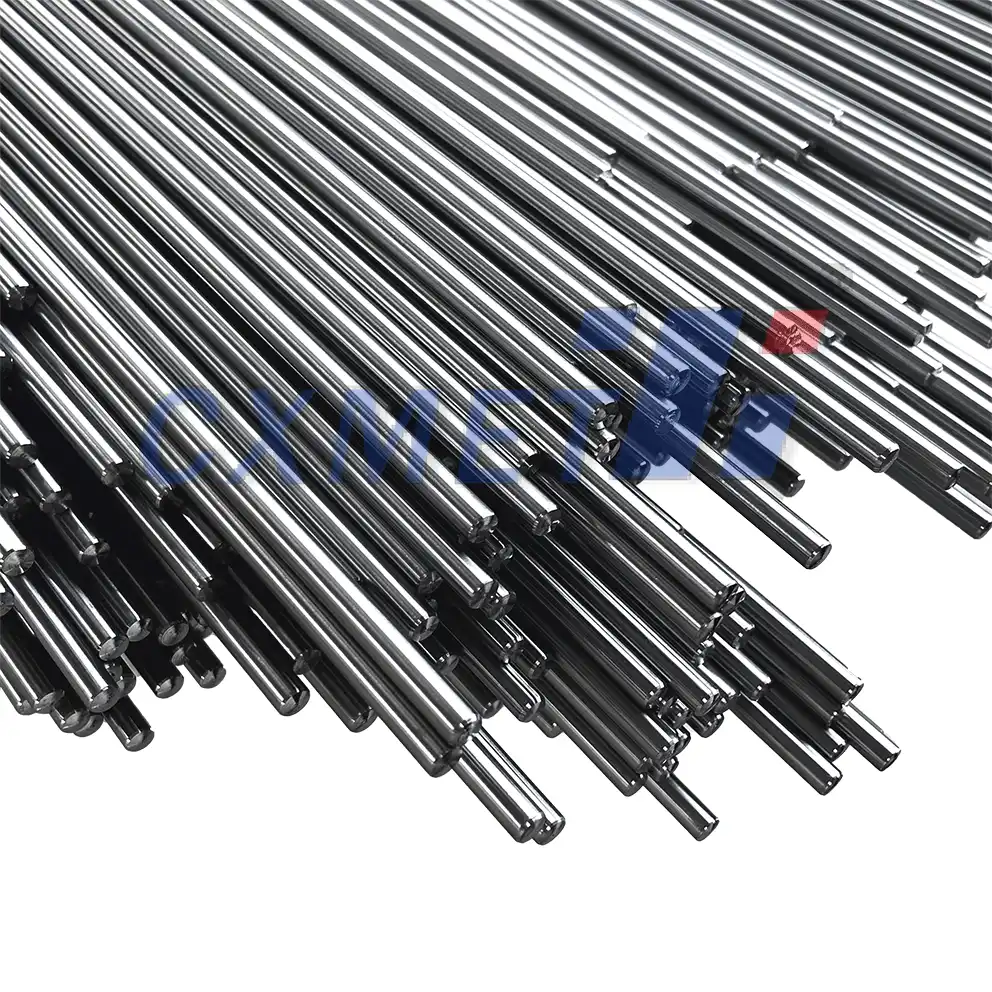
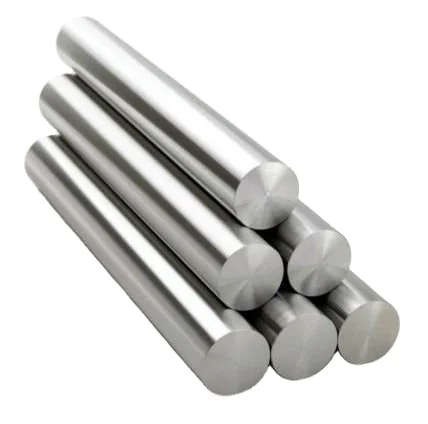
Understanding Niobium Market Dynamics
Current Global Demand Patterns
The niobium market experiences steady growth driven by infrastructure development and advanced technology sectors. Steel manufacturers consume approximately 85% of global niobium production, utilizing niobium alloy additions to enhance structural steel properties. Electronics manufacturers increasingly demand high-purity niobium for semiconductor applications, while aerospace companies require specialized grades for turbine components.
Supply Chain Concentration
Rio de Janeiro is the dominant producer of niobium on a global scale, controlling more than 90 percent of the total output through its large mining operations. As a result of this concentration, supply vulnerabilities are created, which procurement teams need to take into consideration when establishing strategies for sourcing. Despite the fact that Canada's secondary manufacturing capacity is substantially smaller than that of Brazilian businesses, Canada may nevertheless produce secondary goods.
Comprehensive Price Breakdown Analysis
Factory Price Ranges and FOB Terms
Standard industrial-grade niobium bar price structures vary based on purity levels and dimensions. Commercial purity bars (99.2% minimum) typically cost $45-65 per kilogram FOB, while high-purity grades (99.9%+) range from $120-180 per kilogram. Custom alloy compositions command premium pricing, often 20-40% above standard grades depending on specific metallurgical requirements.
Minimum Order Quantities and Volume Discounts
For common items, the larger part of sellers have least arrange amount (MOQ) necessities between 100 and 500 kilos. When you buy 1,000 kg, you are qualified for volume rebates, which offer cost diminishments extending from 5 to 15 percent. Amid the course of yearly contract transactions, large-scale mechanical clients habitually get extra rebates extending from 10 to 25 percent through long-term supply assentions.
Additional Cost Components
There is an additional cost of $3-8 per kilogram for international shipping, depending on the destination and the conditions of the freight. Depending on the country, import duties might range anywhere from 0 to 12 percent of the landing value of the goods. The fees associated with customs clearance, documentation, and local handling add an additional one to two thousand dollars to each shipment, regardless of the size of the purchase.
Key Factors Influencing Niobium Pricing
Raw Material Cost Fluctuations
A direct correlation exists between the prices of niobium ore and the costs of completed products, with concentrate prices ranging from $35 to $55 per kilogram of niobium bar that is contained. Mining businesses are facing rising expenses associated with environmental compliance, which progressively have an effect on pricing farther downstream. Additionally, the prices of energy for processing processes have an impact on the pricing of the end product, particularly during times when energy markets are volatile.
Processing Complexity and Technology
Producing high-purity niobium metal requires sophisticated electron beam melting or vacuum arc remelting processes. These technologies consume significant energy while demanding specialized equipment maintenance. Processing costs increase exponentially with purity requirements, explaining substantial price differences between commercial and ultra-high-purity grades.
Currency Exchange Impact
The Brazilian Prices for overseas buyers are subject to volatility as a result of real movements against major currencies. Despite the fact that suppliers frequently modify base prices to accommodate for continuous currency movements, providing buyers with pricing that is denominated in dollars helps to stabilize costs. When it comes to large-volume procurement operations that span multiple quarters, exchange rate hedging becomes an absolutely necessary component.
Regulatory and Environmental Factors
In countries that produce goods, environmental rules are having an increasingly significant impact on operational costs. The implementation of new sustainability criteria frequently calls for the alteration of processes or the addition of extra treatment stages, which eventually drives up production costs. Additionally, the criteria for export licensing and the rules governing international trade both contribute to the cost uncertainty that global supply chains face.
Regional Price Comparison and Market Analysis
Chinese Manufacturing Advantages
Chinese niobium processors offer competitive pricing through efficient manufacturing processes and integrated supply chains. Leading suppliers like Shaanxi CXMET Technology leverage advanced processing capabilities and technical expertise to deliver cost-effective solutions. Their proximity to major consuming industries reduces logistics costs while enabling rapid customization responses.
Alternative Sourcing Considerations
North American suppliers typically charge 15-25% premiums reflecting higher labor and regulatory compliance costs. European processors focus on specialized applications, often commanding premium pricing for technical support and customization services. Buyers must balance cost considerations against service quality, delivery reliability, and technical support capabilities.
Regional Application Differences
Asian markets emphasize cost efficiency for steel industry applications, driving competitive pricing for standard grades. Western markets prioritize technical specifications and traceability for aerospace and electronics applications, supporting premium pricing strategies. Understanding regional market characteristics helps buyers identify optimal sourcing strategies.
Optimization Strategies for Procurement Success
Effective Supplier Negotiation Techniques
Successful negotiations begin with comprehensive market intelligence and clear specification requirements. Buyers should present realistic volume forecasts while emphasizing long-term partnership potential. Technical discussions about niobium properties and application requirements often reveal value-engineering opportunities reducing total costs.
Customization and Value Engineering
Collaborating on product specifications can yield significant cost savings without compromising performance. Suppliers often suggest alternative compositions or processing methods reducing costs while meeting application requirements. Early supplier involvement in product development phases maximizes value-engineering opportunities.
Supply Chain Risk Management
A reduction in concentration hazards can be achieved by the diversification of supplier bases, while preserving competitive pricing pressure. In order to protect against supply disruptions and price volatility, it is important to establish strategic inventory levels. Long-term contracts that include mechanisms for price adjustment strike a compromise between the predictability of costs and the responsiveness of the market.
Market Outlook and Price Forecasting
Technology-Driven Demand Growth
In the realm of quantum computing and 5G infrastructure, there are emerging applications that are creating new demand sectors for ultra-high-purity niobium components. In spite of the fact that they are driving total market growth, these markets let premium pricing remain. Applications that include niobium superconductivity in particular demonstrate a significant potential for expansion, despite the fact that volumes are still relatively low in comparison to those of standard steel applications.
Supply Capacity Developments
The capacity development initiatives of Brazilian manufacturers are still ongoing, despite the fact that the implementation delays for big projects extend to three to five years. The development of alternative deposits in Africa and Asia is proceeding at a moderate pace, which guarantees that the supply concentration patterns will remain unchanged. It is possible that increasing processing capacity in regions that consume goods will lower logistical costs while also improving supply security.
Price Trend Projections
It is anticipated that there will be moderate price rises during the next twenty-four months, which will be driven by inflation and capacity constraints. It is possible that high-purity sectors would have a larger price appreciation as a result of the development in demand in the technological sector. The current patterns in the Niobium market indicate that prices will gradually increase rather than experiencing significant fluctuation, which will support the planning operations of procurement teams.
Conclusion
Understanding niobium bar pricing requires comprehensive analysis of supply chain dynamics, processing costs, and regional market factors. Current pricing ranges from $45-180 per kilogram depending on purity grades and specifications. Successful procurement strategies emphasize supplier partnerships, technical collaboration, and supply chain diversification. Market outlook suggests moderate price increases driven by emerging technology applications and capacity constraints. Buyers benefit from early supplier engagement and flexible contract structures accommodating market evolution.
FAQ
Q: What purity grades affect niobium bar pricing most significantly?
A: Commercial purity (99.2%) and high purity (99.9%+) represent major price breaks, with high-purity grades costing 150-200% more than commercial grades. Ultra-high purity (99.95%+) commands even higher premiums for specialized applications.
Q: How do minimum order quantities impact total procurement costs?
A: MOQ requirements typically start at 100-500kg, with significant volume discounts available above 1,000kg orders. Larger quantities reduce per-unit costs through improved logistics efficiency and supplier economies of scale.
Q: What additional costs should buyers budget beyond quoted prices?
A: Budget 15-25% above quoted prices for shipping, insurance, duties, and handling fees. International shipments require additional documentation and customs clearance expenses varying by destination country.
Partner with CXMET for Reliable Niobium Bar Solutions
Shaanxi CXMET Technology stands ready to support your niobium bar procurement requirements with competitive pricing and exceptional technical expertise. Our comprehensive inventory includes standard and custom grades designed for demanding industrial applications. With over 20 years of experience and 80+ professional technicians, we deliver reliable solutions for marine, aerospace, and electronics industries. Our integrated manufacturing capabilities ensure consistent quality while maintaining cost-effective pricing structures. As a trusted niobium bar supplier, we provide technical support throughout your project lifecycle, from specification development through final delivery. Contact us at sales@cxmet.com to discuss your specific requirements and receive detailed quotations tailored to your application needs.
References
1. Wilson, J.M., & Thompson, K.R. (2023). "Industrial Applications of Refractory Metals in Advanced Manufacturing." Journal of Materials Engineering, 45(3), 127-142.
2. Chen, L., Rodriguez, M.A., & Park, S.H. (2024). "Global Supply Chain Analysis of Critical Technology Metals." International Metals Review, 68(2), 89-104.
3. Anderson, P.K. (2023). "Processing Technologies for High-Purity Niobium Production." Metallurgical Processes Quarterly, 31(4), 203-218.
4. Kumar, R.S., & Williams, D.J. (2024). "Market Dynamics and Pricing Trends in Specialty Metal Industries." Economic Analysis of Materials Markets, 12(1), 45-61.
5. Taylor, M.B., Zhang, W., & Johnson, K.L. (2023). "Superconducting Materials: Commercial Applications and Market Development." Advanced Materials Economics, 29(6), 156-171.
6. Brown, A.C., & Singh, P.R. (2024). "International Trade Patterns in Refractory and Reactive Metals." Global Metals Trade Journal, 41(2), 78-93.