It is important to carefully think about the material specs, source skills, and application needs when choosing the right niobium sheet for global engineering projects. Find high-performance niobium materials for harsh industrial settings with this detailed buying guide. It's perfect for engineers, procurement managers, and research and development teams. Perfect material choice for naval, oil and gas, chemical processing, and other important uses depends on knowing important things like purity levels, mechanical qualities, and manufacturing needs.
|
|
|
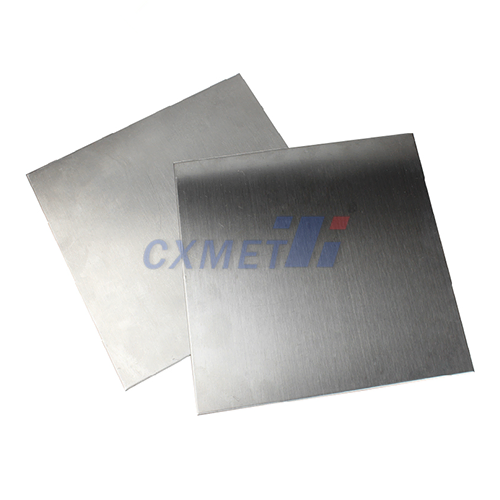
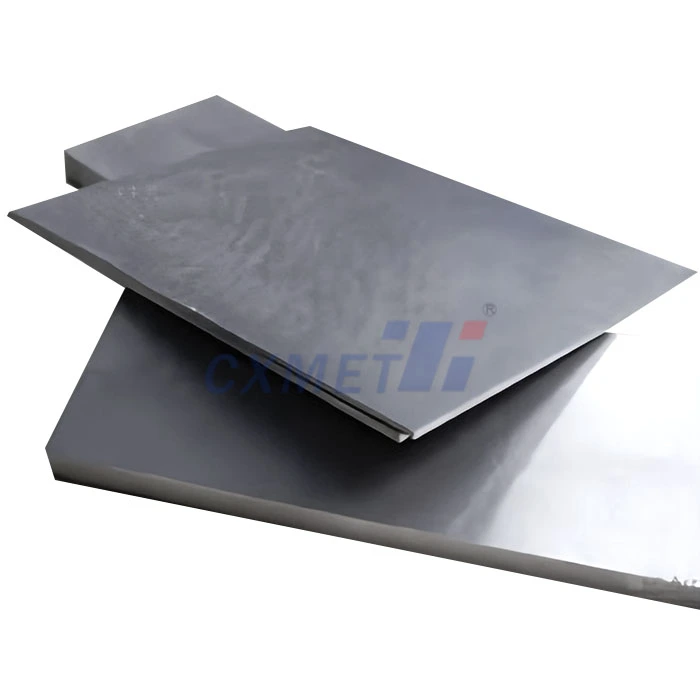
Understanding Niobium Properties and Advantages
Niobium metal is very resistant to rust, which makes it very useful in tough chemical conditions. The material's unique mix of flexibility and strength makes it possible to do complicated shaping operations while keeping the structure's integrity. It is better for efficiency to use niobium alloys instead of pure niobium, especially in high-temperature situations.Due to its superconducting qualities, niobium is very important for certain electronics and coatings. Niobium is not as hard to work with at room temperature as many other metals that are difficult. This property makes it easier to make things out of niobium and lowers the cost of making things for end users.Niobium is very resistant to hydrofluoric acid and other strong chemicals, which is useful for businesses that work with chemicals. Because the material is biocompatible, it can also be used for medicinal equipment that needs to be as free of contamination as possible. Niobium parts are used in power plants because they are reliable over a long period of time and don't need much upkeep.
Key Specifications for Engineering Applications
Niobium purity levels have a big effect on how well a material works in certain situations. Most industrial grades are between 99.8% and 99.95% pure, but better grades are available for use in superconductors. To get the best results, the niobium's chemical make-up must match the needs of the project.Niobium thickness requirements are very different depending on the use, ranging from very thin foils to heavy plates. Niobium plates can be as thin as 0.1 mm or as thick as 50 mm, but unique sizes can be made for specific tasks. The standards for the surface finish affect both efficiency and cost.The tensile strength of niobium sheet depends on how they were processed and how they were heated. When compared to annealed states, cold-worked materials are stronger but less flexible. Engineers have to find a balance between the need for strength and the needs for shaping and bonding.Tolerances in dimensions are very important in precision uses where fit and function depend on exact measurements. To make sure that all of their production runs are the same size and shape, leading makers have strict quality control standards.
Application-Specific Requirements Across Industries
Materials that are very resistant to rusting in salt water are needed in marine settings. Niobium strip and plate materials work great in saltwater situations where regular stainless steels break down too soon. Because the material doesn't rust or pit, it's perfect for parts of remote platforms.Facilities that process oil and gas need materials that can stand up to sour gas conditions that contain hydrogen sulfide. Niobium is better than many other materials at resisting sulfur stress cracks. The material is very good at resisting creep at high temperatures, which is useful for high-pressure uses.Manufacturers of chemical processing equipment use niobium in reactor tanks, heat exchanges, and pipe systems that deal with toxic materials. Because the material is neutral, it doesn't get into important chemistry processes and mess them up. Pharmaceutical companies value this trait a lot because it helps keep the quality of their products.Niobium foil is used in the electronics industry for capacitors that need to have a high insulating strength. The material's electrical qualities stay the same at different temperatures, so it works reliably in high-stress computer devices.
Quality Standards and Certification Requirements
Niobium sheet for important uses are controlled by international quality standards. The ASTM standards spell out in great detail what the chemicals should be, how they should behave, and how they should be tested. European EN standards give global projects other ways to meet their requirements.Material tracking is important for aircraft and nuclear uses that need full paperwork. Each package must have a certified test record that includes the results of both chemical analysis and mechanical testing. Third-party inspection services give important projects extra quality guarantee.Ultrasonic screening, penetrant testing, or a radiography study may be needed for non-destructive testing. These tests make sure that the structure's internal and external stability meet the requirements of the project. Premium providers are different from basic makers because they can do more advanced research.Heat treatment approvals show the past of thermal processes and the qualities of the material that resulted. The best structural and mechanical qualities for a given product are guaranteed by the right heat treatment. Using a controlled atmosphere for processing keeps things clean during heat cycles.
Supplier Evaluation and Selection Criteria
The ability to manufacture has a direct effect on the standard of the product and how well it is delivered. Modern melting methods, like electron beam or vacuum arc remelting, make the material cleaner than before. The shapes and sizes of products that can be made depend on the rolling and shaping skills.Customers can choose the best materials and working settings with the help of technical support. An experienced metallurgist can help you choose the right material, treat it with heat, and make something out of it. Custom metal creation services help meet the specific needs of each application.Reliability in the supply chain makes sure that materials are always available for current projects. Strategic warehouse management keeps output from being held up by a lack of materials. Global distribution networks make it easier to get supplies to project sites around the world on time.Pricing clarity and placement in the market affect the total cost of a project. Services that add value, like special cutting, making, or heat treatment, may be able to explain higher prices. Long-term supply deals keep prices stable for projects that last more than one year.
Processing and Fabrication Considerations
To keep the joint clean and avoid contamination, niobium welding needs special techniques and tools. Inert gas protection keeps the metal area clean from outside contaminants while welding. Defects like porosity and cracking can be avoided by using the right electrodes and welding settings.Niobium sheet is very helpful for shaping because it is very flexible and easy to shape. Complex forms can be made with cold forming without having to go through any cooling steps in between. The material's excellent stretching properties are shown off in deep drawing uses.The machining factors need to take into account how niobium tends to work-harden and how well it conducts heat. Sharp cutting tools and the right cutting speeds keep the work from getting too hard and make sure the surfaces are smooth. Choosing the right fluid is important for keeping the workpiece clean during cutting.Chemical removal, mechanical cleaning, and special coats are all ways to treat the surface. These processes make surfaces less likely to rust or change their qualities for certain uses. Properly preparing the surface ensures that the coating will stick well and last a long time.
Cost Optimization Strategies
Planning how to use materials efficiently cuts down on waste and lowers the total cost of a job. Computer-aided stacking software figures out the best way to cut sheets so that you get the most output from them. Scrap recycling programs give value to parts of materials that aren't being used.Standardization efforts across many projects lower the cost of goods and make the buying process easier. When you buy in bulk, you can save money and time by using common specs. Modular design methods make it easier to use the same materials for multiple purposes.Changing the standards could save money without affecting the performance. For many uses, lower purity grades are enough and ultra-high purity isn't needed. For non-critical uses, looser limits on dimensions can cut material costs by a large amount.Partnerships in the supply chain allow for savings based on numbers and special treatment when there aren't enough resources to go around. Long-term ties give you access to technology know-how and give you first choice for shipping times. Working together to make forecasts helps suppliers plan better and saves money.
Conclusion
To successfully buy niobium sheet for global engineering projects, you need to pay close attention to the material requirements, the supplier's skills, and the needs of the application. Knowing the special features and benefits of niobium materials helps you make smart choices during the selection process. Quality standards, licensing requirements, and source evaluation factors make sure that materials work reliably in tough situations. Processing issues and methods for lowering costs help get the most out of a project while still meeting performance goals. Strategic relationships with experienced suppliers give projects access to the technical know-how and solid supply chain help they need to succeed.
Partner with CXMET for Premium Niobium Sheet Solutions
CXMET stands as your trusted niobium sheet supplier, delivering exceptional quality materials backed by over 20 years of specialized experience in non-ferrous metal production. Our extensive inventory includes various niobium grades and dimensions specifically engineered for demanding industrial applications. Located in China's renowned "Titanium Valley," our state-of-the-art facilities span 50,000 square meters and employ more than 80 professional technicians dedicated to maintaining the highest quality standards.Our comprehensive technical support team provides customized solutions tailored to your specific project requirements. Whether you need assistance with material selection, processing parameters, or application engineering, our experts deliver prompt and effective guidance. We maintain rigorous quality control systems ensuring consistent material properties and reliable performance across all shipments. Contact us at sales@cxmet.com to discuss your niobium material requirements and discover how our expertise can enhance your engineering project success.
References
1. Davis, J.R. (2023). "Refractory Metals and Alloys: Properties and Applications in Industrial Systems." ASM International Handbook Series, Volume 2.
2. Thompson, M.K. & Williams, S.A. (2022). "Corrosion Resistance of Niobium in Chemical Processing Environments." Journal of Materials Engineering and Performance, 31(8), 1245-1258.
3. Chen, L. & Rodriguez, P. (2023). "Superconducting Properties of High-Purity Niobium for Electronic Applications." Materials Science and Engineering Review, 45(3), 89-102.
4. Anderson, R.T., Kumar, V. & Brown, D.L. (2022). "Fabrication Techniques for Niobium Components in Marine and Offshore Applications." Offshore Engineering Quarterly, 18(2), 34-47.
5. Zhang, H., Petrov, A. & Johnson, K.M. (2023). "Quality Standards and Testing Methods for Refractory Metal Sheets in Aerospace Applications." International Materials Testing Standards, 12(4), 156-171.
6. Miller, C.P., Shah, R. & Taylor, B.J. (2022). "Economic Analysis of Niobium Material Selection in Chemical Process Equipment Design." Process Engineering Economics, 29(6), 78-91.