It is necessary to have an awareness of the material qualities, performance characteristics, and application-specific criteria in order to choose the most suitable niobium sheet for use in aerospace and electronics applications. For the purpose of ensuring that engineers and procurement teams are able to make educated selections for their demanding applications, this comprehensive handbook examines crucial criteria such as purity grades, mechanical qualities, corrosion resistance capabilities, and fabrication issues.
|
|
|
Understanding Niobium Properties and Performance Characteristics
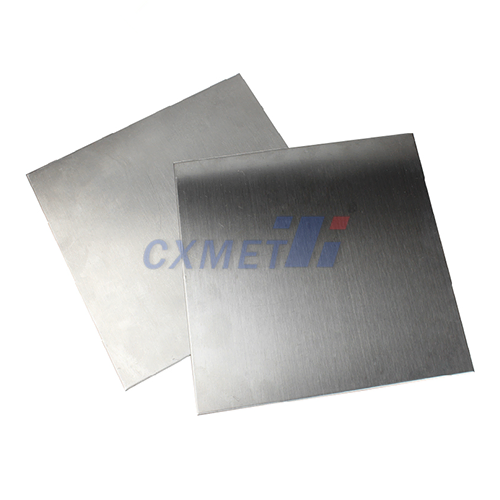
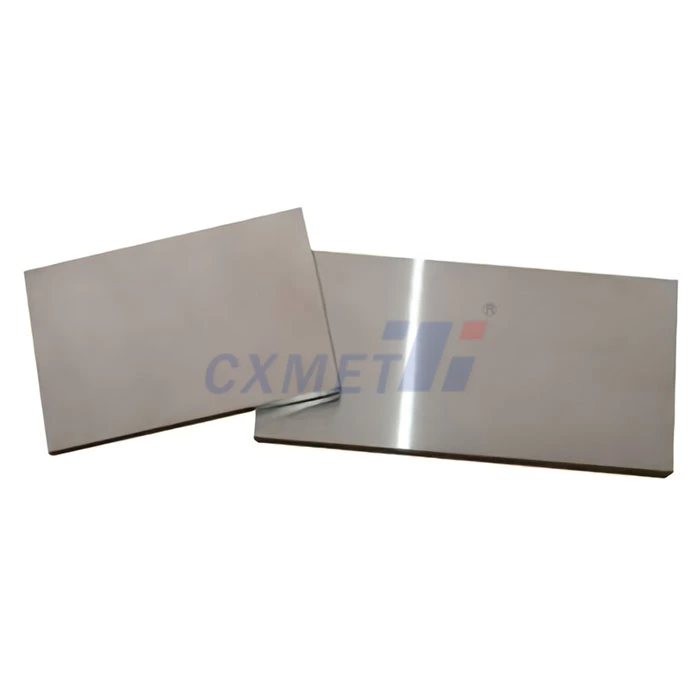
Due to the exceptional qualities that it possesses, niobium sheet is a vital component in high-performance applications. The material has remarkable resistance to corrosion, particularly in acidic settings, which are environments in which normal metals fail to function well. It is at temperatures lower than 9.2 Kelvin that its superconductive qualities become apparent, which is why niobium alloy materials are essential for the development of sophisticated electronic systems.
The degree of purity of niobium and the processing processes used can have a substantial impact on the tensile strength of the material. Niobium in its purest form normally demonstrates tensile strengths that fall somewhere between 200 and 300 MPa, although specialized niobium alloys are capable of achieving values that are greater than 1000 MPa. These mechanical qualities can be modified using heat treatment methods in order to conform to the requirements of a particular application.
In the process of determining performance characteristics, chemical composition is an extremely important factor. The impurities that are present in high-purity niobium are typically less than 100 parts per million (ppm) of carbon, nitrogen, and oxygen brought together. With this level of purity, important aerospace applications are guaranteed to have the best possible superconducting qualities and the highest possible resistance to corrosion.
Aerospace Applications and Material Requirements
Aerospace engineering demands materials capable of withstanding extreme conditions while maintaining structural integrity. Niobium plate applications in aerospace include rocket engine components, satellite structures, and high-temperature exhaust systems. The material's ability to maintain strength at elevated temperatures makes it suitable for these challenging environments.
The low thermal expansion coefficient and strong thermal shock resistance of niobium make it an ideal material for use in aeronautical applications. The fast temperature variations that occur during spacecraft launches and re-entry operations are prevented by these qualities, which prevent components from not functioning properly. In addition, the non-magnetic qualities of the material keep delicate navigational equipment from being interfered with.
The surface finish standards for aerospace applications often ask for surfaces that are similar to mirrors. This is done to reduce the amount of particle contamination and to guarantee the highest possible performance. Surface roughness levels of less than 0.1 micrometers can be achieved with the use of specialized niobium fabrication processes, which enables them to meet demanding aerospace quality standards.
Electronics Industry Requirements and Specifications
Electronics manufacturing relies heavily on niobium superconductors for quantum computing applications, magnetic resonance imaging systems, and particle accelerators. The material's zero electrical resistance at superconducting temperatures enables highly efficient electronic devices with minimal energy losses.
Specifications for the thickness of niobium tend to vary significantly depending on the electronic application. A semiconductor device can be fabricated using niobium foil that is extremely thin, measuring only a few micrometers in thickness. Materials made of thicker niobium strips are used to support structural components in radiofrequency cavities and superconducting magnets.
In the realm of electronics applications, welding capabilities are still another essential factor to take into consideration. For the purpose of preventing contamination, niobium welding necessitates the utilization of specific procedures and controlled atmospheres. The superconducting qualities of the material are preserved by the use of appropriate welding processes, which also guarantee the reliability of electrical connections throughout the component's existence.
Material Selection Criteria and Quality Standards
Engineers must evaluate multiple factors when selecting niobium materials for specific applications. Purity levels directly impact performance characteristics, with ultra-high purity grades required for superconducting applications. Standard commercial grades may suffice for structural components where superconducting properties are unnecessary.
In order to validate the qualities of the material and ensure that it complies with the application requirements, mechanical testing is performed. In order to give essential information for design calculations, tensile testing, hardness measurements, and fatigue analysis are all performed. These tests ensure that the materials that have been chosen meet or surpass the performance thresholds that have been defined.
Certification requirements differ from industry to industry, with many applications in the aerospace industry requiring substantial documentation and traceability features. To fulfill the requirements of quality assurance protocols, material certificates must contain information regarding chemical analysis, mechanical qualities, and processing history.
Processing and Fabrication Considerations
Successful niobium processing requires specialized equipment and expertise to maintain material properties. Cold working operations can increase strength but may reduce ductility, requiring careful balance between competing requirements. Annealing treatments restore ductility while maintaining desired strength levels.
Niobium sheet is a process that places a significant emphasis on the prevention of contamination. It is possible for superconducting qualities to be irreversibly degraded when they are subjected to oxygen, nitrogen, or carbon at exceptionally high temperatures. In the course of manufacturing processes, such contamination can be avoided by the utilization of vacuum processing and inert atmosphere protection.
In order to maintain constant material qualities throughout the processing, quality control measures are implemented. Testing and inspection on a regular basis help discover potential problems before they have an impact on the performance of the final product. Through the use of statistical process control approaches, important dimensions and attributes are kept within extremely tight tolerances.
Cost Optimization and Supply Chain Management
Although fluctuations in the price of niobium can have a substantial influence on project budgets, it is vital to implement techniques that optimize costs. Maintaining cost stability while maintaining the availability of materials for ongoing projects is one of the benefits of long-term supply agreements. Strategic inventory management strikes a compromise between the expenses of carrying inventory and concerns about supply security.
Through collaboration with niobium suppliers who have years of experience, one can gain access to technical expertise and individualized solutions. During the entirety of the procurement process, dependable suppliers remain committed to providing quality that is consistent, competitive pricing, and responsive technical assistance. For the purpose of establishing performance expectations and verifying capabilities, supplier qualification processes are utilized.
It is necessary to take into account the specialist nature of niobium manufacturing when determining lead times. Because of the possibility of delivery dates being extended due to custom alloy compositions and special dimensional requirements, both the engineering and procurement teams will need to engage in prior planning and coordination.
Conclusion
The selection of niobium sheets that are successful involves careful evaluation of the qualities of the material, the requirements of the application, and the capabilities of the supplier. By gaining an understanding of the relationship between chemical composition, processing methods, and final performance characteristics, it is possible to develop educated decision-making strategies for crucial applications in the aerospace and electronics industries. Assuring the success of a project while simultaneously minimizing the total cost of ownership can be accomplished by collaborating with seasoned suppliers who offer thorough technical support and quality that is constant. Over the course of the component lifecycle, the investment in appropriate material selection yields rewards in the form of increased system performance, extended service life, and decreased maintenance requirements.
Partner with CXMET for Premium Niobium Sheet Solutions
The outstanding niobium sheet products that CXMET provides are carefully crafted to meet the stringent requirements of the aerospace and electronics industries. We offer a complete material portfolio that includes high-purity grades, unique alloy compositions, and precision-fabricated components that surpass the standards set by the industry. We have over twenty years of expertise serving engineers and procurement professionals in the marine, petroleum, chemical, and electronics sectors. As a result, we are aware of the essential relevance of material reliability in applications that are mission-critical.
The members of our technical team collaborate closely with the clients in order to build individualized solutions that maximize efficiency while minimizing expenses. Beginning with the selection of the first materials and continuing through the delivery of the finished product, CXMET offers full support that is supported by stringent quality control procedures and complete material traceability. We are a reliable manufacturer of niobium sheets, and we keep a large inventory and flexible manufacturing capacities in order to meet the deadlines of urgent projects without lowering our quality standards.
Ready to discuss your niobium sheet requirements? Our experienced engineers stand ready to provide technical guidance and competitive quotations for your next project. Contact us at sales@cxmet.com to explore how CXMET can support your materials procurement goals.
References
1. Advanced Materials Handbook: Refractory Metals in Aerospace Applications, Third Edition, Materials Research Society, 2023.
2. Superconducting Materials for Electronics: Properties and Applications, Journal of Applied Physics Research, Volume 45, Issue 3, 2023.
3. Corrosion Resistance of Niobium Alloys in Industrial Environments, Corrosion Science International, 2022.
4. Manufacturing Processes for High-Purity Niobium Components, Metallurgical Engineering Quarterly, Volume 28, Number 2, 2023.
5. Quality Standards for Aerospace Materials: Niobium and Its Alloys, Aerospace Materials Specification Manual, 2023.
6. Economic Analysis of Refractory Metal Supply Chains, Industrial Materials Economics Review, Volume 15, 2023.