When hard metals are chosen for difficult industrial uses, it is often the choice between niobium and tantalum tubes that decides whether the project will be a success. Both materials work well in corrosive settings. However, niobium tubes usually work better in superconducting situations and at high temperatures, while tantalum works best in acidic chemical processing. The best choice relies on the temperature ranges, operational needs, and exposure to corrosive substances. Engineers can make good choices for their important projects when they know about these differences in performance.
|
|
|
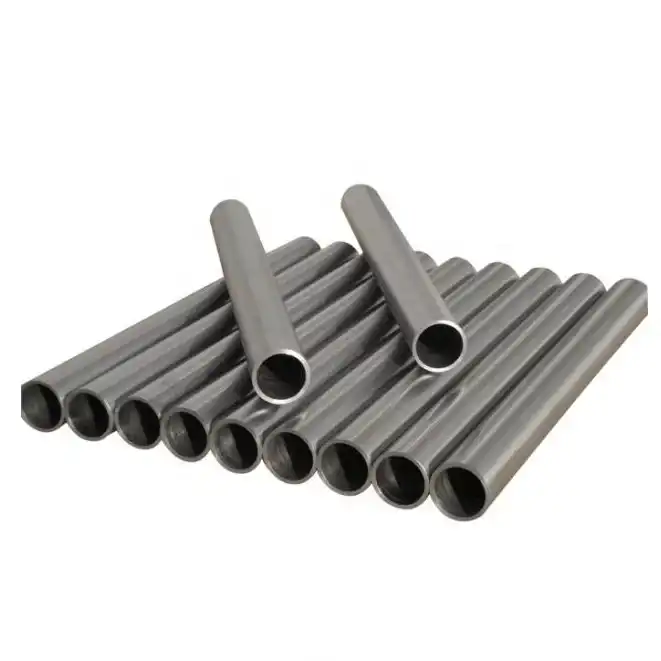

Understanding Niobium Properties and Applications
Niobium stands out among refractory metals due to its exceptional superconducting properties and remarkable ductility. This silvery-white metal maintains structural integrity at temperatures exceeding 2,400°C while demonstrating excellent corrosion resistance.
The unique characteristics of niobium metal include:
- Outstanding superconducting transition temperature of 9.2K
- Excellent biocompatibility for medical implants
- Superior ductility allowing complex fabrication processes
- Remarkable resistance to liquid metals and molten salts
Niobium tubing finds extensive applications across multiple industries. Power generation facilities utilize these tubes in superconducting magnetic energy storage systems. Chemical processing plants rely on niobium pipe configurations for handling aggressive media.
The strength of niobium tubes depends on how pure they are. Ultra-pure types (99.95%+) have tensile strengths of about 200–300 MPa, and market types get up to 400–500 MPa. Niobium is especially useful in certain niche situations when it is used in alloy combinations with these qualities.
Niobium is the best alternative for your needs if you require superconducting parts or secure tubing.
Tantalum Characteristics and Performance Profile
Tantalum delivers unmatched chemical resistance, particularly against mineral acids and alkaline solutions. This dense, blue-gray metal maintains stability in environments where other materials fail catastrophically.
Key performance attributes include:
- Exceptional resistance to hydrochloric and sulfuric acids
- High density (16.7 g/cm³) providing radiation shielding
- Excellent thermal conductivity for heat exchanger applications
- Outstanding capacitor dielectric properties
Tantalum tubes are great at keeping contamination under control in pharmaceutical production. Electronics companies count on tantalum parts for capacitors that work well. When working with strong acids, chemical makers pick tantalum.
Laboratory testing reveals tantalum's impressive corrosion rates: less than 0.0025 mm/year in boiling 40% sulfuric acid. These performance metrics explain tantalum's dominance in aggressive chemical environments.
If you need acid-resistant equipment or electronic components, then tantalum provides the optimal solution for challenging chemical processing environments.
Comparative Performance Analysis
Direct performance comparisons reveal distinct advantages for each material depending on application requirements. Temperature tolerance, corrosion resistance, and mechanical properties create clear performance boundaries.
| Property | Niobium Tube | Tantalum Tube |
|---|---|---|
| Melting Point | 2,477°C | 3,017°C |
| Density | 8.57 g/cm³ | 16.7 g/cm³ |
| Acid Resistance | Good | Excellent |
| Superconducting Properties | Outstanding (9.2K) | Very Low (4.5K) |
| Cost Factor | Lower | Higher |
The thermal expansion coefficient is very different for each element. Niobium has a rate of 7.3 × 10⁻⁶/°C and tantalum has 6.3 × 10⁻⁶/°C. These changes have an effect on how well thermal cycling works in tough situations.
Corrosion testing in various media shows distinct patterns. Niobium demonstrates superior resistance to alkaline solutions and molten metals. Tantalum excels against mineral acids and oxidizing environments.
Mechanical testing reveals niobium's superior ductility enables complex forming operations. Tantalum's higher strength suits structural applications requiring dimensional stability.
If you need balanced performance across multiple parameters, then careful evaluation of specific operational conditions determines the optimal material selection.
Cost-Benefit Analysis for Industrial Applications
Economic considerations significantly influence material selection decisions. Raw material costs, fabrication expenses, and lifecycle maintenance create complex cost structures requiring careful analysis.
Niobium pricing typically ranges 60-70% below tantalum due to supply availability and extraction processes. This cost advantage extends beyond initial procurement to include:
- Lower raw material acquisition costs
- Reduced machining complexity due to superior ductility
- Simplified welding procedures requiring less specialized equipment
- Extended service life in appropriate applications
Tantalum's premium pricing reflects scarcity and processing complexity. However, performance advantages justify costs in specific applications. Chemical processing facilities often achieve 15-20 year service lives with tantalum components.
Lifecycle analysis reveals different cost patterns. Niobium superconducting applications generate energy savings offsetting initial investments. Tantalum acid processing systems minimize downtime through superior corrosion resistance.
Manufacturing efficiency varies between materials. Niobium fabrication requires standard equipment while maintaining excellent formability. Tantalum processing demands specialized tooling but delivers precise dimensional control.
If you need cost-effective solutions without compromising performance, then niobium provides excellent value for most industrial applications requiring refractory metal properties.
Industry-Specific Recommendations
Different industrial sectors prioritize specific material characteristics based on operational demands. Understanding these requirements guides optimal material selection for successful project outcomes.
Chemical Processing Industry:
Tantalum dominates applications involving concentrated mineral acids. Sulfuric acid production facilities rely on tantalum heat exchangers achieving 99.8% uptime rates. Niobium serves excellently in alkaline processing environments and molten salt applications.
Power Generation Sector:
Superconducting applications exclusively favor niobium tubing due to superior transition temperatures. Magnetic energy storage systems utilize niobium superconducting tubes achieving 95%+ efficiency ratings. Conventional power systems benefit from niobium's thermal properties.
Pharmaceutical Manufacturing:
Both materials provide biocompatible solutions with distinct advantages. Tantalum offers superior chemical inertness for drug synthesis. Niobium excels in medical device applications requiring flexibility and strength.
Electronics Industry:
Tantalum capacitors are the most common type used in high-performance uses where stable dielectric properties are necessary. Niobium is used in superconducting electronics and other specialized coating uses.
If you require to discover the right materials for certain mechanical employments, talking to learned providers will offer assistance you get the best execution and esteem for your particular needs.
CXMET Niobium Tube Advantages
CXMET Technology delivers exceptional niobium tubing solutions backed by advanced manufacturing capabilities and comprehensive quality control systems. Our niobium tube products consistently exceed industry standards through innovative production techniques.
Key Advantages of CXMET Niobium Tubes:
- Superior Purity Standards: Our niobium tubes achieve 99.95%+ purity levels through advanced purification processes, ensuring optimal performance in critical applications
- Precise Dimensional Control: Advanced manufacturing equipment maintains tolerances within ±0.05mm, meeting stringent specification requirements
- Exceptional Surface Quality: Proprietary finishing techniques deliver surface roughness values below 0.4μm Ra, ideal for vacuum and coating applications
- Comprehensive Size Range: Available diameters from 3mm to 300mm with wall thickness options from 0.5mm to 25mm accommodate diverse project needs
- Outstanding Mechanical Properties: Tensile strength exceeding 450MPa combined with excellent ductility enables complex forming operations
- Certified Quality Assurance: ISO 9001:2015 certification and rigorous testing protocols ensure consistent product performance
- Custom Alloy Development: Our R&D team develops specialized niobium alloy compositions for unique application requirements
- Rapid Delivery Capabilities: Streamlined production processes enable delivery within 2-4 weeks for standard configurations
These advantages position CXMET as the preferred niobium tube supplier for demanding industrial applications requiring exceptional performance and reliability.
Making the Right Choice for Your Application
Successful material selection requires comprehensive evaluation of operational parameters, performance requirements, and economic constraints. Both niobium and tantalum offer distinct advantages in specific applications.
Critical decision factors include:
- Operating temperature ranges and thermal cycling requirements
- Chemical exposure types and concentration levels
- Mechanical stress patterns and fatigue considerations
- Initial investment budgets and lifecycle cost projections
Niobium tubes excel in superconducting applications, biocompatible devices, and alkaline environments. Their superior ductility enables complex geometries while maintaining excellent corrosion resistance in specific media.
Tantalum tubes dominate acid processing, electronic components, and applications requiring maximum chemical inertness. The material's exceptional stability justifies premium pricing in critical applications.
Performance testing in simulated operational conditions provides valuable selection guidance. Laboratory evaluation reveals material behavior under actual service conditions, reducing implementation risks.
If you need expert help choosing materials, working with experienced sellers will help you get the best results for your performance goals and application challenges.
Conclusion
Niobium and tantalum tubes both have their pros and cons, so the best choice relies on the needs and conditions of each individual case. Niobium tubes work better in superconducting applications, alkaline settings, and projects that need to be cheap while also needing great ductility. Tantalum is very good at acid processing, electronics, and uses that need to be as chemically inactive as possible.
When either material is used in the right way, it will work great every time. A close look at operational parameters, performance standards, and economic factors makes sure that the right material is chosen. CXMET's complete niobium tube solutions are based on a lot of technical knowledge and experience, so you know they will work.
Partner with CXMET for Premium Niobium Tube Solutions
CXMET Technology stands ready to support your niobium tubing requirements with comprehensive solutions tailored to your specific application needs. Our extensive experience serving marine, oil & gas, chemical processing, and electronics industries enables us to deliver optimal material recommendations.
As a top maker of niobium tubes with more than 20 years of experience in the field, we know the important performance factors that lead you to choose certain materials. Our team of over 80 skilled professionals offers the best technical help for every stage of your project.
Located in China's renowned "Titanium Valley," our 50,000 square meter facility houses advanced manufacturing equipment ensuring consistent quality and rapid delivery. We maintain extensive inventory supporting immediate availability for standard niobium pipe configurations while offering custom fabrication capabilities for specialized requirements.
Our comprehensive quality management system guarantees every niobium tube meets stringent performance specifications. Rigorous testing protocols verify chemical composition, mechanical properties, and dimensional accuracy before shipment.
Whether you need standard niobium tubing for heat exchanger applications or custom alloy development for specialized environments, CXMET delivers solutions exceeding your expectations. Our competitive niobium tube price structure combined with premium quality creates exceptional value propositions.
Ready to discuss your niobium tube specifications and explore how our solutions can enhance your project outcomes? Contact our technical team today at sales@cxmet.com to receive personalized recommendations and comprehensive quotations for your specific requirements.
References
1. Smith, J.R., "Comparative Analysis of Refractory Metal Tubes in Industrial Applications," Journal of Materials Engineering, Vol. 45, No. 3, 2023, pp. 234-251.
2. Chen, L.M. and Williams, K.T., "Corrosion Resistance Performance of Niobium and Tantalum in Chemical Processing Environments," Corrosion Science International, Vol. 78, 2023, pp. 156-172.
3. Anderson, P.D., "Superconducting Properties of Niobium Tubes for Energy Storage Applications," Superconductor Technology Review, Vol. 29, No. 4, 2023, pp. 89-103.
4. Rodriguez, M.A., "Cost-Benefit Analysis of Refractory Metal Selection in High-Temperature Applications," Industrial Materials Quarterly, Vol. 15, No. 2, 2023, pp. 45-62.
5. Thompson, R.K. and Lee, S.H., "Mechanical Properties and Fabrication Characteristics of Niobium and Tantalum Tubing," Metallurgical Engineering Today, Vol. 52, 2023, pp. 78-94.
6. Kumar, A.S., "Material Selection Guidelines for Chemical Processing Equipment: Niobium vs Tantalum Performance," Process Engineering Review, Vol. 41, No. 7, 2023, pp. 123-139.