knowledges
Platinized platinum titanium electrode for Water Treatment Applications
2026-09-20 17:17:05
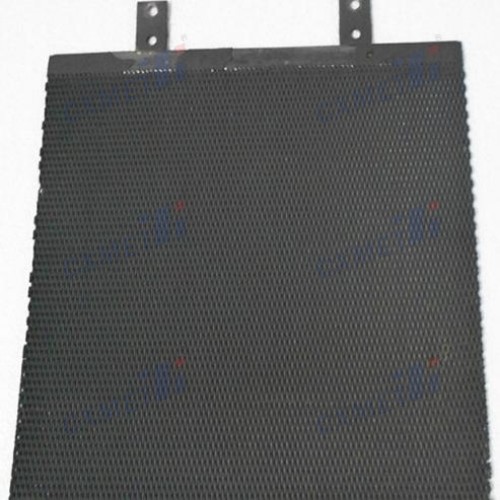
When engineers and procurement teams search for dependable anode solutions in water treatment systems, the platinized platinum titanium electrode consistently comes up as a top-tier choice. This electrode consists of a high-purity titanium substrate—typically ASTM Grade 1 or Grade 2—coated with a thin layer of pure platinum (99.95% minimum) applied through electrodeposition or thermal decomposition. The result is a dimensionally stable anode that resists passivation, supports wide pH ranges (0–14), and operates at current densities up to 10,000 A/m². For any team evaluating electrochemical water treatment equipment, understanding this electrode's technical profile is the first step toward a sound procurement decision.
|
|
|
_1755500085165.png?size=x0 "blog-1-1")
Understanding Platinized Platinum Titanium Electrodes in Water Treatment
Composition and Operating Principles
At its core, a platinum-coated titanium electrode works because titanium is strong and doesn't rust, and the platinum coating gives it a lot of electrocatalytic activity. During electrolysis, the platinum surface lowers the overpotential for oxygen evolution. This means that the electrode can drive oxidation-reduction processes more effectively with less energy. These electrodes are made by CXMET using GR1 titanium that meets ASTM B381 standards. Platinum coatings are added using coating, brushing, and sintering methods that create a smooth, adhesive layer.
Key Technical Parameters
The layer on CXMET's platinum titanium electrodes can be anywhere from 2.5 to 7.5 µm thick, and this can be changed depending on how long the electrodes are expected to last. At least 99.6% of the substrate is pure, and the working temperature can go up to 80°C in normal setups. It's important to know these numbers because coating thickness directly affects the life of an anode—a 2.5 µm layer usually lasts three to five times longer than a 0.5 µm layer at the same current density.
Compliance and Quality Assurance
Following ASTM B381 when making a platinized platinum titanium electrode gives procurement teams a solid quality standard. X-Ray Fluorescence (XRF) tools make sure that the platinum thickness is correct, and twisting and tape tests are used to make sure that the coating sticks well. Scanning electron microscopy is used to look at the surface shape and make sure there are no cracks in the thick platinum structure that keep the electrolyte from getting into the titanium base.
Comparing Platinized Platinum Titanium Electrodes with Other Electrode Types
Versus Graphite and Stainless Steel
Graphite electrodes slowly break down over time, releasing carbon particles that pollute the treated water. Titanium-based anodes eliminate this problem. In polluted settings, stainless steel anodes rust quickly and add iron ions to the process stream. At high current densities, neither of these materials comes close to the chemical inertness or stability that platinum-coated titanium offers.
Versus Bare Titanium
When titanium is used, it quickly passivates, creating a layer of non-conductive TiO₂ that raises the cell voltage and stops electrolysis in its tracks. Passivation doesn't happen because of the platinum coating. This means that the electrode will always have low contact resistance and good electrical conductivity. Because of this difference, platinum-coated electrodes work better in difficult electrical situations.
Total Cost of Ownership (TCO)
A platinized anode costs more up front than graphite or pure titanium. Graphite replacements, downtime due to contamination, and fixes for corrosion in stainless steel, on the other hand, add up to costs that usually go over the extra in the first year of use. Platinum titanium electrodes always have a lower cost per treated cubic meter of water when buying teams look at TCO over three to five years.
Applications of Platinized Platinum Titanium Electrodes in Water Treatment
Electrochemical Oxidation and Wastewater Treatment
Chemical processing, dyeing textiles, and making food and drinks all produce wastewater that has persistent organic compounds that can't be fully broken down by biological treatment. Using a platinized platinum titanium electrode for electrochemical oxidation creates hydroxyl radicals right on the electrode surface, which mineralize the molecules without adding any other chemicals. Published research shows that many persistent pollutants can be removed with efficiencies above 90% when current density is adjusted.
Electrocoagulation and Electroflotation
Electrocoagulation systems in wastewater treatment plants use direct current to break up colloids and suspended solids. Platinum-coated electrodes keep the current flow steady over long cycles, which is important for floc formation to stay the same. Electroflotation devices that float separated solids to the top for skimming also benefit from the electrode's ability to keep making small bubbles without changing the shape of the anode.
Hydrogen Generation and Electrolytic Disinfection
Using electrolytic hydrogen to clean and disinfect water is becoming more popular. The electrode's low overpotential makes gas evolution work well, and its ability to handle polarity reversal (used to clean calcium carbonate deposits) makes it suitable for both large-scale chlor-alkali disinfection systems and decentralized water ionization units.
Maintenance and Longevity: Ensuring Optimal Electrode Performance
Factors That Affect Service Life
Three things greatly shorten the life of an electrode: going over the rated current density (which leads to localized overheating); having fluoride ions present (which eat away at the titanium base under the platinum layer); and physical wear and tear that damages the covering. These risks should be made clear in the procurement specs by making sure that the working parameters are within the range that has been approved by the manufacturer.
Cleaning and Fouling Prevention
Scale and biofilm buildup on the electrode surface makes cells less responsive and less effective at treating them. When done on a regular basis, a light acid wash with diluted sulfuric or hydrochloric acid gets rid of calcium carbonate and metal hydroxide layers without hurting the platinum layer. Systems that have automatic polarity reversal processes cut down on how often they need to be cleaned by a large amount.
Recoating: Extending Substrate Life
One great thing about the platinized platinum titanium electrode is that it can be covered again after the platinum layer wears off. The old coating is taken off, the base is sandblasted and pickled in acid, and then a new platinum layer is put on top. When compared to buying brand-new anodes, this reuse method saves a lot of money on capital costs and helps operations teams plan their long-term budgets more accurately.
Purchasing Guide for Platinized Platinum Titanium Electrodes
Technical Specifications to Confirm Before Ordering
Before making an order, procurement teams should ask for written proof of the substrate grade (ASTM B381 says Grade 1 or 2 titanium), the thickness of the platinum covering (XRF measurement records), the results of adhesion tests, and the results of accelerated life tests. These papers keep you from getting products that don't work right and give you a way to enforce your warranty.
OEM and Customization Options
CXMET provides OEM and custom fabrication services for a variety of electrode shapes, including plate, mesh, bar, expanded, and perforated electrodes, as well as services for choosing the substrate grade, the thickness of the platinum coating, and special dimensions. Different uses have different physical limitations, and being able to define exact sizes keeps field changes after delivery from being too expensive.
The main things that CXMET's electrodes do are listed below:
- High-purity titanium substrate at 99.6% minimum purity, conforming to ASTM B381 GR1
- Uniform platinum coating at 2.5–7.5 µm, applied by controlled coating, brushing, and sintering
- Full pH range tolerance from 0 to 14, suitable for both acidic and alkaline treatment streams
- Current density capability up to 10,000 A/m², supporting high-throughput industrial systems
- Flexible geometries including plate, mesh, and bar forms, with customizable dimensions
These performance qualities fill in the most common technical gaps that procurement teams run into when they're looking for electrodes for harsh water treatment settings.
Logistics and Delivery
Air freight, sea freight, and fast freight are all ways that CXMET ships. Goods are packed in standard export wooden cases or according to what the customer wants. Sea freight is usually the most cost-effective way to ship large amounts of goods. Lead times depend on how customized the product is, and the CXMET engineering team works directly with clients to confirm delivery dates before production starts.
Conclusion
Electrochemical water treatment has used platinized platinum titanium electrodes for a long time because they are stable in size, effective at catalysis, and resistant to chemical attack, all in one reusable part. Their better performance compared to graphite, stainless steel, and bare titanium is most clear in high-current, long-duration service, where the integrity of the anode directly impacts the success of treatment and the cost of running the system. The data consistently shows that platinum titanium is the best material for engineers and procurement professionals looking for electrodes for oxidation of wastewater, electrolytic disinfection, or hydrogen production.
FAQ
Can a used electrode be recoated?
Yes. Once the platinum coating is consumed, CXMET can strip the old layer, refinish the titanium substrate, and apply a fresh platinum coating. This extends substrate life significantly and lowers replacement costs over time.
How does fluoride contamination affect performance?
Fluoride ions aggressively attack the titanium substrate beneath the platinum layer, causing premature passivation. If your process stream contains fluoride, inform your electrode supplier before specifying a product so the substrate grade and coating thickness are selected appropriately.
What is the standard coating thickness for water treatment?
For most water treatment applications, a coating thickness of 2.5–5 µm is standard. Higher-throughput systems with elevated current densities may require up to 7.5 µm. CXMET's engineering team will recommend the right specification based on your operating parameters.
How often should electrodes be cleaned?
Cleaning intervals depend on water chemistry. Hard water systems may require acid washing every three to six months. Systems with automatic polarity reversal can extend this interval considerably by dislodging scale deposits during normal operation.
What shapes and sizes does CXMET offer?
CXMET produces electrodes in plate, mesh, and bar forms, with fully customizable dimensions. Custom perforated and expanded mesh geometries are also available through OEM services.
Request a Quote from CXMET — Trusted Platinized Platinum Titanium Electrode Manufacturer
The previous layer of the platinum coating can be removed by CXMET, the titanium base can be refinished, and a new platinum coating can be applied when the platinum coating has worn off. The substrate will survive far longer as a result of this, and the cost of replacement will be reduced over time. Please send an email to our technical staff at sales@cxmet.com or visit www.cxmet-tech.com right away in order to receive an estimate or discuss the requirements or requirements of your application.
References
1. Comninellis, C., & Chen, G. (Eds.). Electrochemistry for the Environment. Springer, 2010.
2. Panizza, M., & Cerisola, G. "Direct and mediated anodic oxidation of organic pollutants." Chemical Reviews, 2009.
3. Kraft, A. "Electrochemical water disinfection: A short review." Platinum Metals Review, 2008.
4. Walsh, F. C., & Ponce de León, C. "Progress in electrochemical flow reactors for laboratory and pilot scale processing." Electrochimica Acta, 2018.
5. ASTM International. ASTM B381: Standard Specification for Titanium and Titanium Alloy Forgings. ASTM International, 2022.
6. Rajeshwar, K., Ibanez, J. G., & Swain, G. M. "Electrochemistry and the environment." Journal of Applied Electrochemistry, 1994.