knowledges
Platinized platinum titanium electrode: Industrial Buying Guide
2026-10-09 17:08:08
If you are sourcing electrodes for demanding electrolysis applications, a platinized platinum titanium electrode is likely the most technically sound choice available today. This guide walks procurement professionals and engineers through everything that matters — from material science and performance comparisons to supplier selection and maintenance planning — so you can make a confident, cost-effective purchasing decision.
|
|
|
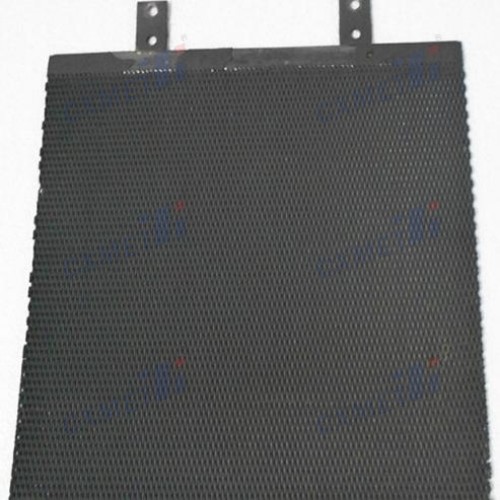

Understanding Platinized Platinum Titanium Electrodes
What It Is and How It Works
A platinum-coated titanium electrode is made up of a very pure titanium base (ASTM Grade 1 or Grade 2, according to ASTM B381) that has a thin layer of pure platinum (99.95% minimum) applied to it using coating, brushing, and sintering techniques. The platinum layer is what makes the surface electrochemically active, and the titanium base makes the structure strong and resistant to corrosion. This mix makes a Dimensionally Stable Anode (DSA) that keeps its shape even when it's under constant electrical load, which is something that regular graphite and lead anodes can't do consistently.
Key Physical Properties
The titanium base in CXMET's electrodes is at least 99.6% pure, and the platinum coating is regular and ranges in thickness from 2.5 to 7.5 µm. These electrodes can work in a pH range of 0 to 14 and can handle current densities of up to 10,000 A/m². This means they can be used in both gentle water treatment systems and harsh chemical processing areas. Operating temperatures can go up to 80°C normally, and higher temperatures are available upon request.
Available Configurations
CXMET offers these platinized platinum titanium electrodes in a variety of shapes and sizes, including plate, mesh, bar, and pierced or expanded forms. Because the electrode's shape is flexible, it can be easily integrated into your current system, without the need for expensive equipment redesign.
Comparing Platinized Titanium Electrodes With Other Electrode Types
Graphite and Stainless Steel
Graphite electrodes are cheap at first, but they wear away over time during electrolysis, releasing carbon particles that make the electrolyte bath dirty. Stainless steel anodes rust quickly in acidic or chlorine media, so they need to be replaced often. Neither type keeps the dimensions stable over long periods of time, which increases the number of repair visits and the total amount of time the system is down.
Pure Platinum Electrodes
Solid platinum electrodes work very well for electrochemistry, but the cost of the platinum is too high for most people to afford. Platinum costs more than $900 to $1,000 an ounce, so solid platinum is not a good choice for large-scale commercial anodes. Platinized titanium has almost the same surface activity as regular titanium, but it costs a lot less because it only needs a thin layer of platinum on top of a cheap titanium base.
Total Cost of Ownership
When you look at the full service cycle, it's easy to see how much cheaper platinized titanium electrodes are. The titanium substrate can be used again and again; when the platinum coating wears off, it can be removed, the substrate pickled again, and a new platinum layer put on top. This ability to be recoated greatly lowers the electrode's initial cost over its useful life compared to disposable anode options.
Industrial Applications of Platinized Titanium Electrodes
Platinized platinum titanium electrodes are used in many different types of businesses for the same reason: they need electrodes that won't break, get into the process fluid, or change shape when an electric current flows through them for a long time.
In these main areas of use, this type of electrode clearly has technical advantages:
- Chlor-alkali production: The electrode resists chlorine gas and caustic soda attack at the anode surface, maintaining consistent chlorine evolution efficiency over extended production runs.
- Water and wastewater treatment: Used in electrochlorination and electrolytic disinfection systems where polarity reversal is common. The platinum coating tolerates repeated current direction changes without accelerated degradation.
- Hydrogen generation and metal recovery: In PEM electrolyzers and electrolytic metal recovery cells, low overpotential at the anode surface directly reduces energy consumption per unit of output.
- Electroplating and surface finishing: As insoluble auxiliary anodes in gold, rhodium, and hard chrome plating baths, these electrodes prevent metal ion contamination, preserving bath chemistry and plating quality.
- Cathodic protection systems (ICCP): Deployed on ship hulls, offshore oil platforms, and buried pipelines, where long-term current output in seawater or soil environments is required without significant anode consumption.
Production of chlor-alkalis: At the anode surface, the electrode is resistant to attack from chlorine gas and caustic soda. This means that the chlorine evolution efficiency stays the same over long production runs.
– For treating water and wastewater, this is used in electrochlorination and electrolytic disinfection systems where polarity changes happen a lot. The platinum layer can handle changes in the direction of the current many times without breaking down faster.
Hydrogen production and metal recovery: In PEM electrolyzers and electrolytic metal recovery cells, a low overpotential at the anode surface directly lowers the amount of energy needed to make one unit of output.- Electroplating and surface finishing: These electrodes keep metal ions from getting into gold, rhodium, and hard chrome plating baths by acting as insoluble anodes. This maintains the bath chemistry and plating quality.
Procurement Guide: Buying Platinized Titanium Electrodes
Quality Standards and Certifications
Make sure that the supplier's base material meets ASTM B381 (Grade 1 titanium) standards and that the platinum coating is at least 99.95% pure. Ask for XRF (X-Ray Fluorescence) reports to check the thickness of each production batch's layer. According to ASTM standards, adhesion tests like bend and tape tests show that the platinum layer won't separate when the temperature changes or when it is mechanically stressed.
Evaluating Supplier Credibility
Look for manufacturers of a platinized platinum titanium electrode that have a history in your industry, OEM experience, and production capacity that can be checked. CXMET has been in business since 2005 and is based in Shaanxi Province, China, in an area called "China Titanium Valley." It has over 80 expert staff and a 50,000-square-meter production plant. The company has a listed capital of 10 million RMB and works with clients in the electronics, plastics, chemicals, power metallurgy, and marine industries.
Logistics and Lead Times
CXMET ships by air, sea, and fast freight. Goods are packed in standard export wooden cases or in a way that is specific to the needs of the client. For large orders or projects with tight deadlines, making sure of lead times and freight options before placing an order keeps the procurement side from having to worry about schedule risk.
Maintenance and Lifespan of Platinized Titanium Electrodes
Routine Cleaning and Handling
When you clean the electrode, don't rub it against anything. To get rid of scale buildup without scratching the platinum layer, use diluted sulfuric or hydrochloric acid rinses that are diluted. Use non-metallic tools or clean gloves to handle wires so that the surface doesn't get dirty, which can speed up localized rusting.
Factors That Affect Service Life
The coating thickness is directly related to how long an electrode will last. A coating that is 2.5 µm thick in an electroplating bath with modest current will last a lot longer than a coating that is thinner and is used in the same way. When you run above the maximum current density, the layer wears off faster. One of the most common reasons for early failure is fluoride ions in the electrolyte. Fluorides attack the titanium substrate below the platinum layer, causing passivation through the formation of TiO₂.
Recognizing When to Replace or Recoat
Watch out for the cell voltage going up while the current stays the same, the current not being spread out evenly, or the electrode surface getting darker. These signs show that the covering is running out. Now, the substrate can be sent back to be recoated instead of being replaced completely. This keeps the titanium base material's value.
Conclusion
Platinized platinum titanium electrodes offer a unique mix of electrochemical performance, long-term cost efficiency, and dimensional stability that no other type of electrode can match on a large scale. It's easy for procurement workers in marine, oil and gas, chemical processing, and similar fields to make a choice: check the coating specs, look at the supplier's qualifications, and think about the full lifecycle cost instead of just the unit price. When these things are looked at honestly, these electrodes always show why they should be the normal anode choice in industrial electrolysis systems that need to work well.
FAQ
How long does a platinized titanium electrode typically last?
The coating layer, current intensity, and electrolyte chemistry all affect how long something will work. In normal electroplating, a 2.5 µm coating might last three to five times longer than a 0.5 µm coating in the same settings. Well-designed electrodes usually work for 10 to 20 years in seawater ICCP systems before they need to be recoated.
Can the electrode be customized for my specific system?
Yes. Custom shapes (mesh, expanded, perforated), precise coating thicknesses, specific substrate grades (Grade 1, 2, or 3), and exact dimensional tolerances for direct integration into existing equipment are all things that CXMET can do as an OEM or a customer.
What causes premature electrode failure?
The four most common reasons are going over the rated current density, having fluoride ions in the electrolyte, scratching the platinum layer, and using it above the recommended temperature range without making sure the substrate meets the right requirements.
Is the substrate reusable after the coating is consumed?
Yes. When the platinum layer is worn off, the titanium substrate can be stripped, manually cleaned, and recoated. This means that platinized titanium anodes have much lower total lifecycle costs than throwaway options.
What is the maximum safe operating temperature?
The standard settings can handle temperatures up to 80°C. With changed substrate specifications, higher-temperature applications are possible. Contact CXMET's engineering team for help with your specific process conditions.
Request a Custom Quote from CXMET — Platinized Titanium Electrode Manufacturer
Since 2005, CXMET has sold high-performance platinum titanium electrodes that have been platinized to businesses in more than 20 countries. Our engineering team gives you direct technical help from the time you choose the materials to the time they are delivered. We match the specs to your process needs, whether you need a standard plate electrode or a mesh anode that is made just for you. To find out about prices and wait times, please email us at sales@cxmet.com.
References
1. Journal of the Electrochemical Society — "Dimensionally Stable Anodes: Performance and Applications in Industrial Electrolysis," 2019.
2. Corrosion Science — "Platinum-Coated Titanium Anodes: Coating Adhesion and Degradation Mechanisms," 2020.
3. ASTM International — ASTM B381: Standard Specification for Titanium and Titanium Alloy Forgings, 2021.
4. Electrochimica Acta — "Overpotential Characteristics of Platinum and Mixed Metal Oxide Anodes in Chloride Media," 2018.
5. Industrial & Engineering Chemistry Research — "Electrode Selection for Impressed Current Cathodic Protection Systems in Marine Environments," 2017.
6. International Journal of Hydrogen Energy — "Anode Materials for PEM Water Electrolysis: Platinum-Based Coatings on Titanium Substrates," 2022.