To find trustworthy High Quality Gr1 Pure Titanium Bar manufacturers in China, you need to carefully consider their technical know-how, production skills, and quality standards. Leading suppliers, such as Shaanxi CXMET Technology, show their quality by using advanced metalworking methods, getting many certifications, and having a history of meeting the needs of challenging industries. Cost-effectiveness, scalable production capacity, and expert knowledge in titanium processing technologies that meet international standards for marine, chemical processing, and medical uses are some of the things that make Chinese makers stand out from others.
|
|
|
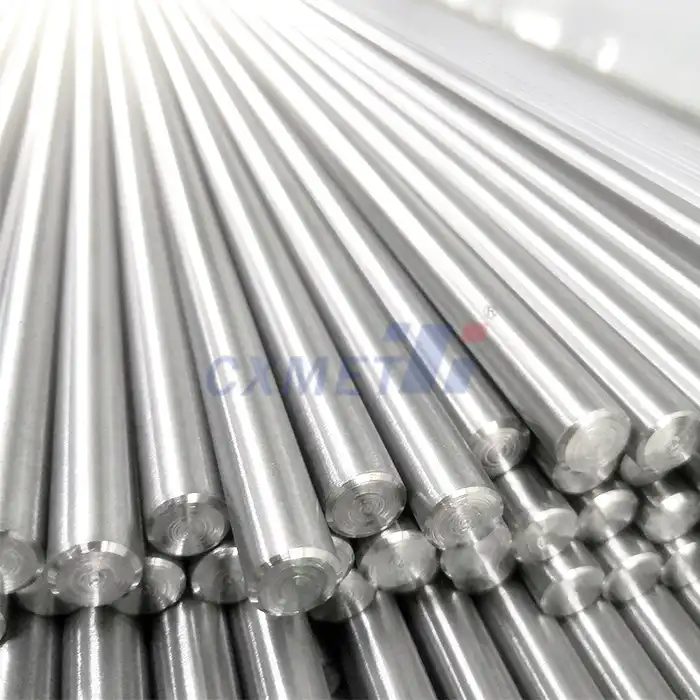
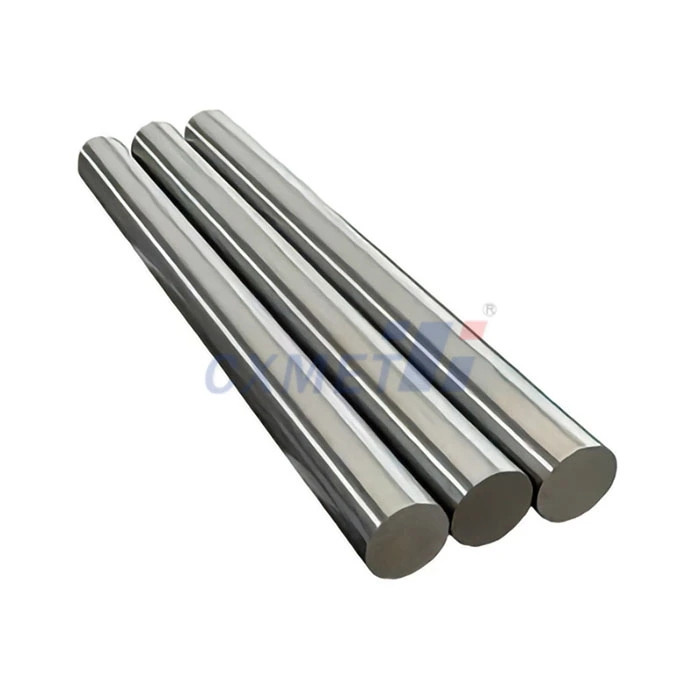
Understanding China's Titanium Manufacturing Landscape
Industrial Hub Advantages
With industrial parks like the "China Titanium Valley" in Shaanxi Province, China has become the world leader in making titanium. These areas have a lot of experts, raw materials, and modern manufacturing infrastructure. Geographical clustering makes it easier for suppliers, research institutions, and makers to work together, which leads to lower prices and faster innovation.
Production Scale and Capabilities
Chinese companies that make titanium have big factories that can make a wide range of titanium round bar specifications. To make sure the material is pure, modern plants use vacuum arc remelting (VAR) and electron beam melting (EBM) methods. To meet the needs of a wide range of customers, production volumes range from small custom orders to big industrial contracts.
Quality Evolution and Standards Adoption
Leading manufacturers now follow ISO 9001, AS9100, and medical device standards, which has had a big impact on quality in the business. To make sure that the quality of medical-grade titanium is met, companies spend a lot of money on testing tools like spectrometers, tensile testing machines, and ultrasound inspection systems.
Evaluating Manufacturing Excellence for Pure Titanium Products
Technical Expertise Assessment
Manufacturers should be judged on how much they know about metals and how well they can handle them. Look for companies that have focused research and development teams, cutting-edge melting technologies, and a history of making Grade 1 titanium rod for specific uses. The level of technical documentation, High Quality Gr1 Pure Titanium Bar, often shows how sophisticated the manufacturing process is as a whole.
Production Technology and Equipment
Vacuum induction melting furnaces, forging presses, and precision machining centers should all be part of modern facilities. Advanced titanium metal casting equipment makes sure that the dimensions are always correct. It is necessary to be able to do cold rolling to get better surface finish and mechanical properties in finished goods.
Quality Control Infrastructure
Top manufacturers can be told apart by their thorough testing centers. Chemical composition analysers, mechanical testing tools, and the ability to do non-destructive testing are all important pieces of equipment. Traceability tools and regular calibration schedules show that quality assurance is important.
Strategic Supplier Selection Methodology
Comprehensive Background Research
Look into the company's past, who owns it, and how stable its finances are. Manufacturers that have been around for 15 years or more usually run their businesses reliably. Check business licenses, export qualifications, and memberships in industry groups to make sure the company is legitimate and has a good reputation in the market.
Production Capability Verification
Ask for in-depth views of the facility or virtual tours that show off the production lines. Look at how you get your raw materials, how you keep track of your supplies, and how much of your capacity is being used. Figuring out wait times and the flexibility of production schedules helps you figure out how efficient your operations are.
Customer Reference Validation
Get in touch with your current customers, especially those who work in related fields and need industrial titanium material. Ask about how well they deliver, how consistent the quality is, and how quickly they respond to technical help requests. Service standards that are reliable are shown by long-term customer ties.
Technical Communication Assessment
Check how good someone is at technical communication by having in-depth conversations about material specs, processing parameters, and application needs. Qualified engineers should be able to show that they know about the qualities of titanium metal and how they affect different uses.
Sample Testing and Evaluation
Request material samples for independent testing and evaluation. Compare mechanical properties, surface quality, and dimensional accuracy against specifications. This practical High Quality Gr1 Pure Titanium Bar assessment reveals actual production capabilities versus marketing claims.
Essential Certification Requirements and Standards Compliance
International Quality Standards
Verify ISO 9001:2015 certification for quality management systems. Aerospace titanium grade applications require AS9100 compliance. Medical applications demand ISO 13485 certification. These certifications indicate systematic quality management and continuous improvement practices.
Material Certification Documentation
Ensure suppliers provide EN 10204 3.1 or 3.2 certificates for material traceability. Certificates should include chemical composition analysis, mechanical property test results, and heat treatment records. Proper documentation enables quality auditing and regulatory compliance.
Industry-Specific Requirements
Different applications require specific certifications. Marine applications may need Lloyd's Register approval. Nuclear applications require ASME Section III certification. Pharmaceutical applications demand USP Class VI compliance. Verify relevant certifications match intended applications.
Optimal Sourcing Channels and Platform Selection
Direct Manufacturer Engagement
Direct communication with manufacturers often yields better pricing and customization options. Manufacturers like CXMET provide dedicated technical support and can accommodate specific titanium bar dimensions requirements. Direct relationships enable better communication and problem resolution.
Trade Show Participation
Industry exhibitions like the China International Titanium Industry Exhibition provide opportunities to meet suppliers face-to-face. These events showcase the latest technologies and enable direct comparison between manufacturers. Personal interactions build trust and understanding.
Professional Sourcing Services
Sourcing agents with a lot of experience who know the titanium market can find qualified suppliers and arrange good terms. They give information about the local business and can help with quality control. In the long run, though, direct connections often work out better.
OEM and Custom Manufacturing Collaboration
Design and Engineering Support
For custom uses, leading manufacturers offer engineering help. This includes advice on choosing the right material, making the best use of space, and finishing suggestions. Companies with High Quality Gr1 Pure Titanium Bar, strong technical teams can offer grades of titanium that are resistant to corrosion and work well in certain settings.
Prototype Development
Check out the skills and turnaround times for making prototypes. Rapid prototyping services let you test your idea before it goes into full production. Some companies give away free samples or low-cost prototypes to show what they can do and make relationships.
Intellectual Property Protection
Set up clear deals about intellectual property rights and keeping design secrets. Reputable makers keep customer designs secret and respect their wishes. Non-disclosure agreements give sensitive applications even more safety.
Price Negotiation and Order Management Strategies
Minimum Order Quantity Considerations
Learn about the minimum order quantity (MOQ) rules and how they affect the prices of titanium bars. Larger sales usually get better unit prices, but they cost more to start with. Compare the benefits of a bulk discount to the costs of keeping inventory on hand.
Payment Terms and Risk Management
Talk to the provider about good payment terms while keeping their cash flow needs in mind. Large sales can be secured with letter of credit agreements. Before setting final payment plans, make sure there are clear criteria for quality acceptance.
Long-term Partnership Benefits
Form strategic relationships with dependable suppliers to get better prices and faster service. Price stability terms and guaranteed capacity allocation are common parts of long-term contracts. For important uses, these relationships protect the supply chain.
Quality Assurance and Factory Audit Guidelines
Pre-audit Preparation
Make thorough audit checklists, High Quality Gr1 Pure Titanium Barthat cover testing capabilities, quality systems, and production methods. Include specific instructions on how to handle and store titanium metal raw materials. Get ready with detailed questions about quality measurements and process controls.
Production Process Evaluation
During walks to the facility, look at how melting works, what the forging parameters are, and how heat treatment works. Watch how well operators are trained and how well they follow standard working procedures. Write down any changes you make to standard best practices.
Testing and Documentation Review
Check the calibration records and operator certifications for the testing tools. Go over the quality control steps for both new materials and produced goods. Look at how you handle customer complaints and how you take appropriate action.
Conclusion
To find the best producer for High Quality Gr1 Pure Titanium Bar, you need to carefully look at their technical skills, quality systems, and business practices. China has strong benefits because it has a well-established industrial infrastructure, reasonable prices, and more and more experts in using advanced technologies for specific tasks. To be successful, you need to carefully evaluate suppliers, make sure your needs are understood, and build strategic relationships. Companies like CXMET show that Chinese manufacturers can make goods that are on par with the best in the world by focusing on quality, innovation, and customer service. Choosing the right suppliers is an investment that pays off with reliable supply lines and better product performance.
FAQ
Q1: What are the key quality indicators for evaluating Chinese titanium bar manufacturers?
A: Essential quality indicators include ISO certification status, testing equipment capabilities, material certification documentation, customer references, and production process controls. Look for manufacturers with comprehensive quality management systems, advanced metallurgical equipment, and proven track records in your specific industry applications.
Q2: How can I verify the actual purity and quality of Gr1 titanium bars from Chinese suppliers?
A: Request material certificates with detailed chemical composition analysis, arrange independent third-party testing of samples, conduct facility audits to observe production processes, and verify testing equipment calibration records. Reputable suppliers welcome quality verification processes and provide comprehensive documentation.
Q3: What are typical lead times and MOQ requirements for custom titanium bar orders from China?
A: Standard products typically require 2-4 weeks of delivery, while custom specifications may need 6-8 weeks. MOQ varies by manufacturer and product complexity, ranging from 100kg to several tons. Established suppliers often accommodate smaller initial orders to build relationships and demonstrate quality capabilities.
Partner with CXMET for Premium Titanium Solutions
CXMET stands as a trusted High Quality Gr1 Pure Titanium Bar supplier with over 20 years of metallurgical expertise and proven performance across demanding applications. Our state-of-the-art facilities in China's Titanium Valley leverage advanced melting technologies and comprehensive quality systems to deliver consistent, reliable products. We provide complete technical support, flexible customization options, and competitive pricing for marine, chemical processing, medical, and aerospace applications. Our experienced engineering team collaborates closely with customers to optimize material selection and processing parameters for specific requirements. Ready to experience superior titanium solutions backed by industry-leading expertise? Contact us at sales@cxmet.com to discuss your project requirements and discover how CXMET can enhance your supply chain performance.
References
1. American Society for Testing and Materials. ASTM B348-19 Standard Specification for Titanium and Titanium Alloy Bars and Billets. West Conshohocken: ASTM International, 2019.
2. Boyer, Robert, Gerhard Welsch, and E.W. Collings, eds. Materials Properties Handbook: Titanium Alloys. Materials Park: ASM International, 1994.
3. Donachie, Matthew J. Titanium: A Technical Guide. 2nd Edition. Materials Park: ASM International, 2000.
4. Lutjering, Gerd, and James C. Williams. Titanium. 2nd Edition. Berlin: Springer-Verlag, 2007.
5. Peters, Manfred, et al. "Titanium Alloys for Aerospace Applications." Advanced Engineering Materials 5, no. 6 (2003): 419-427.
6. Rack, Henry J., and James I. Qazi. "Titanium Alloys for Biomedical Applications." Materials Science and Engineering C 26, no. 8 (2006): 1269-1277.