knowledges
Top MMO Ribbon Anode Applications for Cathodic Protection
2026-09-09 17:06:48
Engineers and procurement managers use advanced cathodic protection solutions when corrosion threatens the integrity of important infrastructure, like water tanks in cities and oil platforms at sea. Out of these technologies, the MMO Ribbon Anode has become the best choice because it works so well in a wide range of industrial settings. These anodes are made from ASTM B265 Grade 1/2 titanium plates and have an electrical IrO2/Ta2O5 mixed metal oxide layer on top of them. They offer even current flow, a long service life of more than 50 years, and the ability to work in harsh chloride-rich environments. This in-depth guide looks at what they are made of, how they can be used, their relative benefits, and how to buy them. Its goal is to help B2B buyers make smart choices that protect assets and keep total cost of ownership low.
|
|
|
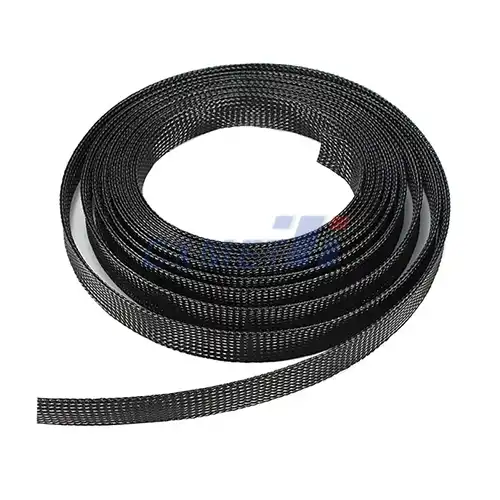

Understanding MMO Ribbon Anode: Composition, Working Principle, and Advantages
Material Composition and Structure
Choosing the right materials is the first step in building a high-performance cathodic protection system. Shaanxi CXMET Technology Co., Ltd. makes MMO ribbon anodes that have a base metal of high pure titanium and a covering of iridium oxide and tantalum pentoxide that helps with electrochemistry. This hybrid structure takes advantage of titanium's high mechanical strength and resistance to corrosion. The MMO layer then makes it possible for electrons to move efficiently at very low overpotentials. Through a multi-cycle thermal casting process, the coating is thicker than 2 micrometers, making sure even covering that can withstand decades of electrical stress. In contrast to zinc anodes that lose their shape quickly or graphite anodes that lose their shape over time, the titanium base keeps its shape and the MMO coating wears off at rates as low as 1-6 mg per ampere-year.
Electrochemical Working Principle
The normal flow of rust current is turned around by impressed current cathodic protection. As soon as we connect a DC power source to the anode-structure system, electrons move through an outside circuit from the steel that is protected to the anode. The MMO coating on the anode's surface speeds up oxidation reactions, which usually release chlorine in marine environments or oxygen in freshwater systems. These reactions send a protective current into the electrolyte. This current moves through dirt, concrete, or water until it gets to the steel cathode. There, reduction reactions stop the iron from oxidizing. The ribbon shape increases the contact area while still allowing for easy fitting around tricky shapes like tank bottoms and pipeline paths.
Core Performance Advantages
MMO ribbon technology is different from other ways of protecting against attacks in a number of important ways. Compared to sacrificial anode replacement cycles, the long working lifespan—often more than fifty years—dramatically lowers lifetime costs. Strong coating adhesion stops delamination during thermal cycling and mechanical stress, so the electrical performance stays the same over the service period. When anodes work with high current densities, they can protect large structures with fewer installations. This makes system design easier and cuts down on field work. The ribbon shape works well on rough surfaces and in small areas where tube or rod anodes wouldn't work. Environmental friendliness is another benefit; the stable covering produces fewer metal ions than disposable anodes, which helps with sustainability goals in delicate applications.
Top MMO Ribbon Anode Applications in Cathodic Protection
The versatility of mixed metal oxide ribbon technology has established it across multiple critical sectors where corrosion threatens safety, environmental compliance, and operational continuity.
Offshore and Marine Infrastructure
Marine settings are very hard to keep MMO ribbon anodes from rusting because of the high levels of salt, air available, and living things. Ribbon anodes have been used a lot on ship hulls, offshore platform legs, and subsea pipeline sections because they are the best at resisting seawater. The ribbon shape spreads current evenly along long structures, getting rid of the "hot spots" that speed up corrosion in certain areas. The high load capacity is especially helpful for oil rigs because it means that a single circuit can cover a lot of steel surface area and handle changes in current caused by storms. Shipyards are choosing MMO ribbon systems for new builds more and more because they know that the initial investment protects for decades without any maintenance, unlike zinc anode replacement schedules that need dry docking and labor costs.
Above-Ground and Underground Storage Tanks
Corrosion of the tank bottom is a big problem in places that store water, chemicals, and oil. When ribbon anodes are put in ready-made backfill beds under tank floors, they spread the current evenly and protect the whole bottom surface, even the edges that could be damaged. At CXMET, we make sure that the lengths and shapes of our anodes are perfect for the sizes of our tanks. This way, we get the best protection density without giving too much protection, which could damage coats. Because the low-profile ribbon design doesn't need as much digging to be done during installation, the project costs are lower. Ribbon anodes put in vertical or horizontal groups within the backfill layer of underground storage tanks have the same effect. A big chemical company said that they stopped having tank bottom failures after moving from protective anodes to our impressed current ribbon systems. This meant that inspections could be done every ten years instead of every three, and they still had to follow all the rules.
Reinforced Concrete Structures
Deficiency salts and saltwater contact can contaminate rebar with chloride, which breaks down concrete and causes cracks and spalls. Ribbon anodes that are put into concrete replacements or connected to existing surfaces polarize the steel support and stop it from breaking down. Bridge decks, parking garages, and marine piers are some of the main places where it is used. Ribbon-shaped design can fit into rough surfaces and get into cracks and joins, sending electricity where other anodes can't. Transportation agencies like the longer service life because our systems protect structures for 25 to 50 years, while older technologies could only do that for 10 to 15 years. A coastal state highway authority found that maintenance costs dropped by 60% after ribbon anode rehabilitation was used on roads supported by seawalls. This was a clear example of return on investment.
Buried Pipeline Networks
Soil chemistry, random currents, and microbes all pose constant rusting risks to people who work with oil, gas, and water pipelines. Installing ribbon anode groundbeds parallel to pipeline routes is a cheap way to protect long distances. The bendy ribbon fits into the shape of the trench and can handle thermal expansion without breaking. Low circuit resistance is maintained by connection gaps of 305 meters or less. This makes sure that the current is spread evenly along the whole length of the pipeline. When combined with the right carbonaceous backfill made of gypsum and sodium sulfate, the system gets current efficiencies of over 95%, which means it uses the least amount of power. A midstream pipeline operator in corrosive clay soils used our ribbon technology to add 30 years to the life of a 40-kilometer gathering system. This saved them the huge cost and damage to the environment of replacing the pipeline.
Water and Wastewater Systems
Corrosion prevention that keeps water quality high and ensures efficiency is needed for municipal water infrastructure. Ribbon anodes keep the insides of water storage tanks, transport pipes, and systems that collect rainwater safe. The stable MMO coating doesn't produce nearly as many metal ions as consumable anodes, so it meets safety standards for drinking water. It works well in wastewater because it can handle harsh conditions like low pH, high sulfide content, and bacterial colonies. After installing impressed current systems, treatment plant operators say they have to make fewer unplanned repairs and follow the rules more closely. Being able to watch and change the current output gives active systems more practical freedom than inactive systems can offer. This lets safety levels change as conditions do over decades of service.
Comparing MMO Ribbon Anode with Alternative Anode Types
B2B procurement decisions require systematic evaluation of performance characteristics, cost implications, and application suitability across available technologies.
Performance Metrics Comparison
When comparing anode technologies, current efficiency stands as a critical metric. MMO ribbon anodes convert electrical input to protection current at efficiencies exceeding 90%, whereas graphite anodes typically achieve 50-70% due to gas blinding effects. This efficiency difference translates directly to power consumption costs over system lifetimes. Service life represents another decisive factor—our MMO ribbon systems deliver 50+ years in properly designed installations, while graphite anodes require replacement every 10-20 years and sacrificial zinc anodes deplete in 3-10 years depending on current demand. Corrosion resistance in aggressive environments heavily favors the titanium-MMO combination, which tolerates chloride concentrations, pH extremes, and elevated temperatures that rapidly degrade alternative materials.
Cost Analysis and Return on Investment
Initial procurement costs for MMO ribbon systems exceed those of conventional graphite or sacrificial anodes, yet total cost of ownership calculations consistently favor the advanced technology. Consider a typical industrial storage tank protection project: graphite anodes might cost 40% less initially but require replacement twice over a 30-year evaluation period, incurring excavation, disposal, and installation expenses that dwarf material savings. Our ribbon systems eliminate these replacement cycles while consuming less rectifier power due to lower operating voltages. A comprehensive lifecycle analysis we conducted for a chemical processing client demonstrated 58% lower net present cost for MMO ribbon protection compared to graphite alternatives, factoring in material, labor, power, and system downtime. Bulk procurement further improves economics, with volume discounts available for multi-site projects and long-term supply agreements.
Environment-Specific Recommendations
Application environment strongly influences optimal anode selection. Marine and high-chloride conditions demand MMO ribbon technology, as the coating resists attack mechanisms that rapidly consume graphite and alternative materials. Freshwater and low-conductivity soils favor ribbon anodes for their ability to operate at higher current outputs from compact groundbed footprints. In retrofit applications where space is constrained, the thin profile and flexibility of ribbon anodes enable installations impossible with rigid rod or tubular designs. High-temperature environments such as thermal power plant condensers benefit from the thermal stability of titanium substrates and MMO coatings that maintain performance at temperatures exceeding 60°C. Procurement teams should evaluate specific site conditions—soil resistivity, water chemistry, temperature ranges, and available space—when selecting optimal anode configurations.
Installation and Maintenance Best Practices for MMO Ribbon Anodes
Realizing the full performance potential of impressed current systems requires attention to installation quality and ongoing monitoring protocols.
Pre-Installation Site Assessment
Successful system deployment begins with thorough site characterization. We recommend conducting soil resistivity surveys at proposed anode locations, measuring moisture content, pH, and chloride levels that influence backfill selection and anode spacing. Structure-to-electrolyte potential mapping identifies areas requiring priority protection and helps optimize current distribution design. Interference testing detects stray currents from adjacent systems that might compromise protection or accelerate anode consumption. This preparatory work enables accurate system sizing and prevents costly field modifications during construction.
Installation Procedures and Quality Control
Proper anode placement and connection practices determine long-term reliability. Ribbon anodes require placement in prepared backfill beds—typically carbonaceous mixtures containing petroleum coke, gypsum, and sodium sulfate—that reduce local resistivity and promote uniform current discharge. The backfill layer should extend at least 150mm beyond anode edges and achieve thorough compaction to eliminate air voids. Direct burial without proper backfill dramatically reduces service life through accelerated coating wear and substrate corrosion. Electrical connections demand particular care, using compression fittings or thermite welding to achieve low-resistance joints that won't degrade. At CXMET, we provide detailed installation specifications with each shipment, and our technical team remains available to support field contractors during critical construction phases.
Routine Maintenance and Performance Monitoring
While MMO Ribbon Anode systems require minimal maintenance compared to sacrificial alternatives, periodic verification ensures optimal performance. We advise measuring structure-to-electrolyte potentials quarterly during the initial year to confirm adequate polarization, then transitioning to annual surveys once stable operation is established. Rectifier output readings should be logged monthly to detect trends indicating increasing circuit resistance or coating degradation. Unexpected changes warrant investigation—increased voltage at constant current might indicate backfill drying or connection failure. Proper documentation of these measurements creates a performance history that supports condition-based maintenance planning and regulatory compliance reporting. Simple attention to these protocols extends system life and maximizes return on your protection investment.
Procurement Guide: How to Choose and Buy MMO Ribbon Anode
Navigating the global supply market for cathodic protection materials requires consideration of technical specifications, supplier qualifications, and commercial terms.
Technical Specification Criteria
Defining precise anode requirements begins your procurement process. Ribbon dimensions—width, thickness, and length—must match your installation design and available space. Standard widths range from 25mm to 75mm, with custom sizes available for specialized applications. Coating thickness directly impacts service life, with 2-3 micrometer minimum specifications suitable for standard applications and heavier coatings recommended for extreme environments or high current densities. Request catalyst loading specifications—our IrO2/Ta2O5 formulation provides optimal balance between performance and cost. Current output capacity ratings help determine the number of anodes required; typical ribbons deliver 50-150 mA per linear meter depending on electrolyte conductivity. Titanium substrate grade matters as well—Grade 1 offers maximum corrosion resistance while Grade 2 provides adequate performance at lower cost for less aggressive conditions.
Supplier Evaluation and Quality Assurance
Selecting a reliable MMO ribbon anode supplier protects your project from performance failures and delivery disruptions. Verify that candidates maintain relevant certifications including ISO 9001 quality management and ideally ISO 14001 environmental standards. Request accelerated life test data conducted per NACE TM0108 standards demonstrating that anodes meet design life claims. Coating adhesion test results using cross-cut or mandrel bend methods confirm manufacturing quality. At Shaanxi CXMET Technology Co., Ltd., we provide comprehensive test certificates with each order, including XRF analysis verifying precious metal loading and SEM imagery documenting the characteristic cracked-mud surface morphology that maximizes electrochemical activity. Production capacity and lead times merit investigation—established manufacturers with dedicated production lines deliver more reliable schedules than brokers sourcing from variable suppliers.
Commercial Considerations and Ordering Process
Beyond technical specifications, commercial terms significantly impact project economics. Volume pricing structures reward consolidated procurement, so consider bundling requirements across multiple sites or project phases. Sample ordering allows validation of product quality before committing to full-scale purchases, a prudent step when evaluating new suppliers. Clarify warranty terms—reputable manufacturers stand behind their products with guarantees addressing premature coating failure or substrate defects. International shipping arrangements require coordination regarding packaging standards, export documentation, and Incoterms selection that appropriately allocates risk and cost. Payment terms vary by supplier and order size; established relationships may enable net payment terms while new customers typically work on advance payment or letter of credit basis. Our team at CXMET assists buyers throughout the procurement cycle, from initial technical consultation through delivery and post-installation support, ensuring your cathodic protection investment delivers planned performance and longevity.
Conclusion
MMO Ribbon Anode represents the optimal cathodic protection technology for demanding industrial environments where asset longevity and operational reliability cannot be compromised. Their unique combination of titanium mechanical properties and electrocatalytic coating performance delivers unmatched service life, current efficiency, and environmental adaptability across marine, petroleum, chemical, water, and infrastructure applications. The procurement decision favoring ribbon technology over conventional alternatives pays dividends through eliminated replacement cycles, reduced power consumption, and minimized maintenance interventions that extend far beyond initial cost considerations. Successful implementation depends on proper system design, quality installation practices, and selection of qualified suppliers who provide genuine high-performance products backed by technical expertise and manufacturing excellence.
FAQ
What factors influence the service life of ribbon anodes in cathodic protection systems?
Service life depends primarily on operating current density, with lower densities extending coating longevity significantly. Environmental factors including temperature, pH extremes, and chloride concentration affect electrochemical reaction rates at the anode surface. Installation quality matters substantially—proper backfill selection and placement prevents localized current concentration that accelerates wear. Coating thickness and precious metal loading directly correlate with operational life; our standard 2+ micrometer coatings support 50+ year service at recommended current densities. Regular monitoring allows early detection of performance changes that might indicate emerging issues requiring intervention.
Can MMO ribbon anodes be customized for specific project requirements?
Customization represents a core capability for specialized applications. We routinely modify ribbon width, length, and coating formulation to match unique environmental conditions and current output requirements. Lead wire specifications, connection configurations, and packaging adapt to customer installation methods and equipment. Design life customization balances coating thickness against project economics—infrastructure planned for 75-year service warrants heavier coatings than temporary installations. Our engineering team collaborates with customers to optimize anode specifications that deliver required performance at competitive cost.
How do ribbon anodes integrate with existing cathodic protection infrastructure?
Compatibility with existing rectifiers and reference electrodes is excellent, as the anodes function within standard impressed current system architectures. Electrical characteristics match conventional designs, requiring no specialized power supply equipment. Physical integration depends on available space and access—the flexible ribbon form factor often enables retrofit installations impossible with rigid anode types. When replacing depleted graphite or other anode types, existing cable infrastructure and backfill excavations frequently accommodate new ribbon installations with minimal modification, reducing upgrade costs substantially.
Partner with a Trusted MMO Ribbon Anode Manufacturer
Shaanxi CXMET Technology Co., Ltd. delivers engineering-grade mixed metal oxide ribbon anodes that protect your critical infrastructure across decades of demanding service. Our manufacturing facility in China's titanium valley combines ASTM-certified Grade 1/2 titanium substrates with precision-applied IrO2/Ta2O5 coatings, producing anodes that meet the rigorous performance standards of global oil and gas, marine, chemical processing, and water infrastructure operators. With over 80 specialized technicians and 20 years of metallurgical expertise, we provide not just products but comprehensive technical support including system design consultation, custom specifications, and post-installation performance verification. Whether protecting offshore platforms, storage tanks, pipelines, or concrete structures, our ribbon anode solutions deliver proven reliability and exceptional value. Contact our team at sales@cxmet.com to discuss your cathodic protection requirements and receive a detailed technical proposal with competitive pricing tailored to your application.
References
1. Morgan, J. (1987). Cathodic Protection, 2nd edition. Houston: NACE International.
2. Baeckmann, W., Schwenk, W., & Prinz, W. (1997). Handbook of Cathodic Corrosion Protection: Theory and Practice of Electrochemical Protection Processes. Houston: Gulf Publishing Company.
3. Chen, G. (2004). Electrochemical Technologies in Pollution Treatment. Environmental Science & Technology, 38(1), 11A-17A.
4. NACE International. (2008). TM0108-2008: Impressed Current Testing of Anodes for Use in Cathodic Protection Systems. Houston: NACE International.
5. Broomfield, J. P. (2007). Corrosion of Steel in Concrete: Understanding, Investigation and Repair, 2nd edition. London: Taylor & Francis.
6. Uhlig, H. H., & Revie, R. W. (2008). Corrosion and Corrosion Control: An Introduction to Corrosion Science and Engineering, 4th edition. Hoboken: John Wiley & Sons.