knowledges
What Applications Use Gr2 Titanium Wire in Medical Fields?
2026-05-08 15:21:35
Because they are so biocompatible, resistant to rust, GR2 Titanium Wires and reliable mechanically, GR2 Titanium Wires are now required for all medical devices that are made today. These commercially pure titanium wires are very important in many areas of medicine, such as orthopaedic fixation devices, cardiovascular interventions, dental implants, and surgical tools. The material is the best choice for a wide range of uses, from bone screws and wire cerclage to guidewires and stents, because it can blend in with human flesh without losing its shape under normal physiological conditions. As medical technology improves, Grade 2 titanium wire continues to make neurostimulation, surgical mesh, and minimally invasive treatments possible. This shows how versatile and reliable it is in tough healthcare settings.
|
|
|
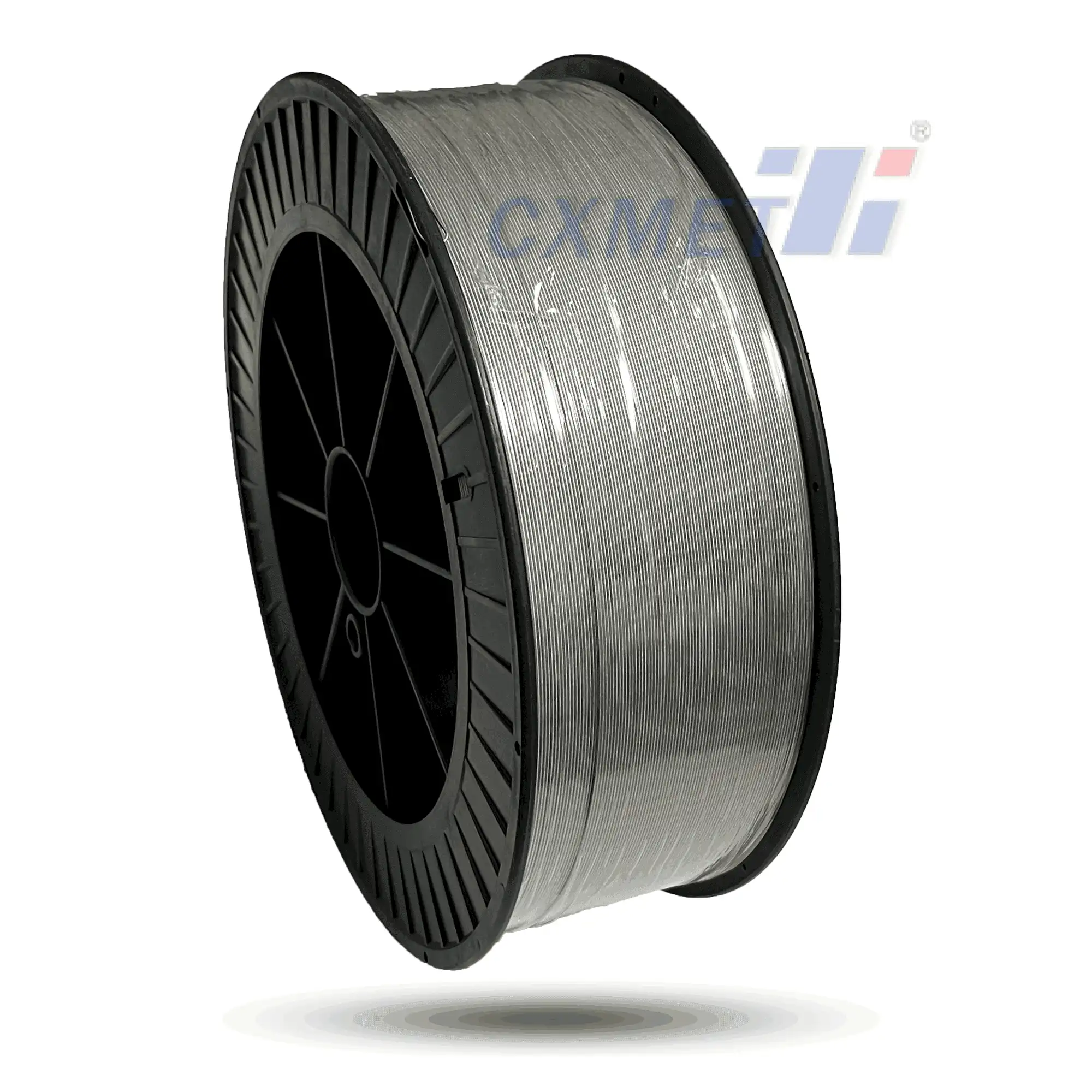
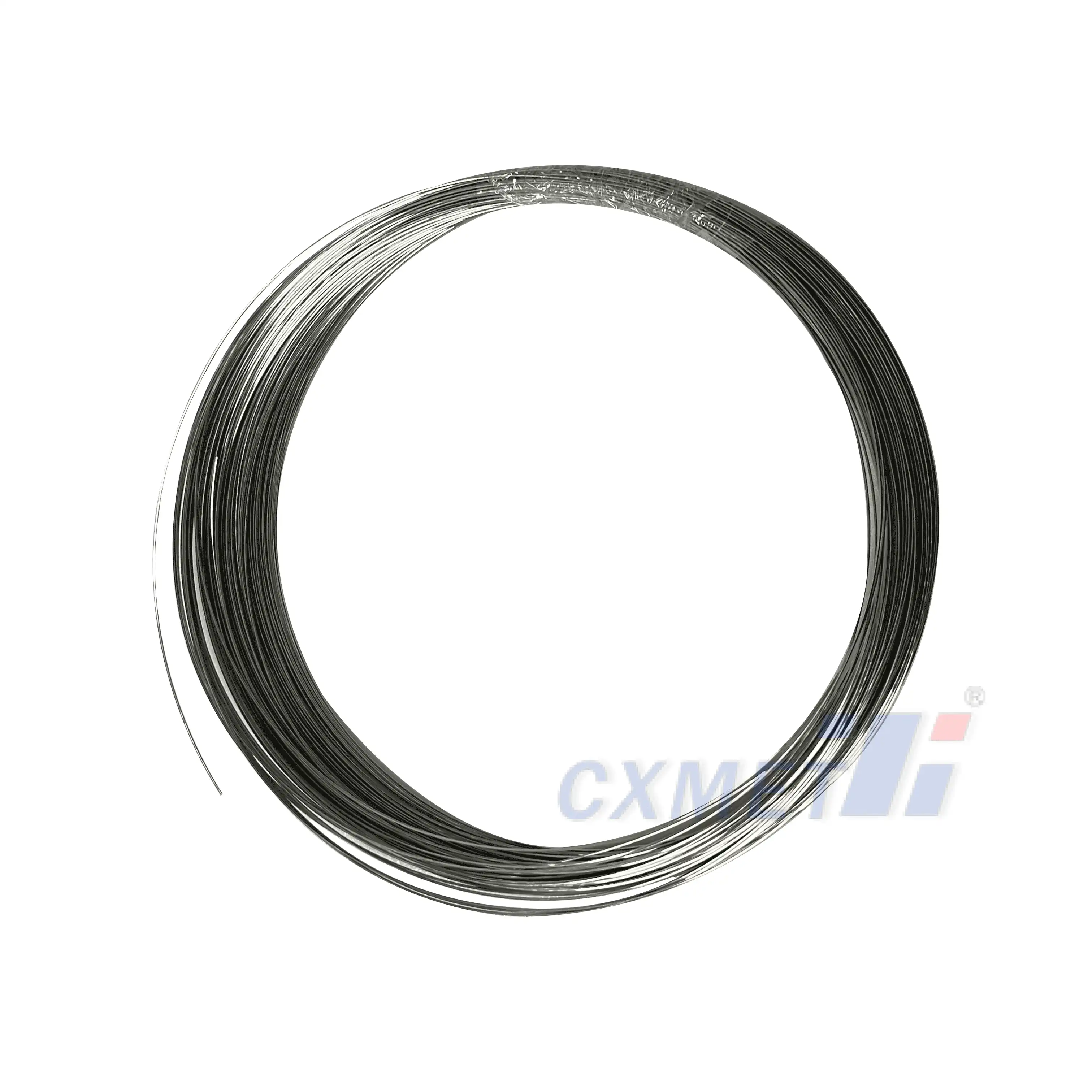
Understanding GR2 Titanium Wire: Properties and Specifications
The foundation of GR2 titanium wire's success in medical applications lies in its carefully controlled composition and standardised properties. We've spent decades refining our understanding of how this material behaves in biological environments, and the results speak volumes about its suitability for life-critical applications.
Chemical Composition and Purity Standards
About 99.2% of grade 2 titanium is pure titanium. Trace elements like oxygen, iron, carbon, nitrogen, and hydrogen are tightly controlled. The ASTM B863 guidelines for this composition spell out the acceptable ranges for each element to make sure that the performance is always the same. The oxygen level is usually between 0.18 and 0.25%, which makes the material stronger without making it less flexible. The iron level stays below 0.30%, which keeps the device from becoming brittle, which could damage it during fabrication or implantation.
Mechanical Properties Critical for Medical Use
GR2 titanium wire is the right middle ground between Grade 1 alloys, which are softer, and Grade 5 alloys, which are stronger but harder to shape. This material has a tensile strength between 345 and 510 MPa and a yield strength of at least 275 MPa. It can hold enough weight for orthopaedic uses while still being flexible enough for cardiovascular devices. With an elongation rate of at least 18%, wire can be drawn and formed in complex ways without breaking, which lets makers make devices with complicated shapes. The material's density of 4.51 g/cm³ makes it much lighter than stainless steel options, which makes implantable uses easier on patients.
Biocompatibility and Surface Characteristics
When GR2 titanium is exposed to air, it forms a stable titanium dioxide (TiO2) passive layer on its own. This is what makes it unique in medical settings. This very thin oxide film, which is only a few nanometres thick, protects body fluids from rusting and stops metal ions from escaping, which could cause bad reactions in tissues. The material is biocompatible according to ASTM F67 standards, showing that it is non-toxic and causes little inflammation during osseointegration tests. Surface treatments like pickling or electropolishing can improve these qualities even more by making the surfaces smoother, GR2 Titanium Wires which makes it easier for tissues to stick to the titanium. Manufacturers must make sure that their products meet the ISO 5832-2 standards that are specific to titanium materials for surgical implants. These specs make sure that the material works the same way in every batch, so procurement teams can safely choose GR2 wire for medical devices that need FDA approval or CE marking.
Key Medical Applications of GR2 Titanium Wire
The versatility of Grade 2 titanium wire manifests across diverse medical specialties, each leveraging specific material properties to solve clinical challenges. Our experience working with medical device manufacturers has revealed how thoughtful material selection directly impacts patient outcomes.
Orthopedic Applications and Bone Fixation
A lot of the time, orthopaedic doctors use GR2 titanium wire for wire cerclage procedures, which need flexible but strong binding materials to keep fractures stable. The wire's ability to withstand repeated loading while the bone heals keeps the fixation from breaking and lets controlled micromotion happen that helps calluses form. Long-term integration of bone plates and screws made from this material is very good, as the oxide layer helps the bone adhere directly to the plate. New spinal fusion cages use woven titanium wire structures that provide instant mechanical support, while interconnected porosity makes it easier for bone to grow. The material is more radiolucent than stainless steel alternatives, which makes imaging after surgery clearer. This lets doctors see how well the healing is going without metal artefacts getting in the way of important details.
Cardiovascular and Interventional Devices
For cardiovascular uses, you need materials that are flexible, can be seen under a fluoroscopy, and are completely biocompatible. GR2 titanium wire is the base for coronary and peripheral stents. Its exact expansion characteristics and long-term corrosion resistance keep problems from happening with restenosis. Fine-diameter titanium wire is used to make guidewires that allow catheters to move through complicated vascular anatomy. The shape memory of the material allows for controlled deflection during treatments. Titanium wire surgical sutures offer permanent fixation strength in valve repair procedures, eliminating the worries about degradation that come with synthetic materials. The thromboresistance of the material lowers platelet activation compared to some metals, which helps make the safety profiles of the device better.
Dental and Maxillofacial Solutions
The mouth is one of the most acidic places in the body because it is constantly exposed to saliva, has pH levels that change, and wears down teeth. GR2 titanium wire works very well in this tough environment and is used as the main structural element in orthodontic arch wires, temporary anchorage devices, and prosthetics that are supported by implants. There is evidence that dental implant abutments made from titanium wire are more stable than those made from other materials. In healthy bone, osseointegration rates are higher than 95%. Maxillofacial reconstruction uses wire mesh frames to help soft tissues heal and restore the shape of the face after an injury or tumour removal. The material can be autoclaved many times without losing any of its properties. This makes sure that the gadget stays sterile throughout its entire life.
Emerging Medical Technologies
As medical gadget design keeps getting better, GR2 titanium wire can be used in more and more cutting-edge therapies. The electrical conductivity and tissue compatibility of the material make neurostimulation electrodes useful for treating movement problems over a long period of time. Surgical mesh goods used to fix hernias have titanium wire added to them to make them stronger over time while reducing the body's response to foreign bodies. GR2 wire is now used as a material for Wire Arc Additive Manufacturing (WAAM), which makes it possible to make implants with shapes that are specific to each patient and that would not be possible with traditional machining. These new uses for the material show that it can be changed to fit changing industrial and medical needs.
Why Choose GR2 Titanium Wire in Medical Procurement?
Procurement decisions in medical device GR2 Titanium Wires manufacturing carry enormous responsibility, balancing regulatory compliance, performance requirements, and cost considerations. Our conversations with purchasing managers reveal several critical factors that make Grade 2 titanium wire the optimal choice for many applications.
Comparative Material Analysis
GR2 titanium has a lot of benefits over stainless steel alternatives, even though it costs more for the raw materials. Stainless steel doesn't hold up well against corrosion in biological settings that are high in chloride. This could cause nickel ions to be released, which can cause allergic reactions in people who are sensitive. Nickel-titanium alloys are superelastic, which is useful for some uses, but they are not as biocompatible or stable over time as commercially pure titanium. Grade 2 titanium is about 40% stronger than stainless steel in terms of its weight-to-strength ratio. This lets devices get smaller without losing their functional performance. These features of the material lead to fewer surgeries being needed for revisions and happier patients, which more than covers the cost of the initial purchase through lifetime value.
Regulatory Compliance Framework
Medical device makers have to deal with stricter regulations, which means they need to be able to track materials and keep approval records. GR2 titanium wire providers have to give full mill test reports that include records of each production batch's chemical composition, mechanical properties, and heat treatment. For FDA 510(k) applications, you need to show that your product meets consensus standards like ASTM B863, ASTM F67, and ISO 5832-2. To follow the European Medical Device Regulation (MDR), you need to have thorough technical files that show biocompatibility testing according to ISO 10993 series standards. When suppliers give pre-certified materials with well-established regulatory pathways, it takes a lot less time for new devices to reach the market.
Supplier Qualification Criteria
To find a trusted titanium wire supplier, you need to look at more than just the product specifications. Quality management systems that are certified to ISO 13485 show that an organisation is dedicated to meeting the needs of medical device production, such as risk management and design control processes. Suppliers with their own testing labs can quickly check the qualities of new materials that come in, which keeps production from being held up by batches that don't meet specifications. Manufacturers can improve processing processes and cut down on secondary operations by customising wire diameter tolerances, surface finishes, and packaging formats. Lead times are affected by geography and the infrastructure for logistics, especially for just-in-time manufacturing processes that need deliveries often.
Practical Considerations for Purchasing GR2 Titanium Wire
Translating material requirements into successful procurement outcomes requires understanding market dynamics, technical specifications, and supplier capabilities. We've guided numerous procurement teams through this process, identifying key considerations that prevent costly mistakes.
Pricing Structures and Volume Considerations
Prices for GR2 Titanium Wires on the market change depending on how much demand there is, how much production capacity is being used, and the supply of raw materials. When compared to small-lot orders, buying in bulk usually results in price drops of 15–25%. For cost optimisation, accurate demand forecasting is important. Minimum order quantities (MOQs) depend on the supplier and the diameter of the wire. Due to higher production setup costs, fine-gauge wires usually have higher MOQs. Long-term supply agreements can keep prices stable and ensure supply allocation during periods of high demand. To identify negotiation opportunities, procurement teams should request detailed price breakdowns separating material costs, processing fees, and certification costs.
Technical Specification Development
Setting clear wire specs avoids problems during production and guarantees that devices work the same way every time. Important factors include the wire's diameter tolerance (usually ±0.025mm for medical uses), its straightness deviation, its surface roughness, and its tensile qualities. It is up to the procurement teams to say whether the wire should be provided annealed, cold-worked, or stress-relieved. This is because thermal treatments have a big effect on how the metal behaves mechanically. Depending on the final use and preparation steps, the surface finish can be pickled (which gets rid of oxide scale) or electropolished (which makes surfaces as smooth as a mirror). Material test results, biocompatibility data, and traceability codes that connect finished wire to source ingots should all be included in certification paperwork.
Logistics and Quality Assurance
The integrity of the wire is protected during shipping and storage by proper packaging. This stops surface contamination or mechanical damage that weakens the material's properties. Precision-wound spools with controlled tension keep wires from getting tangled and make it easier for wire processing equipment to feed them automatically. Delivery GR2 Titanium Wires times should be spelled out in procurement contracts. Usually, these are between 6 and 12 weeks for standard goods and 16 to 20 weeks for products that are made to very specific requirements. Manufacturers are protected from getting bad materials by quality assurance rules, such as receiving inspection methods, non-conformance procedures, and supplier corrective action requirements. Superior sellers offer technical support after the sale, which includes help with fixing problems with processing or choosing the best wires for new uses.
Case Studies: Successful Applications of GR2 Titanium Wire in Medical Fields
Real-world implementation examples demonstrate how GR2 titanium wire translates theoretical advantages into measurable clinical and business outcomes. These case studies illustrate the material's performance across diverse medical applications.
Orthopedic Wire Cerclage Implementation
A European company that makes orthopaedic devices switched from using stainless steel to GR2 titanium wire for femoral fracture fixation systems because they wanted better image compatibility and fewer allergic reactions. The engineering team asked for a 1.0 mm diameter wire that could be cold worked to increase its tensile strength. This wire could reach 520 MPa of final strength while still being flexible enough to be manipulated during surgery. In clinical tests with 150 patients, 98% of fractures healed after 12 months, and there were no cases of fixation failure or bad tissue reactions. Compared to older stainless steel methods, surgeons said they could see fracture healing better on X-rays. The maker got FDA approval in 18 months by using GR2 titanium's track record with previous regulations and biocompatibility data.
Cardiovascular Guidewire Development
A medical technology company in North America made the next version of coronary guidewires with a 0.35mm diameter GR2 titanium core wire to make them easier to push and respond to torque during complicated interventional procedures. The design team worked with their wire supplier to find the best mix between flexibility and column strength through proprietary heat treatment cycles that gave the metal certain mechanical properties. Bench tests showed that this product transmits torque 30% better than other goods on the market, while still being as flexible. A study of 80 patients showed that 95% of the time, crossing a lesion was successful, and 100% of the time, crossing a fairly calcified lesion was successful. The product did well when it came out in foreign markets, and it quickly gained a large share of the market thanks to its better handling qualities, which were caused by the careful choice of titanium wire.
Dental Implant Framework Application
An Asian company that makes dental implants used GR2 titanium wire mesh in their custom abutment designs for full-arch replacements that were hard to make with standard machined parts. Laser-welded wire frameworks were used in the design, which gave it immediate load-bearing ability while using less material than subtractive manufacturing. Finite element analysis confirmed that the stress distribution patterns were correct and that the fatigue life was more than 20 million cycles under simulated masticatory loads. At the 3-year follow-up, all 45 patients who had clinical application still had their frameworks alive, and the soft tissues had integrated very well. The maker cut production costs by 35% while making designs more adaptable to different patient anatomy. This shows that choosing the right materials can have benefits for both patients and the economy.
Conclusion
For medical device uses that need biocompatibility, corrosion resistance, and mechanical stability, GR2 Titanium Wires have become the gold standard. The material has a good track record in orthopaedic, cardiovascular, and oral specialties. This is due to decades of clinical testing and constant improvements in the manufacturing processes. It is helpful for procurement professionals to know the technical requirements, regulatory requirements, and supplier skills that are needed for a project to go smoothly. As medical technology moves toward personalised treatments and minimally invasive procedures, commercially pure titanium wire keeps making it possible for new devices to be created that improve patient results and meet strict safety standards.
FAQ
1. How can procurement teams verify the authenticity of GR2 titanium wire?
Material authenticity verification requires multiple complementary approaches to prevent counterfeiting and ensure compliance. Suppliers should provide complete mill test reports documenting chemical composition analysis through optical emission spectroscopy, mechanical property testing per ASTM B863, and heat lot traceability codes. Third-party material testing laboratories can perform independent verification using X-ray fluorescence for elemental analysis and tensile testing to confirm mechanical properties. Metallographic examination reveals microstructure characteristics specific to properly processed Grade 2 titanium, including equiaxed alpha grain structure free from embrittling phases. Procurement contracts should mandate material certification to recognised standards and establish audit rights allowing customer inspection of supplier manufacturing facilities and quality records.
2. What are typical lead times for bulk GR2 titanium wire orders?
Lead times vary significantly based on wire specifications, order volume, and supplier production schedules. Standard diameter wires in annealed condition typically require 6-8 weeks from order placement to delivery, encompassing raw material procurement, wire drawing operations, heat treatment, and quality verification. Customised specifications requiring special surface treatments, tight diameter tolerances, or non-standard packaging may extend lead times to 12-16 weeks. Large-volume orders exceeding supplier inventory capacity can necessitate 20-week lead times to accommodate ingot casting and primary processing steps. Procurement teams managing just-in-time manufacturing operations should establish vendor-managed inventory programs or maintain strategic safety stock to buffer against supply chain variability.
3. Does GR2 titanium wire maintain properties after medical sterilisation?
Grade 2 titanium wire demonstrates excellent stability throughout standard medical sterilisation protocols without property degradation. Autoclaving at 132°C for 30-minute cycles produces no measurable changes in tensile strength, yield strength, or elongation characteristics. Ethylene oxide sterilisation leaves no residual effects on mechanical properties or surface chemistry. Gamma irradiation sterilisation at doses up to 50 kGy does not induce embrittlement or alter the protective oxide layer. However, prolonged exposure above 400°C during steam sterilisation may cause oxygen absorption, forming an alpha-case surface layer that reduces fatigue resistance. Manufacturers should validate sterilisation processes using actual device configurations to confirm compatibility with intended reprocessing protocols.
Partner with CXMET for Premium GR2 Titanium Wires
Shaanxi CXMET Technology Co., Ltd. stands as your trusted GR2 titanium wire supplier, delivering certified materials that meet the most demanding medical device standards. Our manufacturing facility, GR2 Titanium Wires in China's Titanium Valley, combines over 20 years of metallurgical expertise with advanced quality control systems certified to ISO 13485, ensuring every spool meets ASTM B863 and ASTM F67 specifications. We offer comprehensive customisation capabilities spanning wire diameters from 0.1mm to 6.0mm, surface finishes including pickled and electropolished options, and complete certification documentation supporting FDA and CE marking submissions. Procurement managers benefit from our flexible minimum order quantities, competitive bulk pricing structures, and a responsive technical support team available to address specification questions and processing challenges. Contact our specialists at sales@cxmet.com to discuss your project requirements, request detailed quotations, and discover how our GR2 Titanium Wires for sale can accelerate your medical device development timelines while ensuring regulatory compliance and superior product performance.
References
1. American Society for Testing and Materials. (2021). "ASTM B863-21: Standard Specification for Titanium and Titanium Alloy Wire." ASTM International, West Conshohocken, PA.
2. Brunette, D.M., Tengvall, P., Textor, M., and Thomsen, P. (2012). "Titanium in Medicine: Material Science, Surface Science, Engineering, Biological Responses and Medical Applications." Springer-Verlag Berlin Heidelberg.
3. International Organisation for Standardisation. (2019). "ISO 5832-2:2018 Implants for Surgery - Metallic Materials - Part 2: Unalloyed Titanium." ISO Central Secretariat, Geneva, Switzerland.
4. Liu, X., Chu, P.K., and Ding, C. (2004). "Surface Modification of Titanium, Titanium Alloys, and Related Materials for Biomedical Applications." Materials Science and Engineering R: Reports, Volume 47, Issues 3-4, Pages 49-121.
5. Niinomi, M. (2008). "Mechanical Biocompatibilities of Titanium Alloys for Biomedical Applications." Journal of the Mechanical Behaviour of Biomedical Materials, Volume 1, Issue 1, Pages 30-42.
6. Ratner, B.D., Hoffman, A.S., Schoen, F.J., and Lemons, J.E. (2013). "Biomaterials Science: An Introduction to Materials in Medicine, Third Edition." Academic Press, Elsevier Inc., Cambridge, MA.