knowledges
What Applications Use Hafnium Oxide HfO₂ Tablet in Electronics?
2026-04-28 15:00:41
Hafnium oxide HfO2 tablet is an important part of current electronics because it has a high dielectric constant, is very stable at high temperatures, and doesn't react with chemicals. As gate dielectrics, these tablets are very important in the production of semiconductors. They are also used in memory devices to store data, as optical coatings for UV and infrared uses, and as protective layers for sensitive electronic components. HfO₂ tablets can be used for more than one thing. They make advanced thin-film transistors, DRAM capacitors, and thermal barrier devices possible in high-power electronics. The material is very pure—more than 99.9%—and has a cubic crystal structure and a uniform particle size distribution. These features make it essential for users who need to be reliable in harsh conditions.
|
|
|
Understanding Hafnium Oxide (HfO₂) Tablets: Properties and Synthesis
The unique characteristics of hafnium-based compounds have positioned them at the forefront of advanced material science. Hafnium oxide stands out due to its remarkable combination of physical and chemical attributes that directly influence device performance and longevity in demanding electronic environments.
Chemical Composition and Physical Characteristics
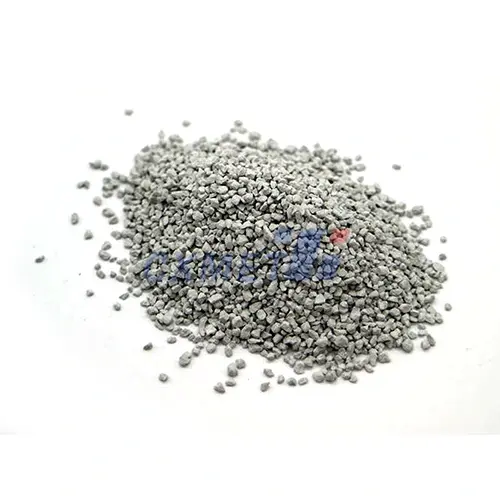
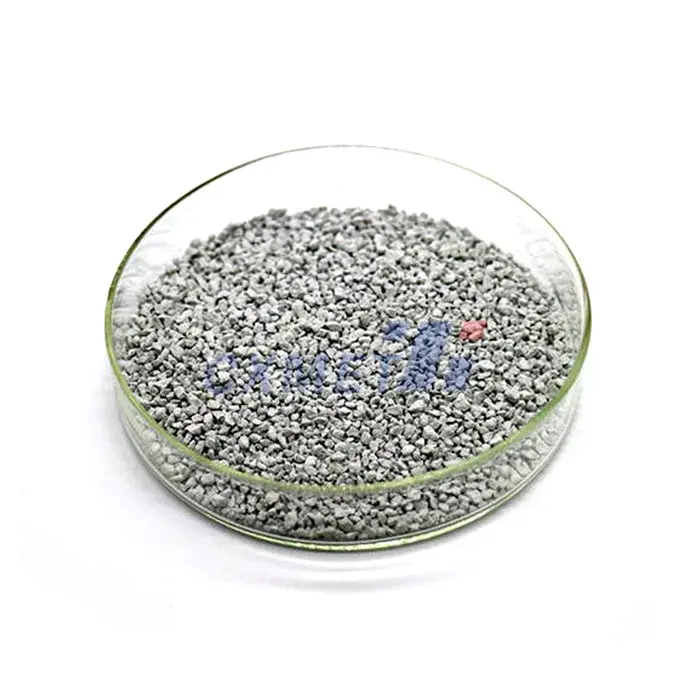
This hafnium oxide material has the chemical formula HfO₂ and a purity level of ≥99.9%, which means that it won't interfere with sensitive production processes much. The material has a density of 9.68 g/cm³ and stays structurally sound up to its melting point of 2758°C, which is much higher than the temperatures needed for most electronic uses. The powder's white colour shows that it is very pure and in stoichiometric balance. The particles are kept at a size of ≤10 microns so that the coating properties stay the same. In particular, the cubic crystal structure makes the dielectric behaviour and thermal expansion qualities predictable, which are very important for thin-film applications. This compound doesn't dissolve in water, so it's very resistant to moisture and keeps electrical parts from breaking down in the environment.
Thermal Stability and Dielectric Performance
The high thermal stability of hafnium dioxide makes it useful for processes that need high temperatures, such as electron beam evaporation and physical vapour deposition. This stability makes sure that the material keeps its dielectric constant—which is usually around 25—across a wide range of temperatures. This keeps finished products from losing performance. Compared to other materials like silicon dioxide, HfO₂ has better insulation qualities with thinner layers, which allows semiconductor design to keep getting smaller. Because it is a high-k dielectric, gate oxide layers in transistors can be physically larger while still having the same electrical capacitance. This lowers leakage currents and makes the transistors more energy efficient.
Manufacturing Approaches and Quality Control
The way hafnium oxide tablets are made has a direct effect on their quality and regularity. When hafnium metal and oxygen combine solidly, they make a very crystalline substance with a controlled stoichiometry. Sol-gel methods let you change the shape and properties of the particles and the surface, which is especially useful for Hafnium oxide HfO2 tablet-specific coating jobs. Every batch that is made goes through a lot of tests to make sure that the purity levels, particle size distribution, and phase composition are correct. We keep track of the whole production process by writing down the parameters for thermal treatment, the conditions of grinding, and the results of quality checks. This way, we can reassure procurement teams that the materials will work and be consistent from batch to batch.
Key Electronic Applications of Hafnium Oxide (HfO₂) Tablets
Electronics manufacturing has evolved rapidly, placing increasingly stringent demands on constituent materials. Hafnium oxide tablets have emerged as enabling materials across multiple high-value applications where performance, reliability, and scalability converge.
High-k Gate Dielectrics in Advanced Semiconductors
Modern transistor designs depend on gate dielectrics made of hafnium to get around the basic problems with silicon dioxide. When transistors get smaller than 45 nanometres, the layers of silicon dioxide get so thin that quantum tunnelling lets leakage currents happen that are too high. Hafnium oxide solves this problem by having higher dielectric constant values. This lets physically bigger layers keep their electrical performance while drastically lowering leakage. Moore's Law says that microprocessors and mobile chipsets will continue to get smaller, and this breakthrough has made that possible. Hafnium oxide is used by top semiconductor companies in gate stack applications in logic devices, graphics processors, and application-specific integrated circuits. These are used when power efficiency and performance density give the company a competitive edge.
Memory Devices and DRAM Capacitors
Structures made of capacitors hold individual bits of information in dynamic random-access memory technology. Hafnium oxide improves the performance of capacitors by storing more charge in smaller spaces. The high dielectric constant of the material lets capacitors be smaller without losing storage space, which directly supports more memory on each chip. Also, HfO₂'s chemical stability keeps it from breaking down during repeated charge-discharge cycles. This makes memory more reliable over billions of processes. Hafnium-based dielectrics are used by memory makers in the latest DRAM nodes because regular materials don't meet performance goals. This use alone creates a big market for high-purity hafnium oxide pills that are used in thin-film deposition methods.
Optical Coatings and Photonics Systems
Hafnium oxide is useful for more than just electronics because of how it behaves in light. The material has a high refractive index—about 2.0 at 500 nanometers—which makes it perfect for coats with multiple layers of optical interference. Laser systems, precision optical filters, beam splitters, and lens treatments that stop reflections all use these coatings. A wide range of photonic uses can be supported by the transparency window that goes from ultraviolet to mid-infrared wavelengths. Hafnium oxide coatings show high laser damage thresholds, which is important for manufacturing, defence, and scientific studies that use high-power laser optics. The resistance to heat and chemicals ensures that the coating will last through contact to the environment and cleaning processes. Using electron beam evaporation on pre-sintered tablets lets you control the rate of formation and make sure the film is uniform, which is important for meeting exact optical requirements.
Protective Coatings for Harsh Environments
Protective layers made of hafnium oxide help electronic parts work better in harsh chemical or thermal conditions. The substance doesn't rust when exposed to acids, bases, or reacting gases, and it still has the ability to keep electricity from flowing through it. In power electronics and aircraft, hafnium oxide-based thermal barrier coatings keep sensitive circuitry from getting too hot. The coating makes strong connections with silicon, metals, ceramics, and other substrate materials. This flexibility lets it be used across a wide range of device designs without worrying about compatibility issues. Using hafnium oxide tablets in coating processes gives uniform coverage and adhesion strength, which is important for long-term component reliability under operating stress.
Comparing Hafnium Oxide Tablets to Alternatives: Enhancing Procurement Decisions
Selecting optimal materials requires understanding Hafnium oxide HfO2 tablet comparative advantages and application-specific tradeoffs. We recognise that procurement professionals must balance technical performance against cost considerations and supply chain reliability.
Tablet Form Versus Powder and Thin Films
When compared to loose powder types, hafnium oxide tablets are much easier to handle. The unified tablet structure reduces the amount of dust that is generated when the tablets are stored and loaded into deposition equipment. This makes the workplace safer and cuts down on material waste. Tablets allow for more packing density in crucibles, which increases the speed of production and extends the time that deposition runs. The structure that has already been sintered also cuts down on outgassing during heating, which lowers the risk of contamination in vacuum coating tanks. When it comes to custom deposition settings and thickness control, tablets are more flexible than pre-made thin films or sputtering targets. When compared to thermal evaporation methods, electron beam evaporation methods produce better film density and step coverage in tablet format.
Performance Comparison with Alternative Dielectrics
Zirconium oxide has a similar solid chemistry to hafnium oxide, but its dielectric constant values are lower. This means it can't be used in situations that need the highest capacitance density. Titanium dioxide has a high refractive index, which is good for optical coatings. However, it absorbs more light in the ultraviolet range and expands and contracts more than most surfaces. Even though tantalum pentoxide has good insulating properties, it costs more and is harder to get from suppliers. Aluminium oxide is more chemically stable and cheaper, but it doesn't have the high-k insulating performance that is needed for advanced semiconductor nodes. This comparison shows why hafnium oxide has become the material of choice for uses where high efficiency is worth the extra cost.
Supplier Evaluation Criteria
Teams in charge of buying things should look at possible suppliers based on a number of quality and dependability criteria. Analytical certifications that show purity levels, trace element content, and particle size distribution must be checked to make sure the material meets the standards. Supplier quality control systems that meet ISO 9001 or an equivalent standard show that the manufacturing process is consistent and can be tracked. Responsible sourcing and processing methods are becoming more and more important for companies that want to meet their sustainability goals, as shown by environmental compliance certifications. How well you can handle your inventory and production capacity affects how reliable your deliveries are and how stable your prices are when demand changes. Having access to technical support helps answer application questions and get the most out of the materials you use. Long-term ties with suppliers give you security over your supply and may even save you money by committing to higher volumes.
Procurement Guide for Hafnium Oxide (HfO₂) Tablets
Navigating the procurement process effectively requires understanding available sourcing channels, pricing structures, and logistical considerations specific to specialty materials.
Ordering Channels and Minimum Order Quantities
You can get hafnium oxide tablets from direct manufacturers, specialised material distributors, or online marketplaces that cater to industry buyers. When you deal directly with the maker, you can often get the best prices for large orders, but you may have to place a minimum order quantity to reflect the economics of production batches. Distributors offer smaller lot sizes that are good for study or making prototypes, but the prices per unit are usually higher. Online business-to-business (B2B) sites let you compare prices and find suppliers, but they need careful checks of material certifications and seller credentials. For specific tools or use cases, tablets may be able to be made in different sizes and packing arrangements. We can handle orders of any size, from small samples for testing to large packages to support high-volume production. This means that everyone can get what they need, no matter how much they buy.
Pricing Factors and Budget Planning
The price of materials depends on many things, such as the price of hafnium metal sources, how hard the process is, how pure the materials need to be, and how supply and demand change in the market. Getting hafnium out of zirconium ores requires complex sorting methods that affect the cost of base materials. Higher purity grades cost more because they go through more steps of refinement and scientific testing. The pressing and sintering of tablets add value to the production process based on the required size and density. Stable prices are affected by factors in the market, such as competing demand from the electronics, aircraft, and nuclear industries. For normal specifications, procurement managers should expect lead times of a few weeks. For custom formulations, the time frame could be longer. When supply is low, volume agreements may allow access to better pricing levels and faster distribution. Finding the best balance between cost, material quality, and supplier dependability is more important than just lowering the buy price. This will ensure the lowest total cost of ownership.
Logistics and Supply Chain Management
The purity and physical integrity of materials are kept safe during shipping and storage if they are properly packaged. Each tablet is sealed individually in a vacuum or an inert gas setting using moisture-proof aluminium foil pouches. This keeps the air from getting contaminated. Cushioning made of anti-static foam keeps you safe from mechanical shocks during shipping. Cleanroom-grade inner containers keep the air free of particles, which is what is needed for making semiconductors. Export cartons that are reinforced and have clear signs for handling make sure that goods are safe while they are being shipped by air, sea, or land. Shipments come with paperwork like Material Safety Data Sheets, Certificates of Analysis, and compliance statements to make clearing customs and getting inspections easier. We arrange shipping schedules so that material deliveries match up with production plans. This keeps supply Hafnium oxide HfO2 tablet interruptions to a minimum and keeps inventory costs low. Flexible payment terms meet the needs of a wide range of buyers while keeping the deal safe.
Maximising the Value of Hafnium Oxide (HfO₂) Tablets in Your Electronics Supply Chain
Strategic integration of hafnium oxide into manufacturing operations extends beyond simple material procurement to encompass handling protocols, quality assurance, and forward-looking technology planning.
Handling and Storage Best Practices
Taking care of how things are stored and handled is important for keeping their quality from the time they are delivered until they are used. To keep them from absorbing water, unopened packages should stay in climate-controlled spaces with low humidity. Tablets should be kept in inert atmosphere containers or desiccator cabinets after they have been opened to keep the surface qualities. People who handle things should always use clean clothes and tools to keep germs from spreading. By rotating inventory on a regular basis, you can make sure that older items are used up before younger ones. This keeps things from sitting around for too long, which could hurt performance. Quality control tests on new shipments make sure they meet specifications and set benchmarks for performance. These rules protect the money spent on high-quality materials and make sure that the production method always produces the same results.
Emerging Applications and Technology Trends
As technology in circuits changes, hafnium oxide keeps getting new uses. Ferroelectric hafnium oxide can be made by adding dopants or controlling the crystal phase. It lets non-volatile memory designs compete with flash technology. Neuromorphic computers use hafnium oxide memristors to make fake synapse structures that look like neural networks in living things. Thin films made of hafnium are used as barrier layers and dielectric interfaces in advanced packaging technologies for stacking chips in three dimensions. Platforms for quantum computing are looking into hafnium oxide for use in control gates and isolating qubits. These new uses will open up new market opportunities and support continuing to spend money on material development. When planning how to buy things, companies should think about how innovative their suppliers are and whether they are willing to help with the development of new applications.
Performance Enhancement Case Studies
Adopting hafnium oxide has real-world effects that can be seen and touched. When a semiconductor company switched from silicon dioxide to hafnium oxide gate dielectrics, they were able to cut idle power use by 40% while keeping switching speeds the same. This had a direct effect on the battery life of mobile devices. A company that makes optical systems used hafnium oxide multilayer coatings to raise the laser damage barrier by 60% compared to older titanium dioxide designs. This made it possible for higher-power laser operations. A company that makes memory devices said that hafnium oxide capacitor dielectrics increased the density of DRAM stacks by 25%. This gave them a competitive edge in the high-density memory markets. These cases show how choosing the right materials can affect the performance of a whole system and its ability to make money. When companies buy high-quality hafnium oxide materials, they get clear benefits in how they position their products in the market and how they differentiate their products.
Conclusion
Hafnium oxide HfO2 tablet is an important material for making electronics today because it works so well in memory systems, optical parts, protective layers, and semiconductor devices. The material is very stable at high temperatures, has a high dielectric constant, and is resistant to chemicals. These properties allow the electronics industry to keep making products smaller and better. To do good procurement, you need to know how materials work, check out suppliers' skills, and follow the right handling rules. Manufacturers can take advantage of new technologies while keeping a competitive edge in established areas by strategically getting high-purity hafnium oxide tablets. When you combine technical success with dependable supply partnerships, you build a base for long-term innovation and operational excellence in electronic environments that are tough.
FAQ
1. What advantages do hafnium oxide tablets offer compared to powder forms?
Tablets provide superior handling convenience and safety by minimising dust generation during storage and equipment loading. The consolidated structure delivers higher packing density in deposition crucibles, extending operational run times between material changes. Pre-sintered tablets exhibit reduced outgassing during heating cycles, lowering contamination risks in vacuum coating processes. These practical advantages translate to improved workplace safety, enhanced production efficiency, and better film quality control compared to handling loose powder materials.
2. How does material purity affect semiconductor device performance?
Purity levels directly impact electrical characteristics and manufacturing yield in semiconductor applications. Trace metallic impurities can create unwanted charge trap sites within dielectric layers, increasing leakage currents and causing device instability. Impurities may also alter crystallisation behaviour during thermal processing, affecting dielectric constant uniformity. Our ≥99.9% purity specification ensures minimal contamination that could compromise device reliability or electrical performance, meeting the stringent requirements of advanced semiconductor manufacturing processes.
3. Can I order custom-sized hafnium oxide tablets for specialised equipment?
We accommodate custom tablet dimensions to match specific deposition equipment configurations and application requirements. Custom sizing options include diameter, thickness, and weight specifications tailored to crucible geometry and material consumption rates. Procurement teams should provide equipment specifications and desired deposition parameters when requesting custom formats. Lead times for custom configurations typically extend beyond standard products but ensure optimal material utilisation and process efficiency in your manufacturing operations.
Partner with CXMET for Premium Hafnium Oxide HfO₂ Tablet Supply
Shaanxi CXMET Technology Co., Ltd. stands ready as your trusted hafnium oxide HfO2 tablet supplier, bringing over 20 years of expertise in non-ferrous metals to your electronics manufacturing operations. Our materials consistently exceed 99.9% purity standards, supported by comprehensive analytical certifications and rigorous quality Hafnium oxide HfO2 tablet control processes. We offer flexible order quantities from research samples through bulk production volumes, with competitive pricing that reflects our direct manufacturing capabilities and efficient supply chain management. Our technical support team—comprising more than 80 specialised professionals—provides application guidance, material selection assistance, and troubleshooting support throughout your product development lifecycle. Located in China's Titanium Valley, we maintain extensive inventory and production capacity, ensuring reliable delivery aligned with your manufacturing schedules. Contact our procurement specialists at sales@cxmet.com to discuss your specific requirements, request material specifications, or arrange a sample evaluation. We commit to responsive communication, transparent pricing, and partnership-oriented service that transforms material sourcing from transactional necessity into strategic competitive advantage.
References
1. Obertson, J. (2008). "High Dielectric Constant Oxides for Advanced Microelectronics Applications." Materials Science and Engineering Reports, Volume 62, Issue 5, pp. 191-235.
2. Wilk, G.D., Wallace, R.M., and Anthony, J.M. (2001). "High-k Gate Dielectrics: Current Status and Materials Properties Considerations." Journal of Applied Physics, Volume 89, Number 10, pp. 5243-5275.
3. Manchanda, L. and Gurvitch, M. (2006). "Hafnium Oxide Gate Dielectrics for Advanced Silicon Devices." The Electrochemical Society Interface, Volume 15, Issue 4, pp. 48-51.
4. Zhao, X. and Vanderbilt, D. (2002). "Phonons and Lattice Dielectric Properties of Zirconia." Physical Review B, Volume 65, Article 075105.
5. Gritsenko, V.A., Perevalov, T.V., and Islamov, D.R. (2016). "Electronic Structure of Hafnium Oxide: Experiment and Theory." Journal of Experimental and Theoretical Physics, Volume 123, Number 4, pp. 665-677.
6. Balog, M., Schieber, M., Michman, M., and Patai, S. (1977). "Chemical Vapour Deposition and Characterisation of HfO₂ Films from Organo-Hafnium Compounds." Thin Solid Films, Volume 41, Issue 3, pp. 247-259.