knowledges
What Are the Typical Sizes of Titanium Lap Joint Flange?
2026-08-07 16:28:06
Selecting the proper size is one of the first and most critical considerations to make when selecting a titanium lap joint flange for a pipe project. Flange dimensions are determined by both nominal pipe size and pressure class, and a knowledge of how these factors interact may assist engineers in avoiding expensive mismatches during procurement and installation. This article covers the typical size range of a titanium lap joint flange, how the pressure class impacts the size, and what a customer should consider when requesting the correct size for their application.
|
|
|
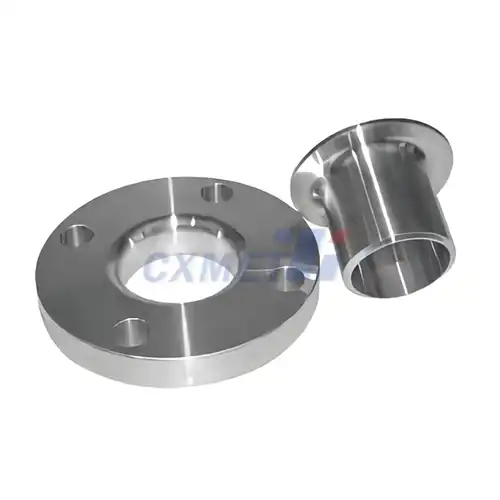
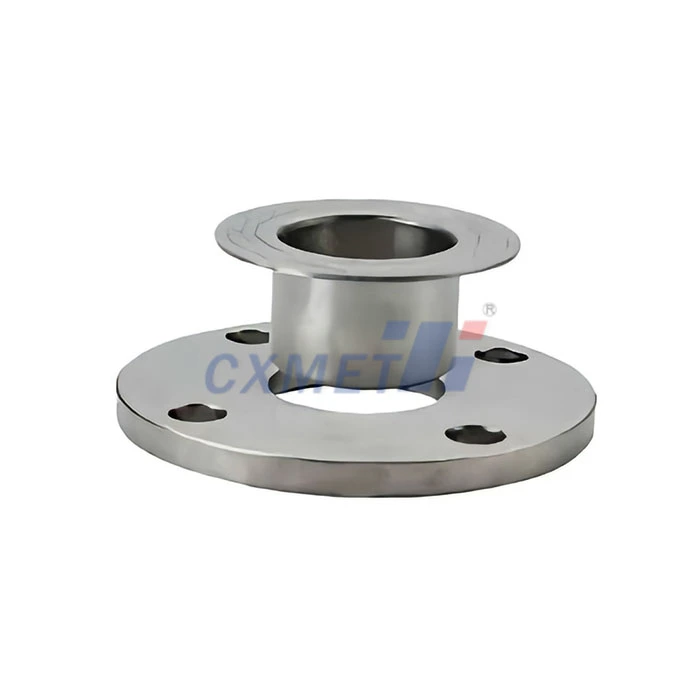
What Size Range Does a Titanium Lap Joint Flange Cover?
What Is the Standard NPS Size Range for a Titanium Lap Joint Flange?
Titanium lap joint flanges are normally offered in the same nominal pipe size range as the mainstream flange standards, commonly from ½ inch up to 24 inches. This range is consistent with ASME B16.5, the most cited flange standard in the world, which also prescribes specifications for weld neck, slip-on, blind, threaded, socket weld, and lap joint flange types. Smaller titanium flange sizes are usually used for instrumentation, laboratory, and small-diameter process pipes, while bigger sizes are used for significant process lines in chemical plants, marine systems, and power generation. For projects that need flanges larger than 24 inches, manufacturers may frequently use additional standards or create completely unique measurements, allowing purchasers choice in an extraordinarily wide variety of pipe applications.
How Do Outside Diameter and Bore Vary Across Titanium Lap Joint Flange Sizes?
As the nominal pipe size rises, a titanium lap joint flange increases in almost every parameter proportionately, including outer diameter, bore, bolt circle, and overall thickness. A half-inch flange may be less than 2 inches wide, and a 24-inch flange over 2 feet outer diameter, and much greater weight per piece. The diameter of a titanium lap joint flange should also match the wall thickness or schedule of the mating pipe since the flange has to fit snugly over the stub end to provide a leak-free connection. These relationships are standardised, so engineers may consult published dimension tables to verify the outer diameter, bolt circle, and bore before placing a purchase order, eliminating the chance of dimensional mismatches upon installation.
Can a Titanium Lap Joint Flange Be Custom-Sized Beyond Standard Ranges?
Standard NPS sizes will satisfy the majority of pipeline applications, but there are numerous projects that want a titanium lap joint flange in a size not found on the standard charts. This might stem from a variety of issues, such as an odd pipe size, a retrofit need, or a unique equipment interface. Generally reputable manufacturers will also provide OEM and custom machining services that may produce non-standard hole sizes, thicknesses, or bolt patterns to meet a customer’s precise demands. This versatility is especially beneficial in aircraft and specialised chemical processing equipment where conventional flange sizes may not match current system geometry. To minimise expensive rework and assure correct machining, a bespoke titanium lap joint flange should be ordered early in the process with comprehensive drawings or reference standards.
How Does Pressure Class Affect Titanium Lap Joint Flange Dimensions?
How Do Pressure Classes 150 Through 2500 Affect Titanium Lap Joint Flange Thickness?
The pressure class of a titanium lap joint flange is equally as significant as the nominal pipe size in determining the total dimensions of the flange. Standard classes run from 150 up to 2500. For a given pipe size, a higher pressure class has a somewhat thicker, heavier flange to support the increased internal pressure. Therefore, visually, a Class 150 titanium lap joint flange of a certain dimension will appear smaller and lighter than a Class 900 or Class 1500 flange of the same nominal diameter, while both have the same bore. This is because a higher pressure service requires more material to maintain structural integrity. As such, pressure class selection is as important to proper sizing as pipe diameter itself.
Why Does Bolt Circle Diameter Change With Titanium Lap Joint Flange Pressure Class?
Alongside thickness, the bolt circle diameter and bolt hole count of a titanium lap joint flange also shift with pressure class, since higher-rated flanges require a stronger bolted connection to contain greater operating pressures. A higher-class flange generally uses a larger bolt circle, more bolt holes, or larger bolt diameters compared to a lower-class flange of the same nominal size, meaning the two are not interchangeable even though they share the same pipe size designation. This is an important consideration during procurement, since mixing pressure classes between a titanium lap joint flange and its mating flange or stub end can prevent proper bolt alignment entirely. Confirming pressure class compatibility across the full assembly is therefore a necessary step before finalizing any flange order.
How Does Temperature Rating Relate to Titanium Lap Joint Flange Size Selection?
Pressure class and temperature rating are closely linked, and this relationship indirectly affects how a titanium lap joint flange should be sized for a given application. As operating temperature rises, the maximum allowable pressure for a given pressure class typically decreases, meaning an application running at elevated temperature may require a higher pressure class, and therefore a physically larger and thicker flange, than the same nominal pressure would suggest at room temperature. Titanium lap joint flanges are commonly rated for service up to around 600°F (315°C), and buyers should verify the pressure-temperature rating for their specific service conditions rather than assuming a single class number tells the whole story. Accounting for this relationship during specification prevents undersized flanges from being installed in demanding thermal environments.
How Do You Choose the Right Titanium Lap Joint Flange Size for Your Project?
How Does Pipe Schedule Influence Titanium Lap Joint Flange Bore Size?
Since the titanium lap joint flange fits loosely over a stub end instead of being welded directly to the pipe, its bore must be designed to fit over the outer diameter of that stub end. This outside diameter, in turn, is determined by the pipe’s wall thickness or schedule. For a given nominal size, a heavier schedule pipe has a bigger outer diameter and hence a larger flange bore. If you order a titanium lap joint flange with the improper schedule, the bore will be either too small or too large, making it impossible to assemble or hindering the flange’s ability to spin freely to line up the bolts, which is a major practical benefit of the lap joint design. Always validate the pipe schedule as well as the nominal size before ordering.
What Standards Should Buyers Reference When Specifying Titanium Lap Joint Flange Sizes?
When buying a titanium lap joint flange for a global supply chain, it is important to select the relevant international standard. There are several standards that control the size of flanges. ASME B16.5 remains the primary reference in North America and most of the globe for diameters up to 24 inches. In Europe, Japan, Britain, China and Russia, the DIN, JIS, BS, GB and GOST standards are usually specified, respectively. However, these standards can also vary in bolt circle diameter, number of bolt holes and overall thickness even at nominally similar sizes. Therefore, buyers sourcing a titanium lap joint flange for an international project should state clearly which standard applies to avoid dimensional mismatches with existing piping systems or mating equipment.
Why Is Working With an Experienced Manufacturer Important for Titanium Lap Joint Flange Sizing?
With so many factors at play, such as nominal size, pressure class, timetable, and governing standard, collaborating with an experienced manufacturer goes a long way to help lessen the danger of buying an improperly sized titanium lap joint flange. Established suppliers may keep thorough dimension charts that cover numerous standards and pressure classes, and their engineering teams can cross-check a buyer's specs against system requirements before manufacturing starts. This is especially true for big or high-value orders when a mistake in size might cause considerable rework or project delays. This means that consumers may partner with a manufacturer that can produce both standard and bespoke titanium lap joint flanges to make sure their specific size and material needs are satisfied right out of the box.
Conclusion
Choosing the right titanium lap joint flange size depends on matching nominal pipe size, pressure class, schedule, and governing standard correctly. Shaanxi CXMET Technology Co., Ltd, founded in 2005 in China's Titanium Valley with over 80 technical staff, manufactures flanges across a wide size and pressure range. For sizing guidance or custom specifications, contact sales@cxmet.com — we're glad to help.
References
1. ASME International, ASME B16.5 Pipe Flanges and Flanged Fittings: NPS 1/2 Through NPS 24.
2. ASME International, ASME B16.47 Large Diameter Steel Flanges: NPS 26 Through NPS 60.
3. DIN, DIN 2501 Flanges for Pipes, Valves, Fittings, and Accessories.
4. ASTM International, ASTM B381 Standard Specification for Titanium and Titanium Alloy Forgings.
5. ASM International, ASM Handbook, Volume 20: Materials Selection and Design.
6. ISO 9001:2015, Quality Management Systems — Requirements, International Organization for Standardization.