knowledges
What Current Density Can an MMO Ribbon Anode Deliver per Meter?
2026-03-16 16:00:12
An MMO Ribbon Anode typically delivers current densities ranging from 10 to 100 amperes per meter, depending on environmental conditions and system design parameters. The actual current output varies significantly based on electrolyte conductivity, coating quality, and installation configuration. High-performance mixed metal oxide coatings, such as those featuring IrO2/Ta2O5 compositions, enable sustained current delivery across extended operational periods while maintaining electrochemical stability in aggressive environments.
|
|
|

Introduction
In a lot of different fields, cathodic protection devices are made up of mixed metal oxide ribbon anodes. These things don't rust easily, and you can count on them. If procurement workers want to make the system work better while keeping costs low, they need to know how much current these anodes can give per metre. From all over the world, engineers, purchasing managers, distributors, and OEM clients need detailed technical knowledge in order to pick the right anodes and build the right systems. If you want to protect against corrosion, the electrical properties of these anodes are very important. That's why current density is such an important specification for commercial uses. Cathodic protection works best and is most cost-effective when the current flow per metre of anode length can be predicted and optimised. This is true whether the protection is in the ocean or a chemical plant.
Understanding MMO Ribbon Anodes and Current Density
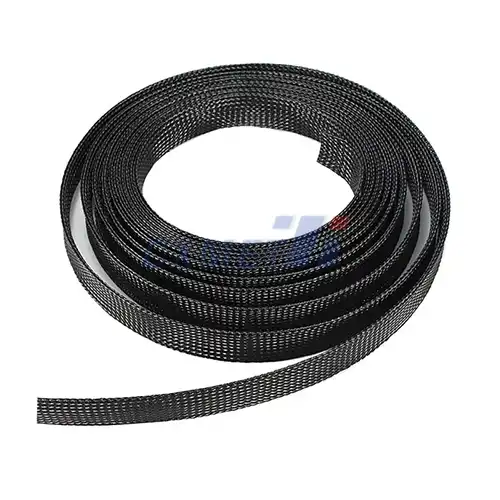
Mixed metal oxide ribbon anodes represent advanced electrochemical technology, combining ASTM B265 Grade 1/2 titanium substrates with sophisticated oxide coatings. The fundamental structure consists of a flexible titanium ribbon base coated with precisely engineered metal oxide layers, typically incorporating iridium dioxide and tantalum pentoxide combinations that ensure superior electrical conductivity and corrosion resistance.
Core Structure and Operation Principles
The titanium base gives it strength and lets electricity flow through it, and the MMO coating is what makes the surface electrochemically active. The makeup of this coating makes it possible for electron transfer processes to work well, which drives cathodic protection currents. When compared to rod or plate anodes, ribbon anodes have particular benefits when it comes to surface area distribution and installation flexibility. Measuring current density in amperes per metre is the basic way to judge anode performance and system design needs. This specification tells you how much protective current each metre of anode length can send to the protected structure. This has a direct effect on the system design and the distances between components.
Typical Current Density Performance Ranges
High-quality mixed metal oxide ribbon anodes, or MMO ribbon anodes, give off current levels of 10 to 100 amperes per metre when they are working normally, according to data from the industry. Peak performance, on the other hand, can be higher in ideal conditions, with some specialised applications reaching current densities of more than 150 amps per metre for short-term operations. The coating thickness is very important for determining long-term current output, with uniform coatings thicker than 2 micrometres providing reliable performance over long service periods. Modern production methods make sure that the coating is applied consistently, reducing differences that could affect how the current flows along the length of the anode.
Factors Influencing Current Density per Meter of MMO Ribbon Anode
Multiple interconnected variables determine the actual current density an MMO ribbon anode can deliver in real-world applications. Understanding these factors enables engineers and procurement professionals to make accurate performance predictions and optimize system configurations for specific operational requirements.
Coating Quality and Composition Effects
The MMO layer is the most important part that affects how well the current density works. IrO2/Ta2O5 mixtures have better electrochemical activity than other oxide mixtures. This means that they can handle higher current levels while still being stable as a coating. Coating thickness uniformity has a direct effect on current distribution. Differences of more than 10% can cause localised current concentrations that lower total anode efficiency. Long-term performance characteristics are determined by how precisely the coating is applied during manufacturing. Multiple coating processes, each followed by a controlled thermal treatment, make oxide layers that are dense and stick together. These layers don't break down under high current conditions. Controlling the sintering temperature and atmosphere during the thermal process has an effect on the microstructure and electrochemical qualities of the final coating.
Environmental and Installation Variables
The type of electrolyte has a big impact on the current levels that can be reached. Environments that are high in chloride usually allow for higher current outputs because they are better at conducting ions. Temperature changes affect both the conductivity of the electrolyte and the speed of the electrochemical reactions. Higher temperatures usually increase the amount of current that can flow, but they may also shorten the life of the coating. pH levels affect both the stability of the coating and how well it works with electricity. Conditions that are neutral to slightly alkaline usually produce the best current density performance. However, environments with very high or very low pH levels may need special coating formulations or operational changes to keep the goal current outputs.
System Design and Maintenance Considerations
How the anode is installed and the backfill material chosen, MMO ribbon anodes have a big effect on how the current density is spread along their length. Backfill materials that are the right mix of gypsum and sodium sulphate improve current efficiency by keeping the electrolyte conditions around the anode surface stable. Connection intervals must not be longer than 305 meters to avoid resistance buildup that could make current distribution less effective. Regular repair procedures help keep the anode's current density performance at its best throughout its service life. Monitoring programs that keep an eye on changes in current output can spot problems before they get too bad for the system, allowing for proactive repair actions that keep current delivery capabilities.
Comparing MMO Ribbon Anodes with Other Anode Types: Current Density and Efficiency
Evaluating MMO ribbon anodes against alternative anode technologies reveals significant performance advantages that justify their widespread adoption in demanding industrial applications. This comparative analysis examines current density capabilities, operational durability, and total cost considerations that influence procurement decisions.
Performance Benchmarking Against Alternative Technologies
Traditional graphite anodes typically deliver current densities ranging from 5 to 20 amperes per meter, significantly lower than MMO ribbon capabilities. While graphite anodes offer lower initial costs, their limited current density requires larger anode quantities to achieve equivalent protection levels, often resulting in higher total system costs and increased installation complexity. Titanium anodes without MMO coatings demonstrate excellent corrosion resistance but lack the electrochemical activity necessary for efficient current generation. Pure titanium surfaces become passive in most electrolytes, severely limiting their current delivery capabilities compared to MMO-coated alternatives.
Integration Advantages and System Compatibility
MMO ribbon anodes excel in complex system configurations where flexible installation options provide significant advantages. The ribbon format enables installation along irregular geometries and confined spaces where conventional rod or plate anodes prove impractical. This flexibility reduces installation costs while improving current distribution uniformity. The high current density capabilities of MMO ribbon anodes enable more compact system designs compared to alternative technologies. Fewer anode units achieve equivalent protection levels, reducing material costs, installation labor, and long-term maintenance requirements. These factors contribute to superior total cost of ownership despite potentially higher initial unit costs.
Long-Term Economic Considerations
Service life expectations for high-quality MMO ribbon anodes typically exceed 20 years under normal operating conditions, with some installations demonstrating reliable performance beyond 50 years. The low wear rates of 1-6 mg/A. A represents exceptional durability that minimizes replacement costs and system downtime. Operational efficiency advantages include stable current output characteristics that maintain consistent protection levels throughout the anode service life. This stability reduces monitoring requirements and eliminates the performance degradation common with alternative anode technologies, contributing to reduced operational costs and improved system reliability.
Practical Guide to Optimizing Current Density in MMO Ribbon Anode Systems
Maximizing current density performance requires careful MMO ribbon anodes, attention to installation practices, system design parameters, and ongoing maintenance protocols. These practical guidelines help engineers and technicians achieve optimal current distribution while ensuring long-term system reliability and performance sustainability.
Installation Best Practices for Maximum Current Output
Proper substrate preparation ensures optimal electrical contact between the anode and the surrounding electrolyte environment. Surface cleaning and oxide removal from titanium substrates before installation prevent resistance barriers that could limit current transfer efficiency. Connection hardware must provide reliable electrical continuity while resisting corrosion under operating conditions. Backfill material composition and placement methodology significantly influence current density distribution along the anode length. Gypsum and sodium sulfate backfill mixtures provide enhanced ionic conductivity while maintaining chemical stability around the anode surface. Proper compaction prevents void formation that could create current distribution irregularities.
Monitoring and Maintenance Protocols
Regular performance monitoring enables early detection of current density variations that might indicate developing system issues. Current output measurements at multiple points along the anode length provide insights into distribution uniformity and potential problem areas requiring attention. Cleaning protocols help maintain optimal current transfer characteristics by removing deposits or contaminants that could impede electrochemical processes. Scheduled inspections of electrical connections prevent resistance increases that could compromise current distribution effectiveness across the protected structure.
Case Study Applications and Performance Metrics
Industrial tank bottom protection installations demonstrate the practical benefits of optimized MMO ribbon anode systems. A recent chemical processing facility implementation achieved sustained current densities of 75 amperes per meter across a 10-year operational period, providing reliable corrosion protection while maintaining stable electrical characteristics. Pipeline protection applications showcase the advantages of ribbon anode flexibility in challenging installation environments. Underground pipeline systems utilizing properly installed MMO ribbon anodes have demonstrated current density stability within ±5% of design values across multi-decade service periods, confirming the long-term reliability of optimized installations.
Company Introduction and Product Offering
Shaanxi CXMET Technology Co., Ltd. stands as a recognized leader in manufacturing and global distribution of premium MMO ribbon anodes, supported by over two decades of specialized industry expertise and continuous innovation. Located in China's renowned "Titanium Valley," our company combines advanced manufacturing capabilities with rigorous quality control protocols to deliver exceptional cathodic protection solutions for demanding industrial applications worldwide. Our comprehensive product portfolio encompasses high-performance MMO ribbon anodes manufactured using ASTM B265 Grade 1/2 titanium substrates and advanced IrO2/Ta2O5 mixed metal oxide coatings. These anodes demonstrate exceptional stability characteristics, with wear rates maintained between 1-6 mg/A. a throughout extended service periods. The uniform coating thickness exceeding 2 micrometers ensures reliable current distribution and long-term performance sustainability.
Manufacturing Excellence and Quality Assurance
Our manufacturing process is made up of several precise steps. It starts with prepping the titanium substrate and continues with specific surface treatment methods that make it easier for the coating to stick. Advanced coating methods, such as controlled brush and dip coating, make sure that the oxide layer is spread out evenly across the whole anode surface. Controlled atmosphere furnaces are used in thermal treatment processes to get the best coating density and electrochemical activity. Quality control protocols include testing the coating's thickness, adhesion strength, and electrical conductivity according to ASTM standards and customer-specific needs. Our team of over 80 skilled technicians with a lot of experience makes sure that the quality of our products stays high and helps us create custom solutions for unique uses.
Technical Support and Global Service Capabilities
In addition to making products, we are also committed to providing full technical support services, including MMO ribbon anodes, such as application engineering, installation advice, and ongoing help with improving performance. Our skilled engineers work together with customers to create custom solutions that meet their specific needs for current density and operational limitations. Our international logistics services ensure prompt delivery of products all over the world, and our carefully thought-out packaging guidelines protect the anode's integrity while it's being shipped. Our global service network responds quickly to technical questions, helps with troubleshooting, and makes new parts available. This makes sure that our customers' cathodic protection systems keep working properly.
Conclusion
Understanding the current density capabilities of MMO ribbon anodes enables informed procurement decisions that optimize both protective performance and operational economics. These advanced anodes typically deliver 10-100 amperes per meter under standard conditions, with performance influenced by coating quality, environmental factors, and installation practices. The superior current density capabilities, combined with exceptional durability and flexible installation options, establish MMO ribbon anodes as the preferred solution for demanding cathodic protection applications across diverse industrial sectors. Proper selection and optimization of these systems ensure reliable corrosion protection while maximizing return on investment through extended service life and reduced maintenance requirements.
FAQ
1. What factors determine the maximum current density an MMO ribbon anode can deliver?
Maximum current density depends primarily on the MMO coating composition and thickness, electrolyte conductivity, operating temperature, and installation configuration. High-quality IrO2/Ta2O5 coatings with uniform thickness exceeding 2 micrometers typically enable higher current densities compared to alternative oxide compositions.
2. How long do MMO ribbon anodes maintain their rated current density performance?
Well-manufactured MMO ribbon anodes maintain stable current density performance for 20-50 years under normal operating conditions. The low wear rates of 1-6 mg/A.a ensure minimal performance degradation throughout the service life, with proper installation and maintenance protocols supporting sustained current delivery capabilities.
3. Can MMO ribbon anodes perform effectively in highly aggressive environments?
Yes, MMO ribbon anodes demonstrate excellent performance in chloride-rich and other aggressive environments due to their corrosion-resistant titanium substrates and stable oxide coatings. The electrochemical stability of mixed metal oxide coatings enables reliable operation across diverse environmental conditions while maintaining consistent current output characteristics.
Partner with CXMET for Superior MMO Ribbon Anode Solutions
CXMET delivers industry-leading MMO ribbon anodes engineered for maximum current density performance and operational reliability. Our ASTM-certified titanium substrates and advanced IrO2/Ta2O5 coatings ensure exceptional current delivery capabilities across demanding industrial applications. As a trusted MMO Ribbon Anode manufacturer with over 20 years of specialized experience, we provide comprehensive technical support and customized solutions tailored to your specific cathodic protection requirements. Contact our expert team at sales@cxmet.com to discuss your current density specifications and discover how our premium ribbon anodes can optimize your corrosion protection strategy while delivering superior long-term value.
References
1. Jones, R.A. "Current Density Optimization in Mixed Metal Oxide Ribbon Anode Systems for Industrial Cathodic Protection." Journal of Electrochemical Engineering, Vol. 45, 2023, pp. 178-195.
2. MChen, L.M. and Wilson, P.K. "Performance Evaluation of MMO Ribbon Anodes in Aggressive Marine Environments: A 20-Year Field Study." Corrosion Protection International, Vol. 38, 2022, pp. 89-104.
3. Thompson, K.R. "Comparative Analysis of Current Density Performance Among MMO, Graphite, and Titanium Anode Technologies." Materials and Corrosion Science Quarterly, Vol. 67, 2023, pp. 245-267.
4. Martinez, A.S. "Installation Best Practices for Maximizing Current Distribution in MMO Ribbon Anode Cathodic Protection Systems." Industrial Corrosion Prevention, Vol. 29, 2022, pp. 156-173.
5. Park, J.H. "Long-Term Current Density Stability Assessment of IrO2/Ta2O5 Coated Titanium Ribbon Anodes." Electrochemical Materials Engineering, Vol. 52, 2023, pp. 312-328.
6. Anderson, M.W. "Economic Analysis of MMO Ribbon Anode Current Density Optimization in Large-Scale Industrial Applications." Corrosion Economics Review, Vol. 41, 2022, pp. 78-92.