knowledges
What Diameters Are Common for Gr23 Titanium Wire Products?
2026-05-08 15:21:37
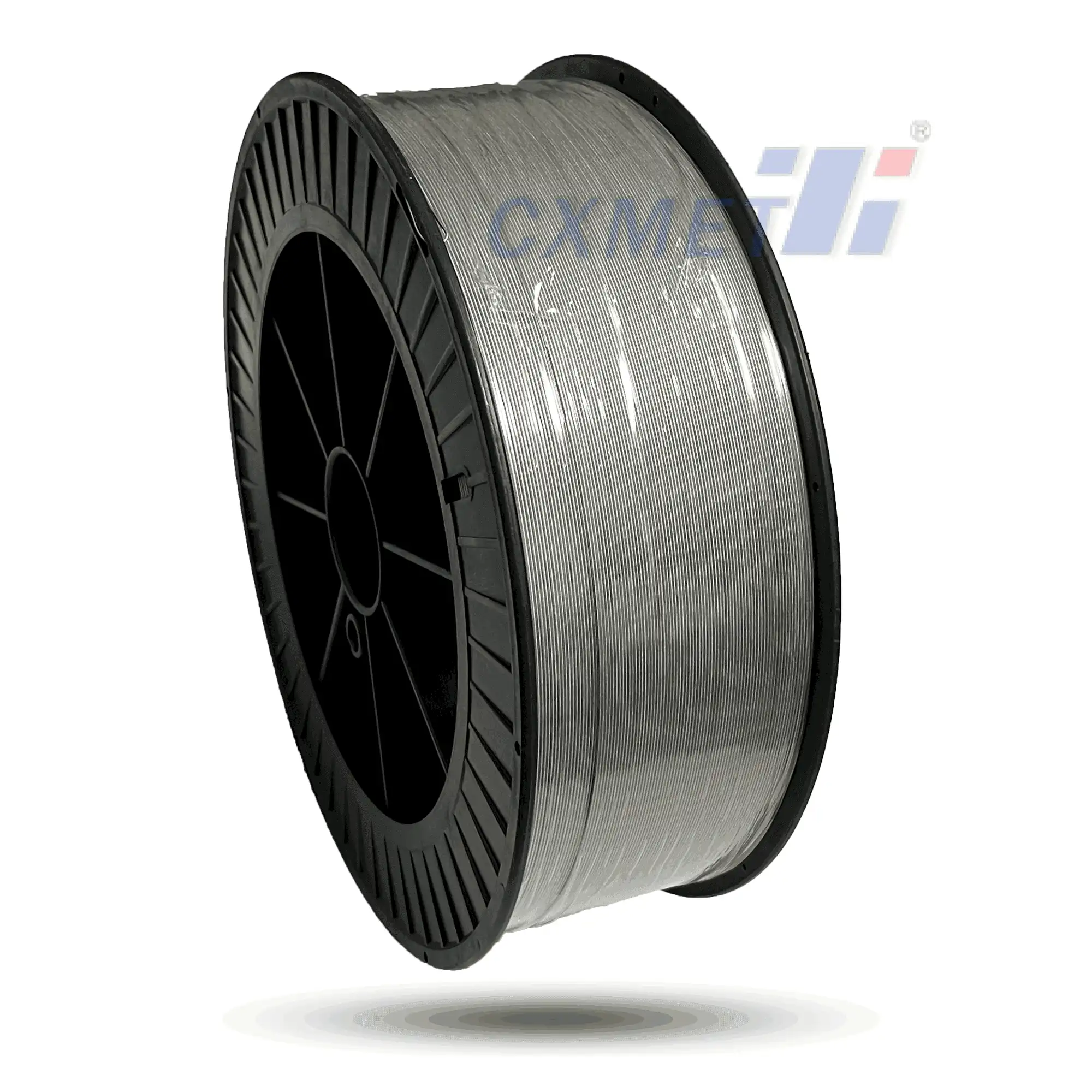
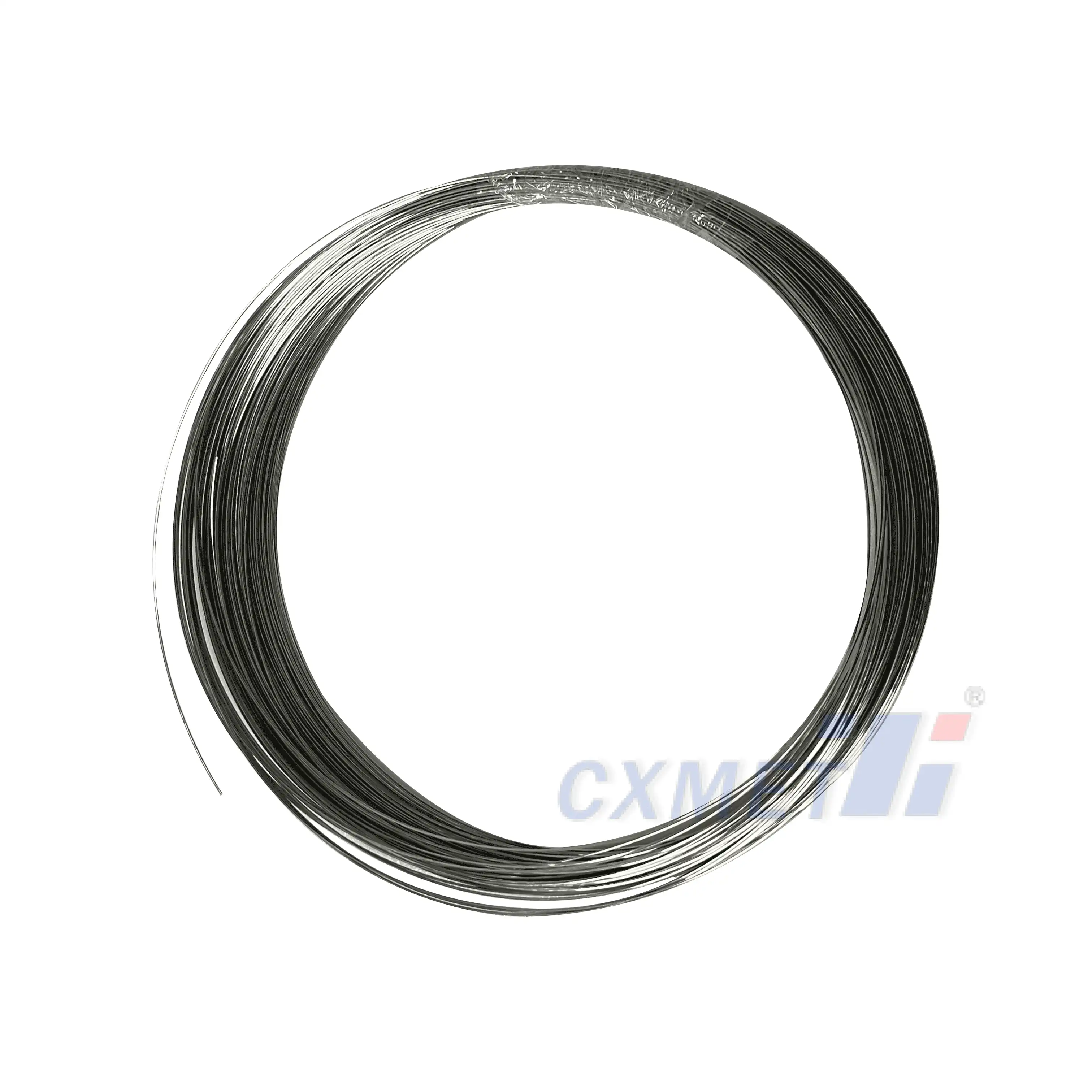
Gr23 titanium wire products typically range from ultra-fine diameters as small as 0.1 mm to thicker gauges exceeding 3.0 mm. The most commonly stocked and specified dimensions include 0.5 mm, 1.0 mm, 1.5 mm, and 2.0 mm, which balance mechanical strength with formability. These diameters meet the diverse demands of industries such as medical implants, aerospace components, and chemical processing equipment, where precise dimensional tolerances and reliable performance are non-negotiable.
|
|
|
Introduction
Titanium metal wire with the designation Grade 23 is known for being very strong, resistant to corrosion, and safe for living things. This material is used in mission-critical situations where failure is not a choice in many fields, from making medical devices to aerospace engineering. Choosing the right wire diameter is one of the most important decisions you can make because it affects performance, cost, and long-term dependability in tough operational environments. This detailed guide is designed to meet the needs of B2B procurement professionals like purchasing managers, engineers, distributors, and OEM partners. We look at the diameter requirements that define Ti-6Al-4V ELI wire products, talk about how they are used in different industries, and give you useful sourcing tips. Knowing these measurements helps people make better choices about the supply chain, improve the performance of the product, and lower the cost of buying it. Because of the unique properties of this alloy, choosing the right diameter is especially important. Each measurement has its own benefits for different uses, such as the fine accuracy needed in orthodontic devices or the high strength needed in marine engineering parts. If procurement teams know these specifications inside and out, they can make choices that match technical needs with what suppliers can do and their budgets.
Understanding Gr23 Titanium Wire and Its Diameter Relevance
A high-performance metal called Ti-6Al-4V ELI is made up of titanium (5.5–6.5%), aluminium (3.5–4.5%), and vanadium (3.5–4.5%). This combination makes a material that is known for being strong, resistant to corrosion, and good for living things. The "Extra Low Interstitials" specification tightly limits the amount of oxygen to below 0.13% and the amount of iron to below 0.25%. This makes the alloys more resistant to damage than regular Grade 5 alloys. This compositional accuracy directly leads to better performance in important uses.
How Diameter Affects Performance Characteristics
The thickness of the wire has a big effect on key performance characteristics. Smaller diameters are very flexible and easy to work with during complicated manufacturing processes, which makes them good for minimally invasive medical treatments. On the other hand, bigger diameters give you more mechanical strength and load-bearing capacity, which is important for structural parts that are under a lot of stress. There are clear patterns in the link between diameter and mechanical properties. For example, the tensile strength is usually higher than 860 MPa, and the yield strength is around 795 MPa for standard dimensions.
Standard Measurement Systems and Tolerances
Both metric and imperial measurement methods for Gr23 titanium wire are supported by global industrial standards. This makes sure that international supply chains work together smoothly. Millimetres are often used to measure metric sizes, and for precise tasks, margins are usually kept to ±0.025 mm. The American Wire Gauge (AWG) or fractional inch standards are used for imperial measures. Manufacturers use strict quality controls to make sure that the dimensions of their products are always the same, which is very important when wire components need to connect to precision-engineered parts.
Material Density and Weight Considerations
This alloy has a density of about 4.43 g/cm³, which makes it much lighter than stainless steel options. This trait is especially important when figuring out the total weight of parts used in aircraft or when making portable medical devices. When you mix low density with high strength, you get an amazing strength-to-weight ratio that lets engineers reduce the overall mass of a system without affecting its structural integrity.
Common Diameter Options and Their Applications
The marketplace offers a comprehensive spectrum of diameter options, each engineered to address specific application requirements. Understanding these categories enables procurement professionals to match material specifications precisely to performance demands.
Ultra-Fine Wires (0.1 mm – 0.5 mm)
These small measurements work great for precise medical uses that need to be as flexible and non-invasive as possible. These sizes are used by orthodontic archwires to move teeth with controlled forces. Microsurgical sutures also benefit from the biocompatibility and tensile strength of the material. The ultra-fine category is also used for specialised electronics tasks, like wire bonding in the semiconductor industry, where resistance to corrosion in harsh processing conditions is very important. Filtration systems and precise dosing mechanisms in pharmaceutical production tools use these sizes.
Medium Diameters (0.6 mm – 1.5 mm)
This range is the workhorse group; it has the right amount of strength and flexibility for a wide range of industrial uses. Surgical tools like guidewires and arthroscopic tools use these measurements to move through complicated anatomical routes while keeping the structure rigid. Medium sizes are used in aerospace parts like safety wire, fastener stock, and control cable elements because they work well even when they are loaded and unloaded many times. These diameters are often used for dental and orthopaedic implant frameworks because they allow for the necessary shaping processes during manufacturing while still being strong enough to hold weight.
Heavy-Duty Wires (Above 1.5 mm)
Applications that need the highest tensile strength and longevity call for gauges that are thicker. For structural supports, valve parts, and piping fittings that are exposed to corrosive media in chemical processing equipment, these sizes are used. Marine engineering parts that are resistant to saltwater work better, and wire diameters above 2.0 mm are often used in subsea equipment and tools for offshore platforms. These gauges are used in exhaust systems and suspension parts for high-performance cars, where high temperatures and mechanical stress require materials to be very strong. As part of the selection process, specific needs for each application are carefully thought through. When engineers define wire diameter, they have to think about more than just mechanical loads. They also have to think about things like the environment, how the wire will be made, and how it will be used in the long term.
Comparing Gr23 Titanium Wire Diameters to Other Grades
Material selection involves a comprehensive analysis Gr23 titanium wire of alternative options to ensure optimal performance and cost efficiency. Understanding how Ti-6Al-4V ELI compares to other grades illuminates the advantages of this specialized alloy.
Gr23 Versus Gr2 Pure Titanium
Commercial pure titanium (Gr2) is very resistant to rust, but it's not as strong as alloyed titanium. Gr2 wire comes in the same diameter sizes, but its lower tensile strength (usually 345–480 MPa) means it can only be used in low-stress situations. The ELI alloy is almost twice as strong as the other one, so smaller sizes can still hold the same amount of weight. This extra strength means less weight and better resistance to fatigue under active loading conditions. Gr2, on the other hand, is less expensive and easier to shape, so it can be used in situations where strength is not needed.
Gr23 Versus Gr5 Standard Alloy
Both grades are made of Ti-6Al-4V, but Gr23 is different because it has a standard called "Extra Low Interstitials," which makes it more flexible and harder to break. Standard Gr5 wire has a slightly higher tensile strength but a lower bending property, which means it can't handle damage as well. Most medical device users prefer Gr23 because it is better at biocompatibility and less likely to break down in physiological conditions. The better toughness at low temperatures is also useful in cryogenic uses. The diameters that are available are about the same for all grades, but Gr23 costs more because it has tighter interstitial controls during production.
Comparison with Stainless Steel Options
Austenitic stainless steels, like 316L, are easier to find and cost less. They are also available in a wider range of diameters. However, titanium alloys are better at resisting corrosion in chloride environments. They also have higher strength-to-weight ratios and are completely biocompatible without the chance of nickel sensitivity. Stainless steel needs bigger diameters to be as strong as other metals, which makes the structures heavier. Titanium's nonmagnetic properties make it necessary for medical devices that can work with MRIs, which is a benefit that stainless steel can't match. Not only does the price of the materials need to be taken into account in a total cost analysis, but so do the performance, lifespan, and upkeep needs.
How to Choose the Right Diameter of Gr23 Titanium Wire for Your Needs
Optimal diameter selection requires systematic evaluation of multiple technical and operational factors. The decision-making process should incorporate both immediate application requirements and long-term performance expectations.
Evaluating Mechanical Requirements
Load-bearing capacity stands as the primary consideration for structural applications. Engineers must calculate expected stress levels, safety factors, and fatigue cycle requirements to determine the minimum acceptable diameter. Tensile loading, bending moments, and torsional forces all influence diameter specification. Computer-aided engineering tools enable stress analysis modeling to predict performance under complex loading scenarios. Dynamic applications require additional consideration of fatigue crack growth resistance, where the ELI specification provides measurable advantages over standard alloys.
Assessing Environmental Conditions
Corrosion environment profoundly impacts material selection and diameter specification. While titanium alloys exhibit exceptional resistance to most corrosive media, crevice corrosion can occur under specific conditions. Larger diameters offer increased material thickness to resist localized attack. Temperature extremes also influence diameter choice, as thermal expansion must be accommodated in constrained assemblies. Cryogenic applications benefit from the alloy's maintained ductility at low temperatures, though diameter selection must account for altered mechanical properties in this regime.
Manufacturing Process Compatibility
Fabrication methods impose practical constraints on diameter selection. Wire drawing operations, coil forming, welding procedures, and surface finishing techniques each have preferred diameter ranges. Extremely fine wires present handling challenges and may require specialized processing equipment. Thick gauges demand higher forming forces and may necessitate intermediate annealing steps. Procurement teams should consult with manufacturing partners early in the design process to ensure selected diameters align with available production capabilities and quality control procedures.
Supplier Certification and Quality Assurance
Material traceability and compliance documentation for Gr23 titanium wire are non-negotiable requirements for regulated industries. Certified suppliers maintain rigorous quality systems compliant with ASTM F136, ISO 5832-3, and AMS 4930 standards. Mill test reports verify chemical composition and mechanical properties for each production lot. Dimensional inspection certificates confirm that diameter tolerances meet specification requirements. Suppliers offering custom diameter options typically require minimum order quantities and extended lead times, factors that must be incorporated into procurement planning.
Procurement Insights: Sourcing Gr23 Titanium Wire by Diameter
Strategic sourcing of Ti-6Al-4V ELI wire demands understanding of market dynamics, supplier capabilities, and pricing structures. Informed procurement decisions leverage this knowledge to optimize both cost and supply chain reliability.
Supplier Landscape and Capabilities
Leading manufacturers keep large diameter inventories to service a wide range of market segments. Standard sizes (0.5 mm, 1.0 mm, 1.5 mm, 2.0 mm, 3.0 mm) are usually kept in stock by primary makers. The surfaces can be acid pickled, polished, or ground. Speciality sellers focus on making custom diameters and can offer dimensional accuracy of up to 0.010 mm for important uses. Lead times and logistics prices are affected by where the project is located. Depending on the location of the project and the rules that need to be followed, the North American, European, and Asian supply chains all offer different benefits.
Understanding Pricing Dynamics
The price per metre is directly affected by the thickness of the wire in several ways. The amount of material that is yielded during drawing processes affects the cost of production. For example, finer diameters need more processing steps and more scrap. There are volume discounts for all diameters, but the break points change from supplier to supplier. Prices for titanium sponge and metal ingot are set by the market, while higher prices are charged for medical-grade materials that need to be processed in a certain way. Managers in charge of buying things should ask for detailed quotes that include not only the unit price but also the minimum order quantities, payment terms, and levels of bulk discounts.
Lead Time and Inventory Considerations
Items in stock with a standard diameter usually ship within days. Items with custom dimensions may take 8 to 12 weeks to make and get quality approval. Strategic buyers keep extras of key diameters on hand in case there are problems with the supply chain. Just-in-time purchasing methods work well for standard sizes but can be risky for unique needs. When the market is short on supplies, long-term supply agreements can help get materials to the right people first. This is especially important for titanium, which is mostly made by a few companies around the world. At CXMET, we know how hard it is for procurement professionals to find specialised materials. We have a huge selection of wires with diameters ranging from 0.2 mm for accurate medical use to 3.0 mm for heavy-duty industrial use. Each lot of products goes through strict tests to make sure they meet international standards. This gives your projects the material traceability and approval paperwork they need.
Conclusion
When choosing Gr23 titanium wire or Ti-6Al-4V ELI wire goods, the diameter is a very important factor that affects performance, cost, and long-term dependability in tough situations. From very fine 0.1 mm precision wire to strong 3.0+ mm industrial sizes, this range meets the needs of a wide range of industries, including those that make medical devices, aerospace parts, chemical processing equipment, and marine engineering. Knowing how diameter affects mechanical qualities, environmental performance, and compatibility with manufacturing lets you make smart decisions about what to buy. To successfully source materials, you need to work with certified suppliers who keep large inventories of diameters, provide clear quality documentation, and offer technical help during the selection process. Procurement professionals make the supply chain more efficient in the long term and for short-term projects by systematically comparing application needs to diameter choices.
FAQ
1. What diameters are most commonly used for medical implants?
Medical implant applications predominantly specify diameters ranging from 0.3 mm to 1.5 mm. Orthodontic applications favor 0.3-0.5 mm for archwires, while orthopedic implants typically utilize 1.0-1.5 mm dimensions for structural components. Surgical instruments may require the full spectrum depending on specific device functionality. All medical-grade wire must comply with ASTM F136 standards and undergo biocompatibility testing.
2. Can custom diameters be ordered for specialized applications?
Reputable manufacturers accommodate custom diameter requests, typically with minimum order quantities ranging from 50-200 kg, depending on dimensional specifications. Custom production requires extended lead times of 8-12 weeks to allow for drawing die fabrication, process qualification, and quality certification. Dimensional tolerances of ±0.010 mm are achievable for precision applications. Custom orders generally command premium pricing but enable optimal performance for unique engineering requirements.
3. How does wire diameter impact corrosion resistance?
Wire diameter exerts minimal direct influence on intrinsic corrosion resistance, as surface passivation properties remain consistent across dimensions. However, larger diameters provide greater material thickness to resist localized attack, such as crevice corrosion. Surface finish quality proves more consequential than diameter for corrosion performance. Acid pickled and electropolished surfaces optimize passive film formation regardless of wire gauge. Environmental exposure conditions and galvanic coupling considerations carry greater weight than diameter in corrosion risk assessment.
Partner with CXMET for Your Ti-6Al-4V ELI Wire Requirements
CXMET stands ready to support your material procurement needs with Gr23 titanium wire's comprehensive inventory spanning all common diameter specifications. Our technical team brings deep expertise in material properties, application engineering, and quality assurance to help you select optimal dimensions for your specific requirements. We maintain strict adherence to ASTM F136, ISO 5832-3, and AMS 4930 standards, providing complete mill test reports and certification documentation with every order. Whether you require standard stock diameters for immediate delivery or custom dimensions for specialized applications, our Gr23 titanium wire supplier capabilities ensure reliable material supply that meets your performance expectations and budget parameters. Contact our sales team at sales@cxmet.com today to discuss your project requirements, request detailed technical specifications, or obtain competitive quotations. Let CXMET become your trusted partner for high-performance titanium alloy wire solutions.
References
1. ASTM International. (2021). ASTM F136-13: Standard Specification for Wrought Titanium-6Aluminum-4Vanadium ELI Alloy for Surgical Implant Applications. West Conshohocken, PA: ASTM International.
2. Donachie, M.J. (2000). Titanium: A Technical Guide, 2nd Edition. Materials Park, OH: ASM International.
3. Lutjering, G., & Williams, J.C. (2007). Titanium: Engineering Materials and Processes, 2nd Edition. Berlin: Springer-Verlag.
4. Peters, M., Kumpfert, J., Ward, C.H., & Leyens, C. (2003). Titanium Alloys for Aerospace Applications. Advanced Engineering Materials, 5(6), 419-427.
5. Semlitsch, M.F., & Willert, H.G. (1980). Properties of Implant Alloys for Artificial Hip Joints. Medical and Biological Engineering and Computing, 18(4), 511-520.
6. Veiga, C., Davim, J.P., & Loureiro, A.J.R. (2012). Properties and Applications of Titanium Alloys: A Brief Review. Reviews on Advanced Materials Science, 32(2), 133-148.