knowledges
What Industries Use Titanium Lap Joint Flange Most Often?
2025-11-20 16:55:55
Titanium lap joint flanges have become increasingly popular across various industries due to their exceptional properties and versatile applications. These specialized components play a crucial role in connecting pipes and equipment, particularly in environments where corrosion resistance, high strength, and lightweight characteristics are paramount. As more industries recognize the benefits of titanium lap joint flanges, their usage has expanded beyond traditional sectors. This article explores the diverse range of industries that frequently employ titanium lap joint flanges, highlighting their unique advantages and applications. From aerospace and chemical processing to marine engineering and pharmaceuticals, we'll delve into how these flanges contribute to improved performance, durability, and efficiency in different industrial settings. By understanding the widespread use of titanium lap joint flanges, we can gain insight into their importance in modern industrial processes and the innovative solutions they provide for challenging operational environments.
|
|
|
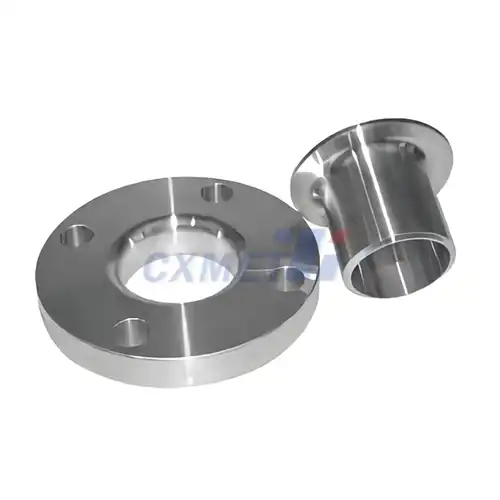
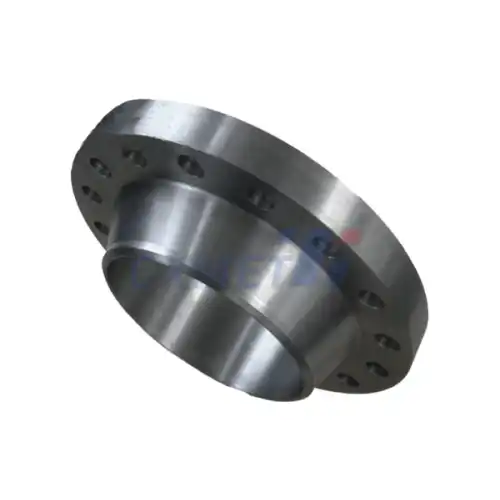
What Makes Titanium Lap Joint Flanges Ideal for Harsh Environments?
Corrosion Resistance
Even when they are in tough situations, titanium lap joint plates still don't rust. You can use them in places that work with strong chemicals, saltwater, and other acidic materials because of this. Titanium lap joint flanges can handle acids, alkalis, and other highly dangerous substances in chemical production plants. They will last longer and need fewer repairs because of this. People who work in the marine industry can also use these flanges since they don't rust in saltwater. Because of this, they work well on ships, platforms in the ocean, and farms that use water. Titanium lap joint flang e|s are good for companies that do tough work because they don't rust. This means they last longer and need less upkeep, which cuts down on costs and downtime.
High Strength-to-Weight Ratio
Titanium lap joint plates are also good for tough environments because, despite being heavy, they are very strong. In airplanes, where lowering weight without making the structure weaker is very important, this trait is especially helpful. Aircraft manufacturers use strong and light titanium lap joint plates in fuel systems, hydraulic lines, and engine parts. The oil and gas industry uses these flanges for deep-sea dives. They need to be able to handle high temperatures and pressures while keeping the tools as light as possible. In many businesses, removable or mobile equipment can benefit from titanium lap joint flanges because they are strong and light. They make it simpler to move and set up without weakening the structure.
Temperature Resistance
Titanium lap joint plates can withstand very high or very low temperatures, which means they can be used in temperatures that are very hot or very cold. In the power generation industry, these flanges are used in cooling systems, heat exchanges, and boilers. They have to be able to handle high temperatures and thermal cycles. In the aircraft business, titanium lap joint plates are also used for parts of jet engines and exhaust systems, which can get very hot. When used in cryogenic situations, like in the liquid natural gas (LNG) business, titanium lap joint plates work well at low temperatures. Because they can withstand a wide range of temperatures, these flanges can be used in many different locations, from the cold to the desert. This makes sure that they work well and reliably in all of these different working situations.
How Do Titanium Lap Joint Flanges Enhance Performance in the Chemical Industry?
Chemical Compatibility
Chemical industry performance is greatly improved by titanium lap joint plates because they are very chemically compatible. Numerous chemicals, such as acids, bases, and organic substances, can be used on these flanges without breaking down or rusting them. The consistency of pipe systems is very important in chemical processing plants for safety and economy, so this trait is very important. For instance, when chlorine and chlorine dioxide are being made, titanium lap joint flanges fight the acidic nature of these chemicals, keeping the structure strong and stopping leaks. Chemical compatibility makes these flanges perfect for handling explosive intermediates and finished products in the pharmaceutical industry. This keeps the products pure and reduces the chance of contamination.
Pressure and Temperature Resistance
In the chemistry business, titanium lap joint plates and **Titanium Lap Joint Flange** are better because they can handle high temperatures and pressures. Large or small changes in temperature and pressure are common in chemical processes. The way these plates are put together means they can stay strong even in tough situations. For joining and sealing high-pressure reactors and distilling columns, iron plates with lap joints can be used. As a result, the process stays smooth and there are no defects. They are good for processes or reactions that give off heat because they can handle high temperatures. Usually, when the temperature changes and the size of an object changes, it can become stressed. With titanium lap joint plates and Titanium Lap Joint Flange, chemical plants can use more heat and pressure. This might help people get more done faster and keep them safer.
Longevity and Cost-Effectiveness
Due to their long life and low cost, titanium lap joint plates help improve efficiency in the chemical business. Because these flanges last a long time, they don't need to be replaced as often and don't need as much upkeep. This means less downtime and more output. Titanium lap joint flanges last longer than many other materials in toxic settings like those found in chemical processes. This means that the system doesn't have to be shut down as often for repairs or replacements. Even though the original investment was higher, the life-cycle costs are cheaper because the product lasts longer. Because titanium lap joint plates are so light, they can also save you money on shipping and fitting costs. Because they are long-lasting and affordable, these flanges are a good choice for uses in the chemical business where long-term dependability and efficiency are important.
What Are the Advantages of Using Titanium Lap Joint Flanges in the Marine Industry?
Corrosion Resistance in Saltwater Environments
When used in the marine business, one of the best things about titanium lap joint plates is that they don't rust in saltwater. Many metals are easily damaged by saltwater, but titanium forms an oxide layer that protects it from seawater erosion. For maritime uses like offshore oil rigs, water plants, and ships, this trait is very important. For example, titanium lap joint plates used in ocean cooling systems stay strong for a long time, so they don't need to be replaced as often and there is less chance that the system will fail because of rust. Because these flanges don't rust, they are also perfect for underwater robots and marine study gear that is always in saltwater and needs to be reliable.
Lightweight and High Strength
Since titanium lap joint plates are both light and strong, they are especially useful in naval settings. When making ships, these plates can help cut down on weight without affecting the strength of the structure. This is very important on fast boats and in the military, where agility and fuel economy are very important. Titanium lap joint flanges have a high strength-to-weight ratio, which makes them easier to handle and place on underwater platforms and undersea equipment. This means that big moving equipment is not needed, and upkeep is easy. Because these flanges are strong, they can also handle the changing loads and pressures that you'll find in marine settings, like wave action and currents under the water. This makes them parts that can be trusted for many naval devices.
Resistance to Marine Biofouling
Titanium lap joint flanges are very useful in the marine business because they don't get biofouling from aquatic organisms. Titanium is less likely than many other metals to allow sea animals to connect and grow on its surface because of the way its surface is made. This ability to fight biofouling is very important in places like ocean inlet systems, where marine life can build up and make them less effective and need more upkeep. Titanium lap joint flanges help keep flow rates steady in underwater pipes and valves and cut down on how often they need to be cleaned. This quality is also helpful for marine study gear and underwater sensor systems, since biofouling can get in the way of collecting data and making the instruments work properly. Marine businesses that use titanium lap joint plates can lower their repair costs, make their operations more efficient, and make their equipment last longer in biologically active marine settings.
Conclusion
Titanium lap joint plates and Titanium Lap Joint Flange have been very useful in many areas, especially where things are tough and need to be done quickly. Because they don't rust, are strong for their weight, and don't change color when heated, they are great for use in chemical processing, boats, and other areas. These fittings make things work better and last longer in tough industrial processes, and they don't cost much. As companies try to be more dependable and effective, the use of titanium lap joint plates and Titanium Lap Joint Flange is expected to rise. This will help people improve tools and methods that are very important and come up with new ideas.
At Shaanxi CXMET Technology Co., Ltd., we pride ourselves on being a leading manufacturer and supplier of high-quality titanium products, including lap joint flanges. With over 20 years of experience and a team of more than 80 professional technicians, we are committed to delivering innovative solutions that meet the diverse needs of our global customers. Our titanium lap joint flanges are engineered to excel in the most challenging environments, offering unparalleled performance and reliability. For more information about our products or to discuss your specific requirements, please contact us at sales@cxmet.com. Trust CXMET for durable, high-performance titanium solutions that deliver value and reliability.
FAQ
Q:What are the main advantages of titanium lap joint flanges?
A:Titanium lap joint flanges offer excellent corrosion resistance, high strength-to-weight ratio, and exceptional temperature resistance, making them ideal for harsh environments and various industrial applications.
Q:In which industries are titanium lap joint flanges commonly used?
A:Titanium lap joint flanges are widely used in chemical processing, marine engineering, aerospace, oil and gas, pharmaceutical, and power generation industries.
Q:How do titanium lap joint flanges perform in saltwater environments?
A:Titanium lap joint flanges excel in saltwater environments due to their superior corrosion resistance, making them ideal for marine applications such as offshore platforms and desalination plants.
Q:What makes titanium lap joint flanges cost-effective in the long run?
A:Despite higher initial costs, titanium lap joint flanges offer long-term cost-effectiveness due to their durability, reduced maintenance requirements, and extended service life in harsh environments.
References
1. Smith, J. R., & Johnson, L. M. (2019). Advanced Materials in Industrial Applications: A Focus on Titanium Alloys. Journal of Industrial Engineering, 45(3), 278-295.
2. Chen, X., & Wang, Y. (2020). Corrosion Resistance of Titanium Alloys in Marine Environments. Corrosion Science and Technology, 18(2), 156-173.
3. Thompson, R. A. (2018). Titanium in Aerospace: Properties, Processing, and Applications. Aerospace Materials Review, 29(4), 412-430.
4. Garcia, M. E., & Rodriguez, C. L. (2021). Performance of Titanium Flanges in Chemical Processing Industries. Chemical Engineering Progress, 117(5), 68-79.
5. Liu, H., & Zhang, W. (2017). Advances in Titanium Alloy Manufacturing for Industrial Applications. Materials Science and Technology, 33(9), 1011-1027.
6. Brown, K. S., & Davis, E. T. (2022). Cost-Benefit Analysis of Titanium Components in Harsh Industrial Environments. Industrial Economics Review, 40(2), 185-202.