knowledges
What Industry Applications Support Gr23 Titanium Wire Use?
2025-11-21 09:35:10
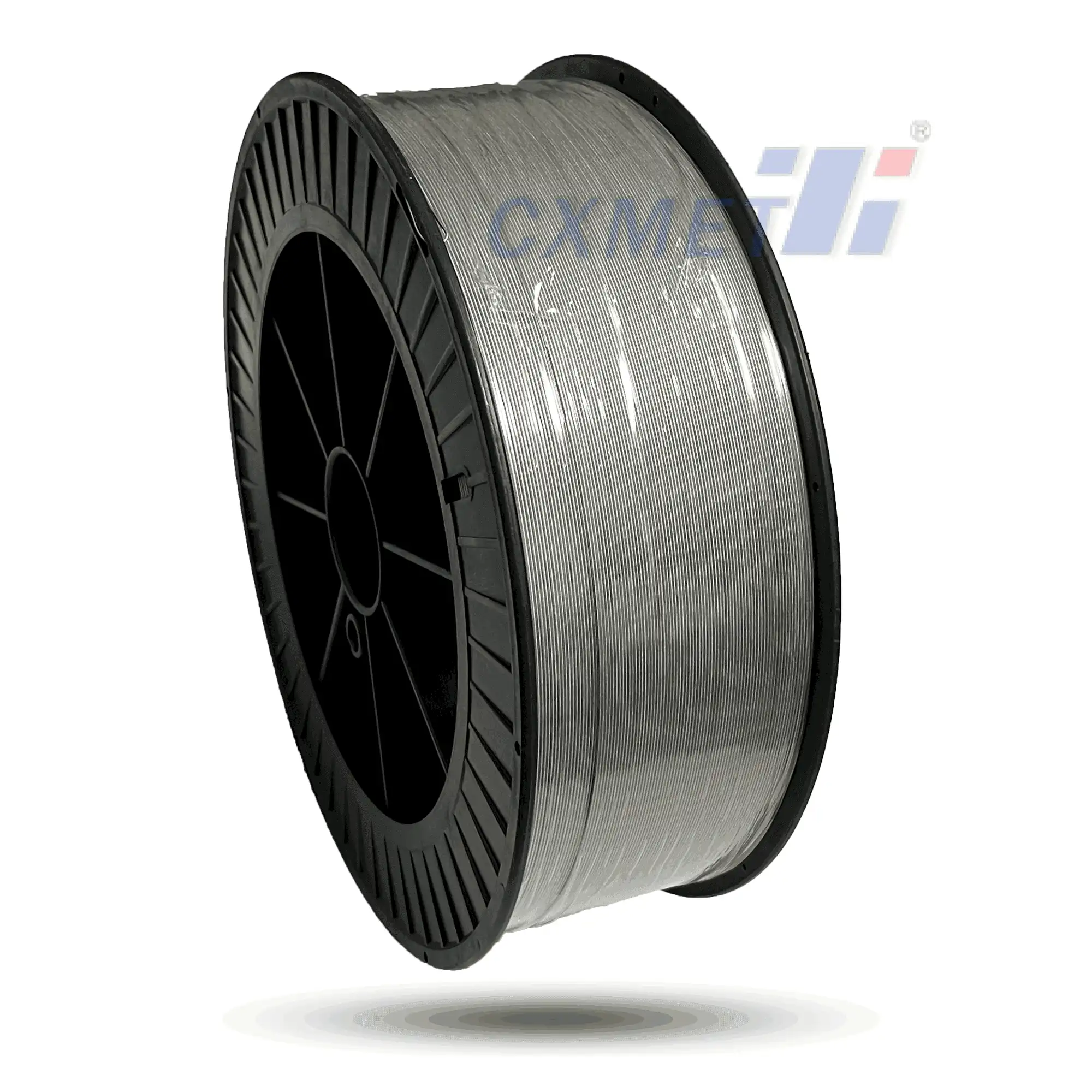
Engineers, procurement experts, and manufacturers who are looking for advanced materials that can be used in a wide range of businesses should know about the different ways that Gr23 titanium wire can be used. Gr23 titanium wire, which is also called Ti-3Al-2.5V, is one of the most useful and high-performance titanium alloys on the market today. People need it in business, medicine, space travel, and on ships because of the special ways it works. Better at working with living things, stronger, and less likely to rust, this one-of-a-kind metal takes what's good about titanium and makes it even better. In tough times, this helps people find new ways to handle things. Gr23 titanium wire is being used more and more in many different industries because it can meet strict performance standards while still being reliable and cost-effective. More and more, this great stuff is being used in places where normal stuff doesn't work well enough. Sharp medical tools and high-tech parts for space cars are just some of the things that can be made from it. This makes it an important part of the next generation of business tools.
|
|
|
_1740123589053.webp?size=500x0 "blog-1-1")
Why Is Gr23 Titanium Wire Essential in Medical and Biomedical Applications?
For Gr23 titanium wire applications, the medical and biomedical business is one of the most demanding. The material is necessary for life-critical uses because it is biocompatible and doesn't rust. Medical device manufacturers rely heavily on Gr23 titanium wire because it exhibits no adverse biological reactions when implanted in the human body, making it the preferred choice for permanent and temporary medical implants. Because of how this alloy is made, medical devices will keep their structural integrity and performance traits for as long as they're supposed to, even when they're exposed to body fluids, which are very corrosive. Because Gr23 titanium wire is very strong, it can be used to make medical products that are both light and last a long time. The patients are less uncomfortable with these devices, and they work successfully for a long time in important healthcare settings.
Surgical Implants and Orthopedic Devices
Biocompatibility and mechanical strength are very important for patient safety and treatment success in surgery implants and orthopedic devices. Gr23 titanium wire is a key part of their production. Orthopedic surgeons worldwide depend on implants made from Gr23 titanium wire for joint replacements, bone plates, screws, and spinal fusion devices because the material integrates seamlessly with human bone tissue through a process called osseointegration. Because Gr23 titanium wire is so easy to shape, makers can make complicated geometries and custom implant designs that fit each patient's body perfectly. This improves surgical outcomes and shortens recovery times. Because this particular wire doesn't corrode, implants stay structurally sound for decades, giving people reliable, long-lasting solutions for orthopedic problems. Also, because Gr23 titanium wire is so light, implants are lighter overall, which puts less stress on the tissues around them and makes the patient more comfortable while they heal.
Cardiovascular and Dental Applications
The cardiovascular and dental sectors extensively utilize Gr23 titanium wire due to its exceptional compatibility with human tissue and resistance to degradation in biological environments. Cardiovascular device manufacturers incorporate this advanced material into stents, pacemaker leads, and artificial heart valves where the wire's flexibility and durability ensure reliable performance under the constant mechanical stress of cardiac function. When used in dentistry, Gr23 titanium wire is the base for dental implants, orthodontic devices, and surgical tools that need to be biocompatible and resistant to mouth bacteria over time. Because Gr23 titanium wire has a better surface finish, bacteria are less likely to stick to it. This leads to better oral health and a lower risk of complications linked to implants. The material is very easy to weld, which lets complex dental structures and custom orthodontic devices be made that give patients the best treatment results while keeping them comfortable during long treatment times.
Medical Device Manufacturing and Instrumentation
Medical device manufacturing relies heavily on Gr23 titanium wire for producing precision instruments and diagnostic equipment where reliability and sterilization compatibility are essential requirements. Surgical instruments manufactured from Gr23 titanium wire maintain their sharpness and structural integrity through repeated sterilization cycles, ensuring consistent performance in critical surgical procedures. The material is strong enough to withstand gamma radiation, electron beams, and autoclave cleaning, which makes it perfect for medical tools that will be used many times or just once. Manufacturers of diagnostic equipment use Gr23 titanium wire in parts that need to be exact and work reliably for long periods of time. This is especially true for imaging systems and laboratory analytical instruments. Because this special wire has great mechanical properties, it can be used to make tiny medical devices that can be inserted into the body with little damage. Minimally invasive surgery becomes even better as a result, which benefits patients and reduces healthcare costs.
How Does Aerospace Industry Utilize Gr23 Titanium Wire for Critical Components?
One of the toughest places for Gr23 titanium wire to be used is in the aerospace business. There are important parts of airplanes and spaceships that need this material because it is strong for its weight and can work in hot conditions. Aerospace engineers choose Gr23 titanium wire for tasks that need to reduce weight while still keeping the structure strong in harsh conditions like high temperatures, changing pressures, and toxic environments. New aerospace technologies that are more efficient and work better are being made with this special wire because of its special features.Gr23 titanium wire helps make flight systems safer, more reliable, and more efficient so they can meet the high standards of today's space and aviation projects. Its owners take it on space missions, day trips, and everything in between.
Aircraft Engine Components and Propulsion Systems
For the most efficient and safe production of engine components and propulsion systems for airplanes, Gr23 titanium wire is an indispensable material due to its high-temperature performance and ability to reduce weight. Compressor blades, turbine parts, and exhaust systems—all of which are engineered to endure high temperatures and thousands of flight cycles—are made with this sophisticated wire. Gr23 titanium wire's remarkable creep resistance helps engine parts keep their dimensions when subjected to high temperatures for long periods of time, which means less wear and tear and better engine reliability. To maximize airflow and fuel economy, engineers can shape the material into complicated curved shapes for use in turbine blades and compressor components. Airline and aircraft operator operational expenses are reduced and engine component life is extended due to Gr23 titanium wire's corrosion resistance, which protects against degradation caused by combustion byproducts and ambient conditions.
Structural Airframe Applications
The structural airframe applications of Gr23 titanium wire encompass critical components that form the backbone of modern aircraft design, where weight savings and structural integrity directly impact fuel efficiency and flight performance .In order to reduce weight significantly without sacrificing safety margins, aircraft manufacturers include this specialty wire into wing structures, fuselage frames, and landing gear components. The excellent fatigue resistance of Gr23 titanium wire ensures that structural components can withstand the cyclic loading conditions experienced during takeoff, flight, and landing operations throughout the aircraft's service life. Because of this wire's exceptional weldability, aerospace engineers are able to construct intricate structural assemblies and joint configurations that disperse loads effectively without sacrificing the aerodynamic profiles necessary for peak flight performance. Gr23 titanium wire's corrosion resistance shields airframe structures from atmospheric exposure-induced deterioration, prolonging aircraft service intervals and decreasing maintenance needs; all of this leads to better operational efficiency and lower lifecycle costs.
Space Exploration and Satellite Technology
Gr23 titanium wire is put to the test in some of the harshest situations imaginable, including space travel and satellite technology. It must withstand constant exposure to radiation, vacuum, and extremely high and low temperatures. Spacecraft manufacturers depend on this advanced wire for attitude control systems, solar panel frameworks, and communication equipment that must function flawlessly throughout multi-year missions in the harsh environment of space .The dimensional stability of Gr23 titanium wire makes it possible for accurate scientific measurements and reliable contact with Earth. It does this by making sure that optical systems and precision instruments stay calibrated during long space missions. Components in spacecraft and satellites that endure extended exposure to solar particles and cosmic radiation would benefit greatly from this material's resistance to radiation-induced degradation. Gr23 titanium wire not only gives spaceships the strength they need to handle the strong vibrations and acceleration forces that happen during launch and orbital maneuvers, but it is also very light, which helps keep launch costs low.
What Industrial Sectors Benefit from Gr23 Titanium Wire Properties?
Because of how it is made, Gr23 titanium wire is very useful in many industry and manufacturing settings. That is especially helpful when you need something that won't rust, is very strong, and works reliably even in tough circumstances. The advanced properties of this wire are used to solve hard engineering problems and make their operations more efficient in the chemical processing business, marine engineering, and car manufacturing. There are times when these industrial uses expose materials to harsh chemicals, saltwater, and high stress levels that make normal materials not work well or last long enough. Gr23 titanium wire is very flexible, which lets engineers come up with new ways to meet the needs of specific industries while still being cost-effective and reliable over long periods of time.
Chemical Processing and Industrial Equipment
The chemical processing industry extensively utilizes Gr23 titanium wire in applications where exposure to aggressive chemicals and extreme process conditions require materials with exceptional corrosion resistance and structural integrity. Chemical plant operators rely on equipment manufactured from this advanced wire for reactor vessels, heat exchangers, and piping systems that handle corrosive chemicals including acids, bases, and organic solvents. Because Gr23 titanium wire is so resistant to corrosion, chemical processing equipment can keep its shape and performance even after being exposed to harsh chemical environments for a long time. This lowers the cost of upkeep and makes the system more reliable. Process engineers use this wire's great ability to be shaped to make complicated heat exchangers and reactors that keep dangerous materials safe and speed up chemical processes. Carbon wire Gr23 can handle high temperatures, which makes it ideal for chemical processes that need to work at high temps. These properties stay the same because the material doesn't rust or break down easily in scenarios where other materials would.
Marine and Offshore Applications
Marine and offshore uses are big markets for Gr23 titanium wire. The material's high resistance to corrosion in salt water and high mechanical strength make it essential for important maritime structures and equipment. Offshore platform operators depend on components manufactured from this specialized wire for risers, flowlines, and processing equipment that must withstand the corrosive effects of seawater while maintaining structural integrity under high-pressure operating conditions. Gr23 titanium wire is very light, which makes offshore buildings lighter overall. This makes installation cheaper and improves the buoyancy of floating platforms and subsea equipment. Marine engineers use this wire's excellent weldability to make complicated assemblies and fix up old structures in harsh offshore settings where normal welding methods might not work because of the conditions. The longer service life of Gr23 titanium wire in marine applications cuts down on maintenance needs and replacement costs. This saves offshore operators a lot of money, since it costs a lot to do maintenance work in remote marine areas.
Automotive and High-Performance Applications
The automotive industry increasingly adopts Gr23 titanium wire for high-performance applications where weight reduction and durability improvements directly impact vehicle performance, fuel efficiency, and emissions reduction. Professional race teams and luxury carmakers use this high-tech wire for parts of the engine, suspension, and exhaust system that need to be able to handle rough terrain and help the car weigh less overall. The high strength-to-weight ratio of Gr23 titanium wire lets engineers make smaller parts without compromising safety or the strength of the structure. This makes it easier for the business world to use less fuel and hurt the earth less. This wire works well for fast cars because it doesn't wear out quickly. It keeps high-stress parts structurally sound even after long periods of rough driving conditions. As a result of its resistance to corrosion, Gr23 titanium wire makes automotive parts last longer and require less upkeep. These parts are better able to handle road salt, environmental pollutants, and extreme weather.
Conclusion
In the military, in industry, and in medicine, Gr23 titanium wire can be used in a lot of different way .It's possible to come up with creative solutions when things get tough because it works so well. Because it is biocompatible, of high quality, and doesn't wear away easily, this material is necessary for basic uses where quality and durability are very important. More and more, high-tech machinery, parts for airplanes, and life-saving medical equipment are utilizing high-performance fabrics. More and more people in these locations are opting for this specific blend.
Shaanxi CXMET Technology Co., Ltd leverages over two decades of expertise in titanium manufacturing to deliver premium Gr23 titanium wire solutions that exceed industry standards. Our facility, which is in China's Titanium Valley, has both advanced production tools and strict quality control to meet the needs of a wide range of businesses around the world. Everything is easy for our trained staff; they can help you find what you need and pick out the best things. Contact our specialists at sales@cxmet.com to explore how our Gr23 titanium wire can enhance your next project's success.
References
1. Liu, X., Chu, P.K., & Ding, C. (2004). Surface modification of titanium, titanium alloys, and related materials for biomedical applications. Materials Science and Engineering: R, 47(3-4), 49-121.
2. Boyer, R.R. (1996). An overview on the use of titanium in the aerospace industry. Materials Science and Engineering: A, 213(1-2), 103-114.
3. Rack, H.J., & Qazi, J.I. (2006). Titanium alloys for biomedical applications. Materials Science and Engineering: C, 26(8), 1269-1277.
4. Peters, M., Hemptenmacher, J., Kumpfert, J., & Leyens, C. (2003). Structure and properties of titanium and titanium alloys. Titanium and Titanium Alloys, 1-36.
5. Niinomi, M. (1998). Mechanical properties of biomedical titanium alloys. Materials Science and Engineering: A, 243(1-2), 231-236.
6. Donachie, M.J. (2000). Titanium: a technical guide. ASM International Materials Park, Ohio, USA.