knowledges
What Machining or Welding Practices Suit Gr2 Titanium Wire?
2026-05-14 09:46:35
It is very important to use the right cutting and welding GR2 Titanium Wires techniques when working with GR2 Titanium Wires to keep the material's structure and get the best performance. To keep the job from getting too hard, the best method uses carbide or diamond-coated tools, limited cutting parameters, a lot of coolant, and slow cutting speeds (30 to 60 feet per minute on average). TIG (GTAW) welding is still the best way to join metals together. It uses high-purity argon as a cover and very little heat to keep the wire's mechanical and corrosion-resistant qualities. To keep both processes clean and strong, extra care must be taken to avoid contamination and weakening. For industrial uses to work, suppliers must offer expert knowledge and technical support.
|
|
|
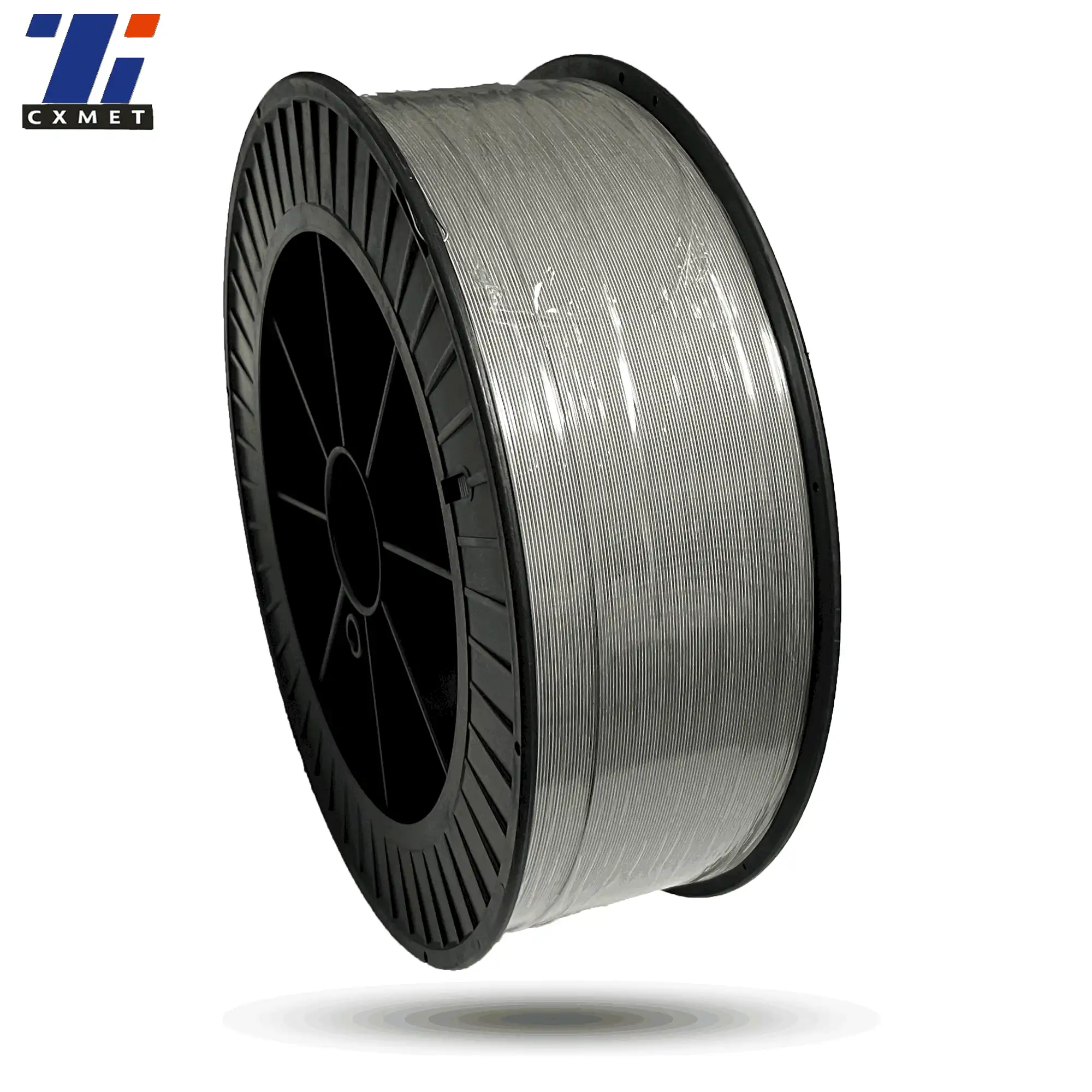
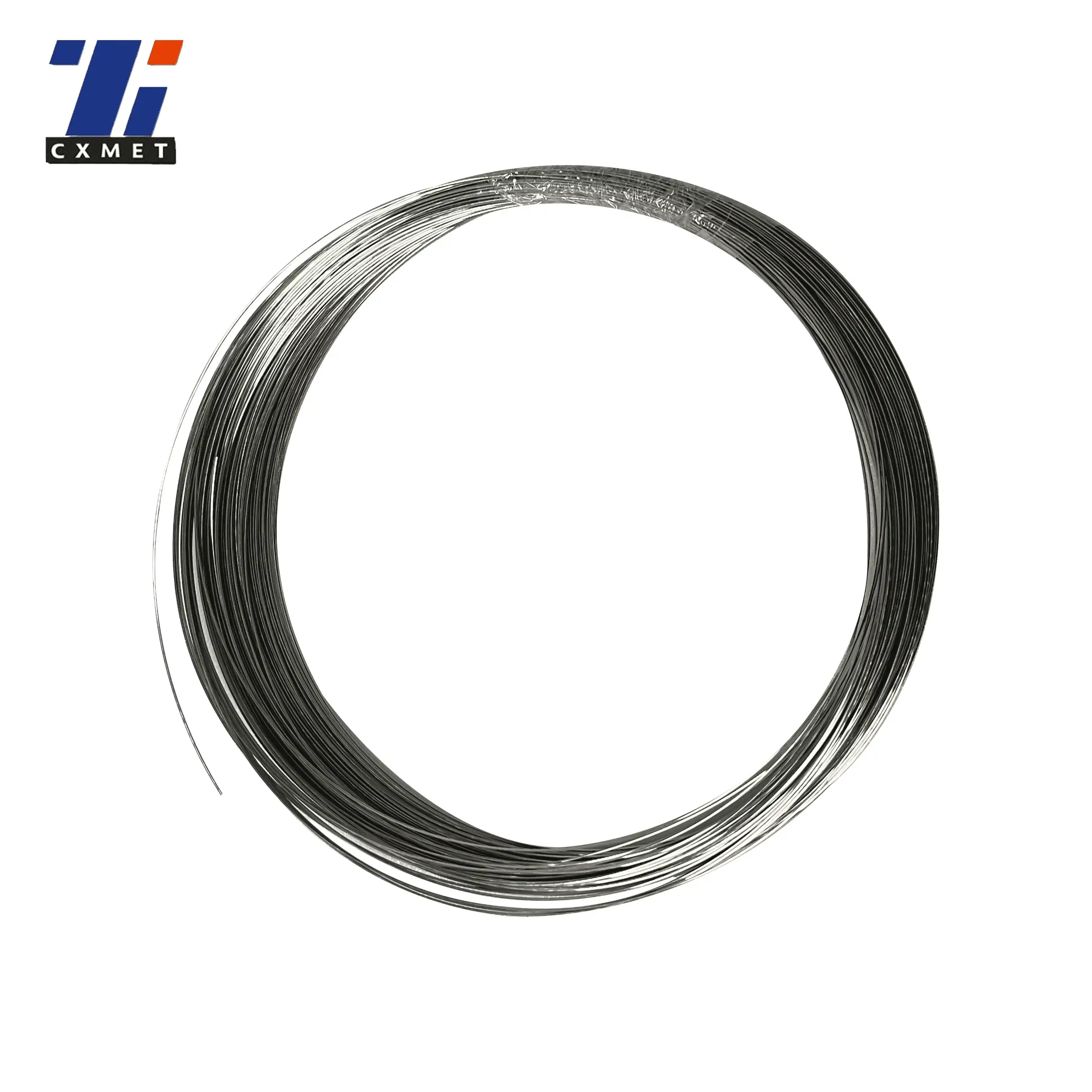
Understanding GR2 Titanium Wire: Properties and Suitability for Machining and Welding
Grade 2 commercially pure titanium is the most useful type of unalloyed titanium because it is the most flexible and has the best mix of strength, corrosion resistance, and formability. The alpha-phase crystal structure of the material is made up of 99.2% pure titanium and minor elements like oxygen, iron, carbon, nitrogen, and hydrogen that have been carefully managed. The minimum tensile strength of this mixture is 345 MPa, and it is also very flexible, which is very helpful when shaping complex geometries or making precise welds.
Chemical Composition and Mechanical Performance
Controlled amounts of impurities in Grade 2 titanium have a direct effect on both how it cuts and how well it welds. The oxygen level, which is usually kept between 0.15 and 0.25%, makes the material stronger without affecting its ability to be cold-worked, which is something that procurement managers value. The iron content stays below 0.30%, which stops the formation of a rigid intermetallic phase during heat processing. This exact chemical balance makes sure that made parts stay the same size and shape, and that welded joints always have the same penetration and fusion properties across production batches.
Industrial Relevance Across Demanding Sectors
Our GR2 Titanium Wires are used in dangerous places where failure of the material would have major effects. In chemical plants, these wires are used to make heated coil elements and fasteners that don't rust and can handle chloride amounts above 10,000 ppm at temperatures up to 80°C. They are used by aerospace engineers for airplane control lines and structural mesh reinforcements because they are 60% lighter than stainless steel, which directly improves fuel economy. Manufacturers of medical devices rely on biocompatibility for orthodontic archwires and surgical suture materials because the material doesn't cause an immune reaction when it's put in place for a long time.
Why Material Properties Drive Process Selection
Understanding these basic traits affects all decisions made later on about manufacturing methods. Because it doesn't conduct heat well (about 16 W/m·K), heat builds up at the cutting edges during machining, which speeds up tool wear if you don't use the right cooling techniques. Titanium tends to gall, which means that it sticks to cutting tools when they are under pressure. This means that the tools need to have certain shapes and surfaces treated. In the same way, titanium's chemical sensitivity above 400°C means that inert gas protection is needed during welding to stop oxygen and nitrogen from being absorbed, which would make the welds brittle and discolored, making them unusable for important uses.
Challenges in Machining and Welding GR2 Titanium Wire
When working with GR2 Titanium Wires, there are some unique challenges that GR2 Titanium Wires set it apart from common metals like stainless steel or aluminum alloys. The material has a high strength-to-weight ratio, which is good for service but makes manufacturing very difficult. Engineers often face problems like tools wearing out quickly, work hardening that they can't predict, and flaws caused by contamination that weaken the final component.
Thermal Management Complications
Titanium alloys don't transfer heat well, so heat builds up at the point where the tool meets the workpiece during machining. Titanium holds on to heat in certain areas, while copper and aluminum quickly lose the heat from cutting across the whole mass of the object. This event causes cutting edges to get hotter than 800°C, which softens carbide tools and speeds up crater wear. Measurements from industrial cutting trials show that when grinding titanium, tool life drops by 70% compared to when doing the same work on 304 stainless steel with the same conditions.
Chemical Reactivity and Contamination Risk
Titanium has a strong attraction to gases in the air when it is heated to high temperatures, like when welding. When oxygen is exposed above 400°C, it makes the alpha-case layer on the weld surfaces brittle. This makes the failure strength of final parts up to 50% lower. In the fusion zone, nitrogen pollution forms titanium nitride particles that are hard and brittle. Cracking can happen hours or days after welding is done because of hydrogen absorption. These ways of getting contaminated are why aircraft quality standards require inert gas to be used on the weld face, the root side, and the following zones until the metal temperature drops below 300°C.
Work Hardening and Galling Behavior
Titanium tends to work-harden when it is deformed, which makes continuous cutting difficult. As the cutting tools dig into the material, plastic deformation in the shear zone makes the layers below stronger, which raises the cutting forces for the next pass. This effect is especially bad for wire drawing, where going through smaller and smaller dies more than once can leave behind forces higher than 200 MPa. When protective oxide films break down under high contact pressures, titanium sticks to tool surfaces. This is called galling. Cutting tools end up with a built-up edge that leads to rough surfaces and wrong measurements that need more finishing steps, which raises the cost of production.
Recommended Machining Practices for GR2 Titanium Wire
To get accurate results when cutting GR2 Titanium Wires, you need to follow a set of steps that include using the right tools, setting the right parameters, and making sure the process is properly cooled. The methods described here are based on detailed real-world experience from factories that make aircraft parts and medical devices.
Tool Material Selection and Geometry
Carbide cutting grades with cobalt binder contents between 6 and 10 percent are hard enough to fight abrasive wear while still being tough enough to keep chips from forming. Submicron carbide grades that aren't coated work effectively in constant cutting processes. Coatings made of titanium aluminum nitride (TiAlN) can increase the life of tools by 200 to 300 percent by blocking heat and lowering friction. This is especially helpful when cutting is halted or the conditions are very rough. Even though they cost more at first, diamond-coated tools are the best choice for high-volume production because they last up to five times longer than untreated carbides. When working with titanium, the shape of the tool needs to be carefully thought out. When the rake angle is between 10° and 15°, chips form well without weakening the cutting edge. Relief angles between 7° and 10° keep the edge strong while preventing rubbing. Cutting edges that are very sharp and have honed radii of less than 0.001 inches produce the least amount of cutting force and heat. To keep from having to recut, which wears down tools very quickly, chip breaker shapes must allow chips to be emptied continuously.
Cutting Parameter Optimization
Cutting at speeds between 30 and 60 surface feet per minute keeps the tool and subject from getting too hot. To keep chip thickness and cutting forces stable, feed rates should stay modest. For turning activities, this means keeping feed rates between 0.002 and 0.006 inches per revolution. The depth of cut options rely on how rigid the process is, but numbers between 0.020 and 0.100 inches work well for most wire machining tasks. When working with steel, cutting speeds usually hit 300 to 500 feet per minute, which is very different from these numbers. Using coolant correctly for GR2 Titanium Wires turns out to be very important. High-pressure flood coolant systems send 20 to 40 gallons of coolant per minute straight to the cutting zone. These systems remove heat and flush away chips before they rejoin the object. At a concentration of 5–10%, soluble oil emulsions are strong enough to keep things moving smoothly while also protecting against rust. When they are available, through-spindle coolant delivery methods make sure that the coolant goes right to the area where chips are being formed, where the thermal loads are the highest.
Advanced Manufacturing Technologies
CNC precision machining tools can keep the diameter of wires within ±0.0005 inches over long lengths, which is exactly what is needed for medical and aircraft uses. Ultrasonic-assisted machining adds high-frequency waves to normal cutting motions. This lowers cutting forces by 30–40% and raises the surface finish to below 32 microinches. Laser cutting completely gets rid of the problem of tool wear, making it possible to make complicated shapes and tiny features that would not be possible with other methods. Pulsed fiber lasers with wavelengths close to 1070 nm can make clean cuts in wires as thin as 0.010 inches, leaving only 0.002 to 0.003 inches of heat damage around the edges of the cuts. In production settings, these advanced methods have been shown to be useful. By using ultrasonic-assisted drilling, a company that makes aircraft fasteners cut the amount of scrap metal from 12% to less than 3% and increased the life of their drills by 250%. A company that makes medical devices used laser micromachining to make orthodontic parts that were accurate to within ±0.0002 inches across production lots of more than 10,000 pieces.
Welding Techniques Suitable for GR2 Titanium Wire
To join GR2 Titanium Wires, you need welding methods that can precisely control the heat, completely block the atmosphere, and dilute the base metal as little as possible. In industries where weld integrity has a direct effect on product safety and performance, the methods explained here are the best ways to do things right now.
TIG (GTAW) Welding: The Industry Standard
Gas tungsten arc welding is still the most common way to join titanium wires together because it gives you great control over the heat input and the behavior of the joint pool. A non-consumable tungsten electrode is used to make an arc between the electrode and the workpiece. High-purity argon shielding gas (99.995% minimum purity) keeps the molten metal clean from airborne particles. For welding, the current level should be between 10 and 40 amps, the arc length should be kept between 0.060 and 0.125 inches, and the travel speeds should be changed so that the weld bead width is about 1.5 to 2 times the wire diameter. Trailing shield devices that reach 8 to 12 inches behind the weld torch keep the gas covering going as the metal cools through the 800-300°C temperature range, which is where oxidation happens most easily. Backing gas purges on the weld root side keep the bottom of through-penetration welds from oxidizing. When done right, TIG welding creates parts that are 90–100% as strong as the base metal, have great ductility, and prevent rust just like the unwelded material would.
Emerging High-Energy Beam Technologies
Laser beam welding creates narrow fusion zones with little heat distortion by concentrating energy levels above 10^6 W/cm². This quality is useful for putting thin-wall titanium parts together or making micro-welds in medical devices where heat-sensitive parts around the welds must not be affected. Pulsed Nd: YAG lasers and continuous-wave fiber lasers are both useful, but fiber lasers have better beam quality and use electricity more efficiently. At travel speeds of up to 60 inches per minute, weld entry depths of up to 0.125 inches are possible. This greatly increases production output compared to traditional TIG methods. Electron beam welding takes place in vacuum rooms and uses fast electrons to create heat by converting their kinetic energy to thermal energy. The vacuum setting completely removes any chance of pollution while still allowing very deep penetration—depth-to-width ratios of more than 20:1 are possible. Manufacturers in the aerospace industry use electron beam welding to make titanium wire mesh structures and complicated systems that are hard to get to with regular welding. The main problem is the high cost of the equipment and the slowdown in output caused by chamber pump-down processes between weld batches.
Critical Process Parameters and Quality Considerations
The quality of the weld is directly related to the cleanliness of the shielding gas. According to research, lowering the quality of argon from 99.995% to 99.9% raises the amount of oxygen in the weld from 0.08% to 0.15%, which is enough to make the weld look different and cut its fatigue life by 20%. Gas flow rates need to be carefully balanced—not enough flow lets air move into the shielded zone, while too much flow causes turbulence that pulls gases from the atmosphere into the shielded zone. For main torch covering, the best flow rates are usually between 15 and 25 cubic feet per hour, and for trailing shield flows, they should be between 20 and 30 CFH. Managing heat input stops grain growth and keeps the mechanical qualities of the material the same. When you put in too much energy, you get structures with coarse grains that are less flexible and resistant to pressure. The highest heat input for critical uses is usually between 10 and 15 kJ/inch for Grade 2 titanium. This can be found using the formula: Heat Input = (Voltage × Current × 60) / Travel Speed. Unlike higher-strength alloys, commercially pure titanium types don't need to be heated after they are welded very often. If you need to relieve stress, heating something to 480–650°C for 30–60 minutes will do the job without hurting its mechanical or corrosion resistance.
How to Choose the Right Supplier and Support for GR2 Titanium Wire Machining and Welding Needs
Different factors must be considered when choosing a GR2 titanium wire provider, not just comparing prices. Because of how complicated it is to machine and weld these materials, you need to work with makers that can prove they have the right skills, have strong quality systems, and care about your success throughout the whole product lifecycle.
Certification and Material Traceability Requirements
For aircraft, medical, and nuclear uses, procurement rules say that all of the materials must be fully traceable, from the raw ingot to the finished wire form. ISO 9001:2015 certification confirms the basic quality management system, while AS9100D certification handles unique needs in the aerospace business, such as managing configurations and preventing counterfeit parts. Medical device makers should make sure their products are compliant with ISO 13485, which sets up quality control systems that are in line with global market regulations. Each production lot must have a material test report that shows the chemical make-up using optical emission spectroscopy or ICP-MS analysis, the mechanical qualities like tensile strength and elongation, and the sizes of random sample populations. Heat lot traceability lets you quickly find the root cause of problems in the field, which is good for both the provider and the user. Shaanxi CXMET Technology Co., Ltd. uses full tracking systems that meet ASTM B863 and AMS 4951 standards. These systems keep full records from melting to final review.
Technical Expertise and Application Support
Supplier understanding of end-use applications has a direct effect on how well materials are chosen, GR2 Titanium Wires, and how well they are fabricated. Engineers can get better advice from providers who know about the operational stresses, environmental risks, and legal limits that apply to their business. This knowledge lets them make proactive suggestions about how to improve the wire thickness, the surface finish, and the tempering conditions that make the product easier to make while still meeting performance standards. Our scientific team has been working with titanium for more than twenty years in the medical, chemical, marine, and aircraft industries. We give application-specific advice on machining settings, help with developing welding procedures, and debug when output problems happen. This joint method cuts down on development times and the need for expensive trial-and-error testing when a new product is first being introduced.
Production Flexibility and Supply Chain Responsiveness
Companies that make things need suppliers that can handle both small quantities for prototypes and large amounts for full-scale production without affecting shipping times. Custom diameters from 0.010 to 0.250 inches can be made, so exact specifications can be met without having to waste material on extra processes. Different types of surface finishes, such as bright annealed, pickled, or ground conditions, can be used for a wide range of purposes, from medical instruments to chemical process equipment. Our 50,000-square-meter production plant keeps a lot of goods on hand so that orders can be filled quickly. During production ramp phases, when demand is high, our manufacturing capacity can be increased to meet it. You can get precision-wound spools in any size you need, protective packaging that keeps handling damage from happening during international shipping, and global operations coordination with real-time tracking visibility. Our dedication goes beyond just providing materials. It also includes technical advice, help with optimizing processes, and co-development partnerships that spur innovation in a wide range of industry settings.
Conclusion
To successfully machine and weld commercially pure GR2 Titanium Wires, you need to choose the right tools, make sure the process factors are adjusted, and come up with a plan for protecting the atmosphere. Because it doesn't rust, doesn't harm living things, and has reliable strength, this material is essential in the medical, chemical processing, marine, and aircraft industries. When you use careful cutting speeds, carbide and diamond-coated tools, and a lot of coolant, you can solve problems with machining. TIG welding with high-purity shielding gases makes parts that are reliable and free of contamination. When procurement teams work with experienced suppliers who offer full traceability, technical know-how, and flexible production options, these material problems can be turned into competitive advantages that help them deliver superior products that meet the strictest industry standards.
FAQ
1. Can GR2 titanium wire be machined using standard equipment designed for stainless steel?
With some changes, standard tools can work with Grade 2 titanium. The machine's stiffness is still good, but the cutting settings need to be changed a lot. For example, spindle speeds need to be slowed down by 70–80%, and high-pressure coolant systems with at least 20 GPM need to be installed. High-speed steel tools wear out too quickly, so the material used for them needs to be changed to carbide or coated types. Feed rates need to be carefully tweaked to keep work from getting too hard. After these changes, many facilities are able to safely machine titanium wire on current platforms.
2. What welding defects occur most frequently with commercially pure titanium wire?
The main cause of defects is atmospheric pollution, which shows up as discolored welds, weak alpha-case formation, and porosity. These problems happen because the protective gas clearance isn't good enough, the filler material is dirty, or there are surface oils. Hydrogen cracking can happen hours after welding is done if the base metal has too much hydrogen or moisture in it. Incomplete fusion happens when there isn't enough heat or when the joint isn't properly prepared. Without the right fixturing, distortion is a problem in thin parts. Most flaws can be eliminated by using full gas shielding, strict cleaning routines, and approved welding methods.
3. Is Grade 2 titanium suitable for biological implants that need to work well for a long time inside the body?
Grade 2 titanium is very biocompatible and has been used for a long time in dental implants, orthodontic devices, and surgical instruments. When put in physiological settings, the material doesn't kill cells, keeps steady oxide layers that stop ions from escaping, and doesn't rust. When making load-bearing orthopedic implants, Grade 5 titanium alloy (Ti-6Al-4V) is usually used because it is stronger. However, Grade 2 works just as well for non-structural medical uses because it is easier to shape and weld.
Partner with CXMET for Superior GR2 Titanium Wire Solutions
Shaanxi CXMET Technology Co., Ltd. sells high-quality, commercially pure GR2 Titanium Wires that are designed for tough welding and cutting jobs in the marine, aircraft, medical, and chemical processing industries. We have been making these wires for more than 20 years and have a lot of experience with the materials. We make sure that ASTM B863 and AMS 4951 standards are met throughout the whole production process, from choosing the raw materials to the final inspection. Our expert support team gives you application-specific advice on the best fabrication settings, helps you figure out what's wrong, and makes sure that the diameter specs are exactly what you need. Email our technical experts at sales@cxmet.com to talk about your project needs, get material certifications, or set up a review of a sample. We turn the unique properties of titanium into real competitive benefits for your industrial processes.
References
1. Donachie, M.J. (2000). Titanium: A Technical Guide, 2nd Edition. ASM International, Materials Park, Ohio.
2. Welsch, G., Boyer, R., and Collings, E.W. (1993). Materials Properties Handbook: Titanium Alloys. ASM International, Materials Park, Ohio.
3. American Society for Testing and Materials (2023). ASTM B863-23: Standard Specification for Titanium and Titanium Alloy Wire. ASTM International, West Conshohocken, Pennsylvania.
4. Aerospace Material Specification (2021). AMS 4951J: Titanium Alloy Wire, Commercially Pure, Annealed. SAE International, Warrendale, Pennsylvania.
5. Leyens, C. and Peters, M. (2003). Titanium and Titanium Alloys: Fundamentals and Applications. Wiley-VCH Verlag GmbH, Weinheim, Germany.
6. AWS Committee on Filler Metals (2018). AWS A5.16/A5.16M: Specification for Titanium and Titanium-Alloy Welding Electrodes and Rods. American Welding Society, Miami, Florida.