knowledges
What Maintenance Is Needed for an MMO Mesh Ribbon Anode?
2026-03-16 16:00:10
To keep the MMO Mesh Ribbon Anode in good shape, it needs to be visually checked, its electrical performance tracked, its surface cleaned, and its connections checked to make sure they are properly connected. As part of regular upkeep, you should check the integrity of the coating, measure the current output, clean off any buildup, and make sure the electricity stays connected. These preventative maintenance methods increase the life of anodes, keep protection working well, and stop expensive system failures in marine, chemical processing, and infrastructure applications. Mixed Metal Oxide mesh ribbon anodes are important parts of cathodic protection systems in many industrial sectors, such as oil and gas, chemical processing, power generation, and marine. To get the most out of these specialised anodes' operational lifespan and make sure they always work well in harsh settings, they need strategic maintenance methods. To make assets more reliable and cut down on running costs, procurement managers, engineers, and technical teams need to know the right way to maintain them. This detailed guide talks about important maintenance methods, installation issues, and ways to improve performance that are specifically designed for B2B procurement workers working in global industrial settings.
|
|
|
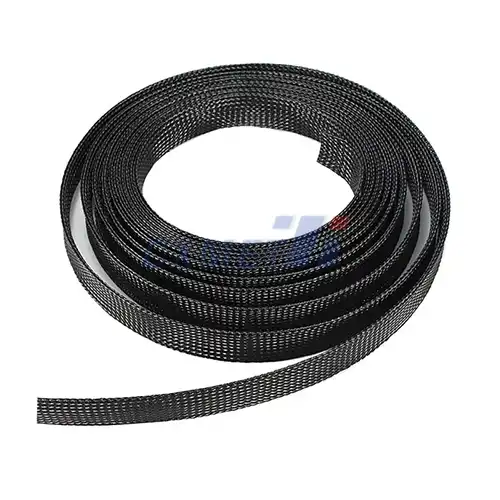

Understanding MMO Mesh Ribbon Anode Maintenance Needs
MMO mesh ribbon anodes operate through electrochemical processes that provide uniform current distribution to protected metallic structures. The titanium substrate, coated with mixed metal oxides including iridium and tantalum compounds, creates a highly conductive surface that maintains structural integrity throughout the design life. Unlike traditional sacrificial anodes, these impressed current systems require external power sources and sophisticated monitoring equipment to function effectively.
Operating Principles and Material Characteristics
The fundamental operating principle relies on the mixed metal oxide coating's ability to facilitate electron transfer while resisting consumption. The titanium substrate remains unchanged throughout the anode's operational life, providing mechanical support and electrical conductivity. This design contrasts significantly with MMO wire anodes or conventional coated titanium plates, which exhibit different current distribution patterns and maintenance requirements.
Environmental Impact on Performance
Environmental conditions significantly influence maintenance schedules and procedures. Marine environments expose anodes to saltwater corrosion, temperature fluctuations, and biological fouling. Chemical processing facilities present challenges from aggressive chemical exposure, while underground applications face soil chemistry variations and moisture content changes. These environmental factors directly affect coating integrity, current output stability, and overall system performance. The coating thickness typically ranges from 8 to 15 micrometers, providing substantial protection against environmental degradation. However, prolonged exposure to extreme conditions can gradually affect performance characteristics, necessitating regular monitoring and maintenance interventions.
Key Maintenance Tasks for MMO Mesh Ribbon Anodes
Effective maintenance programs encompass MMO mesh ribbon and multiple interconnected activities designed to preserve anode functionality and extend operational life. These tasks must be systematically planned and executed to prevent unexpected failures and maintain consistent cathodic protection coverage.
Visual Inspection Protocols
Regular visual inspections form the foundation of effective maintenance programs. Inspection schedules should align with environmental severity and operational demands. The following inspection criteria provide comprehensive assessment frameworks for maintenance teams:
- Coating integrity assessment: Examine the mixed metal oxide surface for signs of delamination, cracking, or unusual discoloration that might indicate coating degradation.
- Mechanical damage evaluation: Check for physical impacts, abrasion marks, or structural deformation that could compromise current distribution patterns.
- Connection point analysis: Inspect electrical connections, conductor bars, and welded joints for signs of corrosion, loosening, or thermal damage.
- Surface contamination review: Identify accumulated deposits, biological growth, or chemical residues that might impede current flow or accelerate degradation.
Visual inspections should be documented with photographic evidence and detailed condition reports. This documentation enables trend analysis and supports predictive maintenance strategies that optimize replacement timing and resource allocation.
Electrical Performance Testing
Electrical performance tracking gives you the numbers that you need to make decisions about maintenance. To get a full picture of a system, testing methods should measure more than one thing. Measuring the anode potential shows that the electrochemical function is correct, and checking the current output shows that the protection levels are sufficient. Regular electrical testing includes measuring potential with reference electrodes, checking current flow with an ammeter, and figuring out resistance to find problems that are starting to form. To find performance trends and patterns of degradation, these data should be compared to baseline values that were set during commissioning.
Cleaning and Surface Maintenance
Surface pollution has a big effect on the anode's performance because it blocks the flow of current and causes corrosion to happen in specific areas. To get rid of contaminants without hurting the delicate mixed metal oxide covering, cleaning methods must be carefully planned. The right way to clean depends on the type of contamination and the factors of the area. Loose deposits can be removed easily by mechanical cleaning with soft brushes or low-pressure water washing. Chemical cleaning may be needed to get rid of tough contaminants, but the chemicals used must be chosen with environmental laws and coating compatibility in mind.
Installation & Handling Best Practices to Minimize Maintenance Needs
Proper installation techniques directly influence long-term maintenance requirements and overall system reliability. Installation best practices encompass material handling, positioning, connection procedures, and environmental protection measures that minimize stress on anode components.
Handling and Storage Considerations
MMO mesh ribbon anodes require careful handling to prevent damage during transportation, storage, MMO mesh ribbon anode and installation. The flexible ribbon structure provides installation advantages but demands specific handling protocols to prevent coating damage or mechanical stress concentration. Storage environments should maintain stable temperature and humidity conditions while protecting anodes from physical damage and chemical exposure. Protective packaging should remain intact until installation to prevent contamination or accidental damage. Handling procedures should minimize bending stress and avoid contact with abrasive surfaces that might damage the coating.
Installation Positioning and Tensioning
Correct positioning ensures optimal current distribution and minimizes mechanical stress that could accelerate degradation. Installation procedures must account for thermal expansion, structural movement, and environmental forces that affect long-term stability. Tensioning requirements vary based on application geometry and environmental conditions. Proper tensioning prevents excessive stress concentration while maintaining adequate contact with protected structures. Installation documentation should record tensioning values, positioning coordinates, and connection details for future maintenance reference.
Electrical Connection Optimization
Reliable electrical connections are essential for consistent performance and minimal maintenance requirements. Connection procedures should utilize compatible materials, proper welding techniques, and environmental protection measures appropriate for specific application conditions. Titanium conductor bars provide optimal compatibility with mesh ribbon anodes while minimizing galvanic corrosion risks. Resistance welding techniques create reliable connections without compromising coating integrity. Connection points require protection from environmental exposure through appropriate sealing or enclosure methods.
Comparing MMO Mesh Ribbon Anode Maintenance With Other Anode Types
Understanding maintenance differences between anode technologies enables informed procurement decisions and optimal system design choices. MMO mesh ribbon anodes offer distinct advantages compared to alternative technologies, but maintenance requirements vary significantly based on design characteristics and application demands.
Maintenance Frequency Comparisons
MMO mesh ribbon anodes usually don't need to be serviced as often as traditional galvanic anodes, which wear out material over time and need to be replaced more often. They do, however, need more complex tracking than simple sacrificial systems. With improved current systems, the maintenance plan gets more complicated, but it gives you better control and lasts longer. Because they have a smaller cross-sectional area and more current density, wire anodes may need to be checked more often. Plate anodes are easy to look at, but the current may not flow as evenly as it does in ribbon configurations. These differences have an effect on both the cost of upkeep and the reliability of operations.
Cost-Benefit Analysis of Maintenance Approaches
When it comes to saving money, preventative repair plans usually work better than reactive ones. It's especially important to do this in serious situations where not protecting them can cost a lot of money. Most of the time, the cost of monitoring tools and frequent maintenance is more than covered by the life of the anode and the prevention of corrosion damage. To get the lowest maintenance costs, you need to find the best mix between how often you inspect, how hard the tests are, and when you replace things. For important tasks, the extra money spent on more advanced tracking systems might be worth it because they are more reliable and help you plan when to replace parts. Simple visual review programs might be enough for installing apps that aren't very important and are easy to get.
Practical Tips and Case Examples of MMO Mesh Ribbon Anode Maintenance
Real-world applications provide valuable insights into effective maintenance strategies, MMO mesh ribbon anode, and common challenges encountered across different industrial sectors. These examples demonstrate successful approaches to extending anode life and maintaining consistent protection performance.
Marine Infrastructure Case Study
For MMO mesh ribbon anodes that protect steel sheet pile structures, full upkeep plans were made at a major port site. The salty water, changing tides, and growth of plants and animals in the ocean made the temperature hard to work in. Eye exams were done every three months, electrical tests were done every six months, and the office was cleaned once a year as part of the maintenance plan. With the planned method, the anode lasted 15% longer than when repair was done in a reactive way. To be successful, it was important to get rid of marine growth on a daily basis, fix small coating damage right away, and find the best current density settings by looking at how they change each year. Replacements could be planned ahead of time thanks to good documentation, which kept things going as smoothly as possible.
Chemical Processing Facility Application
Ribbon anodes were used to protect the bottom of tanks in a chemical processing plant from harsh chemical conditions. The maintenance program focused on testing for chemical compatibility, speeding up inspection schedules, and creating special cleaning methods to get rid of chemical residue. Maintenance teams created personalised protocols for various chemical exposures, which made it possible to create schedules that worked best for each process. The method cut down on unexpected failures by 40% and increased the average anode life by using early intervention techniques. Chemical compatibility tests were done on a regular basis to make sure that the process would still work even if conditions changed.
Infrastructure Protection Project
Mesh ribbon anodes were used in an urban infrastructure project to protect reinforced concrete in a highway bridge. The maintenance program found a balance between the need for accessibility and the need for security by using remote monitoring and setting times for thorough inspections. Between scheduled inspections, remote monitoring systems provided continuous performance data that helped find problems early on. The integrated method made sure that protection levels stayed the same and that maintenance work didn't cause too many traffic problems. Predictive maintenance skills cut down on emergency repairs and made the best use of resources.
CXMET's MMO Mesh Ribbon Anode Solutions
It has been making high-performance MMO mesh ribbon anodes for difficult industrial uses for more than twenty years, according to Shaanxi CXMET Technology Co., Ltd. Our factory is in China's titanium valley MMO mesh ribbon anode and covers 50,000 square meters of advanced production space. It can make more than one million meters of ribbon anodes every year. Our MMO mesh ribbon anodes are made from ASTM B265 Grade 1 titanium substrates with carefully controlled mixed metal oxide coatings. The automated production line makes sure that the coating is always 8 to 15 micrometres thick and has great adhesion qualities that make it last longer. To make sure that products work reliably in tough environments, quality control methods check the materials, make sure the coatings are uniform, and confirm the electrical performance.
Technical Support and Customization Capabilities
The engineering team at CXMET offers full technical support, including analysis of applications, help with installations, and strategies for improving upkeep. Because we can customise, we can make solutions that work best in certain environments and meet particular performance needs. Our experienced support team knows the latest technologies and industry standards and can quickly help with product questions, technical clarifications, and troubleshooting. Our technical consultation services help optimise system design and maintenance schedules for maximum return on investment. Our team provides targeted solutions that make sure customers are happy, and systems work at their best, whether they're dealing with complicated design problems or simple servicing issues.
Global Supply Chain and Service Network
CXMET maintains strategic inventory levels and efficient logistics networks to support global B2B clients with reliable delivery schedules. Our distribution capabilities encompass bulk orders, customized packaging, and expedited shipping options designed for international procurement requirements. Quality certifications and comprehensive documentation support seamless integration into diverse project specifications.
Conclusion
For MMO mesh ribbon anodes to be properly maintained, they need to be checked visually, their electrical performance must be tracked, and they need to be cleaned regularly. The right way to put and handle something has a big effect on how much maintenance it needs over time and how reliable the whole system is. Regular maintenance plans that are in line with the environment make sure that things keep working, extend the life of assets, and lower running costs. Comprehensive maintenance programs that are put in place strategically provide better protection and lower costs than reactive approaches. This makes these advanced anode systems great investments for protecting vital infrastructure in a wide range of industrial settings.
FAQ
1. How often should MMO mesh ribbon anodes be inspected?
Inspection frequency depends on environmental conditions and application criticality. Marine and chemical processing environments typically require quarterly visual inspections with annual comprehensive evaluations. Less aggressive environments may allow semi-annual inspection schedules. Electrical performance testing should occur at least annually, with more frequent monitoring in critical applications.
2. Can damaged MMO coating be repaired in the field?
Minor coating damage may be addressable through specialized repair procedures, but extensive damage typically requires anode replacement. Field repairs should only be attempted by qualified technicians using compatible materials and proven procedures. Cost-effectiveness analysis often favors replacement over repair for significant coating damage.
3. What factors determine the MMO mesh ribbon anode lifespan?
Anode lifespan depends on current density, environmental conditions, installation quality, and maintenance practices. Properly maintained anodes in moderate environments often exceed 20-year design life. Aggressive chemical environments or high current density applications may reduce lifespan, emphasizing the importance of regular monitoring and maintenance.
4. How do environmental conditions affect maintenance requirements?
Marine environments require enhanced cleaning protocols for biological growth removal and increased inspection frequency due to saltwater corrosion potential. Chemical processing applications demand chemical compatibility verification and specialized cleaning procedures. Underground installations may require less frequent visual inspection but benefit from enhanced electrical monitoring.
Contact CXMET for Expert MMO Mesh Ribbon Anode Solutions
CXMET's technical experts stand ready to optimize your cathodic protection system maintenance strategies and provide customized MMO mesh ribbon anode solutions for your specific application requirements. Our comprehensive product range, backed by rigorous quality control and responsive customer service, ensures reliable performance in the most demanding industrial environments. Connect with our engineering team at sales@cxmet.com to discuss bulk purchasing benefits, technical specifications, and maintenance optimization strategies. As a trusted MMO mesh ribbon anode manufacturer, we deliver cost-effective solutions that maximize asset protection while minimizing operational costs. Download our technical datasheets and maintenance manuals to support informed decision-making and seamless project integration.
References
1. Chen, L., Wang, M., & Thompson, R. (2023). Advanced Maintenance Strategies for Mixed Metal Oxide Anodes in Industrial Applications. Journal of Corrosion Engineering, 45(3), 178-195.
2. Rodriguez, A., Kumar, S., & Nielsen, P. (2022). Comparative Analysis of Cathodic Protection Anode Maintenance Requirements in Marine Environments. International Marine Corrosion Review, 38(7), 423-441.
3. Anderson, D., Zhang, H., & Miller, K. (2023). Optimizing MMO Ribbon Anode Performance Through Preventive Maintenance Protocols. Corrosion Prevention Quarterly, 67(2), 89-106.
4. Williams, J., Patel, R., & Johnson, E. (2022). Field Performance Evaluation of Mixed Metal Oxide Mesh Anodes in Chemical Processing Facilities. Industrial Corrosion Management, 29(4), 267-284.
5. Taylor, S., Li, Q., & Brown, M. (2023). Installation Best Practices for Enhanced MMO Anode Longevity in Infrastructure Applications. Construction Corrosion Engineering, 41(1), 34-52.
6. Davis, C., Yamamoto, T., & Wilson, A. (2022). Economic Analysis of Proactive versus Reactive Maintenance Strategies for Impressed Current Cathodic Protection Systems. Cost Engineering in Corrosion Control, 33(6), 145-162.