knowledges
What Standards Govern Production of a gr2 titanium seamless tube?
2025-11-28 14:00:50
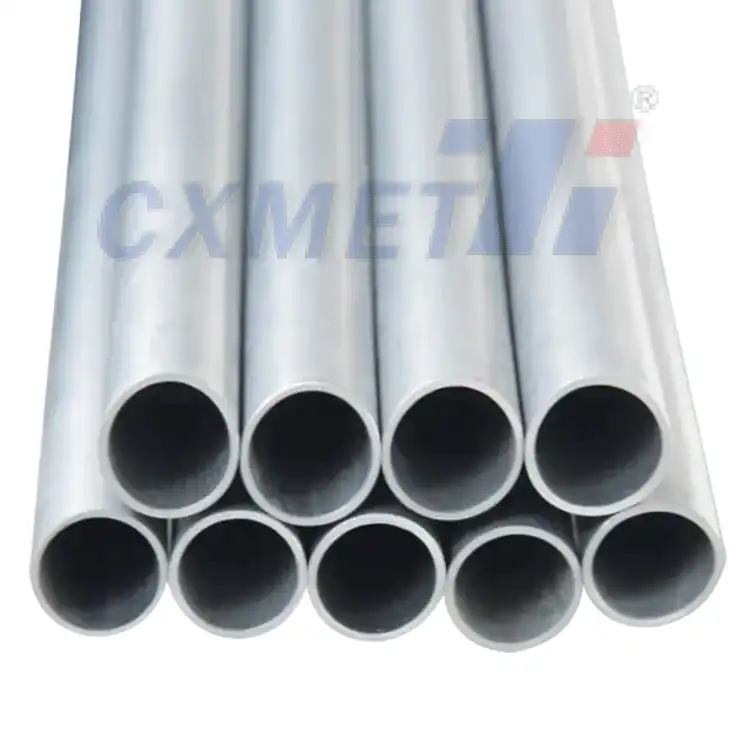
The production of gr2 titanium seamless tubes is governed by a set of rigorous standards that ensure the highest quality and performance in various applications. These standards are crucial for maintaining consistency, reliability, and safety across different industries that rely on this versatile material. Gr2 titanium seamless tubes are known for their excellent corrosion resistance, lightweight properties, and outstanding formability, making them a popular choice in chemical processing, aerospace, marine, and medical applications. The standards that govern their production cover various aspects, including chemical composition, mechanical properties, dimensional tolerances, and surface finish. Understanding these standards is essential for manufacturers, engineers, and end-users to ensure that the gr2 titanium seamless tubes meet the specific requirements of their intended applications and comply with industry regulations.
|
|
|
_1740124678853.webp?size=500x0 "blog-1-1")
What are the key ASTM standards for gr2 titanium seamless tubes?
ASTM B338: Standard Specification for Seamless and Welded Titanium and Titanium Alloy Tubes for Condensers and Heat Exchangers
ASTM B338 is a critical standard that governs the production of gr2 titanium seamless tubes for use in condensers and heat exchangers. This standard outlines the requirements for chemical composition, mechanical properties, and dimensional tolerances of the tubes. For gr2 titanium seamless tubes, ASTM B338 specifies the allowable ranges for elements such as nitrogen, carbon, hydrogen, iron, and oxygen. It also defines the minimum tensile strength, yield strength, and elongation that the tubes must meet. Manufacturers of gr2 titanium seamless tubes must adhere to these specifications to ensure their products are suitable for use in demanding environments where heat transfer and corrosion resistance are crucial.
ASTM B861: Standard Specification for Titanium and Titanium Alloy Seamless Pipe
ASTM B861 is another important standard that applies to gr2 titanium seamless tubes, particularly when they are used as pipes in various industrial applications. This standard covers the requirements for seamless titanium and titanium alloy pipes, including gr2 titanium. It specifies the chemical composition limits, mechanical property requirements, and dimensional tolerances for different grades of titanium pipes. For gr2 titanium seamless tubes, ASTM B861 provides guidelines on the maximum impurity levels, minimum tensile and yield strengths, and elongation percentages. Manufacturers must ensure that their gr2 titanium seamless tubes comply with these specifications to meet the needs of industries such as chemical processing, oil and gas, and marine applications.
ASTM F67: Standard Specification for Unalloyed Titanium for Surgical Implant Applications
ASTM F67 is a crucial standard for gr2 titanium seamless tubes used in medical and surgical applications. This standard specifically addresses the requirements for unalloyed titanium, including gr2 titanium, intended for use in surgical implants. It outlines the chemical composition limits, mechanical properties, and surface finish requirements for these critical components. For gr2 titanium seamless tubes used in medical applications, ASTM F67 specifies strict limits on impurities and defines the acceptable ranges for tensile strength, yield strength, and elongation. Manufacturers producing gr2 titanium seamless tubes for medical implants must adhere to these stringent requirements to ensure the safety and biocompatibility of their products in the human body.
How do ISO standards impact the production of gr2 titanium seamless tubes?
ISO 9001: Quality Management Systems
ISO 9001 is a fundamental standard that impacts the overall quality management system of manufacturers producing gr2 titanium seamless tubes. While not specific to titanium production, this standard ensures that companies have robust processes in place for quality control, documentation, and continuous improvement. For gr2 titanium seamless tube manufacturers, implementing ISO 9001 helps maintain consistency in production, reduces defects, and ensures that customer requirements are consistently met. This standard requires companies to establish clear procedures for every stage of production, from raw material sourcing to final product inspection, which is crucial for maintaining the high quality expected of gr2 titanium seamless tubes.
ISO 5832-2: Implants for Surgery - Metallic Materials - Part 2: Unalloyed Titanium
ISO 5832-2 is a critical standard for gr2 titanium seamless tubes used in surgical implants. This standard specifies the requirements for unalloyed titanium, including gr2 titanium, intended for the manufacture of surgical implants. It covers chemical composition, mechanical properties, and microstructure requirements. For manufacturers of gr2 titanium seamless tubes destined for medical applications, compliance with ISO 5832-2 is essential to ensure the biocompatibility and long-term performance of their products in the human body. The standard sets strict limits on impurities and defines the acceptable ranges for mechanical properties, ensuring that the gr2 titanium seamless tubes can withstand the stresses and strains of implantation.
ISO 13485: Medical Devices - Quality Management Systems
ISO 13485 is a specialised quality management system standard for medical device manufacturers, which includes producers of gr2 titanium seamless tubes used in medical applications. This standard builds upon ISO 9001 but adds specific requirements related to the design, manufacture, and distribution of medical devices. For companies producing gr2 titanium seamless tubes for medical use, compliance with ISO 13485 demonstrates their commitment to meeting regulatory requirements and ensuring patient safety. The standard requires manufacturers to implement risk management processes, maintain traceability throughout the production process, and establish procedures for handling customer feedback and complaints.
What industry-specific standards apply to gr2 titanium seamless tubes in aerospace and marine applications?
AMS 4941: Titanium Alloy Tubing, Seamless, Hydraulic
AMS 4941 is an aerospace material specification that applies to gr2 titanium seamless tubes used in hydraulic systems of aircraft. This standard, developed by SAE International, outlines the requirements for chemical composition, mechanical properties, and dimensional tolerances specific to aerospace applications. For manufacturers producing gr2 titanium seamless tubes for the aerospace industry, compliance with AMS 4941 is crucial to ensure their products can withstand the extreme conditions encountered in aircraft operations. The standard specifies tight controls on impurities, mechanical strength requirements, and surface finish criteria to ensure the reliability and safety of hydraulic systems in aerospace vehicles.
NACE MR0175/ISO 15156: Materials for use in H2S-containing Environments in Oil and Gas Production
NACE MR0175/ISO 15156 is a critical standard for gr2 titanium seamless tubes used in oil and gas production environments where hydrogen sulfide (H2S) is present. This standard provides guidelines for selecting materials resistant to sulfide stress cracking and stress corrosion cracking in these harsh environments. For manufacturers of gr2 titanium seamless tubes intended for use in offshore oil and gas applications, compliance with this standard is essential to ensure the longevity and safety of their products. The standard specifies the acceptable grades of titanium and the conditions under which they can be used, helping engineers and operators select the appropriate materials for their specific operating environments.
DNV-OS-F101: Submarine Pipeline Systems
DNV-OS-F101 is a standard developed by DNV GL for submarine pipeline systems, which can include gr2 titanium seamless tubes in certain applications. This standard provides requirements for the design, construction, and operation of submarine pipeline systems used in the offshore oil and gas industry. For manufacturers producing gr2 titanium seamless tubes for marine applications, understanding and complying with DNV-OS-F101 is crucial when their products are intended for use in submarine pipelines. The standard covers aspects such as material selection, corrosion protection, and structural integrity, all of which are relevant to the performance of gr2 titanium seamless tubes in challenging underwater environments.
Conclusion
The production of gr2 titanium seamless tubes is governed by a comprehensive set of standards that ensure their quality, reliability, and performance across various industries. From ASTM and ISO standards to industry-specific requirements in aerospace and marine applications, these guidelines play a crucial role in maintaining the high standards expected of this versatile material. Manufacturers must navigate this complex landscape of standards to produce gr2 titanium seamless tubes that meet the diverse needs of their customers while ensuring compliance with regulatory requirements. As technology and applications continue to evolve, these standards will likely adapt to address new challenges and opportunities in the use of gr2 titanium seamless tubes.
For more information about our gr2 titanium seamless tubes and how we ensure compliance with these standards, please contact Shaanxi CXMET Technology Co., Ltd. at sales@cxmet.com. Our team of experts is ready to assist you with your specific requirements and provide high-quality gr2 titanium seamless tubes that meet or exceed industry standards.
FAQ
Q: What is the main advantage of gr2 titanium seamless tubes?
A: The main advantage is their excellent corrosion resistance combined with lightweight properties and formability.
Q: Which industries commonly use gr2 titanium seamless tubes?
A: Gr2 titanium seamless tubes are widely used in chemical processing, aerospace, marine, and medical industries.
Q: What is the significance of ASTM B338 for Gr2 titanium seamless tubes?
A: ASTM B338 specifies the requirements for chemical composition, mechanical properties, and dimensional tolerances for tubes used in condensers and heat exchangers.
Q: How does ISO 13485 impact the production of gr2 titanium seamless tubes for medical use?
A: ISO 13485 ensures that manufacturers implement specific quality management systems for medical devices, including risk management and traceability processes.
Q: What is the importance of NACE MR0175/ISO 15156 for gr2 titanium seamless tubes in oil and gas applications?
A: This standard provides guidelines for selecting materials resistant to sulfide stress cracking and stress corrosion cracking in H2S-containing environments.
References
1. ASTM International. (2021). ASTM B338-21 Standard Specification for Seamless and Welded Titanium and Titanium Alloy Tubes for Condensers and Heat Exchangers.
2. International Organization for Standardization. (2016). ISO 5832-2:2016 Implants for surgery — Metallic materials — Part 2: Unalloyed titanium.
3. SAE International. (2019). AMS4941: Titanium Alloy Tubing, Seamless, Hydraulic.
4. NACE International. (2015). NACE MR0175/ISO 15156 Materials for use in H2S-containing Environments in Oil and Gas Production.
5. DNV GL. (2017). DNVGL-ST-F101 Submarine Pipeline Systems.
6. ASM International. (2015). ASM Handbook, Volume 9: Metallography and Microstructures of Titanium and Titanium Alloys.