knowledges
What Standards Govern Titanium Plate Target Specifications?
2026-04-09 15:42:30
Plate targets made of titanium are important parts in many fields, from aircraft to medicine. Rigid Titanium Plate Target rules are used to make sure that the quality, uniformity, and dependability of these high-performance materials. It is important for manufacturers, researchers, and end users to understand the rules that control titanium plate target specifications. These guidelines cover a lot of different factors, such as levels of purity, physical dimensions, surface finish, and chemical makeup. As technologies and uses change, these standards have to change too. Groups like ASTM International and ISO are very important in making and keeping these standards up to date. This piece goes into detail about the main standards that govern the target specifications for titanium plates. It also talks about how important these standards are for keeping product quality and performance high across many industries.
|
|
|
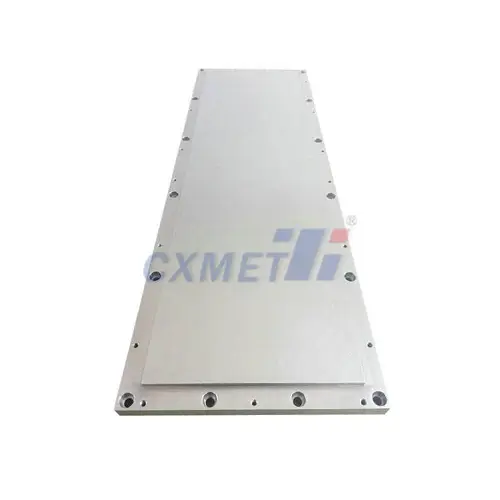
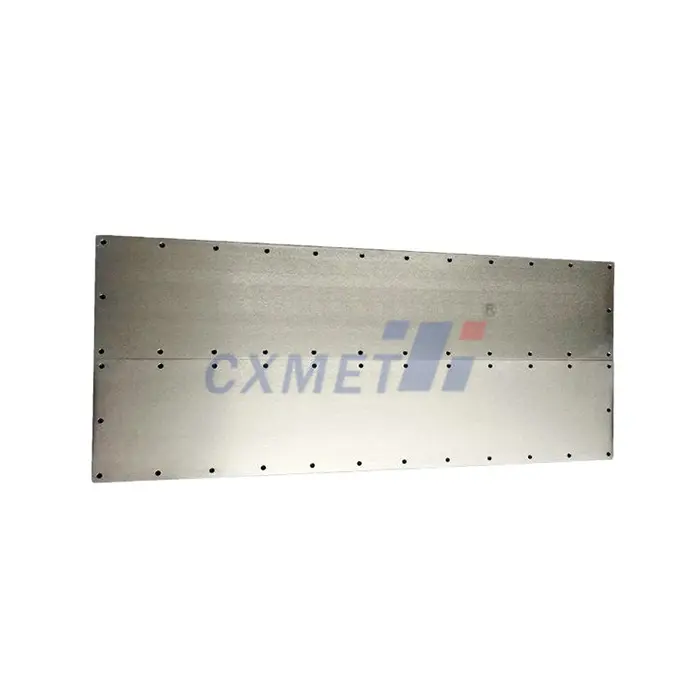
What are the ASTM Standards for Titanium Plate Targets?
ASTM B265: Standard Specification for Titanium and Titanium Alloy Sheet, Strip, and Plate
The requirements for titanium plate targets are set by ASTM B265, which is a basic standard. This standard tells you what titanium and titanium alloy goods must have in terms of their chemical make-up, mechanical properties, and size tolerances. ASTM B265 gives recommendations on purity levels for titanium plate targets. For high-purity uses, these values should usually be ≥ 99.5%. The standard also says what levels of impurities, like iron, oxygen, and nitrogen, are allowed. These can have a big effect on how well titanium plate targets work. ASTM B265 also specifies the width range, which can be anywhere from 0.5 mm to 100 mm to meet the needs of a wide range of sputtering and thin film deposition applications.
ASTM E1409: Standard Test Method for Determination of Oxygen and Nitrogen in Titanium and Titanium Alloys by the Inert Gas Fusion Technique
ASTM E1409 is very important for making sure that titanium plate targets are of good quality, especially when it comes to the amount of oxygen and nitrogen they contain. This standard describes the test method for correctly finding these interstitial elements, which can have a big effect on titanium's properties. For titanium plate targets, keeping the right amounts of oxygen and nitrogen is important to keep the desired chemical and physical properties. This standard Titanium Plate Target describes an inert gas fusion method that makes it possible to measure these elements accurately. This makes sure that the titanium plate targets meet the strict purity requirements for many uses, such as making semiconductors and optical coatings.
ASTM F67: Standard Specification for Unalloyed Titanium for Surgical Implant Applications
ASTM F67 is mostly about surgical implants, but it also affects titanium plate targets that are used to make medical devices. This standard spells out the requirements for pure titanium, which is commonly used in medicinal high-purity titanium plate targets. The standard talks about the microstructure, chemical composition, and mechanical qualities of titanium plate targets that are used to make medical devices. All of these are very important to how well the targets work. Following ASTM F67 makes sure that titanium plate targets meet the standards for biocompatibility and purity that are needed for medical uses, like making surgical tools or devices that can be implanted.
How Do ISO Standards Apply to Titanium Plate Target Manufacturing?
ISO 9001: Quality Management Systems
ISO 9001 is a very important standard that is used in the production of titanium plate targets. This international standard spells out the requirements for a quality management system. It makes sure that companies always make goods that meet the needs of customers and government regulations. For making titanium plate targets, having ISO 9001 approval shows that you are dedicated to quality control all the way through the production process. This includes choosing the raw materials, heating and casting them, rolling them hot and cold, finishing the surface, and checking them one last time. Following ISO 9001 guidelines helps keep the high quality and consistency of the titanium plate goals. Specifications like density (4.51 g/cm³), width (50mm – 1000mm), and length (50mm – 2000mm) are carefully monitored and written down.
ISO 14644: Cleanrooms and Associated Controlled Environments
ISO 14644 is especially useful for making high-purity titanium plate targets that are used in sensitive processes like making semiconductors. This set of standards lays out the rules for cleanrooms and other controlled settings that are needed to keep titanium plate targets pure and of high quality. As an example, the guideline talks about how to test for and keep an eye on air cleanliness. Following ISO 14644 for making titanium plate targets ensures that the production setting keeps contamination to a minimum. This keeps the high purity levels (≥ 99.5%) needed for many uses. This is especially important for targets that are used in important processes, such as the Titanium Plate Target, where even small flaws can have a big effect on how well they work.
ISO 5832-2: Implants for Surgery — Metallic Materials — Part 2: Unalloyed Titanium
ISO 5832-2 is a standard that mostly deals with surgical implants, but it also affects titanium plate targets that are used to make medical devices. For the purpose of making surgical implants, this guideline lays out the requirements for titanium that has not been alloyed. Manufacturers of titanium plate targets that sell to the medical field must make sure that their goods meet the strict requirements for purity and biocompatibility by following ISO 5832-2. The standard talks about the microstructure, chemical composition, and mechanical qualities of titanium plate targets that are used in medical settings. Following this standard ensures that the quality and safety standards are met for titanium plate targets used to make medical products or implants.
What Role Do Industry-Specific Standards Play in Titanium Plate Target Production?
AMS 4911: Titanium Alloy, Sheet, Strip, and Plate
The Aerospace Material Specification (AMS) 4911 is a very important rule for aerospace uses that use titanium plate targets. This standard was made by SAE International and has specific rules for titanium alloy sheet, strip, and plate goods. Following AMS 4911 is very important for companies that make titanium plate targets for the aerospace business. The standard talks about the chemical makeup, mechanical qualities, and heat treatment needs for aerospace-grade titanium. It makes sure that the titanium plate targets used to make aircraft parts meet the high standards for quality and performance that are needed in this very specific field. Titanium plate targets are great for aerospace uses because they are strong for their weight and don't change much when heated or cooled. AMS 4911 helps keep these important qualities.
SEMI PV36: Specification for Titanium Targets for PVD Sputtering Process Used in Photovoltaic Cell Manufacturing
Metal targets used in the solar (PV) business are the only ones that meet the SEMI PV36 standard. These rules are very important for businesses that make targets out of titanium plates and sell them to businesses that make solar cells. As the name suggests, this paper talks about the need for titanium targets that are used in PVD sputtering techniques to create solar cells. The standard talks about things like the chemistry, the finish on the surface, and the differences in size that are okay. For titanium plate targets, SEMI PV36 makes sure that the goods have the right properties for making PV cells, like a smooth surface, a titanium plate target, and a high level of clarity. It is important to follow this standard so that the ways that are used to make solar cells stay reliable and effective.
NACE MR0175/ISO 15156: Materials for use in H2S-containing Environments in Oil and Gas Production
Titanium plate targets used in the oil and gas industry, especially where hydrogen sulphide (H2S) is present, must meet the very strict NACE MR0175/ISO 15156 standard. This standard tells you how to pick materials that won't break when they're used in oil and gas production. Following NACE MR0175/ISO 15156 is very important for people who make titanium plate targets who work in this field. In oil and gas equipment, the standard makes sure that targets made of titanium plate can handle the toxic effects of settings that are full of H2S. It talks about things like what the material is made of, how it was burnt, and how strong it is. Titanium plate targets will last and work well in harsh oil and gas production conditions if they are made to this level. This is because titanium is very good at fighting corrosion.
Conclusion
Titanium plate goal specifications are based on a wide range of standards that cover a lot of ground. This is because the material has many uses and is very important in many industries. These rules, which include ASTM and ISO standards as well as needs specific to the industry, make sure that titanium plate targets are consistent in quality, performance, and performance. Manufacturers must follow these standards in order to make high-quality targets that meet the strict requirements of fields like aircraft, medicine, semiconductors, and energy. As technology improves and new uses come up, these standards will also change. This will encourage new ideas Titanium Plate Target and higher quality in the production of titanium plate targets. We at Shaanxi CXMET Technology Co., Ltd. are dedicated to meeting these high standards in the making of our titanium plate targets. Our company is based in Shaanxi province, China, and we make and sell non-ferrous metals, such as high-quality titanium goods. Our team of experienced professionals makes sure that our titanium plate targets meet and go beyond industry standards. This way, we can give our customers goods that will last and work well for a wide range of uses. For any inquiries or technical support, please don't hesitate to contact us at sales@cxmet.com. We are dedicated to offering exceptional service and competitive pricing to build long-lasting partnerships with our clients.
FAQ
1. What is the typical purity level for high-quality titanium plate targets?
High-quality titanium plate targets typically have a purity level of ≥ 99.5%.
2. What is the importance of ASTM B265 for titanium plate targets?
ASTM B265 provides crucial guidelines for chemical composition, mechanical properties, and dimensional tolerances of titanium plate targets.
3. How does ISO 9001 certification benefit titanium plate target manufacturing?
ISO 9001 certification ensures consistent quality control throughout the manufacturing process, from raw material selection to final inspection.
4. Why is cleanroom compliance important for titanium plate target production?
Cleanroom compliance, as per ISO 14644, is essential for maintaining the high purity levels required for sensitive applications like semiconductor manufacturing.
5. What industry-specific standard is crucial for titanium plate targets used in aerospace?
AMS 4911 is a critical standard for titanium plate targets used in aerospace applications, covering specific requirements for this demanding sector.
6. How do standards ensure the suitability of titanium plate targets for medical applications?
Standards like ASTM F67 and ISO 5832-2 ensure that titanium plate targets meet the necessary biocompatibility and purity requirements for medical device manufacturing.
References
1. ASTM International. (2020). ASTM B265-20: Standard Specification for Titanium and Titanium Alloy Sheet, Strip, and Plate.
2. International Organisation for Standardisation. (2015). ISO 9001:2015 Quality management systems — Requirements.
3. SAE International. (2018). AMS 4911: Titanium Alloy, Sheet, Strip, and Plate.
4. SEMI. (2019). SEMI PV36-0719: Specification for Titanium Targets for PVD Sputtering Process Used in Photovoltaic Cell Manufacturing.
5. NACE International. (2015). NACE MR0175/ISO 15156: Materials for use in H2S-containing Environments in Oil and Gas Production.
6. ASTM International. (2019). ASTM F67-13(2019): Standard Specification for Unalloyed Titanium, for Surgical Implant Applications.