knowledges
Which Certifications Matter for a platinized platinum titanium electrode?
2026-09-17 17:09:24
When sourcing a platinized platinum titanium electrode for demanding industrial applications, certifications are not just paperwork. They are a direct signal of material integrity, process control, and regulatory readiness. Whether you work in chlor-alkali production, cathodic protection, or hydrogen electrolysis, knowing which certifications to look for helps you avoid costly sourcing mistakes and keeps your operation running without interruption.
|
|
|
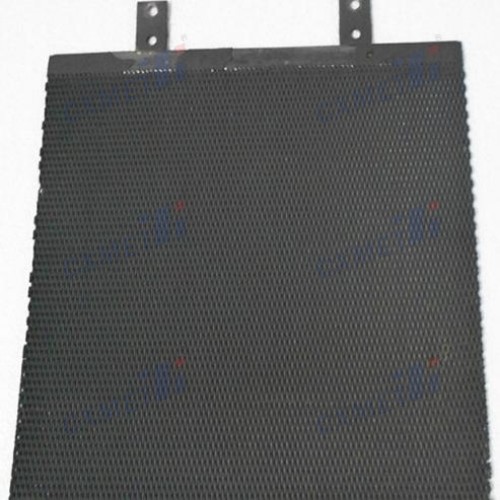

Understanding the Importance of Certifications for Platinized Platinum Titanium Electrodes
Why Certifications Signal More Than Compliance
When a company has a certification, it means that their processes are written down and regularly checked. The steps used to make an electrode made of ASTM Grade 1 titanium and covered in 99.95% pure platinum are very complicated. Any change in the cleanliness of the base or the coating's ability to stick can cause it to fail too soon. An independent third party verifies that a certified supplier's process always meets certain standards.
Cross-Border Procurement and Regulatory Fit
When U.S. purchasing managers buy from international suppliers, certifications make trade across borders easier. Products with marks that are known all over the world are easier to match with EPA compliance paperwork, facility safety audits, and customer specification sheets. Skipping this check can add a lot of time to the project schedule.
Risk Reduction Across Industrial Sectors
Industries like marine, oil and gas, chemical processing, and pharmaceutical production have strict rules about both internal and external audits for a platinized platinum titanium electrode. Using certified electrodes lowers the chance of failing compliance checks during vendor qualification reviews. This directly saves buying teams from being sued and having to stop production.
Key Certifications to Expect for Platinized Platinum Titanium Electrodes
ISO 9001 and ISO 14001
ISO 9001 makes sure that a company uses the same quality control system for all stages of production, review, and delivery. ISO 14001 talks about environmental management, which is important in fields where there are rules about how to handle chemicals and trash. Both certifications require regular checks by a third party, so they show long-term success rather than a one-time accomplishment.
RoHS and REACH Compliance
RoHS limits the use of dangerous chemicals in electronics and electrical equipment, and REACH controls the safety of chemicals in goods that come into Europe. The two approvals make sure that banned substances like lead, mercury, and some cadmium compounds are not present in the titanium-based electrodes that are used in electroplating, water treatment, and fuel cells.
CE Marking and UL Certification
Electrochemical equipment that is sold in the European Union must have a CE mark on it. This mark shows that the equipment meets health, safety, and environmental standards. In North America, UL certification includes safety rules for electrical parts that are used in products. Together, these marks help with the approval process for vendors in industries that are controlled and make it easier to document bids for global projects.
How Certifications Reflect on Electrode Performance and Durability
Material Testing Under Controlled Conditions
For certified manufacturing to happen, the materials must be checked and recorded at every stage of output. This includes measuring the width of the platinum layer on a titanium anode using XRF, making sure it sticks to things according to ASTM standards, and testing its extended life in sulfuric acid or sodium sulfate electrolyte. These steps directly predict how the system will work in the real world when it comes to chlorine evolution, oxygen evolution, or water electrolysis.
Controlled Coating Processes and Their Impact
A certified coating method for a platinized platinum titanium electrode, like electrodeposition or thermal decomposition, makes sure that the platinum is spread out evenly on plates, meshes, or bars. A uniform covering thickness, usually between 2.5 and 7.5 µm, stops overheating in one area and stops the formation of non-conductive TiO₂ at the substrate contact, which is a failure mode that shortens the life of the electrode.
Evidence From Field Applications
Studies in impressed current cathodic protection systems show that in seawater settings, platinum-coated titanium anodes with controlled substrate purity and proven coating adhesion always work better than options that haven't been tested. Electrodes with documented quality certification records have much less voltage drift over long periods of operation. This proves that production backed by certification leads to measurable field durability.
Comparing Certified vs. Non-Certified Platinized Platinum Titanium Electrodes
The Real Cost of Choosing Uncertified Products
Even though non-certified electrodes may cost less per unit, they quickly add up in hidden costs. Inconsistent platinum coating thickness causes current to flow unevenly, which speeds up the passivation of the substrate. In electroplating baths for hard chrome or valuable metals, a failing anode can contaminate the bath and ruin whole production runs, which is much worse than any original savings from the lower price.
Here are the main risks of getting electrodes from sources that aren't certified:
- Coating delamination under mechanical or thermal stress, which exposes the titanium substrate to direct electrolyte contact and triggers rapid passivation through TiO₂ layer formation.
- Inconsistent platinum purity below 99.95%, introducing trace contamination into sensitive processes such as pharmaceutical electrochemical synthesis or precision electroplating.
- No accelerated life test data, leaving procurement teams without a reliable baseline for replacement scheduling or warranty claims.
Over time, these risks get worse, especially in places where machines are always running and unexpected electrode replacements mess up production plans and repair windows.
What Certification Records Tell You During Vendor Review
It is easy for procurement teams to do an audit when a supplier of platinized platinum titanium electrode is ISO 9001 certified and gives them material test reports, XRF coating data, and batch traceability documentation. This is important for internal seller approval, especially in projects like oil and gas or pharmaceuticals where a lot of paperwork is needed from vendors. It is also more likely that certified suppliers will answer technical questions and support requests.
How to Verify and Maintain Certifications When Procuring Electrodes
Checking Certificate Authenticity Before Purchase
Always ask for real certificates and check certificate numbers directly with the organization that issued them. The ISO Online Browsing Platform or the website of the certifying registrar can be used to check the validity of an ISO certificate. For RoHS and REACH statements, don't just ask for a letter; ask for the whole detailed file. Authorized distributors and manufacturers who have a history of exporting are more likely to keep their paperwork up to date and checked.
Due Diligence Steps for B2B Procurement Teams
Procurement teams should make sure of the following before finalizing a purchase order:
- The ISO 9001 certificate covers the specific production scope for coated titanium anodes, not just administrative operations.
- Material test reports reference the correct ASTM B381 standard for titanium substrate and specify Grade 1 purity of 99.6% minimum.
- Platinum coating purity is documented at 99.95% minimum with batch-level traceability.
Using these checks as a normal way to get specs guards against false information and lowers the number of disputes after delivery.
Maintaining Electrode Performance After Purchase
Handling rules backed by certification greatly increase the service life of electrodes. Working within the allowed current density range of up to 10,000 A/m², keeping the electrolyte temperature below 80°C, and staying away from electrolytes that contain fluoride and damage the titanium substrate are all things that are required by the manufacturer's warranty. Following these rules also keeps the electrode working within the limits that were checked during the quality check before shipping.
Conclusion
Certifications for the platinized platinum titanium electrode are not necessary. They show how well a company controls its entire process, from choosing the raw materials to doing the final check. While ISO 9001, ISO 14001, RoHS, REACH, CE, and UL all talk about quality, safety, and being good to the earth, they do so in different ways. Verified licenses keep buying teams safe from problems in the field, gaps in the law, and expensive production stops. Picking a certified provider is an easy way to lower your risk and make sure that the electrode you place works as it should from the first day it is used.
FAQ
Can a platinized titanium anode be recoated after the platinum layer wears out?
Yes. The titanium substrate can be stripped, sandblasted, acid-pickled, and replatinized. This significantly reduces long-term costs compared to buying new anodes each cycle.
What causes premature electrode failure?
The primary causes are exceeding the rated current density, exposure to fluoride ions that attack the titanium base, and physical scratching that removes the platinum layer and triggers TiO₂ passivation.
How does platinum coating thickness affect service life?
Thickness and lifespan are generally proportional. A 2.5 µm coating in moderate chrome plating service can last three to five times longer than a 0.5 µm coating under the same conditions.
Is platinized titanium better than MMO-coated anodes?
It depends on the electrolyte and application. Platinum performs better in acidic environments, high-oxygen evolution scenarios, and applications requiring polarity reversal capability.
What is the safe operating temperature range?
Most applications should stay below 80°C to protect the platinum-titanium interface. Higher temperature variants are available on request from manufacturers offering custom specifications.
Get Your Certified Platinized Platinum Titanium Electrode From CXMET
Based in China's "Titanium Valley," CXMET is a reliable company that makes platinized platinum titanium electrodes. They offer ASTM B381 Grade 1 titanium anodes with 99.95% pure platinum coatings in plate, mesh, and bar shapes. CXMET has been making products for over 20 years and can fully customize products for OEMs. They can also package goods for sale by air, sea, and express freight. They help buying teams in the chemical, power, and marine industries. To get a price, email us at sales@cxmet.com or go to https://www.cxmet-tech.com/.
References
1. Journal of the Electrochemical Society — Platinum Coatings on Titanium Substrates for Electrochemical Applications, 2019.
2. Corrosion Science — Behavior of Platinum-Coated Titanium Anodes in Chloride Electrolytes, 2021.
3. International Journal of Hydrogen Energy — Dimensionally Stable Anodes in Water Electrolysis Systems, 2020.
4. ASTM International — Standard Specification for Titanium and Titanium Alloy Forgings (ASTM B381), 2022.
5. ISO — ISO 9001:2015 Quality Management Systems: Requirements, 2015.
6. Electrochimica Acta — Platinum Electrode Degradation Mechanisms and Lifetime Prediction in Acidic Media, 2018.