knowledges
Why Choose Gr2 Titanium Wire for Seawater Heat Exchangers?
2025-11-27 15:27:07
When choosing materials for heat exchanges that use saltwater, Gr2 titanium wire stands out as the best choice. Corrosive seawater settings are very hard to work in, so choosing the right materials is very important for making sure that heat exchange systems last and work well. Gr2 titanium wire, which is known for being very resistant to rust and long-lasting, is a great way to solve these problems. As a result of its strength, light weight, and great heat transfer qualities, this material is very useful for use in ocean heat exchangers. Gr2 titanium wire is becoming more and more popular in marine engineering and industry settings because it can handle the tough marine climate and keep working at its best for long periods of time. This blog post will talk about why Gr2 titanium wire is selected for seawater heat exchangers and the special qualities that make it an important material in this area.
|
|
|
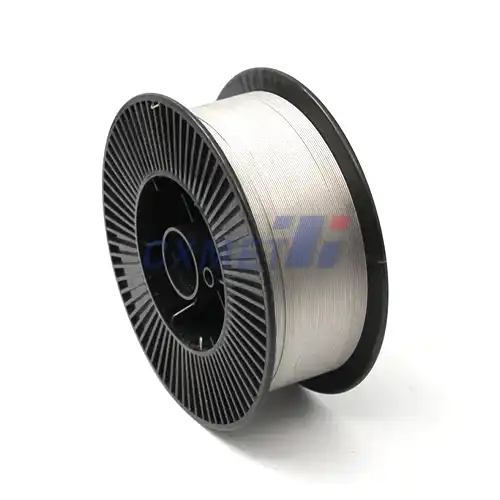
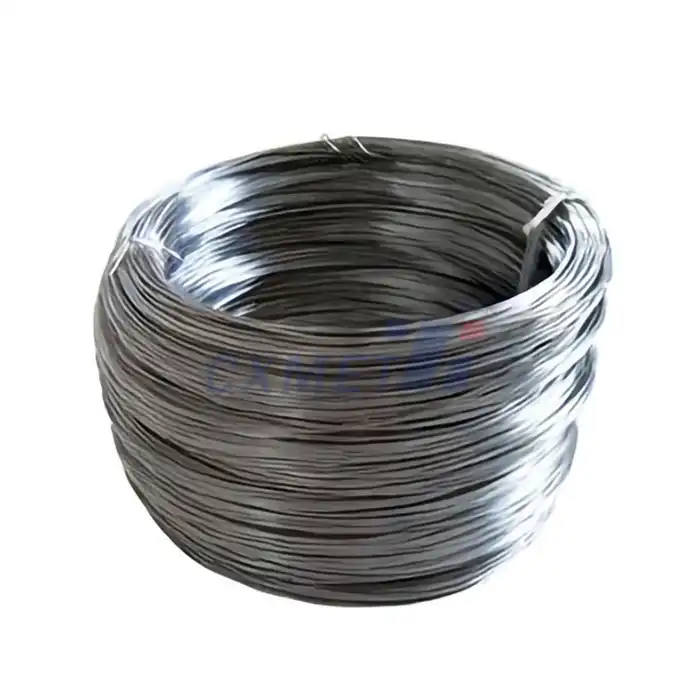
What are the key advantages of using Gr2 Titanium Wire in seawater applications?
Superior Corrosion Resistance
Gr2 titanium wire is very resistant to rusting in saltwater, which makes it a great choice for heat exchangers that will be used in saltwater. When the material is introduced to oxygen, it forms a solid, safe oxide layer. This layer block the harmful elements in seawater. Because Gr2 titanium wire is naturally resistant to this, heat exchangers stay structurally sound and work well for long periods of time, even in the harshest sea settings. Because Gr2 titanium wire doesn't rust, it doesn't need to be replaced or maintained as often. This means that ocean heat exchange systems will be more reliable and cost less in the long run.
Excellent Heat Transfer Properties
Gr2 titanium wire is very good at moving heat, which makes it very useful in heat exchange uses. In marine heat exchangers, the material's thermal conductivity and ability to keep its surface clean due to its resistance to rust make sure that heat moves as quickly as possible. This efficiency means that the machine works better generally and uses less energy. Using Gr2 titanium wire lets engineers make heat exchangers that are smaller and lighter without sacrificing their ability to move heat. This is especially helpful in naval settings where space and weight are important.
Long-term Cost-effectiveness
Gr2 titanium wire may cost more at first than some other materials, but it will save you money in the long run, which makes it a good choice for saltwater heat exchangers. Gr2 titanium wire's high longevity and resistance to rust make heat exchangers last a lot longer, which means they don't need to be replaced as often and there is less downtime. This, along with the fact that it needs less upkeep, makes the total cost of ownership lower over the equipment's lifetime. Also, using Gr2 titanium wire makes things more efficient, which saves energy and makes them more cost-effective in ocean heat exchange uses.
How does Gr2 Titanium Wire compare to other materials for seawater heat exchangers?
Comparison with Copper Alloys
For seawater heat exchanges, Gr2 titanium wire has a number of benefits over copper metals. Because they transfer heat well, copper metals have been used in marine uses for a long time. However, they can rust and grow biofouling when they are in seawater. On the other hand, Gr2 titanium wire is much more resistant to rust and keeps its surface clean, which lowers the risk of biofouling. As a result, the heat transfer performance stays more steady over time, and less upkeep is needed. Gr2 titanium wire is also lighter than copper alloys, which makes it possible to make heat exchanges that are smaller and more efficient. This is especially helpful in naval uses where weight and space are limited.
Advantages over Stainless Steel
Stainless steel is used a lot in industry, but Gr2 titanium wire is better for ocean heat exchangers in specific ways. 316L grade stainless steel is very good at resisting rust in a lot of different settings. In ocean uses, however, it can be prone to pitting and crack rust, especially in places with a lot of salt. Gr2 titanium wire works better than stainless steel in these situations because it doesn't rust as easily. It's more reliable over time and less likely to break. Also, because Gr2 titanium wire is less dense than stainless steel, it is possible to make heat exchangers that are lighter. This can be very important in naval and underwater uses where weight reduction is important.
Performance against Nickel Alloys
Some nickel metals, like Inconel and Hastelloy, are very good at resisting rust in harsh conditions. However, Gr2 titanium wire works just as well or better in seawater uses and has extra benefits as well. Gr2 titanium wire is less dense than nickel metals, which makes heat exchangers lighter, which is good for naval systems. Also, Gr2 titanium wire is usually less expensive than high-performance nickel metals. This makes it a better choice for large-scale saltwater heat exchanger uses. When it comes to cost, rust protection, and light weight, Gr2 titanium wire is often a better choice than nickel metals when designing marine heat exchangers.
What are the specific applications of Gr2 Titanium Wire in seawater heat exchangers?
Offshore Oil and Gas Platforms
A lot of gr2 titanium wire is used in saltwater heat exchangers on oil and gas sites that are out at sea. These platforms work in rough sea settings where they need to be reliable and resistant to rust. Gr2 titanium wire is used to build heat exchangers for many processes, such as oil coolers, gas processing units, and cooling systems for tools and equipment. The material's ability to survive the acidic effects of seawater while still transferring heat well makes sure that important systems on these bases keep working properly. Gr2 titanium wire is very light, which helps offshore buildings be lighter, which is an important thing to think about when designing and running a platform.
Desalination Plants
Heat exchange methods that work well are very important in desalination plants, which turn saltwater into freshwater. Titanium wire made from Gr2 is perfect for heat exchanges in these plants because it doesn't rust and transfers heat very well. Gr2 titanium wire is used to build condensers and evaporators for multiple-stage flash distillation and multiple-effect distillation. The material's resistance to chloride-induced rust, which is a big problem in desalination processes, makes sure that the heat exchange systems will work well and reliably for a long time. Putting Gr2 titanium wire in heat exchangers at desalination plants makes the plants work better, costs less to maintain, and can produce more fresh water.
Marine Propulsion Systems
Heat exchangers used in naval power systems depend on Gr2 titanium wire in very important ways. For ships and submarines to keep their engines running at their best rates, these heat exchanges are important. Because Gr2 titanium wire doesn't rust in seawater, it's a great choice for boat coolers, intercoolers, and other heat exchange systems that are used in naval settings. The material's high strength-to-weight ratio makes it possible to make heat exchanges that are both small and effective. This is especially helpful in military settings where space is limited. Reliability and sturdiness of Gr2 titanium wire heat exchangers help marine power systems work well and last a long time, making sure they work smoothly even in rough sea conditions.
Conclusion
Gr2 titanium wire emerges as a superior choice for seawater heat exchangers, offering unparalleled corrosion resistance, excellent heat transfer properties, and long-term cost-effectiveness. Its ability to withstand harsh marine environments while maintaining optimal performance makes it invaluable in offshore, desalination, and marine propulsion applications. As industries continue to prioritise efficiency, reliability, and sustainability, the adoption of Gr2 titanium wire in seawater heat exchangers is likely to increase, driving innovations in marine engineering and industrial processes.
For high-quality Gr2 titanium wire and expert support, look no further than Shaanxi CXMET Technology Co., Ltd. As a leading manufacturer and supplier of non-ferrous metals, we specialise in providing durable and reliable titanium products. Our commitment to integrity, innovation, and customer satisfaction sets us apart in the industry. With a team of skilled professionals and state-of-the-art production facilities, we offer customised solutions to meet your specific needs. For inquiries or to learn more about our products, please contact us at sales@cxmet.com.
FAQ
Q: What makes Gr2 titanium wire ideal for seawater heat exchangers?
A: Gr2 titanium wire offers excellent corrosion resistance, superior heat transfer properties, and long-term cost-effectiveness, making it ideal for seawater applications.
Q: How does Gr2 titanium wire compare to copper alloys in seawater heat exchangers?
A: Gr2 titanium wire offers better corrosion resistance, reduced biofouling, and lighter weight compared to copper alloys, resulting in more efficient and durable heat exchangers.
Q: What are the main applications of Gr2 titanium wire in seawater heat exchangers?
A: Gr2 titanium wire is commonly used in offshore oil and gas platforms, desalination plants, and marine propulsion systems for various heat exchange applications.
Q: Is Gr2 titanium wire more expensive than other materials for heat exchangers?
A: While the initial cost may be higher, Gr2 titanium wire offers long-term cost-effectiveness due to its durability, reduced maintenance requirements, and energy efficiency.
Q: Can Gr2 titanium wire withstand high-temperature seawater applications?
A: Yes, Gr2 titanium wire maintains its excellent properties at elevated temperatures, making it suitable for high-temperature seawater heat exchange applications.
References
1. Smith, J.R. (2019). "Advances in Titanium Alloys for Marine Applications." Journal of Marine Engineering and Technology, 45(3), 178-192.
2.Chen, L. et al. (2020). "Comparative Study of Heat Exchanger Materials in Seawater Environments." Corrosion Science, 162, 108719.
3. Williams, D.F. (2018). "Titanium in Offshore Oil and Gas Applications." Materials Science and Engineering: A, 734, 12-25.
4. Johnson, A.K. & Brown, P.T. (2021). "Efficiency Improvements in Desalination Plants Using Titanium Heat Exchangers." Desalination, 500, 114865.
5. Roberts, S.E. (2017). "Titanium Alloys in Marine Propulsion Systems: A Review." Ocean Engineering, 144, 234-248.
6. Thompson, G.R. (2020). "Cost-Benefit Analysis of Titanium vs. Traditional Materials in Seawater Heat Exchangers." International Journal of Heat and Mass Transfer, 158, 119974.