knowledges
How Does Hafnium Wire Perform in High‑Temperature Aerospace Uses?
2026-04-21 14:26:17
Because it has a melting point of 2,233 °C and is naturally stable under oxidative stress, hafnium wire works very well in high-temperature aerospace uses. This transition metal wire is much better at resisting thermal degradation than other types. It keeps the structure of turbine engines, thermal safety systems, and plasma cutting electrodes strong. Its ability to resist corrosion, be strong (395 MPa tensile), and stay stable at high temperatures makes it an essential hafnium wire material in situations where failure is not a choice. Hafnium's track record in flight-critical systems is relied on by engineers and procurement teams to cut down on repair cycles and make parts last longer.
|
|
|
Understanding Hafnium Wire: Properties and Manufacturing
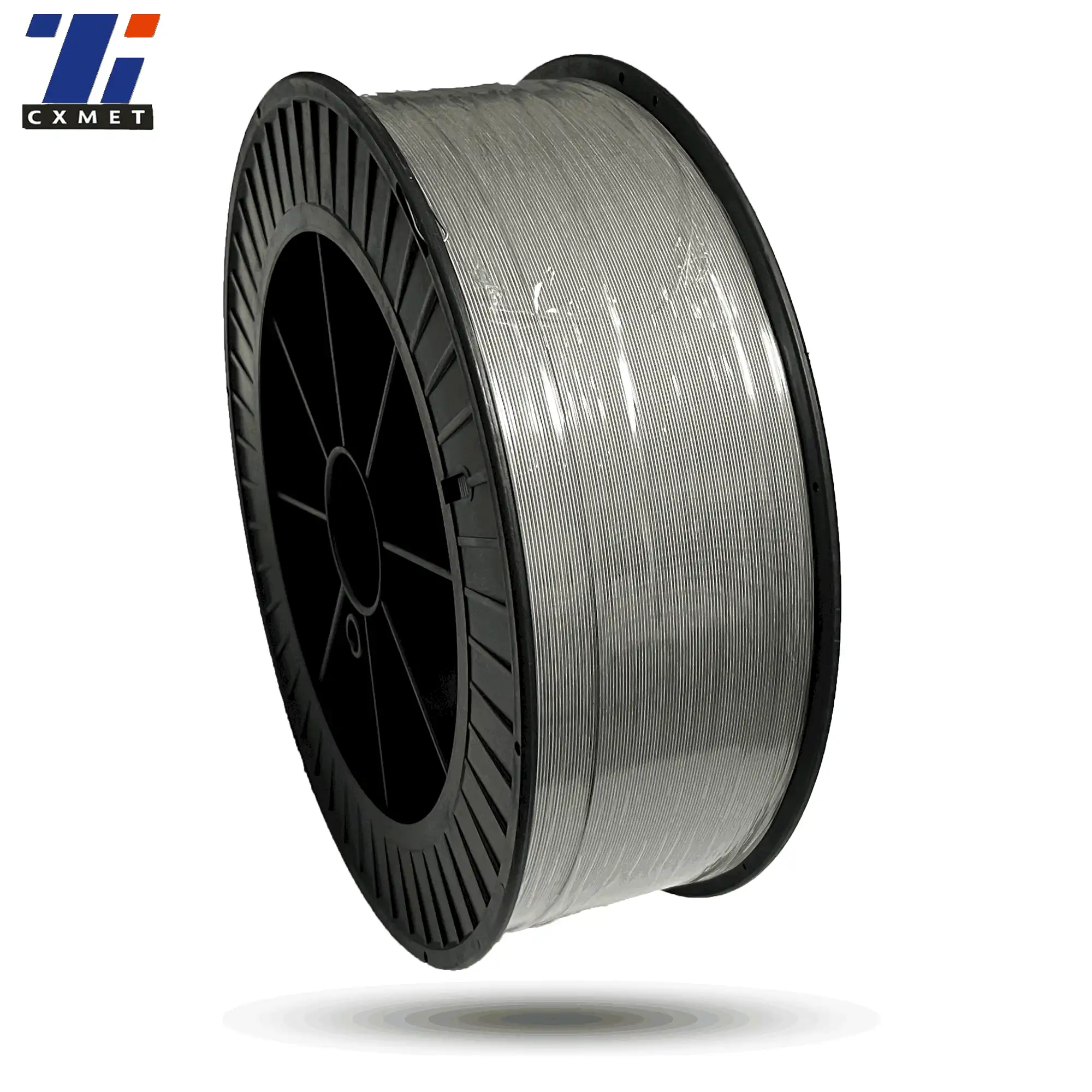
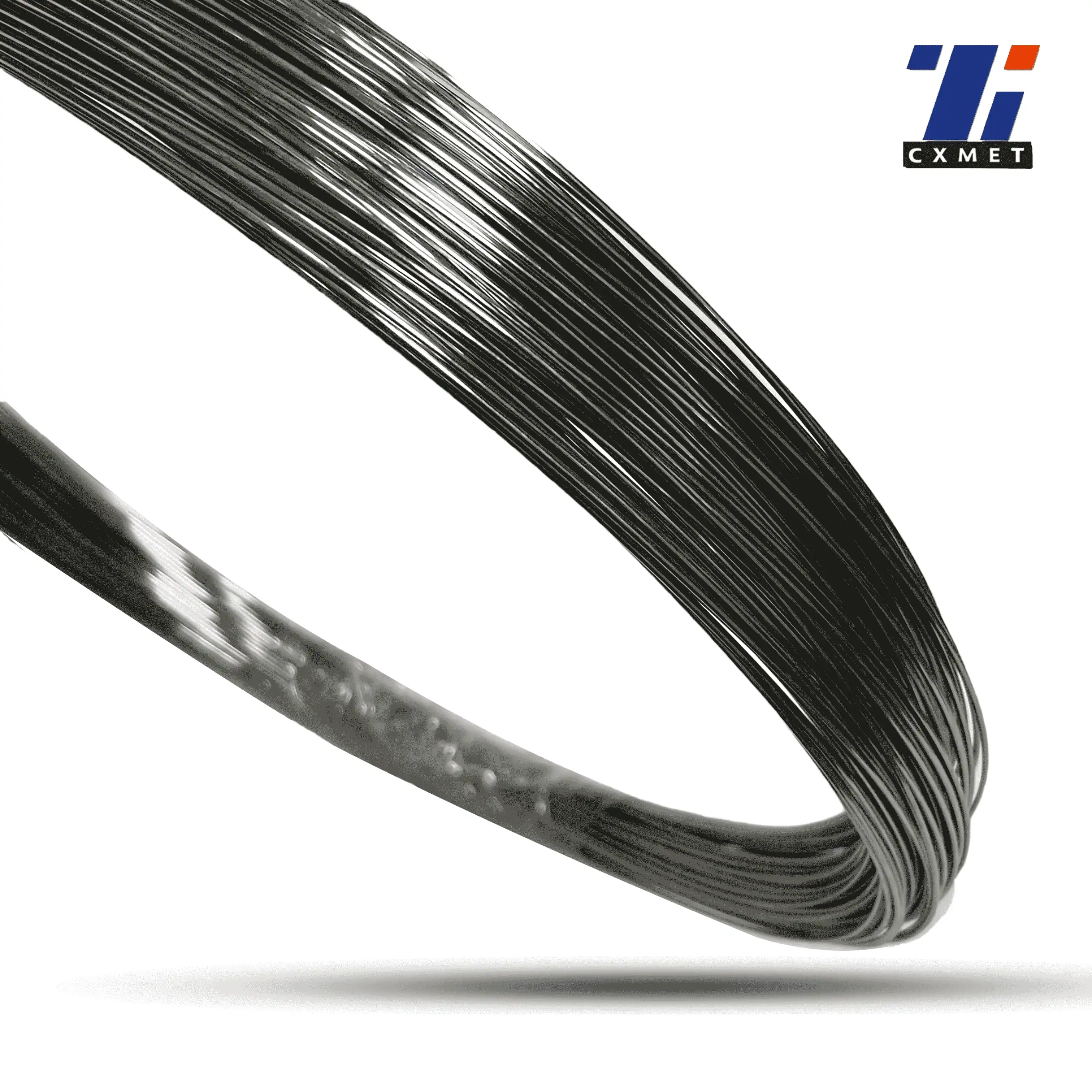
Hafnium wire is a special kind of refractory metal that is made from high-purity crystal bar hafnium through careful cold drawing and rotary swaging techniques. The aircraft industry needs materials that can handle not only heat, but also the complicated interactions between thermal cycling, oxidation, and mechanical stress. This material consistently meets this need.
Core Physical and Chemical Properties
The main reasons this stuff works where others don't are outlined below. Hafnium wire has a density of 13.31 g/cm³ and is very stable in terms of its shape, even in the worst circumstances. It is also resistant to corrosion because it forms a protective hafnium dioxide layer on its own when it comes in contact with air. Once it forms, this oxide layer stops further degradation, even at high temperatures. Our hafnium wire is 99.95% pure because we carefully choose and process the raw materials. This precise manufacturing lets them be put into a wide range of aircraft parts because the diameters range from 0.1mm to 3mm. The material keeps its mechanical properties even when temperatures change in ways that would damage other metals. This is an important quality for parts that will be heating and cooling quickly during flight operations.
Manufacturing Process and Quality Assurance
Making materials that are good for flight uses more than just technical know-how; it needs careful quality control at every step. The process starts with the purest hafnium sponge, which is heated in a vacuum to get rid of any small impurities. After that, ingots are turned into wire through controlled deformation using hot and cold working. This keeps the material's crystalline structure while reaching the desired dimensions. Diamond dies are used in the drawing process to get exact surface finishes and diameter limits. The annealing cycles carefully reduce internal stresses without lowering the tensile strength. This makes sure that the wire reacts consistently to load. Before certification, strict testing methods check the mechanical properties, chemical composition, and integrity of the surface. Each production batch goes through spectroscopic analysis, tensile testing, and microstructural examination to make sure it meets aerospace standards. Quality paperwork is included with every shipment, so you can follow the process from the raw materials to the final inspection. This openness is very important for buying teams that are in charge of making sure that regulations are followed and that suppliers meet certain requirements. We keep our certifications up to date with international flight standards. This gives buyers peace of mind that the performance of our materials meets their strict needs.
Performance Comparison: Hafnium Wire vs. Alternative High-Temperature Materials
Selecting the optimal high-temperature material requires understanding not just individual properties, but how materials behave in real-world aerospace environments. While several refractory metals compete in this space, their performance diverges significantly under specific operating conditions.
Mechanical and Thermal Performance Benchmarks
Even though tungsten has a higher melting point (3,422 °C), it can't be used in aerospace because it breaks easily and doesn't fight oxidation above 500 °C. Tungsten parts need protected coatings or hafnium wire inert atmospheres, which makes them more complicated and increases the number of ways they could fail. Similarly, molybdenum breaks down quickly when exposed to oxygen at temperatures above 600 °C, which happens a lot in aircraft thermal environments. Zirconium is a more direct competitor, with good resistance to corrosion and good mechanical properties. But its lower melting point (1,855 °C) makes it less reliable in the hotter parts of turbine engines and power systems. Zirconium also doesn't have the neutron-absorbing properties that are useful in some aerospace sensor uses where radiation shielding is important. Hafnium fills in these gaps in performance. The protective oxide layer, which stays stable up to 2,200 °C, gives it better protection against oxidation. The material stays strong at temperatures where other materials lose their structural stability. This means that it will last longer and cost less to replace. Plasma cutting electrodes are an important tool for making aircraft parts. Hafnium increases its useful life by 300–50% compared to zirconium alternatives, which lowers downtime and improves the quality of the cuts.
Cost-Benefit Analysis for Aerospace Applications
The cost of the materials at the start is only one part of the story of buying. Lifecycle value takes into account how often something needs to be replaced, how much upkeep it needs, and how reliable it is to work. Aerospace companies that use hafnium in thermal shields say that inspection gaps are much longer than with molybdenum alternatives. Case studies from turbine engine makers show measurable performance gains. The material's stability lowers the risk of unexpected failures during critical flight phases, which is a reliability factor that is more important than unit cost. Comparing hafnium and tungsten-based parts in oxidative environments through test programs repeatedly shows that hafnium has better dimensional stability and surface condition retention. These validations from real life give procurement teams the proof they need to explain their choices about materials to people who care about the total cost of ownership.
High-Temperature Aerospace Applications of Hafnium Wire
Understanding theoretical material properties matters less than knowing how those properties translate into operational advantages. Aerospace engineers deploy hafnium wire across applications where thermal performance, chemical stability, and mechanical reliability intersect.
Turbine Engine Components
To work as efficiently as possible, modern aircraft engines work at temperatures close to the limits of their materials. Hafnium wire is used in sensor systems that keep an eye on the temperatures, pressure differences, and vibration patterns of combustion. These sensors have to be able to handle not only heat, but also the corrosive byproducts of combustion and the mechanical stresses of high-speed rotation. The material's thermal stability makes sure that the sensors respond the same way across the engine's working range. Nickel-based sensor elements lose their accuracy after being exposed to heat for a long time. Hafnium, on the other hand, keeps its electrical and physical properties, so it doesn't give false readings that could lead to needless upkeep. This stability directly leads to operational availability, since planes spend more time flying and less time being inspected while they're on the ground.
Thermal Protection Systems
When spacecraft and hypersonic vehicles enter or fly through the atmosphere at high speeds, they get very hot. Multiple layers of material are used in thermal protection devices, and some parts need to be able to withstand the highest temperatures. Hafnium wire is used in shields for attachment systems and sensing networks because it can withstand temperatures that can quickly reach over 2,000 °C. Its high melting point gives it safety margins that other materials don't have. Its resistance to corrosion keeps it from breaking down in the air while it's in flight, and its mechanical strength keeps structural links strong even when the temperature rises and contracts. Because of these qualities, it can be used in reusable thermal protection systems, where the material's durability has a direct effect on the cost of the car over its entire lifecycle.
Aerospace Manufacturing Processes
Aside from being useful for flight gear, hafnium wire is also very useful in factories. Plasma cutting systems are used to make parts out of titanium and nickel alloys. They need electrode materials that can handle the high temperatures and oxidising conditions at the cutting arc. Compared to other options, hafnium electrodes make cleaner cuts with fewer edge defects, which increases the yields of later production steps. Welding tasks in aerospace assembly also benefit in this way. Hafnium's chemical stability keeps weld zones clean when combining metals that are not the same or when working with reactive alloys. This makes the joints stronger and reduces the number of internal flaws. This is very important for pressure tanks and structural parts where the integrity of the weld affects safety margins.
Procurement Guide: Buying Hafnium Wire for Aerospace Uses
Navigating the refractory metal supply chain requires attention to technical specifications, supplier capabilities, and logistical considerations. Procurement teams balancing quality, cost, and delivery hafnium wire timelines benefit from structured evaluation frameworks.
Supplier Selection and Certification Requirements
For aerospace uses, the material's history must be able to be checked. Qualified suppliers keep records of each batch, from the chemistry of the raw materials to the final review of their dimensions. Look for companies that have quality control systems that have been approved by AS9100 or an equivalent aerospace standard. These certifications show that an organization can do more than just make things; they show that they can control processes in a planned way and keep making things better. Ask for material test results that include information on the chemical makeup, mechanical properties, and surface condition. Reliable providers give out certificates of conformance that show they meet certain standards and grades. Be careful of vendors who can't provide full documentation, risks of material substitution or contamination are not acceptable in aerospace applications, where component failures have very bad results. Technical support skills are just as important as manufacturing skills. Suppliers who know how aerospace settings work can suggest the best wire diameters, surface treatments, and ways to handle wires for different uses. We keep engineering teams that are familiar with aerospace standards. These teams offer application-specific advice that helps procurement teams avoid making mistakes in the specifications that could hurt the performance of parts.
Cost Optimization and Logistics
The price of hatrium is based on how hard it is to get the raw materials and how complicated the processing is. However, smart purchasing practices can lower costs. When order quantities are high enough to support dedicated production runs, volume commitments can often unlock better prices. Work with engineering teams to make sure that the same wire specifications are used for all projects. This will help you negotiate better because you'll have more power. Customisation choices, such as diameter tolerances, surface finishes, and cut lengths, affect both price and lead time. It costs less and ships faster when you use standard specs instead of custom ones. Check to see if the application really needs specific parameters or if standard options are enough to meet the performance goals. This analysis often shows ways to cut costs without affecting how well something works. Planning logistics should be done with great care. Hafnium wire needs to be protected in order to keep its surface clean and avoid mechanical damage while it's being shipped. Our vacuum-sealed or argon-filled packaging keeps the integrity of the materials from our center to your receiving dock. Shipping times should be planned for in project schedules, especially for foreign deliveries, where waiting for customs to clear can cause delays. Setting up a framework that deals with qualified suppliers cuts down on the time it takes to buy things again, which makes the supply chain more responsive overall.
Future Trends and Innovations in Hafnium Wire for Aerospace
The aerospace industry's relentless push toward higher performance and efficiency drives ongoing material innovations. Procurement teams anticipating future requirements position their organizations to capitalize on emerging capabilities.
Advanced Alloy Development
Hafnium-based alloys that combine the thermal properties of this material with better mechanical properties are being studied by research groups. Adding small amounts of yttrium or zirconium could make the material more flexible at room temperature without weakening it at high temperatures. These new alloys could be used in structural parts that hafnium wire nickel superalloys are currently mostly used for. Also, additive manufacturing is using refractory metals more and more, which opens up new design options. Wire-fed processes that use hafnium as a feedstock can make complex geometries that aren't doable with normal methods of fabrication. As these technologies get better, plans for getting supplies will have to include both standard wire shapes and specific feedstock requirements that work best with additive systems.
Manufacturing Process Improvements
New developments in powder metallurgy and consolidation techniques offer more consistent materials and lower costs. New ways of purification get rid of small impurities that can hurt performance at high temperatures. This makes the purity level higher than the current 99.95% norm. Having a higher purity level means that the material will behave more consistently and last longer in demanding situations. Digital quality control systems that use real-time tracking and artificial intelligence to improve manufacturing consistency. These technologies find small changes in the way things are done before they affect the qualities of the material. This lowers the difference between batches. Tighter specification compliance and fewer rejected packages help procurement teams, which makes production planning more reliable.
Strategic Sourcing Recommendations
By building ties with companies that are investing in these technologies, you can get access to performance improvements early on. We are always looking at new ways to process materials and mix alloys, and we add proven innovations to our production methods. Technical collaboration that matches material development with changing aerospace requirements is good for buyers who work with forward-thinking suppliers. Keep an eye on industry groups and standards groups that are making next-generation specifications for refractory metals. By taking part in these forums, you can see what the future requirements will be, so you can try materials and qualify suppliers ahead of time instead of having to rush around when new standards come out. This strategic method lowers the technical risks that come with changing specifications and keeps production schedules on track even as regulations change.
Conclusion
The unique mix of thermal stability, corrosion resistance, and mechanical strength in hafnium wire makes it very good at working at high temperatures. Because of these qualities, it is essential for many aerospace uses, from sensors in turbine engines to thermal protection systems and industrial processes. It has a better lifecycle value than options like tungsten, molybdenum, or zirconium because it doesn't need to be serviced as often and works reliably. When looking for aerospace-grade goods, procurement teams should know about both the properties of the materials and the abilities of the suppliers. Future improvements in alloy compositions and manufacturing methods will allow even more uses and better performance. To stay ahead in the aerospace manufacturing industry, strategic supplier relationships are necessary to keep these advantages.
FAQ
1. Why does hafnium wire outperform other materials in aerospace high-temperature applications?
Hafnium wire maintains structural integrity and dimensional stability at temperatures exceeding 2,200 °C due to its protective oxide layer formation. This oxide prevents further degradation under oxidative conditions, where tungsten and molybdenum rapidly deteriorate. The material's 395 MPa tensile strength persists across thermal cycles, preventing the brittleness issues affecting tungsten or the premature softening seen in lower-melting alternatives. Its corrosion resistance eliminates the need for protective coatings, simplifying component design and reducing failure modes.
2. What certifications should aerospace buyers require when purchasing hafnium wire?
Require suppliers to provide material test reports documenting chemical composition, mechanical properties, and dimensional specifications. Aerospace-grade materials should come with certificates of conformance referencing applicable industry standards. Suppliers with AS9100 quality management certification demonstrate systematic process controls appropriate for aerospace applications. Traceability documentation linking finished wire to raw material batches enables quality investigations if issues arise during component manufacturing or service.
3. Can hafnium wire specifications be customized for specific aerospace applications?
Diameter ranges from 0.1mm to 3mm to accommodate diverse aerospace component designs. Surface finish specifications can be adjusted to meet particular electrical conductivity or bonding requirements. Custom cut lengths and spooling configurations optimize handling for automated manufacturing processes. Consult with experienced suppliers regarding application-specific requirements—technical teams can recommend optimal specifications, balancing performance requirements with cost efficiency.
Partner with CXMET for Aerospace-Grade Hafnium Wire Solutions
Shaanxi CXMET Technology Co., Ltd. brings over two decades of specialized expertise in producing high-purity refractory metals for demanding aerospace applications. As a dedicated hafnium wire manufacturer, we understand the critical importance of material consistency and technical support in your procurement decisions. Our 99.95% purity hafnium wire, manufactured through rigorous quality control processes, delivers the thermal stability and mechanical reliability your aerospace projects demand.
Our engineering team stands ready to provide hafnium wire application-specific guidance, helping you optimize specifications and reduce the total cost of ownership. We maintain comprehensive testing capabilities and documentation systems aligned with aerospace quality standards, ensuring every shipment meets your exact requirements. Whether you need standard diameter wire or customized configurations, our 50,000 square meter facility in China's Titanium Valley has the production capacity and technical depth to support your programs.
Contact our team at sales@cxmet.com to discuss your aerospace hafnium wire requirements. We offer sample evaluation programs, technical consultations, and volume pricing structures designed for B2B procurement efficiency. Let us demonstrate how CXMET's commitment to integrity, innovation, and customer satisfaction can strengthen your aerospace supply chain.
References
1. Davis, J.R. (2018). Refractory Metals and Alloys: Properties, Selection, and Applications. ASM International Materials Park, Ohio.
2. Westbrook, J.H. & Fleischer, R.L. (2019). High-Temperature Materials for Aerospace Applications: Performance and Processing. Wiley-Interscience, New York.
3. Boyer, R., Collings, E.W., & Welsch, G. (2020). Materials Properties Handbook: Refractory Metals for Extreme Environments. ASM International, Materials Park, Ohio.
4. Peterson, M.B. & Winer, W.O. (2017). Aerospace Materials Engineering: High-Temperature Alloys and Composites. AIAA Technical Publications, Reston, Virginia.
5. Pollock, T.M. & Tin, S. (2021). Advanced Materials for Gas Turbine Engines: Performance at Temperature Extremes. Cambridge University Press, Cambridge, United Kingdom.
6. Stoloff, N.S. & Sikka, V.K. (2019). Physical Metallurgy and Processing of Refractory Metals for Aerospace Systems. Springer Science and Business Media, New York.