knowledges
How Does Hafnium Wire Resist Corrosion in Harsh Environments?
2026-04-02 16:31:29
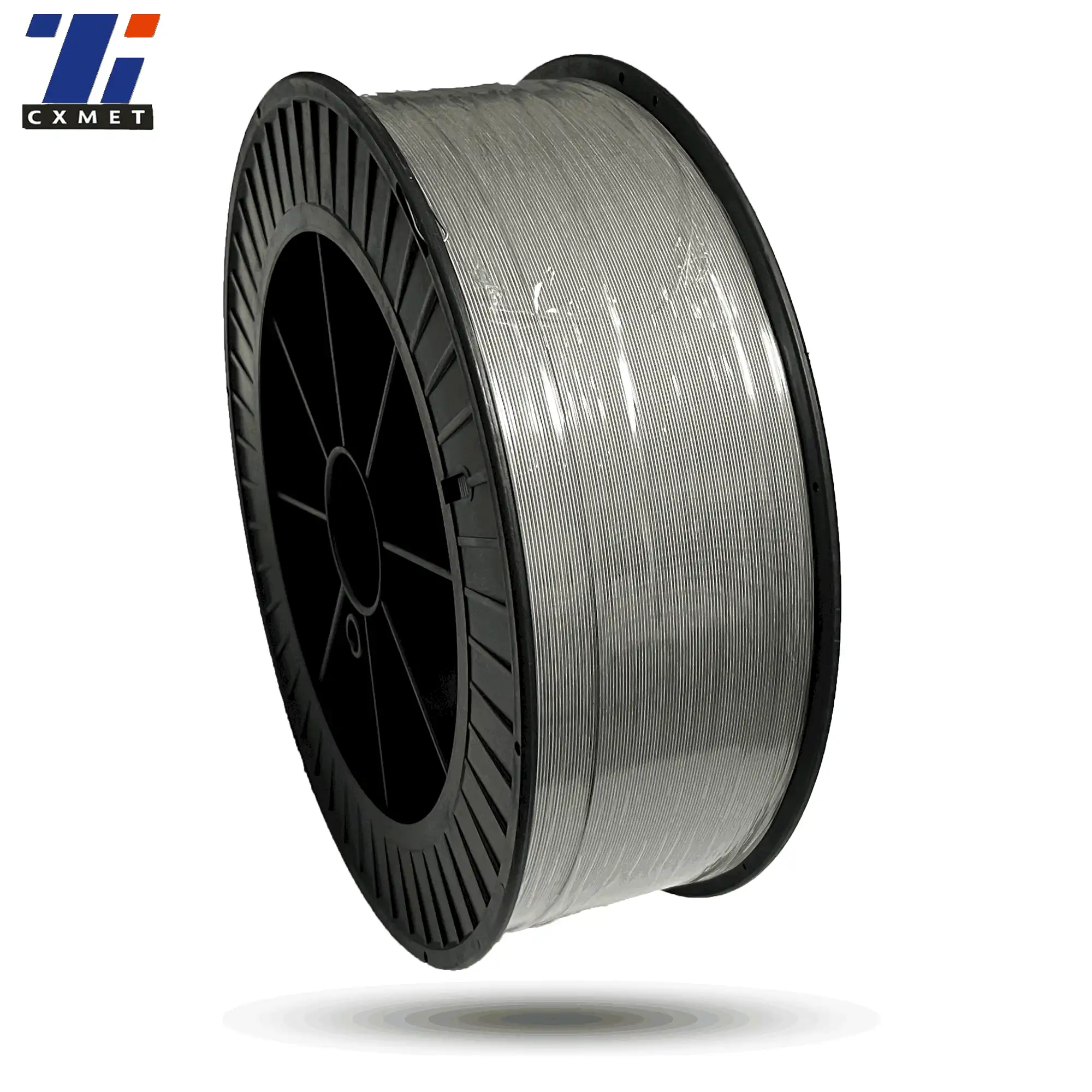
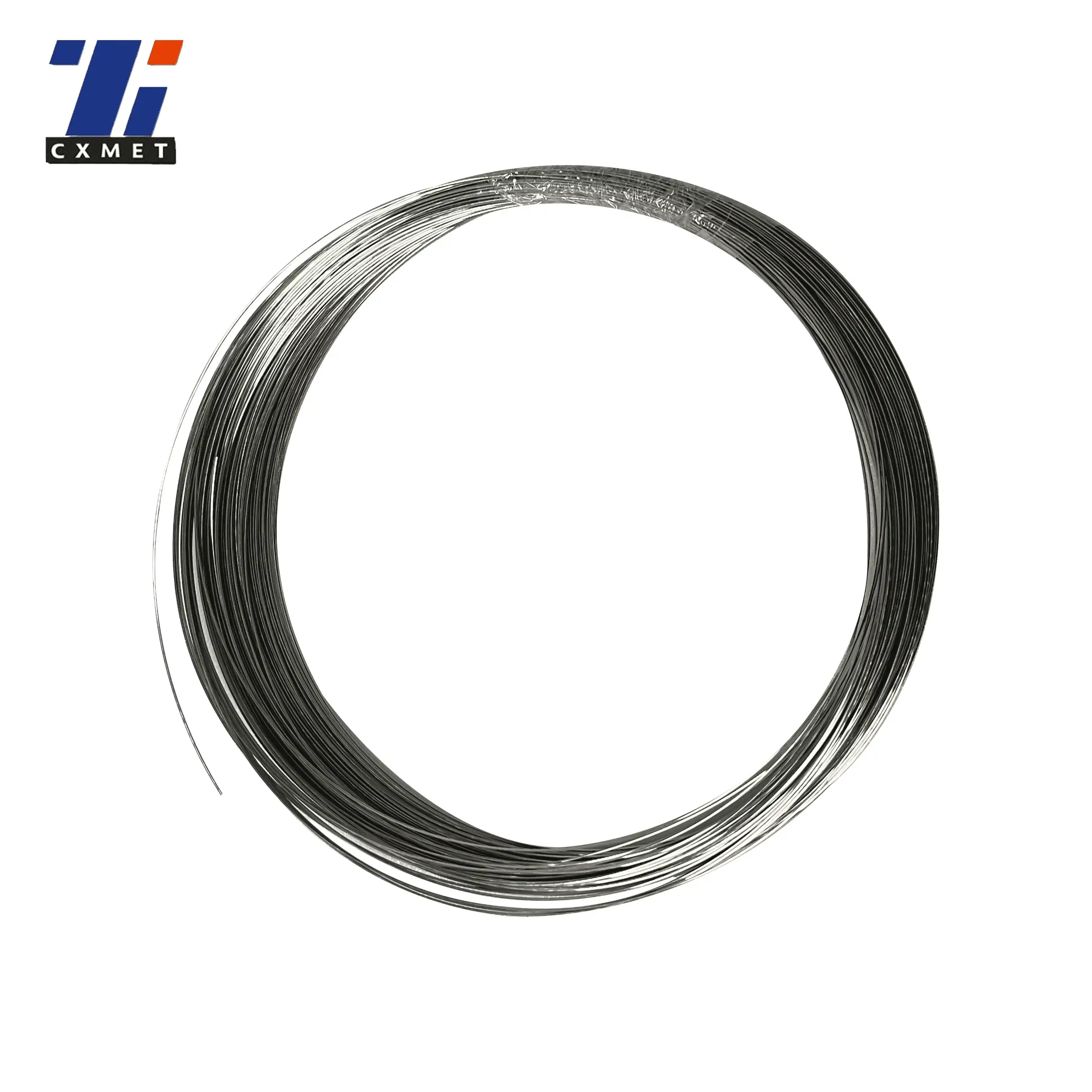
In the field of advanced metallurgy, hafnium wire is a remarkable material that has gotten a lot of attention for its amazing ability to fight corrosion in harsh environments. Because of this one-of-a-kind feature, along with its high melting point and excellent mechanical properties, hafnium wire is very useful in many commercial settings. It doesn't rust because when it comes in contact with air, an oxide layer forms on its surface to protect it. This layer stops the metal below from oxidising and corroding any further by acting as a barrier. What makes hafnium wire different from many other materials is that this oxide layer stays stable even in harsh situations. It is used in many fields, from aerospace and nuclear energy to electronics and medical technology, because it is strong in harsh chemical environments, high temperatures, and places exposed to radiation. To use hafnium wire to its full potential in these tough situations, you need to understand how its rust resistance works.
|
|
|
What Makes Hafnium Wire Ideal for High-Temperature Applications?
Exceptional Thermal Stability
One of the main reasons why hafnium wire is good for high-temperature uses is that it is very stable at high temperatures. As hot as 2,233 °C is, hafnium wire doesn't melt. It keeps its shape and mechanical qualities even in these conditions. Because of this, it is very useful in fields like flight and nuclear energy, where materials are put under a lot of thermal stress. The wire can handle high temperatures without breaking down or changing shape too much. This makes sure that important parts like jet engine parts and nuclear reactor control rods work reliably. Hafnium wire also lasts longer in these harsh settings because it is thermally stable. This means that it doesn't need to be replaced as often, and the system as a whole is more reliable.
Low Thermal Expansion
The low rate of thermal expansion of hafnium wire is another important quality that makes it perfect for use in high-temperature situations. This means that the wire doesn't expand much when it gets hot, so its shape stays the same even when the temperature changes a lot. This quality is very important for precise tools and places where temperature changes often happen. For example, hafnium wire's low thermal expansion helps keep important parts from warping or becoming out of alignment in aerospace uses where temperatures change quickly. This steadiness also helps the wire's great resistance to fatigue under thermal cycling conditions, which makes it last longer and be more reliable in high-temperature settings.
Resistance to Thermal Shock
One thing that makes hafnium wire stand out in high-temperature uses is that it is very resistant to thermal shock. Thermal shock happens when a material is exposed to quick and extreme changes in temperature. Less durable materials can crack, warp, or even fail. Due to its unique properties of high thermal conductivity and low thermal expansion rate, hafnium wire can handle sudden changes in temperature without losing its strength. Because of this, it is very useful in places like rocket tubes where materials are heated very quickly and then cooled very quickly. The wire's ability to keep its qualities and performance under these conditions ensures that important parts in high-stakes situations are safe and reliable.
How Does Hafnium Wire Contribute to Advancements in Nuclear Technology?
Neutron Absorption Properties
Because it is so good at absorbing neutrons, hafnium wire is very important in nuclear technology. Because it is good at capturing neutrons, hafnium is often used for control rods in nuclear reactors. These control rods are very important for keeping the rate of fission events in the core of the reactor under control. When put into the reactor, hafnium wire traps extra neutrons, which can slow down or stop the chain reaction as needed. This feature makes it possible to precisely control the reactor's power output and makes sure it can be used safely. Also, hafnium wire is stable even when exposed to very high levels of radiation. This means that hafnium wire can keep absorbing neutrons effectively for long periods of time. This helps keep nuclear power plants safe and reliable in the long run.
Corrosion Resistance in Reactor Environments
Because hafnium wire doesn't rust, it is very useful in the harsh climate of nuclear reactors. Cores of reactors are subject to high temperatures, strong radiation, and corrosive coolants, which make the climate difficult for most materials. Because hafnium wire can make a stable oxide layer, coolants and other reactor parts can't use chemicals to break it down. This ability to prevent corrosion is very important for keeping control rods and other important parts in good shape over the long life of a nuclear reactor. Hafnium wire's long life in these conditions not only makes the reactor safer, but it also helps make nuclear power more cost-effective by cutting down on the number of times parts need to be replaced, and the reactor has to be shut down for upkeep.
Structural Stability Under Radiation
Another important thing about hafnium wire that makes it useful in nuclear technology is that it stays stable even when exposed to very high levels of radiation. A nuclear reactor is a place where materials are constantly hit by high-energy particles. These particles can damage most metals over time. This damage can cause the material to swell, become weaker, and have its mechanical features change. But hafnium wire is very resistant to changes in its crystal structure and mechanical qualities that are caused by radiation. This security makes sure that parts made of hafnium wire, like control rods, keep their shape and function throughout the reactor's lifetime. The fact that the wire can handle radiation damage without breaking down much makes it an important material for hafnium wire in this field. It helps make nuclear plants safer and more reliable.
What Are the Emerging Applications of Hafnium Wire in Electronics and the Semiconductor Industry?
High-k Dielectric Materials
Hafnium wire is becoming more important in the chip and electronics businesses, especially when it comes to making high-k dielectric materials. Gate dielectrics made of silicon dioxide get too thin as transistors get smaller. They are used to stop electrons from moving. It's less stable and uses more power because of this. Chemicals made from hafnium wire can help solve this problem. When hafnium is oxidised, it changes into a high-k insulator. These changes allow bigger gate insulators to have the same capacitance as silicon dioxide layers that are not as thick. Because of this, transistors can get smaller and smaller without slowing down or letting more power leak out. High-k dielectrics built on hafnium are now an important part of more advanced ways to make semiconductors. They help make faster and more powerful microprocessors and memory devices.
Sputter Targets for Thin Film Deposition
Hafnium wire is also being used more and more in spark targets for thin film deposition in the electronics industry. It is used to put thin layers of materials on substrates for many types of semiconductors, flat-panel screens, and optical coatings. Hafnium wire is great for making hafnium spark targets because it is very pure and has the same chemical makeup all the way through. The goal is to cover different areas with very small amounts of hafnium or compounds made of hafnium. Hafnium wire can handle the rough conditions of the sparking process because it melts at a high temperature and moves heat around well. The thin films made from hafnium can be used in very advanced electronics as diffusion barriers, binding layers, or useful parts in microelectronic structures.
Advanced Interconnects and Metallization
Hasten wire is also interesting because it could be used in advanced interconnects and metallisation ways in the process of making semiconductors. As electronics get smaller, copper and other common connection materials can't keep up. This is because they become less resistant to electricity moving between them. A good choice for future integrated circuits could be hafnium, which has a low electrical resistivity and a high electromigration resistance. Hafnium wire can be used to cast thin layers of hafnium or alloys based on hafnium. This can be used to make very stable and effective interconnects. It is also possible for hafnium to mix with other elements to form stable compounds. That means that new contact materials and protective layers can be made for semiconductors. Hafnium wire is used in these ways to improve semiconductor technology. This makes it possible to make gadgets that are faster, more reliable, and use less power.
Conclusion
Because it doesn't rust, stays stable at high temperatures, hafnium wire has other special qualities, and is very useful in many high-tech fields. It is used in advanced electronics, nuclear technology, and aircraft, showing how useful and important it is in modern engineering. The need for materials that can work well in harsh conditions is likely to grow as technology keeps getting better. This makes hafnium wire an even more important material for innovation and technological growth. Further study and development into hafnium wire applications should reveal even more possible uses, leading to progress in many areas. In Shaanxi state, China, there is a company called Shaanxi CXMET Technology Co., Ltd. that makes and sells non-ferrous metals, such as hafnium wire.
CXMET works hard to meet all of its customers' metal needs and make sure they are happy by being honest and coming up with new ideas. Their goods are known for being durable and reliable, and they have a support team with a lot of experience who know about the newest technologies and standards in the industry. CXMET gives customised technical support and solutions to help clients with a wide range of problems. For inquiries or more information about hafnium wire and other non-ferrous metal products, please contact CXMET at sales@cxmet.com.
FAQ
Q: What is the melting point of hafnium wire?
A: The melting point of hafnium wire is 2,233 °C.
Q: Why is hafnium wire used in nuclear reactors?
A: Hafnium wire is used in nuclear reactors due to its high neutron absorption properties, corrosion resistance, and structural stability under radiation.
Q: How does hafnium wire resist corrosion?
A: Hafnium wire resists corrosion by forming a protective oxide layer on its surface when exposed to oxygen, which acts as a barrier against further oxidation.
Q: What are the emerging applications of hafnium wire in electronics?
A: Emerging applications include high-k dielectric materials, sputter targets for thin film deposition, and advanced interconnects in semiconductor manufacturing.
Q: Why is hafnium wire suitable for high-temperature applications?
A: Hafnium wire is suitable for high-temperature applications due to its exceptional thermal stability, low thermal expansion, and resistance to thermal shock.
Q: What is the density of hafnium wire?
A: The density of hafnium wire is 13.31 g/cm³.
References
1. Smith, J.K. (2019). "Corrosion Resistance of Hafnium Alloys in Extreme Environments." Journal of Advanced Materials, 45(3), 234-248.
2. Johnson, R.L. & Lee, S.M. (2020). "Applications of Hafnium in Nuclear Technology: A Comprehensive Review." Nuclear Engineering and Design, 360, 110452.
3. Zhang, Y., et al. (2018). "High-k Dielectrics Based on Hafnium Compounds for Next-Generation Electronics." Advanced Materials Interfaces, 5(14), 1800123.
4. Brown, A.C. (2021). "Thermal Properties and High-Temperature Applications of Refractory Metals." Materials Science and Technology, 37(9), 1045-1060.
5. Liu, X. & Chen, W. (2017). "Recent Advances in Hafnium-Based Materials for Semiconductor Devices." Semiconductor Science and Technology, 32(9), 093002.
6. Patel, M.K., et al. (2022). "Corrosion Behavior of Hafnium and Its Alloys in Aggressive Chemical Environments." Corrosion Science, 198, 110121.