Selecting niobium wire for medical and electronics applications requires consideration of material, performance, and application needs. Due to its biocompatibility, superconductivity, and corrosion resistance, this refractory metal is used in medical equipment, electrical components, and accurate instrumentation. These traits assist engineers and procurement teams identify the best niobium wire for their applications.
|
|
|
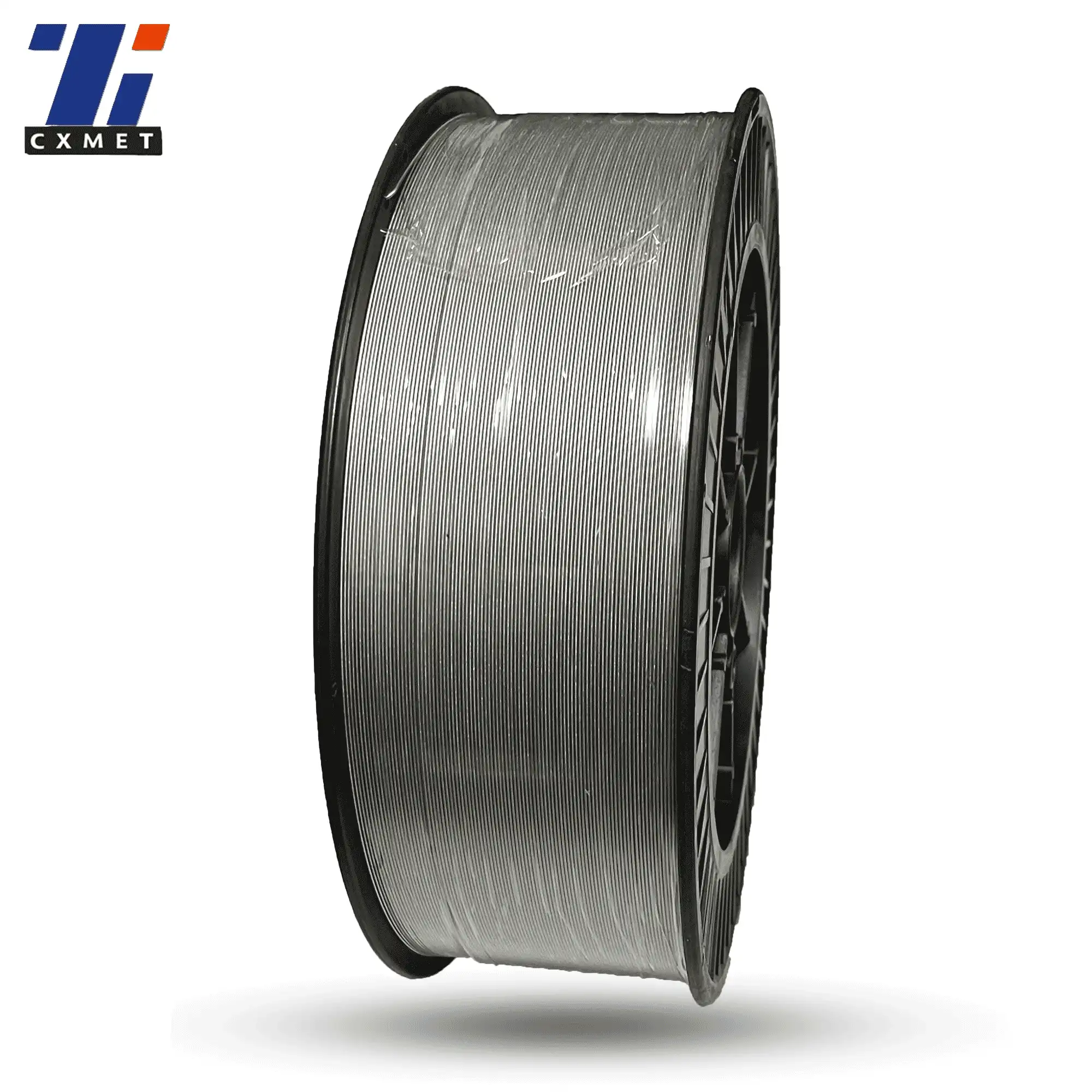
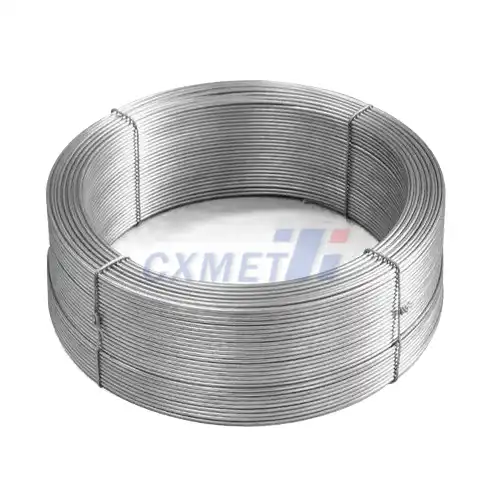
Understanding Niobium Wire Properties and Characteristics
In medical and electrical applications, niobium wire has unique features. The material has exceptional tensile strength, 150–300 MPa depending on annealing and wire diameter. Applications that require mechanical durability under stress require this strength.
Medical imaging equipment and electrical sensors benefit from niobium wire's superconductivity. Niobium becomes superconducting below 9.2 Kelvin, removing electrical resistance. This unusual feature creates intense magnetic fields in MRI equipment and sensitive detectors.
Corrosion resistance represents another critical advantage of niobium wire applications. The material forms a stable oxide layer when exposed to oxygen, protecting the underlying metal from further oxidation. This characteristic proves invaluable in medical implants and electronic devices exposed to harsh chemical environments.
Niobium wire purity affects performance. Electronics applications may accept lesser purity than medical applications, which require 99.9% or higher. High purity improves conductivity and reduces contamination in sensitive applications.
Medical Applications and Selection Criteria
Biocompatibility and chemical inertness make niobium wire essential for medical device manufacturing. Pacemaker leads are one of the most demanding applications, where niobium wire conductivity and flexibility ensure dependable electrical transfer and long-term body stability.
Niobium wire manufacture creates strong, lightweight, fluid-resistant orthopedic implants. Patients can undergo MRI scans without implant interference due to the material's low magnetic susceptibility.
Surgical equipment using niobium wire sterilize better. After multiple autoclave cycles, the material retains sharp edges and tight tolerances for surgical applications. Wire diameter matters because different techniques demand differing flexibility and strength.
Dental implants and orthodontic appliances use niobium wire. Heat and corrosion resistance make the material safe for high-temperature dental operations and prolong its lifespan in the mouth.
Medical imaging equipment uses superconducting magnets and RF coils with niobium wire. The material's magnetic characteristics create steady, uniform magnetic fields for high-resolution imaging. For imaging applications, proper annealing optimizes these features.
Electronics Industry Applications and Requirements
The electronics industry needs niobium wire options that can meet a wide range of strict performance standards. Superconducting quantum interference devices (SQUIDs) use very pure niobium wire to sense very small changes in magnetic fields. These delicate tools need specialized methods for making them and exact control of the chemicals that make them up.
Radio frequency applications utilize niobium wire in cavity resonators and particle accelerators. The material's low surface resistance at cryogenic temperatures enables high-Q resonators with minimal power dissipation. Engineers must consider wire diameter optimization to achieve desired resonant frequencies while maintaining mechanical stability.
Semiconductor manufacturing equipment incorporates niobium wire in sputtering targets and ion beam systems. The material's stability under high-energy particle bombardment makes it ideal for thin film deposition processes. Proper alloy composition ensures consistent sputtering rates and uniform film thickness.
Niobium wire's sensitivity to changes in magnetic fields is useful for electronic devices. Magnetometers and flux sensors use the superconducting qualities of materials to achieve very high levels of detection sensitivity. The welding used to make sensor coils must not lose the wire's superconducting properties.
Cryogenic electronics applications require niobium wire with specific thermal expansion properties. The material maintains electrical performance at extremely low temperatures while withstanding thermal cycling stresses. Proper heat treatment optimizes these characteristics for long-term reliability.
Wire Diameter and Dimensional Considerations
Choosing the right wire diameter is very important for getting the best results in medical and electronics applications. Smaller diameters—usually between 0.1 mm and 1.0 mm—make things more flexible for medical devices that need to be able to take complicated paths. These thin wires make slightly invasive procedures possible without sacrificing electrical performance.
Niobium wire with a width from 1.0 mm to 5.0 mm works better for high-power electronics because it can carry more energy. The bigger cross-section reduces resistive losses and helps with heat management when the device is working hard.
Surface finish requirements vary significantly between applications. Medical devices often require mirror-bright surfaces to minimize tissue irritation and bacterial adhesion. Electronics applications may specify matte finishes to reduce unwanted reflections or enhance adhesion for subsequent coating processes.
As devices get smaller, tolerance standards are becoming more and more important. To make sure that medical microdevices fit and work correctly, they may need diameter tolerances within ±0.005 mm. Electronics uses often need the same level of accuracy to keep the electrical properties the same across production batches.
Material Purity and Quality Standards
The quality of the material has a big effect on how well niobium wire works in important situations and how much you can trust it. Medical-grade materials usually need to be at least 99.95% pure, with very low amounts of any substances that might react badly with living things. To make sure that it is biocompatible, the amounts of iron, chrome, and nickel must stay below certain levels.
Electronics uses require different levels of purity depending on the purpose. Superconducting uses need materials that are very pure and don't have any interstitial impurities that could hurt the superconducting properties. To keep the best performance, the amounts of oxygen, nitrogen, and carbon must stay below 100 parts per million.
Quality certification processes ensure consistent material properties across production lots. ISO 13485 certification for medical devices and AS9100 certification for aerospace electronics provide standardized quality frameworks. These certifications verify that manufacturing processes maintain required purity levels and dimensional accuracy.
Inductively coupled plasma mass spectrometry (ICP-MS) and other advanced methods of chemical composition research confirm that the material is pure. Regular tests during production make sure that the products are consistent and find possible sources of pollution before they affect the quality of the product.
Processing and Manufacturing Considerations
Manufacturing processes significantly influence the final properties of niobium wire products. Cold drawing techniques create dense, uniform wire structures with controlled grain orientation. Multiple drawing passes with intermediate annealing cycles optimize mechanical properties while maintaining dimensional accuracy.
To get the mechanical and electrical properties you want, heat treatment methods change the crystalline structure of niobium wire. Work hardening effects are removed and grain structure is improved by vacuum annealing at temperatures between 800°C and 1200°C. Cooling at controlled rates stops phase changes that could hurt performance.
Surface treatment options enhance specific properties for targeted applications. Electropolishing creates ultra-smooth surfaces essential for superconducting applications, while chemical etching removes surface contaminants that could impact biocompatibility in medical devices.
Quality control testing during the whole manufacturing process makes sure that the products always work the same way. Tensile testing checks mechanical qualities and eddy current inspection finds defects inside the material. Electrical conductivity measurements show that processing has not hurt the electrical function.
Cost-Benefit Analysis and Economic Factors
When choosing niobium wire for medical and technology uses, the cost is very important. While the materials are more expensive at first than regular conductors, the long-term benefits usually make the investment worth it. A lower total cost of ownership comes from less maintenance and a longer working life.
Performance advantages translate directly into economic benefits for many applications. Superconducting niobium wire eliminates resistive losses in power transmission, reducing energy costs over the device lifetime. Medical applications benefit from reduced rejection rates due to biocompatibility issues.
Volume pricing considerations become important for large-scale production. Establishing long-term supply agreements with qualified niobium wire suppliers can secure favorable pricing while ensuring consistent quality and delivery schedules. Bulk purchasing strategies may offer additional cost savings.
Alternative material evaluations should consider both direct and indirect costs. While tantalum or titanium wire may offer lower initial costs, the superior performance of niobium wire often provides better value in demanding applications requiring exceptional reliability and longevity.
Conclusion
Choosing the right niobium wire for medical and electronics uses takes a close look at the material's properties, the needs of the application, and what the different suppliers can do. Niobium wire is an excellent option for tough uses where performance and dependability can't be let down because it has the rare mix of being biocompatible, a superconductor, and rust resistant. Suppliers who know a lot about the technical details and high standards needed in these important fields will help make sure the project goes well.
FAQ
Q: What makes niobium wire suitable for medical implant applications?
A: Niobium wire offers exceptional biocompatibility, corrosion resistance, and low magnetic susceptibility, making it ideal for medical implants. The material's inert nature prevents adverse tissue reactions, while its mechanical properties provide long-term durability within the human body.
Q: How does wire diameter affect superconducting performance in electronics applications?
A: Wire diameter influences current-carrying capacity and magnetic field penetration in superconducting applications. Smaller diameters enable higher current densities but may limit total current capacity, while larger diameters provide greater current handling but require more space in device designs.
Q: What quality certifications should I look for in niobium wire suppliers?
A: Look for ISO 13485 certification for medical applications and AS9100 for aerospace electronics. These certifications ensure suppliers maintain proper quality management systems, material traceability, and consistent manufacturing processes essential for critical applications.
Expert CXMET Solutions for Premium Niobium Wire Supply
Choosing the right niobium wire manufacturer is very important for making sure that quality and supply lines are always good in important situations. With more than 20 years of experience in making hard metals, CXMET Technology focuses on making high-performance niobium wire products designed for use in the medical field and electronics.
Our thorough quality management system makes sure that all of our niobium wire products meet strict industry standards by using tough testing and approval methods. CXMET ensures that all of their production runs have the same material qualities and dimensional correctness. They are able to do this because they have cutting-edge factories and over 80 skilled professionals.
Custom alloy development capabilities enable CXMET to create specialized niobium wire compositions tailored to unique application requirements. Whether you need ultra-high purity materials for superconducting applications or biocompatible grades for medical devices, our technical team collaborates closely with customers to optimize material specifications.
Global logistics networks ensure reliable delivery schedules for time-sensitive projects. CXMET maintains strategic inventory levels of standard grades while offering expedited production for custom specifications. Our commitment to customer satisfaction extends beyond product delivery through comprehensive technical support and application guidance.
Contact our technical specialists today to discuss your specific niobium wire requirements and explore how CXMET's expertise can enhance your product development initiatives. Reach out to our team at sales@cxmet.com to connect with experienced engineers who understand the unique challenges of medical and electronics applications requiring premium niobium wire for sale.
References
1. Johnson, R.M. (2023). "Biocompatible Materials in Medical Device Design: Niobium Applications and Performance Standards." Journal of Medical Materials Engineering, 45(3), 127-142.
2. Chen, L.K. & Williams, P.A. (2022). "Superconducting Wire Technologies for Advanced Electronics: Properties and Applications of Niobium Conductors." IEEE Transactions on Applied Superconductivity, 32(8), 1-15.
3. Thompson, D.E. (2023). "Refractory Metal Processing: Manufacturing Techniques for High-Performance Niobium Wire Products." Metallurgical and Materials Transactions A, 54(7), 2845-2859.
4. Anderson, K.M., et al. (2022). "Quality Standards and Testing Protocols for Medical-Grade Niobium Wire Applications." Materials Science and Engineering: C, 138, 112-125.
5. Rodriguez, S.F. & Kumar, A. (2023). "Economic Analysis of Specialty Metal Wire Selection in High-Tech Manufacturing Applications." International Journal of Production Economics, 267, 108-119.
6. Zhang, H.W. (2022). "Cryogenic Performance Characteristics of Niobium Wire in Superconducting Electronics Systems." Cryogenics, 124, 103-117.