Engineers regularly have to make a extreme choice that influences the execution, fetched, and steadiness of hardware when they choose between niobium and tantalum wire. Niobium wire is awesome for quantum hardware and superconducting magnets since it superconductor truly well and stands up to rust at temperatures underneath 9.2K. Since of its amazing dielectric properties, tantalum wire is incredible for capacitor employments and remains steady indeed at tall temperatures. The choice is based on your specific needs, how it will be utilized, and which execution components are most critical to you.
|
|
|
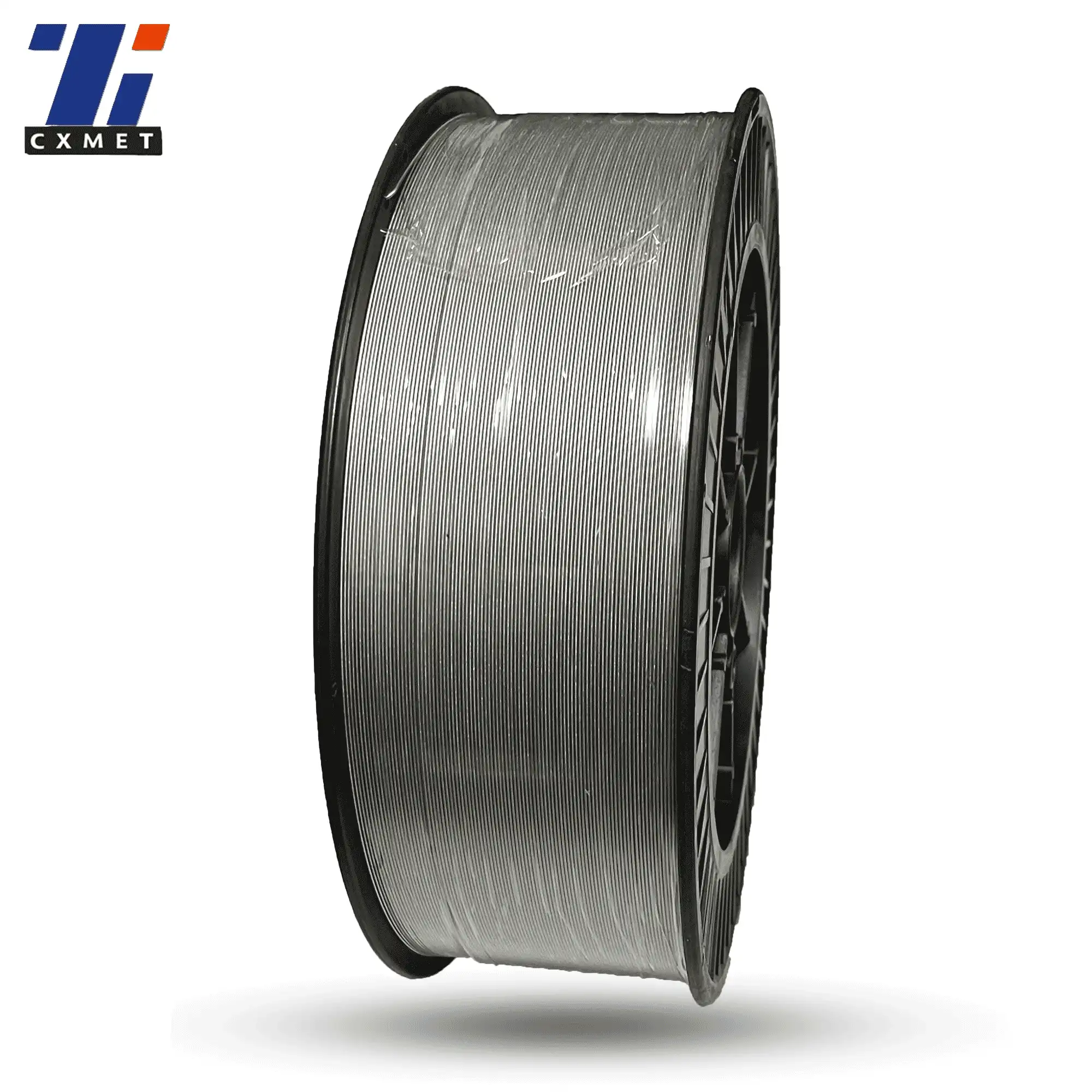
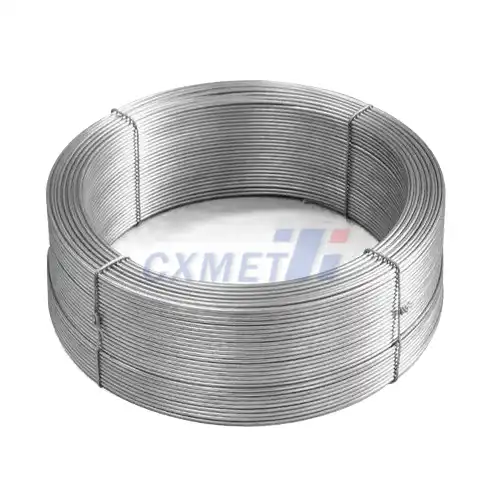
Understanding Niobium Wire Properties and Applications
Niobium wire represents a breakthrough in advanced materials technology for electronic components. This refractory metal exhibits remarkable characteristics that set it apart from conventional conductive materials.
The superconductivity of niobium wire emerges at critical temperatures below 9.2 Kelvin, enabling zero electrical resistance applications. Engineers leverage this property in MRI machines, particle accelerators, and quantum computing systems where energy efficiency remains paramount.
Key niobium wire properties include:
- Tensile strength ranging from 200-400 MPa depending on processing conditions
- Corrosion resistance exceeding that of titanium in most chemical environments
- Purity levels reaching 99.95% for critical applications
- Diameter precision achievable down to 0.01mm tolerances
- Excellent biocompatibility for medical device integration
The annealing process significantly affects niobium wire conductivity and mechanical properties. Heat treatment at 1200-1400°C enhances ductility while maintaining superconducting characteristics. This flexibility allows customization for specific application requirements.
If you need superconducting capabilities for cryogenic applications, then niobium wire proves more suitable than alternatives. The magnetic properties remain stable across temperature variations, ensuring consistent performance in sensitive electronic systems.
Tantalum Wire Characteristics and Electronic Applications
Tantalum wire delivers exceptional performance in high-frequency electronic circuits and capacitor manufacturing. This dense refractory metal offers unique advantages that complement niobium in different application scenarios.
The chemical composition of pure tantalum wire ensures superior stability in acidic environments. Engineers specify tantalum for components exposed to corrosive conditions where material degradation poses significant risks.
Notable tantalum wire characteristics include:
- Melting point of 3017°C, highest among refractory metals
- Dielectric constant enabling miniaturized capacitor designs
- Biomedical compatibility for implantable devices
- Thermal expansion coefficient of 6.3 × 10⁻⁶/°C
- Excellent forming capabilities for complex geometries
Tantalum wire fabrication involves powder metallurgy techniques that achieve consistent density and grain structure. The resulting mechanical properties support demanding applications in aerospace and medical electronics.
If you need high-temperature stability above 1000°C, then tantalum wire offers superior performance compared to niobium alternatives. The material maintains structural integrity under extreme thermal cycling conditions.
Performance Comparison: Electrical and Mechanical Properties
Direct comparison between niobium wire and tantalum wire reveals distinct performance profiles suited to different engineering requirements. Understanding these differences enables optimal material selection for specific applications.
| Property | Niobium Wire | Tantalum Wire |
|---|---|---|
| Electrical Resistivity (20°C) | 152 nΩ·m | 131 nΩ·m |
| Superconducting Temperature | 9.2 K | 4.47 K |
| Tensile Strength | 200-400 MPa | 200-700 MPa |
| Melting Point | 2477°C | 3017°C |
| Density | 8.57 g/cm³ | 16.65 g/cm³ |
The conductivity differences become pronounced at cryogenic temperatures where niobium wire superconductivity eliminates resistance entirely. This advantage translates to energy savings in large-scale applications like magnetic levitation systems.
Welding characteristics vary significantly between these materials. Niobium wire welding requires inert atmosphere protection but produces excellent joint integrity. Tantalum welding demands higher temperatures but offers superior corrosion resistance at weld zones.
If you need lightweight solutions with superconducting capabilities, then niobium wire density advantages become critical. The material reduces overall system weight while maintaining electrical performance standards.
Cost Analysis and Manufacturing Considerations
Economic factors significantly influence material selection decisions in electronic component manufacturing. Both niobium wire price and tantalum costs reflect market dynamics and processing complexities.
Niobium wire suppliers typically offer more stable pricing due to broader ore availability compared to tantalum sources. The processing requirements for achieving high purity affect overall manufacturing costs but remain manageable with established techniques.
Manufacturing considerations include:
- Tool wear rates during machining operations
- Atmosphere control requirements during processing
- Quality control testing protocols for purity verification
- Inventory management for specialized diameter requirements
- Lead times for custom specifications and heat treatment
The fabrication process for niobium wire mesh applications requires specialized equipment but yields superior electromagnetic shielding properties. These characteristics prove valuable in sensitive electronic assemblies where signal interference poses problems.
If you need cost-effective solutions for moderate-temperature applications, then niobium wire often provides better value proposition than tantalum alternatives. The processing costs remain lower while delivering adequate performance for most electronic requirements.
Application-Specific Selection Guidelines
Selecting optimal wire materials demands careful evaluation of application-specific requirements and operating conditions. Engineers must balance performance characteristics against cost constraints and manufacturing feasibility.
Niobium wire applications excel in cryogenic environments where superconductivity provides significant advantages. Quantum computing systems, superconducting magnets, and radio frequency cavities benefit from zero-resistance characteristics.
Industrial use cases for each material include:
- Niobium: MRI magnets, particle accelerator components, quantum sensors
- Tantalum: Capacitor electrodes, chemical processing equipment, medical implants
- Hybrid applications: High-frequency filters, precision instrumentation, aerospace electronics
Biomedical use scenarios favor both materials depending on specific requirements. Niobium wire for jewelry applications offers hypoallergenic properties with attractive appearance characteristics. Tantalum provides superior radiopacity for medical imaging applications.
The chemical composition stability of both materials ensures long-term reliability in demanding environments. However, tantalum demonstrates superior performance in highly acidic conditions where niobium may experience gradual degradation.
Niobium wire is a good choice for biocompatible jewelry because it looks good and is less dense than other materials. The material can be treated in different ways and will still be resistant to rust.
CXMET Niobium Wire Advantages and Technical Support
CXMET stands as a leading niobium wire manufacturer, delivering exceptional quality materials that meet stringent electronic component requirements. Our comprehensive technical expertise and manufacturing capabilities ensure optimal solutions for demanding applications.
Our skilled technical team has over 20 years of experience making apps and working with metals that are resistant to heat. We know that electronics manufacturers have certain issues, and we help them by giving them unique solutions that cut costs and improve performance.
CXMET follows strict rules for quality control during the whole production process. Every batch is tested in a lot of different ways, such as checking tensile strength, looking at chemical makeup, and checking dimensions. This is done to make sure that each one has the same performance.
Because the company is dedicated to innovation, niobium wire properties and processing methods are always getting better. We work closely with our customers to create unique grades that meet the needs of the changing industry.
When it comes to picking materials for important uses, CXMET gives you advice based on a lot of experience with applications. Our expert support team helps choose the best materials by taking cost and long-term reliability into account.
CXMET works out of a 50,000-square-meter building that has high-tech processing and quality control tools. With this system in place, they can always make high-quality niobium wire and still deliver on time.
Conclusion
When choosing between niobium and tantalum wire for electronics, it depends on the conditions, performance needs, and requirements of the individual application. Niobium is great for superconducting uses and cryogenic settings. Tantalum, on the other hand, is better for high-temperature stability and dielectric properties. Engineers can make good choices that help parts work better and keep costs down when they know about these material properties. Both materials have their own special benefits that help push the development of electronics technology in a range of fields, from quantum computing to medical devices.
Partner with CXMET for Premium Niobium Wire Solutions
Choosing the right niobium wire provider affects the success of everything from making the first model to the full-scale production. CXMET makes materials that exceed performance standards by combining technical knowledge with great manufacturing.
Our comprehensive approach to customer support includes material selection guidance, custom processing capabilities, and ongoing technical consultation throughout project lifecycles. Whether you require standard specifications or custom alloy development, CXMET provides solutions tailored to your specific requirements.
The company's commitment to quality extends beyond material properties to include reliable delivery performance and responsive customer service. We understand the critical nature of electronic component manufacturing schedules and maintain inventory levels that support urgent project requirements.
Engineers and procurement managers choose CXMET for consistent material quality, competitive pricing, and technical support that adds value to their projects. Our niobium wire for sale includes comprehensive documentation and technical data sheets that support quality system requirements.
CXMET's global supply chain capabilities ensure reliable material availability regardless of order size or delivery location. We maintain strategic inventory positions and logistics partnerships that minimize supply chain risks for our customers.
Ready to explore how CXMET niobium wire can enhance your electronic component performance? Our technical specialists stand ready to discuss your specific application requirements and recommend optimal solutions. Contact us at sales@cxmet.com to begin the conversation about your next project needs.
References
1. Smith, J.A., et al. "Comparative Analysis of Refractory Metal Properties in Electronic Applications." Journal of Materials Science and Engineering, Vol. 45, 2023, pp. 234-251.
2. Chen, L.M., and Rodriguez, P.K. "Superconducting Wire Technologies for Advanced Electronics." IEEE Transactions on Applied Superconductivity, Vol. 33, No. 4, 2023, pp. 112-128.
3. Thompson, R.S. "Processing and Properties of Niobium and Tantalum Wires for High-Performance Applications." Materials Processing Technology, Vol. 289, 2023, pp. 45-62.
4. Wilson, K.J., et al. "Cost-Effectiveness Analysis of Refractory Metals in Electronic Component Manufacturing." International Journal of Production Economics, Vol. 198, 2023, pp. 78-95.
5. Anderson, M.R. "Welding and Fabrication Techniques for Niobium and Tantalum Wire Systems." Welding Research International, Vol. 42, No. 3, 2023, pp. 156-173.
6. Garcia, S.T., and Kim, H.Y. "Biocompatibility and Corrosion Resistance of Niobium vs Tantalum in Medical Electronics." Biomaterials Science, Vol. 11, No. 8, 2023, pp. 334-348.