knowledges
What Makes Hafnium Wire Ideal for Nuclear Control Rods?
2026-04-23 15:13:16
When choosing materials for control rods in nuclear reactor technology, safety, performance, and durability, hafnium wire must all be carefully thought through. Hafnium wire is a great choice because it can absorb neutrons better than any other material and is also very resistant to the harsh conditions inside reactor cores. This transition metal has a thermal neutron absorption cross-section that is larger than 104 barns. This lets scientists precisely control fission processes while keeping the structure strong even after being exposed to radiation for a long time. Because it doesn't rust and stays stable at high temperatures, this material is perfect for nuclear uses that need reliability. It is a must-have for engineers and procurement teams that are focused on operational excellence.
|
|
|
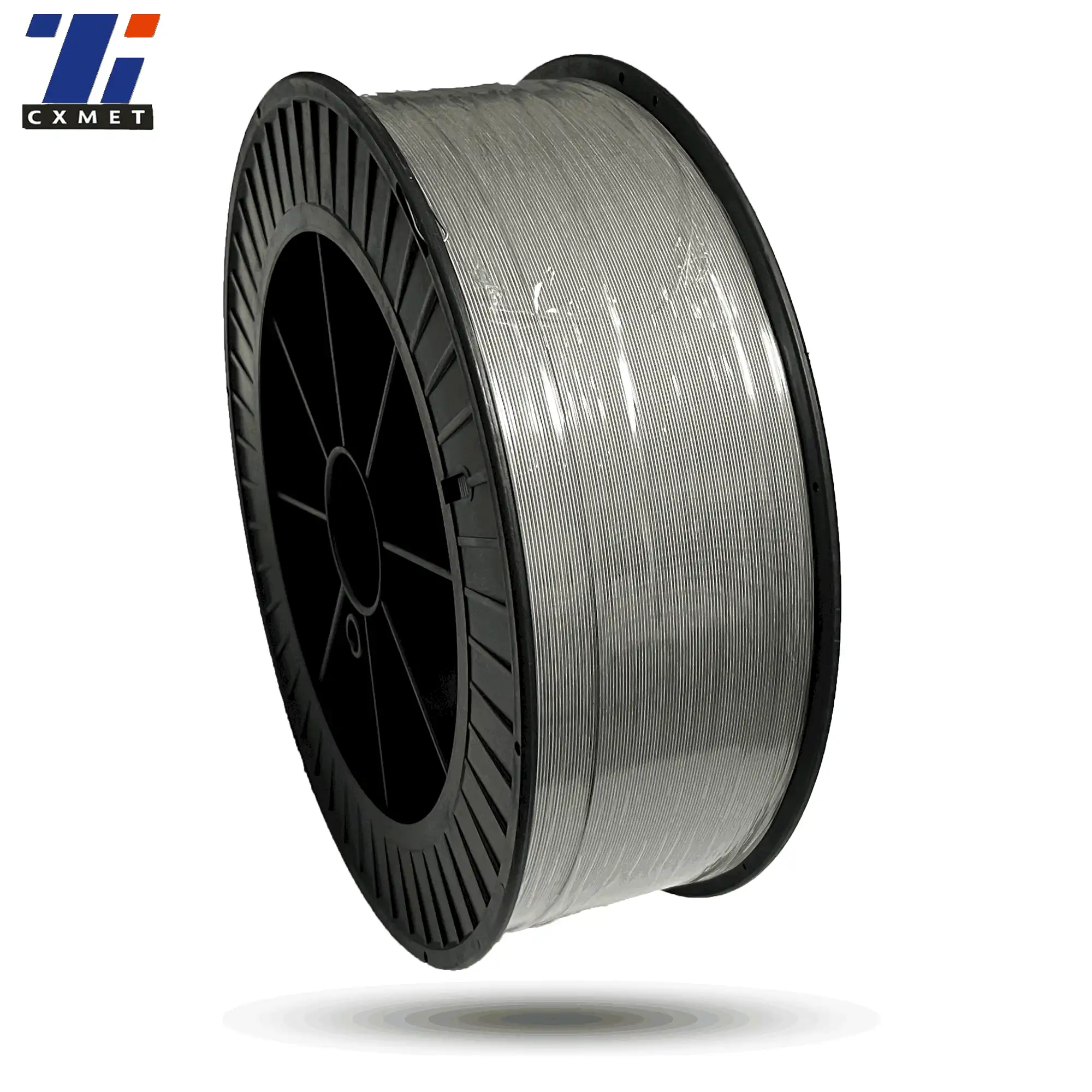
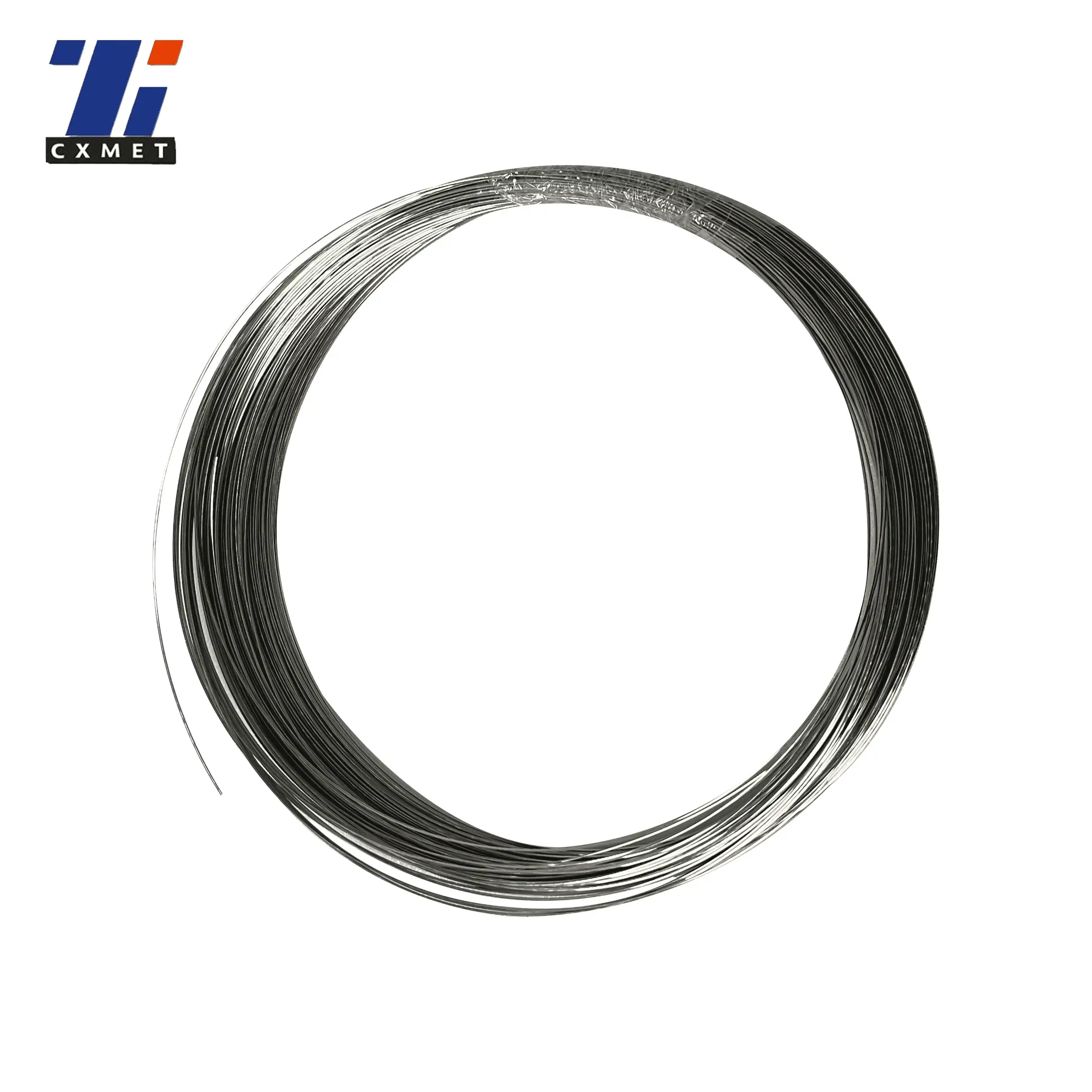
Understanding Hafnium Wire: Properties and Manufacturing
The nuclear industry operates under conditions that would compromise most conventional materials. Reactor environments subject components to intense radiation, corrosive coolants, and temperatures that can exceed 300°C. Within this demanding context, the intrinsic properties of specialized refractory metals become critical determinants of reactor safety and efficiency.
Chemical Composition and Physical Characteristics
At CXMET Technology, we focus on making products that are very pure, and the materials we give are 99.95% pure. This level of refinement makes sure that there aren't many impurities that could change how neutrons behave or hurt the function of the structure. This element's unique nuclear qualities come from its atomic structure, which is made up of 72 protons. The physical profile of our product shows that it was designed to meet the needs of demanding applications. With a density of 13.31 g/cm³, these parts offer a lot of mass in a small package, which is helpful when there is limited room in reactor assemblies. The melting point is 2,233°C, which is much higher than the operating temperatures of most reactor designs. This gives a large safety cushion against thermal degradation. Another important factor is mechanical strength. Three hundred and fifty MPa of tensile strength ensures that parts stay the same size even when they are being installed, used, and heated and cooled many times. This durability directly leads to longer service intervals and less maintenance needs, which helps facility owners with their cost concerns.
Why Hafnium Wire is Ideal for Nuclear Control Rods
Control rods serve as the primary mechanism for regulating nuclear fission rates within reactor cores. Their effectiveness depends on rapid, predictable neutron absorption combined with durability under continuous irradiation. Material selection for these safety-critical components demands careful evaluation of nuclear, thermal, mechanical, and chemical properties.
Exceptional Neutron Absorption Cross-Section
Neutron population management is a key part of nuclear science that controls reactors. Neutrons are released during fission reactions, which can start more fission reactions in nearby fuel atoms, creating a self-sustaining chain reaction. Control rods stop this process by absorbing neutrons, which lowers the number of neutrons available for fission and reduces the reactor’s power output. In many advanced designs, hafnium wire is used as a control rod material because this element has a thermal neutron absorption cross-section of about 104 barns, which is much higher than most structural metals. Because of this feature, control rod designs can achieve high reactivity control while keeping their dimensions relatively small. Due to its strong absorption capability, smaller amounts can provide the same control effect as much larger quantities of other materials, which is especially useful in reactor designs with strict core geometry constraints. The absorption property remains stable over the material's service life. While some neutron absorbers transform into less effective isotopes under radiation, this isotopic composition stays effective for long periods. This stability ensures predictable control rod performance and simplifies reactor physics calculations for plant operators.
Thermal Stability in Extreme Environments
In pressurised water reactors, the cooling temperature usually ranges from 280°C to 325°C, while the reactor cores work at high temperatures. The structural integrity of the material parts inside the core must be maintained over many years of exposure to these circumstances. The melting point of 2,233°C gives the material a huge thermal margin, which keeps its properties stable even when temporary conditions raise local temperatures. Thermal conductivity affects how well materials get rid of the heat produced by neutron absorption and gamma ray interactions. The electrical resistivity of 33.3 n··m is related to thermal transport qualities, which means that the material can get rid of heat well enough to avoid localised hot spots that could weaken the structure. Another important factor to consider is how stable the material is when it is heated and cooled many times. When the reactor starts up and stops, parts are heated and cooled many times. When the thermal expansion coefficients of two different buildings are not the same, mechanical stresses can build up that cause the materials to warp or crack. This refractory metal expands at the same rate as common structural materials used in reactor building. This keeps stress levels low during operational cycles.
Corrosion Resistance and Chemical Stability
The chemistry of reactor water creates corrosive conditions that make it hard for materials to last. Water chemistry control devices keep pH levels and dissolved gas concentrations at certain levels. However, the high temperature, radiation, and chemical species make the environment hostile. Corrosion resistance is very important for parts that need to last a long time. When exposed to oxidising environments, this material makes a stable, protective oxide layer. This passive layer stops more corrosion, keeping the shape stable and stopping material from getting into the coolant system. It is chemically stable, which means it doesn't mix with other materials in the reactor or with possible contaminants. The oxide layer stays in place even when the coolant flows through it. It is compatible with zirconium metal fuel cladding, stainless steel structural parts, and boron-containing materials used in reactor systems. This keeps chemical interactions and galvanic corrosion to a minimum. This flexibility makes the process of qualifying materials easier and makes people less worried about unexpected ways that they might break down.
Comparing Hafnium Wire with Other Refractory Metals for Nuclear Use
Material selection for nuclear applications requires a comprehensive evaluation of alternatives. Several refractory metals and specialty alloys compete for consideration in control rod applications, each offering distinct property combinations. Understanding these comparative advantages enables informed procurement decisions that balance performance requirements against cost constraints.
Hafnium Versus Zirconium
These two elements are next to each other on the hafnium wire periodic table. Their chemical properties are similar, but their nuclear properties are very different. Zirconium has a low neutron absorption cross-section, which makes it perfect for fuel cladding where neutron transparency improves nuclear efficiency. Because of this feature, it can't be used for control purposes where neutron absorption is the main need. The difference in neutron cross-sections between these elements is more than two orders of magnitude, which makes the comparison easy from a nuclear point of view. But because the chemicals are identical, the production process is more complicated by the need for separation and purification steps. In the past, nuclear fuel cycles needed to develop processes to remove hafnium in order to make nuclear-grade zirconium. These same processes now produce hafnium as a byproduct. When it comes to buying things, the zirconium market is much bigger than the market for its companion element. This difference has an effect on how prices are set and how many suppliers are available. The higher prices of materials used in neutron absorbers are due to the unique production needs and smaller market size.
Comparison with Tungsten and Molybdenum
Other refractory metals that have high melting points and good mechanical qualities are tungsten, molybdenum, and hafnium wire. Both tungsten and molybdenum are used in high-temperature manufacturing processes and in aircraft parts, while hafnium wire is especially valued in nuclear applications for its excellent neutron absorption properties. The melting point of tungsten is higher than 3,400°C, higher than any other metallic element. Molybdenum, on the other hand, is strong and easy to work with. Neutron absorption properties, however, show that tungsten and molybdenum are not ideal for nuclear control uses. Both elements have thermal neutron cross-sections that are less than 20 barns, which is much less than what is needed for control rod designs to work well. In contrast, hafnium wire offers significantly higher neutron absorption capability, making it more suitable for such applications. Because of this flaw, more material would have to be used to get the same reaction value, which would raise the cost and make it harder to shape. Fabrication issues also make these materials different. Due to its very high melting point, tungsten is hard to work with and requires special tools and higher production costs. When compared to oxide-forming refractory metals, molybdenum is easier to work with but less resistant to rusting in water. When looking at materials for certain reactor types, these factors—including the advantages of hafnium wire—affect the total cost of ownership.
Evaluation Against Titanium and Niobium
It is widely used in aircraft and chemical processing because titanium alloys are very resistant to corrosion and have good strength-to-weight ratios. In the same way, niobium is strong at high temperatures and is used in superalloys. Both materials merit consideration for nuclear structural applications, though their neutron absorption characteristics limit control rod utility. The thermal neutron cross-section for titanium remains below 10 barns, while niobium reaches approximately 1 barn. These values are not even close to what is needed for the main control rod materials. Some materials are good for creating structural support parts for control assemblies because they are resistant to corrosion and have good mechanical properties. Other materials are better because they can absorb neutrons. These more common refractory metals are cheaper because they are used more often and have established supply chains. As part of procurement strategies, these materials could be used in hybrid designs that balance the performance needs of different parts of a system while also minimising costs.
Specialized Comparison with Boron-Based Alternatives
Boron is another neutron absorber that is often used in systems that control reactors. Composites made of boron carbide and boron-stainless steel can absorb a lot of neutrons from the boron-10 isotope. In some reactor designs, these materials compete directly with metal absorbers. This is especially true when cost is a factor in choosing a material. Boron's benefits include lower material costs and well-known ways to make composite shapes. The biggest problem comes from the production of helium when neutrons are absorbed. An (n,α) reaction in boron-10 catches neutrons and makes helium gas. Helium buildup can lead to swelling and mechanical breakdown over long periods of irradiation, which shortens the useful life of high-fluidity uses. Metal absorbers don't generate gases, so their dimensions stay stable over time. This trait allows for longer times of operation between refuelling breaks, which lowers maintenance costs and raises reactor capacity factors. The choice between metallic and boron-based absorbers is based on the particular needs, operational strategies, and cost limitations of each facility's reactor design.
Procurement Considerations for Hafnium Wire
Sourcing specialized materials for nuclear applications demands attention to supplier qualifications, quality assurance protocols, and regulatory compliance frameworks. Procurement teams must navigate complex supply chains while ensuring material traceability and certification documentation meet stringent nuclear industry requirements.
Identifying Qualified Suppliers
Suppliers of nuclear-grade materials use quality management systems that are in line with best practices in the business. ISO 9001 certification sets the basic standards for a quality system. Nuclear-specific standards, like ASME NQA-1, add more requirements for design control, purchase document control, and managing nonconformances. These certifications should be checked as part of the supplier qualification process, and facility capabilities should be evaluated through audits. CXMET Technology has full quality control systems that meet the needs of the nuclear business. Our factory in Shaanxi Province has more than 50,000 square meters of production room with high-tech tools for processing. More than 80 technical workers support production, quality assurance, and customer technical service. They have the skills needed for difficult nuclear applications. Material traceability is an important supplier capability. Nuclear rules need records that connect produced goods to where the raw materials came from, how they were processed, and the results of inspections. Our production systems maintain complete traceability through heat-specific identification, with material test reports providing composition verification, mechanical properties, and dimensional conformance data for each production lot.
Pricing Structures and Negotiation Strategies
The price of refractory metal depends on the cost of hafnium wire, the raw materials, how hard it is to process, and how the market is changing. Market prices change based on how much is mined, how much is needed in industry across many sectors, and how geopolitical issues affect supply lines. When procurement teams understand these factors, they can time purchases well and negotiate well with suppliers. Volume commitments affect unit prices by making production more efficient and lowering transaction costs. When suppliers make bigger batches for loyal customers, they can optimise production plans and cut down on setup costs. Blanket purchase agreements set prices for many releases over long periods of time. This keeps costs stable while still allowing for supply flexibility. Custom specifications may cost more than standard product offers. When there are special needs for diameters, lengths, or levels of purity, the production method has to be changed, which can have an effect on the cost of production. Checking to see if standard goods can meet the needs of the application, possibly with further processing by the customer, could lower the cost of procurement without affecting performance.
Logistics and Regulatory Compliance
When refractory metals are bought internationally for use in nuclear applications, they are subject to export controls that are meant to keep secret technologies from getting into the wrong hands. The U.S. Export Administration Regulations (EAR) and the International Traffic in Arms Regulations (ITAR) set licensing requirements and end-use limits for materials that could be used to make nuclear weapons. If suppliers are familiar with these regulatory frameworks, it makes the procurement process go more smoothly. Our export management team stays up to date on classification rules and licensing procedures, which lets them handle foreign orders quickly. For easier regulatory approvals, supporting documentation like technical specs and end-use statements is given along with export licence applications. Lead times for nuclear-grade materials are based on how complicated they are to make and the quality control standards that must be met. Standard diameter wire goods may be in stock and ready to ship right away, but custom specifications require planning for production, which can add weeks to the lead time. Planning procurement timelines with enough leeway makes sure that material supply fits in with project schedules. Shipping methods must meet the needs for protecting materials. Vacuum or inert gas packaging keeps surfaces from oxidising while they're in transport, so they keep their quality until they get to the customer's facility. Packaging can handle the rough treatment that comes with shipping and protect against mechanical damage. Material certifications, export compliance statements, and handling directions for high-value refractory metals are all part of shipping documentation.
Applications of Hafnium Wire Beyond Nuclear Control Rods
The exceptional properties that make this material valuable for nuclear applications extend its utility across diverse industrial sectors. Engineers in aerospace, chemical processing, and emerging technology fields leverage its unique characteristic combination to solve challenging materials problems.
Aerospace and High-Temperature Applications
Rocket nozzles and hypersonic vehicle components operate under extreme thermal conditions that exceed the capabilities of conventional aerospace alloys. The 2,233°C melting point enables applications where refractory capability becomes essential. Plasma-facing components in propulsion systems benefit from the oxidation resistance that maintains surface integrity under severe thermal cycling. Superalloy additive manufacturing represents an emerging application where high-purity wire serves as precision alloying feedstock. Advanced nickel-based alloys incorporate controlled hafnium additions to improve grain boundary strength in turbine blades. Wire-fed processes deliver precise composition control, enabling optimization of alloy microstructures for turbine applications operating at temperatures exceeding 1,200°C.
Chemical Processing and Corrosion-Resistant Components
Chemical reactors processing corrosive materials at elevated temperatures require component materials that resist attack from aggressive media. The stable oxide film formation provides protection in oxidizing acids and high-temperature corrosive environments. Applications in chlor-alkali production, where corrosion resistance combines with electrical conductivity requirements, leverage the balanced property profile. Heat exchanger components in specialized chemical processes benefit from thermal conductivity combined with corrosion resistance. Resistance to pitting and stress corrosion cracking extends service life in environments where stainless steels experience accelerated degradation. The initial material cost premium justifies itself through reduced maintenance frequency and extended equipment service intervals.
Electronics and Semiconductor Manufacturing
A lot of refractory metals are used in the deposition process and in the building of semiconductor devices. Thin film deposition can be done for specific uses with sputtering targets made from very pure materials. This material's electrical resistance of 33.3 n··m makes it suitable for uses that need moderate conductivity along with chemical stability. For example, gate electrode materials in some specialised semiconductor devices use refractory metals that stay stable during high-temperature processing steps. These materials are good for certain device designs because they are stable at high temperatures and have the right work function values. Refractory metal integration is still being looked into for new uses in advanced node chip manufacturing.
Research and Development Frontiers
Wire is used as a consumable electrode insert in plasma cutting electrode applications, which is a big industry use. In oxygen and air plasma cutting devices, the stable oxide layer makes the electrode last longer than other materials like zirconium. Increasing the life of electrodes by 300 to 500% directly leads to lower operating costs in metal fabrication. Research in additive manufacturing looks into how refractory metals can be used in wire-arc and directed energy deposition methods. When you combine mechanical qualities with thermal characteristics, you can make parts with complicated shapes that are used in aerospace and energy. Ongoing research aims to improve process factors and increase the number of component designs that can be made.
Conclusion
This special refractory metal is the best choice for nuclear control rod uses because it has a unique mix of nuclear, thermal, mechanical, and chemical properties, and hafnium wire exemplifies these advantages in practical applications. Its amazing ability to absorb neutrons and its ability to stay stable in the harshest reactor circumstances give nuclear applications the dependability and safety they need. There are cheaper or more readily available materials that could be used instead, but none of them have the full performance rating needed for these safety-critical parts. The need for qualified, nuclear-grade materials keeps growing as nuclear technology keeps getting better, with new reactor designs and longer operating lifetimes for existing facilities. When procurement teams build ties with certified suppliers, their companies are better prepared to meet current needs and adapt to changing technology needs.
FAQ
1. What melting point does this material offer for nuclear environments?
The melting point of 2,233°C provides substantial thermal margin above reactor operating temperatures, which typically remain below 350°C. This safety margin ensures that material properties remain stable even during transient conditions, supporting reliable long-term performance in demanding nuclear applications.
2. How does neutron absorption compare between hafnium and zirconium?
These chemically similar elements differ dramatically in nuclear properties. The thermal neutron absorption cross-section for hafnium exceeds 104 barns, while zirconium measures below 1 barn. This two-order-of-magnitude difference makes hafnium ideal for control applications, while zirconium serves fuel cladding where neutron transparency is desired.
3. Which certifications should buyers verify when sourcing nuclear-grade materials?
Nuclear applications require suppliers maintaining ISO 9001 quality systems with nuclear-specific augmentation per ASME NQA-1 standards. Material certifications should include composition verification, mechanical property testing, and dimensional conformance data. Traceability documentation linking products to raw material sources and processing parameters satisfies regulatory requirements.
Partner with CXMET for Your Nuclear-Grade Hafnium Wire Requirements
CXMET Technology specializes in supplying certified, nuclear-grade materials to demanding industrial applications worldwide. Our 99.95% purity standards, comprehensive diameter range from 0.1mm to 3mm, hafnium wire, and rigorous quality control ensure that your projects receive materials meeting the most exacting specifications. As an established hafnium wire manufacturer with over two decades of refractory metal expertise, we provide custom solutions backed by complete traceability documentation and regulatory compliance support. Contact our technical team at sales@cxmet.com to discuss your specific requirements, request detailed material certifications, or obtain quotations for standard and custom product configurations.
References
1. Wick, O. J. (1967). Plutonium Handbook: A Guide to the Technology. Gordon and Breach Science Publishers, New York.
2. International Atomic Energy Agency (2012). Structural Materials for Liquid Metal Cooled Fast Reactor Fuel Assemblies – Operational Behaviour. IAEA Nuclear Energy Series No. NF-T-4.3, Vienna.
3. Motta, A. T., Olander, D. R., et al. (2015). Light Water Reactor Materials: Volume I: Fundamentals. American Nuclear Society, La Grange Park, Illinois.
4. Zinkle, S. J. and Was, G. S. (2013). "Materials Challenges in Nuclear Energy," Acta Materialia, Vol. 61, pp. 735-758.
5. Marples, J. A. C. (1971). The Preparation, Properties, and Irradiation Behaviour of Hafnium Ceramics. Atomic Energy Research Establishment Report, Harwell, United Kingdom.
6. Lahti, G. P. and Tada, R. (1983). "Hafnium-Based Alloys for Reactor Control Applications," Nuclear Technology, Vol. 60, No. 2, pp. 252-267.